September 27: A Book That Changed the World, a Report That Didn't Settle Anything, and a Show That Invented Late Night
September 27 is a day for documents that landed differently than expected. In 1962, a marine biologist named Rachel Carson published a book about the invisible damage being done to the natural world by synthetic pesticides, and it produced a public and political response so powerful that it led directly to the banning of DDT, the creation of the Environmental Protection Agency, and the founding of the modern environmental movement — results that Carson, who died of cancer less than two years after publication, did not live to fully see. Two years later, the commission assigned to investigate the assassination of President Kennedy released a 900-page report concluding that Lee Harvey Oswald had acted alone — a finding that ended the official inquiry and opened decades of unofficial ones. And in 1954, on NBC, a comedian named Steve Allen filled the empty hours after the late news with a live show that combined comedy, interviews, and music into something that had no name yet and that became the template for every late-night program since. Three September twenty-sevenths. Three things released into the world that the world received in ways nobody had fully anticipated.
Silent Spring
On September 27, 1962, Houghton Mifflin published Silent Spring by Rachel Carson — a marine biologist and nature writer who had spent years documenting the evidence that synthetic pesticides, particularly DDT, were moving through food chains and ecosystems in ways their manufacturers had not disclosed and their government regulators had not examined. The book had been serialized in The New Yorker that summer before its publication and had already generated substantial controversy, with the chemical industry mounting a preemptive campaign against Carson personally — attacking her scientific credentials, suggesting she was a communist sympathizer, and questioning why an unmarried woman without children should be so concerned about genetics. The attacks intensified after publication. They failed. Silent Spring was a Book-of-the-Month Club selection, reached the top of the bestseller lists, and was read by President Kennedy, who directed his Science Advisory Committee to study the pesticide question. The committee's report, released in 1963, vindicated Carson's findings.
The consequences of Silent Spring's publication on September 27, 1962, extended far beyond the book itself. DDT was banned in the United States in 1972 — a decade after publication — directly as a result of the public and political pressure the book had mobilized. The bald eagle, the peregrine falcon, and the brown pelican, whose populations had been devastated by DDT's interference with calcium metabolism and eggshell production, subsequently recovered to a degree that removed them from the endangered species list. The Environmental Protection Agency was established in 1970, eight years after the book's publication, as a direct institutional response to the public awareness Carson had created. The modern environmental movement — the first Earth Day in 1970, the Clean Air Act, the Clean Water Act, the Endangered Species Act — is traceable in a fairly direct line to the arguments Carson made and the audience she reached. She died of breast cancer on April 14, 1964, at the age of fifty-six, having lived long enough to testify before Congress but not long enough to see most of what her book set in motion. Silent Spring has been cited as one of the most influential books of the twentieth century. It is one of the clearest examples in the history of nonfiction of a single work changing the world.
The Warren Report
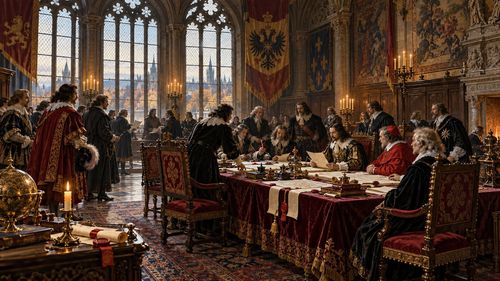
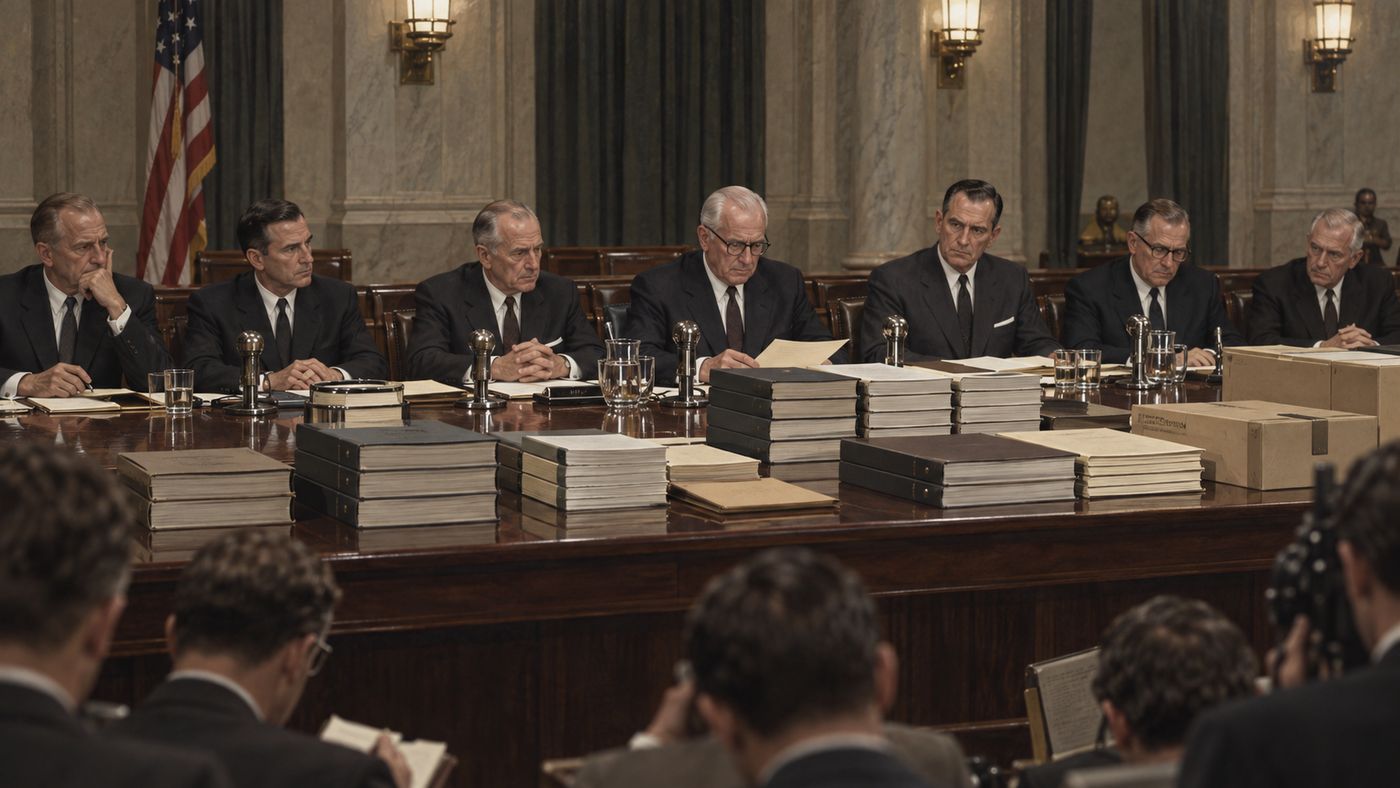
On September 27, 1964, the President's Commission on the Assassination of President Kennedy — known as the Warren Commission after its chairman, Chief Justice Earl Warren — released its final report to the public: 888 pages concluding that Lee Harvey Oswald, acting alone, had shot and killed President Kennedy in Dallas on November 22, 1963, and that Jack Ruby, acting alone, had shot and killed Oswald two days later in the Dallas police headquarters. The commission had been established by President Johnson one week after the assassination, bringing together a panel of seven distinguished public figures including Warren, former CIA Director Allen Dulles, and future President Gerald Ford. It had interviewed 552 witnesses, reviewed thousands of documents, and examined the physical evidence over ten months of work. Its conclusion — the single gunman, the single bullet, the absence of conspiracy — was the official answer to the question that had stunned the country ten months earlier.
The report released on September 27, 1964, did not settle the question it was meant to answer. Public skepticism about the Warren Commission's conclusions began almost immediately and has never fully dissipated: polls conducted over the decades since have consistently found that majorities of Americans believe the assassination involved a conspiracy rather than a lone gunman. The specific objections have varied — the "magic bullet" theory required to account for the trajectory of a single bullet through two men was widely ridiculed; witnesses described hearing shots from the grassy knoll in front of the motorcade rather than from the Texas School Book Depository behind it; Oswald's own denial before his killing, and the circumstances of Ruby's access to the police headquarters, seemed to many people to require explanation. A second official inquiry, the House Select Committee on Assassinations, concluded in 1979 that Kennedy was probably killed as the result of a conspiracy, though it did not identify the conspirators. The classified documents related to the assassination have been released in stages over subsequent decades, most recently in 2023, without producing the definitive alternative account that conspiracy theorists anticipated. The Warren Commission report of September 27, 1964, remains the official account of one of the most consequential events in modern American history, and the debate over whether it is the correct one remains as alive as it was the week after it was published.
Tonight!
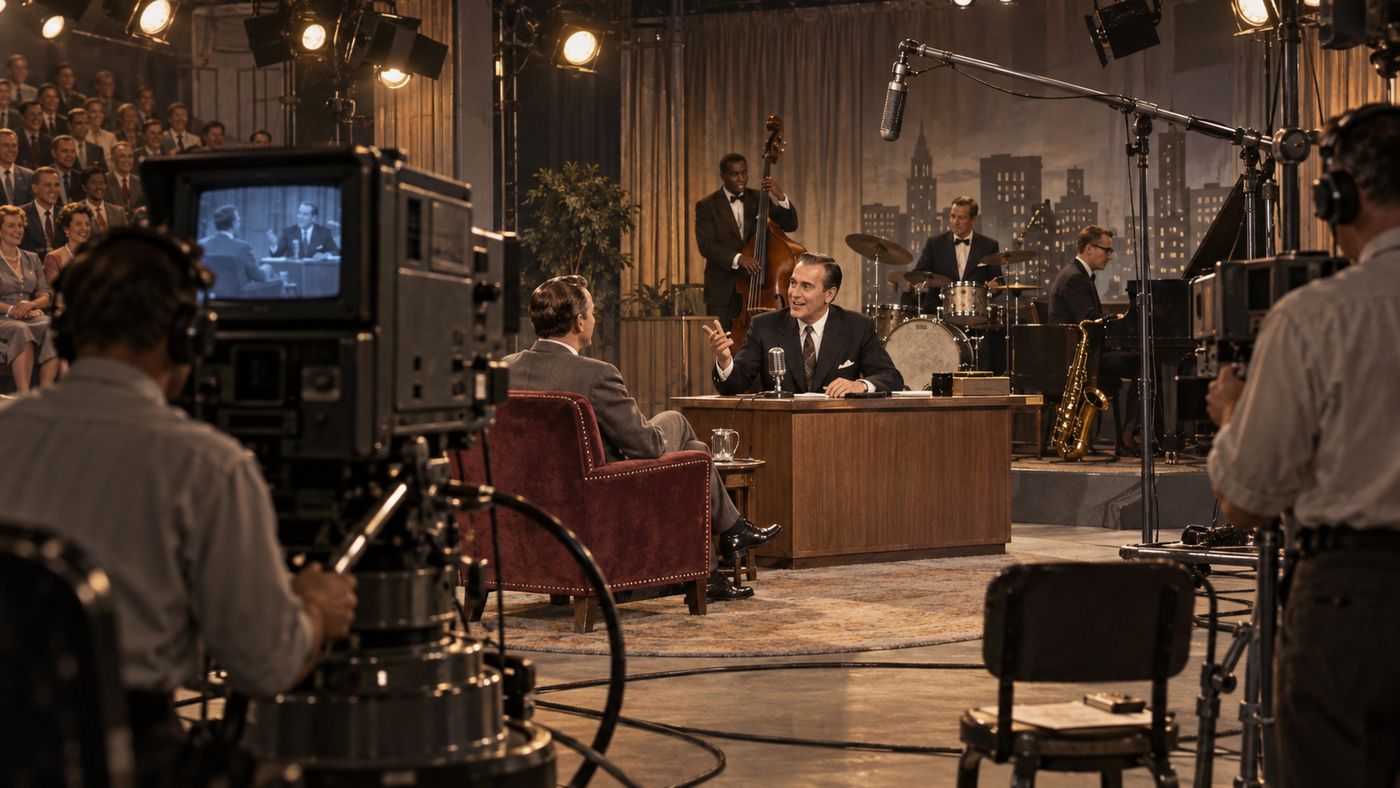
On September 27, 1954, NBC premiered Tonight! — hosted by comedian, musician, and improviser Steve Allen from the Hudson Theatre in New York — filling the late-evening hours after the network's regular programming with a live show that combined topical comedy, celebrity interviews, musical performances, and the kind of spontaneous, audience-interactive humor that Allen had been developing in local television. The show was ninety minutes of programming at a time when most television executives considered the late-night hours too marginal to justify the investment; Allen's energy, musical talent, and willingness to do almost anything for a laugh made the format work from the first broadcast. The show's running bits — Allen reading letters from viewers in comic voices, walking out into the street to interact with passersby, dropping into an outdoor swimming pool while playing the piano — established a template of topical, personality-driven live television that would define the format for seven decades.
The show that Steve Allen launched on September 27, 1954, became The Tonight Show — the longest-running entertainment program in American television history, still in production under its current host more than seventy years after the first broadcast. Allen hosted until 1957, followed by Jack Paar, whose emotional and politically engaged style transformed the show's tone; Johnny Carson, whose thirty-year tenure from 1962 to 1992 made The Tonight Show a cultural institution and its host one of the most powerful figures in American entertainment; Jay Leno, Conan O'Brien, Jay Leno again, and Jimmy Fallon, who has hosted since 2014. The format Allen invented — the monologue, the desk, the band, the celebrity interview, the comedy segment — has been replicated by Late Show, Late Night, The Daily Show, Conan, and dozens of successors who have adapted his structure while developing their own voices. Late-night television as a genre did not exist before September 27, 1954. Everything in it since has been working with, against, or through the template Steve Allen built on that first night.