November 7: Magic's Announcement, the Night That Wouldn't End
Some November 7ths ask more of us than others. In 1991, a man walked to a podium at the Forum in Inglewood, California, and said something that required enormous courage to say — and that changed, overnight, the way millions of Americans thought about a disease they had been encouraged to believe was someone else's problem. Nine years later, an election night that was supposed to deliver a verdict delivered something else entirely: a former First Lady walking into the Senate for the first time, and a presidential race that the networks called, uncalled, and called again before deciding they had no idea — a night that would stretch into thirty-six days and end in a Supreme Court chamber rather than a voting booth.
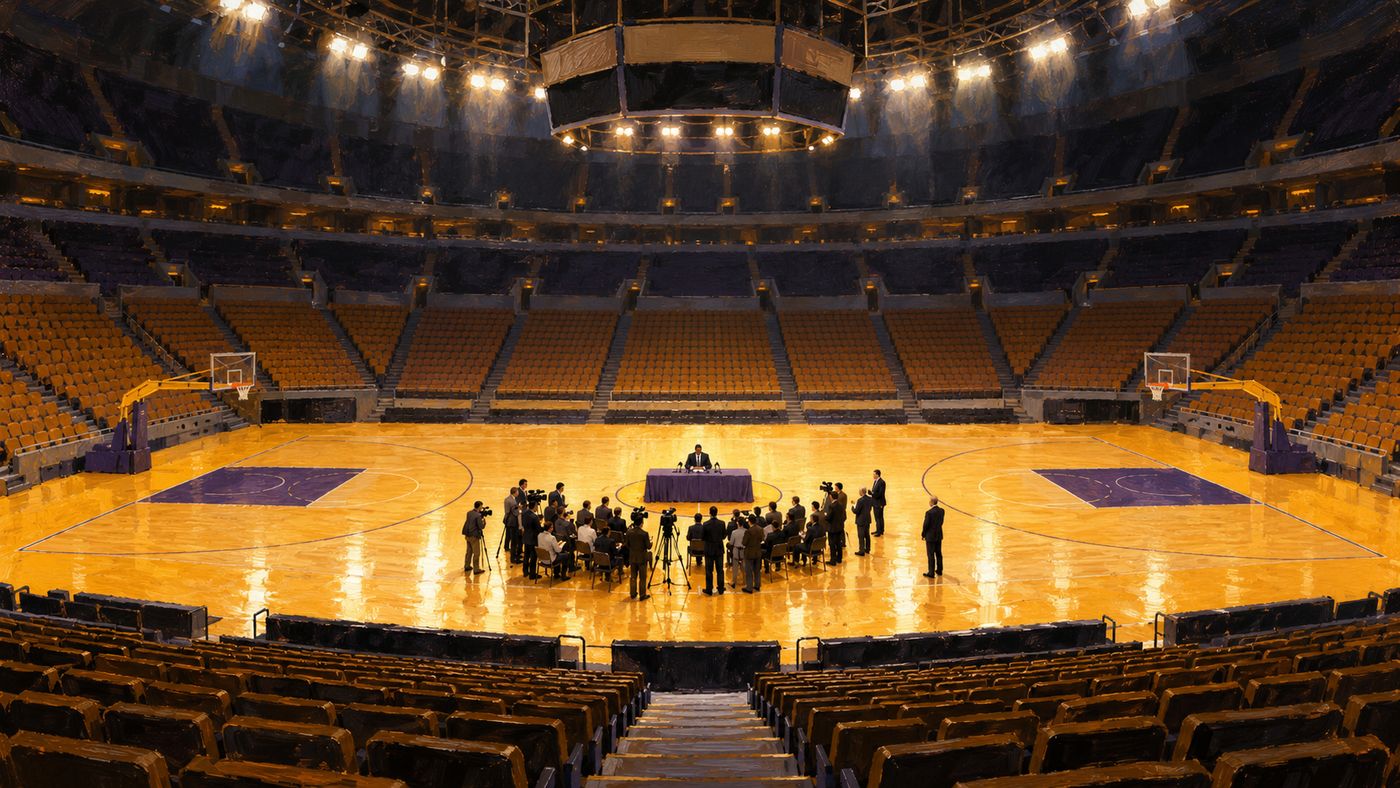
The Press Conference
On November 7, 1991, Earvin "Magic" Johnson stood before reporters at the Great Western Forum in Inglewood, California, and announced that he had tested HIV-positive and would be retiring from professional basketball immediately. He was thirty-two years old, at the peak of his powers, a five-time NBA champion and three-time league MVP who had transformed the point guard position and, with his rival Larry Bird, rescued a league that had been struggling commercially in the late 1970s. The announcement was received with the particular shock of something that contradicts a fundamental assumption: HIV/AIDS had been framed, in the American public conversation of the 1980s, as a disease of gay men and intravenous drug users. Magic Johnson was neither. His diagnosis forced a reckoning with the reality that a virus does not sort by identity.
Johnson's press conference did not simply inform — it transformed. Donations to AIDS research organizations surged in the days that followed. Calls to HIV testing hotlines increased dramatically. The conversation about AIDS in schools, workplaces, and homes that had been delayed for a decade by stigma and willful ignorance could no longer be avoided. Johnson himself became one of the most visible advocates for HIV awareness and safe sex education, serving briefly on President George H.W. Bush's AIDS commission before resigning in frustration over the administration's inadequate response. He returned to the NBA in 1992 for the All-Star Game and played on the United States Olympic "Dream Team" that summer. He attempted a full comeback with the Lakers in 1996 and played thirty-two games before retiring again at thirty-six. He has lived with HIV for more than three decades, his health sustained by the antiretroviral medications that the AIDS advocacy movement — in which his announcement played a galvanizing role — helped bring to wider availability. The press conference he gave on November 7, 1991 is credited by public health researchers with measurably changing American behavior around HIV prevention.
Election Night, 2000
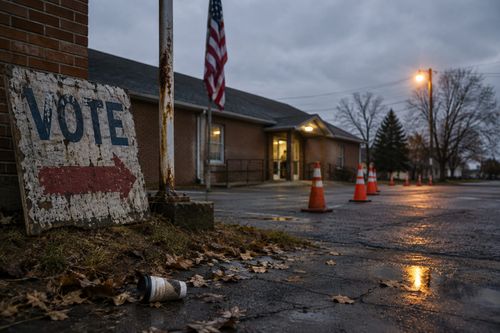
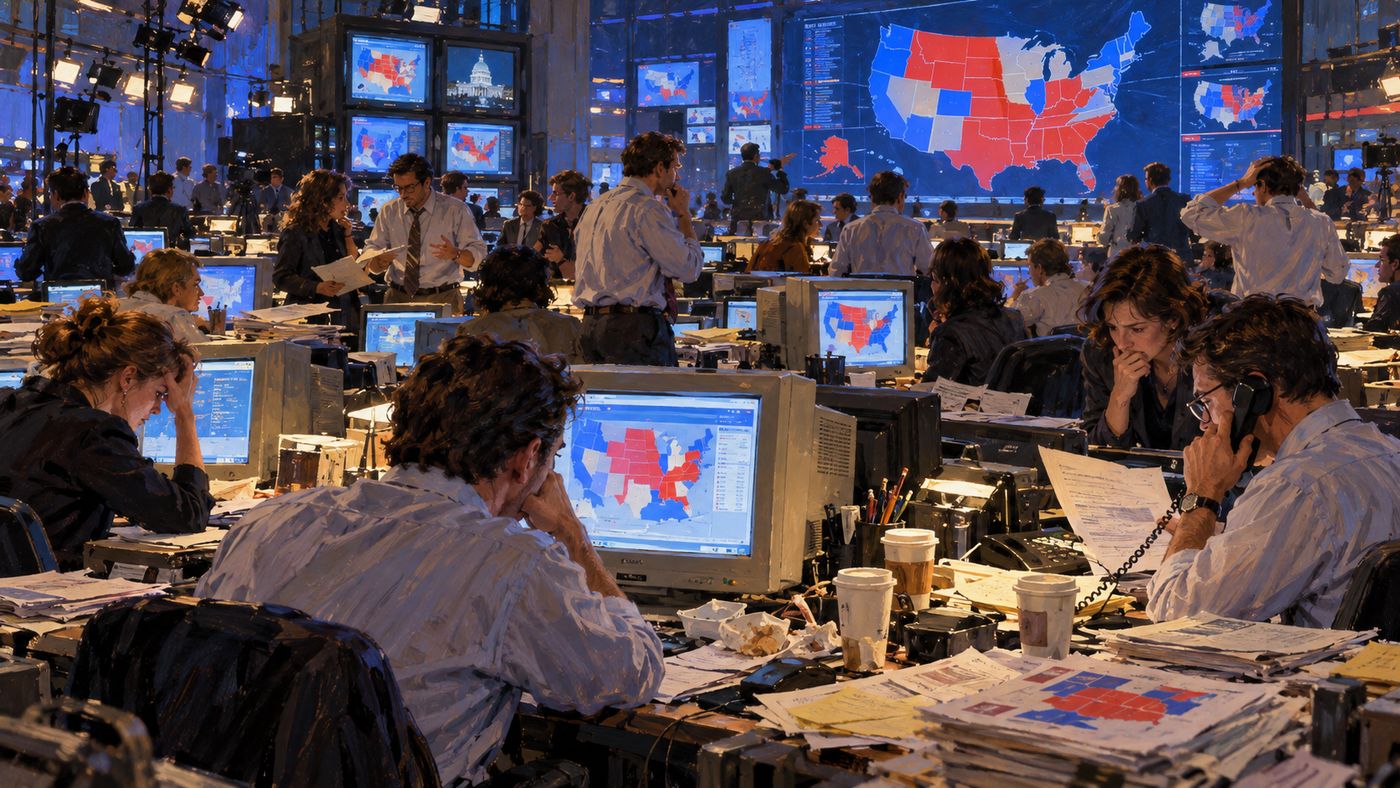
On November 7, 2000, Americans went to the polls to choose between Vice President Al Gore and Texas Governor George W. Bush — and the evening that followed became one of the most extraordinary nights in the history of American electoral politics. As results came in from across the country, it became clear that the race was historically close, with the outcome depending on Florida's twenty-five electoral votes. The networks called Florida for Gore early in the evening, then retracted the call. They called it for Bush after midnight, then retracted that call too. By the early hours of November 8, with the race still undecided and Florida too close to call, the nation went to sleep not knowing who its next president would be. It would not know for thirty-six days.
What that same election night also produced, in the quieter register of a Senate race in New York, was a different kind of history. Hillary Rodham Clinton — former First Lady, Yale-trained attorney, and first-term political candidate who had moved to New York specifically to run for the seat being vacated by Daniel Patrick Moynihan — defeated Republican Rick Lazio by twelve percentage points to become the first former First Lady elected to the United States Senate. Clinton had entered the race as a celebrity candidate with no record of elected office and had faced predictable questions about her carpetbagging residency and the appropriateness of her ambitions. She won decisively. The race for the White House that night may have ended in legal chaos and a Supreme Court decision, but the race for a Senate seat in New York ended clearly, and with a result that would shape American politics for the following quarter century. The same evening that produced the most contested presidential election in modern history also produced, without quite as much fanfare, a senator who would run for president twice herself.
Thirty-Six Days
The Florida recount that followed election night 2000 became a national obsession and a constitutional stress test. With Bush leading Gore by a margin that shrank with every recount — ultimately to 537 votes out of nearly six million cast in Florida — the question of which ballots to count, how to count them, and who had the authority to make those decisions wound through Florida's county canvassing boards, its state courts, its Supreme Court, and ultimately to the United States Supreme Court. Terms that had been the province of election administrators — hanging chad, butterfly ballot, undervote — entered the national vocabulary. Armies of lawyers descended on Florida. The world watched with a mixture of fascination and alarm as the most powerful democracy on earth appeared unable to determine who had won its most important election.
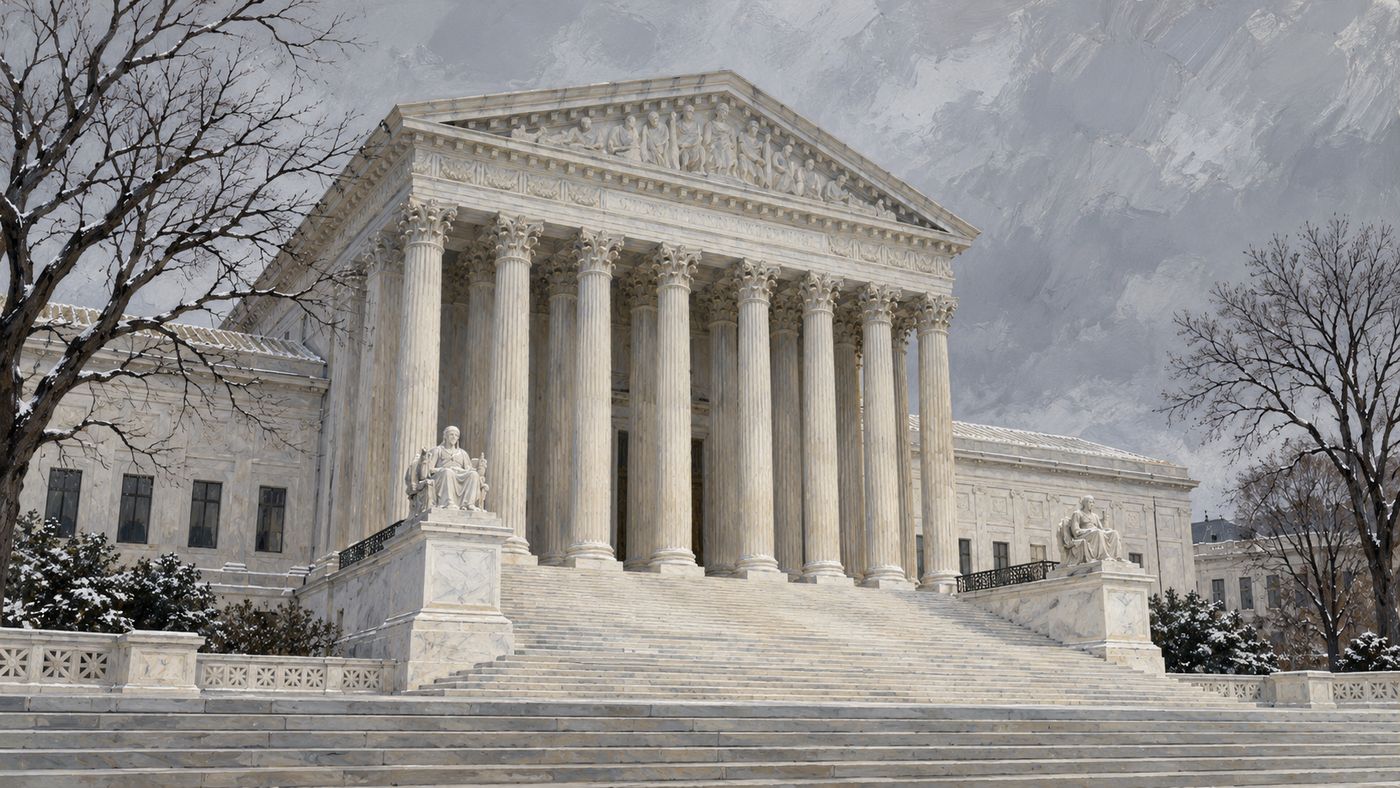
On December 12, 2000 — thirty-six days after election night — the Supreme Court issued its 5-4 decision in Bush v. Gore, halting the Florida recount and effectively handing the presidency to George W. Bush. Al Gore, who had won the national popular vote by more than 500,000 votes, conceded the following day in a speech that called for unity and accepted the Court's ruling as final. The legal and political arguments about what happened in Florida in November and December of 2000 — about the butterfly ballot design that may have cost Gore thousands of votes in Palm Beach County, about the differing standards applied to ballots in different counties, about the Court's unprecedented intervention in an election dispute — have continued ever since. What is beyond dispute is that the night of November 7, 2000 produced an outcome that thirty-six days of lawyers, judges, and chad-examiners could not fully resolve — and that the presidency it ultimately awarded shaped the first decade of the twenty-first century.