September 25: A Conquistador's View, a Champion Falls in Two Minutes, and the King of Golf Says Goodbye
September 25 is a day for horizons — for the moment when you reach the top and see what no one on your side of the world has seen before, or for the moment when everything you worked toward comes undone in two minutes and six seconds, or for the quieter ending of a long and extraordinary career whose influence persisted long past the final round. In 1513, a Spanish conquistador stood on a peak in Panama and became the first European to see the Pacific Ocean — and the world's geography, in the minds of those who would hear his report, was never quite the same again. In 1962, the most feared fighter in boxing walked into a ring in Chicago and ended the championship reign of the man considered unbeatable in a fight that lasted barely long enough to establish what had happened. And in 2016, golf lost the man who had done more than any other to make it a sport that ordinary people cared about. Three September twenty-fifths. Three arrivals at the edge of something vast.
The South Sea
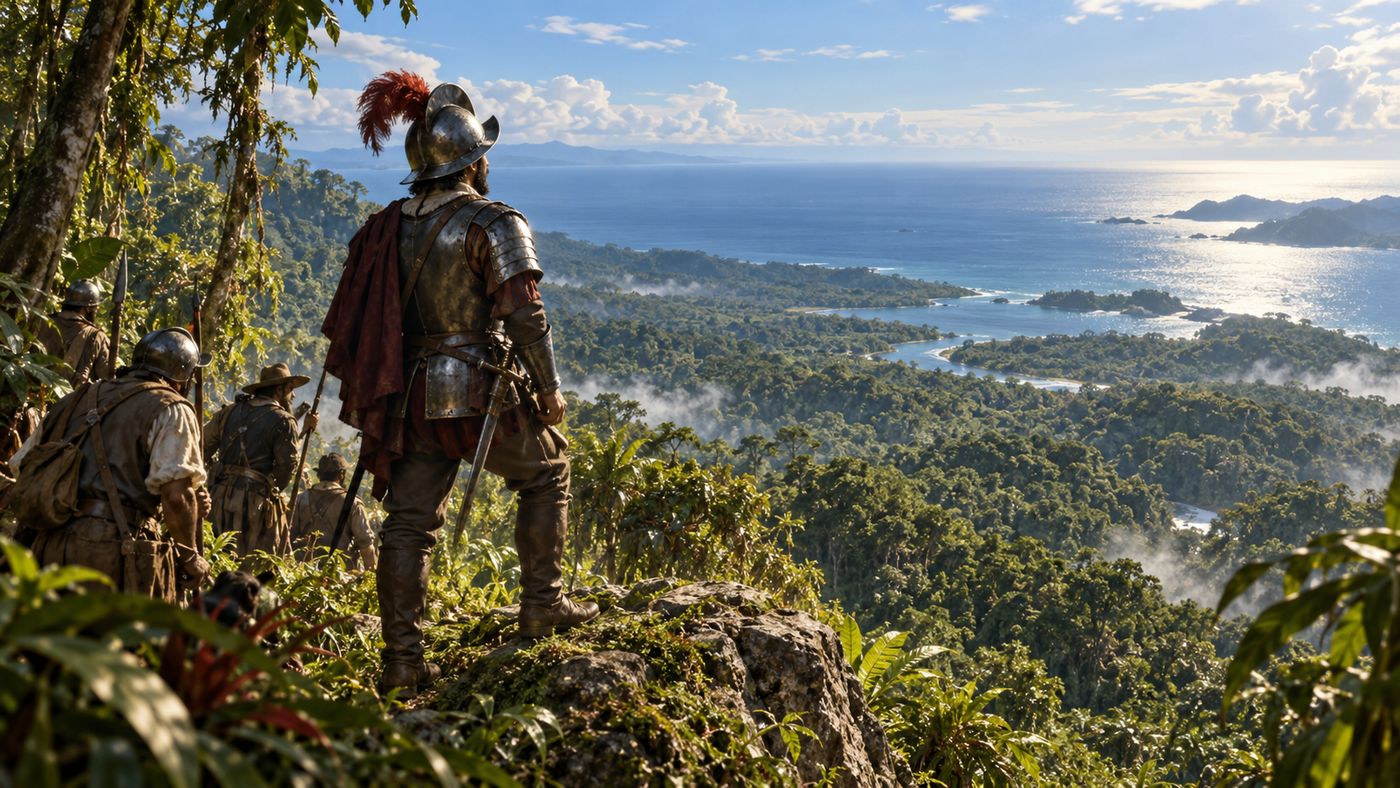
On September 25, 1513, Vasco Núñez de Balboa reached the summit of a peak in the Darién region of what is now Panama and became the first European to see the Pacific Ocean from the American continent — an ocean that Europeans had not known existed until a generation earlier, and that the sight of now made the full scope of the world suddenly, vertiginously clear. Balboa had led an expedition of approximately 190 Spaniards and several hundred Indigenous guides and bearers across the Isthmus of Panama over twenty-five brutal days, fighting through dense tropical jungle, navigating rivers, dealing with disease, and overcoming armed resistance from several Indigenous groups encountered along the way. He had heard, from Indigenous informants, that a great sea lay to the south and that beyond it were lands of extraordinary gold — information that drove him across the isthmus with enough urgency to attempt the crossing despite the conditions. What he saw from the summit on September 25 confirmed everything he had been told and overturned everything Europeans thought they knew about the shape of the world.
The view from the Darien summit on September 25, 1513, had consequences that Balboa could not have fully anticipated. He descended to the Pacific's shore, waded in fully armored, and formally claimed the ocean and all lands touching it for the Spanish Crown — an act of remarkable audacity given that neither he nor anyone in Europe had any idea how large the ocean was or what lands bordered it. The discovery transformed European understanding of global geography: it established definitively that the Americas were not Asia, as Columbus had believed, and that a vast ocean separated the New World from the spice islands and China that European navigators had been seeking. It opened the conceptual possibility of a passage around or through the Americas to Asia that drove decades of subsequent exploration. And it established the Spanish claim to the Pacific that would be contested by Magellan's circumnavigation a decade later and by the subsequent rivalries of the age of exploration. Balboa himself did not live to see most of this: he was arrested on charges of treason by a rival Spanish governor, tried, and beheaded in 1519 — six years after his moment on the summit.
Two Minutes and Six Seconds
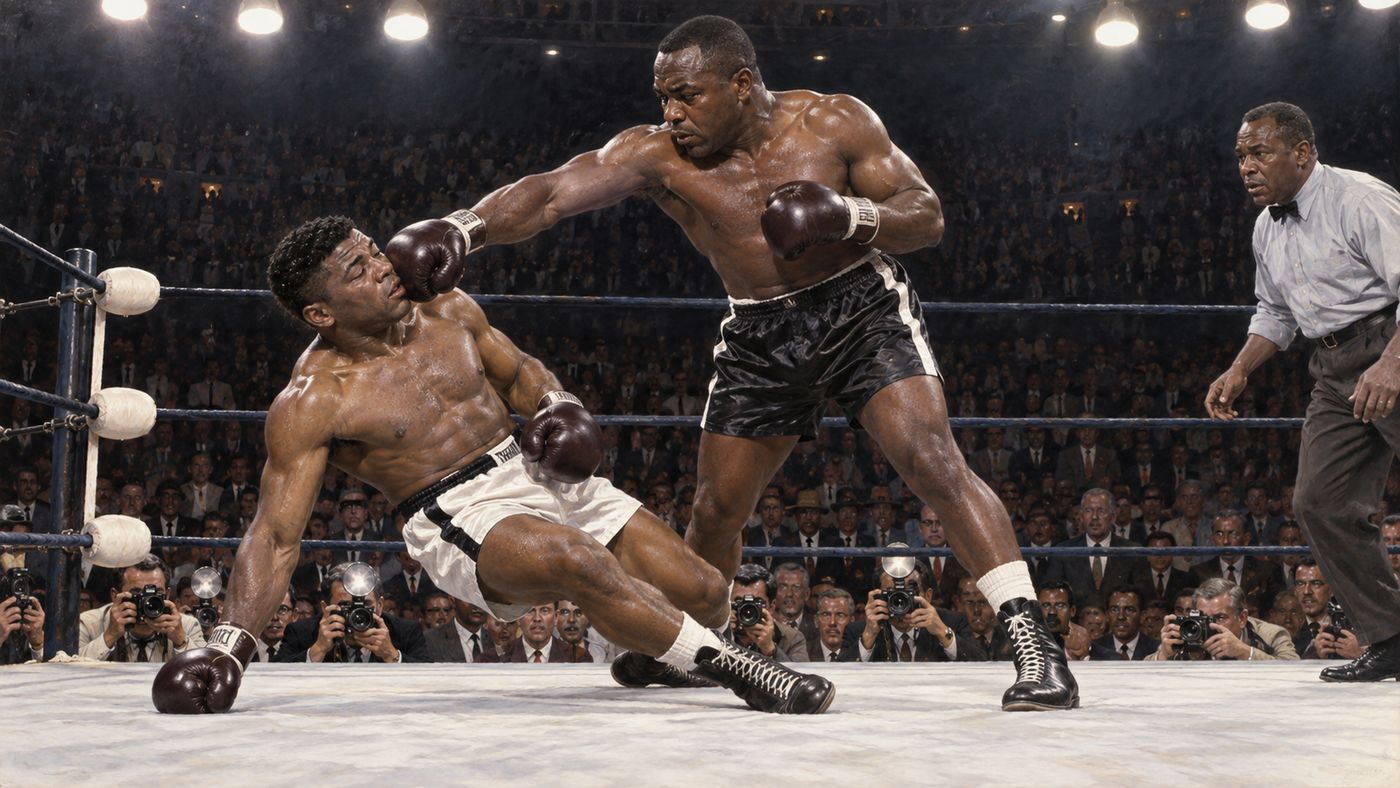
On September 25, 1962, Sonny Liston knocked out Floyd Patterson in the first round of their heavyweight championship fight at Comiskey Park in Chicago — the bout lasting two minutes and six seconds from the opening bell to Patterson's collapse, making it one of the shortest and most shocking heavyweight title fights in the sport's history. Patterson had been the reigning champion since 1956, when he became the youngest heavyweight champion ever at twenty-one, and had regained the title from Ingemar Johansson in 1960, becoming the first man in history to regain the heavyweight championship. He had resisted fighting Liston for years, and much of the boxing establishment had shared his reluctance: Liston was widely regarded as the most dangerous fighter alive, a physical specimen of extraordinary power with a left jab that had demolished everyone who had faced him, and a background and demeanor that made boxing's promotional apparatus nervous about his representing the sport. The fight that finally happened on September 25, 1962, was as one-sided as the most pessimistic predictions had suggested.
Sonny Liston's victory on September 25, 1962, made him the heavyweight champion of the world and the most feared man in boxing — a reign that would last less than two years before a young fighter named Cassius Clay walked into the ring in Miami in February 1964 and did to Liston what Liston had done to Patterson. The Clay fight, which we covered in our February 25 post, produced one of the most famous upsets in boxing history; Liston failed to answer the bell for the seventh round, claiming a shoulder injury, and Clay — who would soon become Muhammad Ali — took the championship. Liston and Patterson rematched on July 22, 1963, in Las Vegas; the result was a knockout four seconds faster than the original, which set a record for the shortest heavyweight title fight. Liston died in Las Vegas in December 1970 under circumstances that were officially ruled an overdose but that have never been definitively established. The fighter who destroyed Floyd Patterson in two minutes and six seconds on September 25, 1962, remains one of the most powerful and most tragic figures in boxing history.
The King
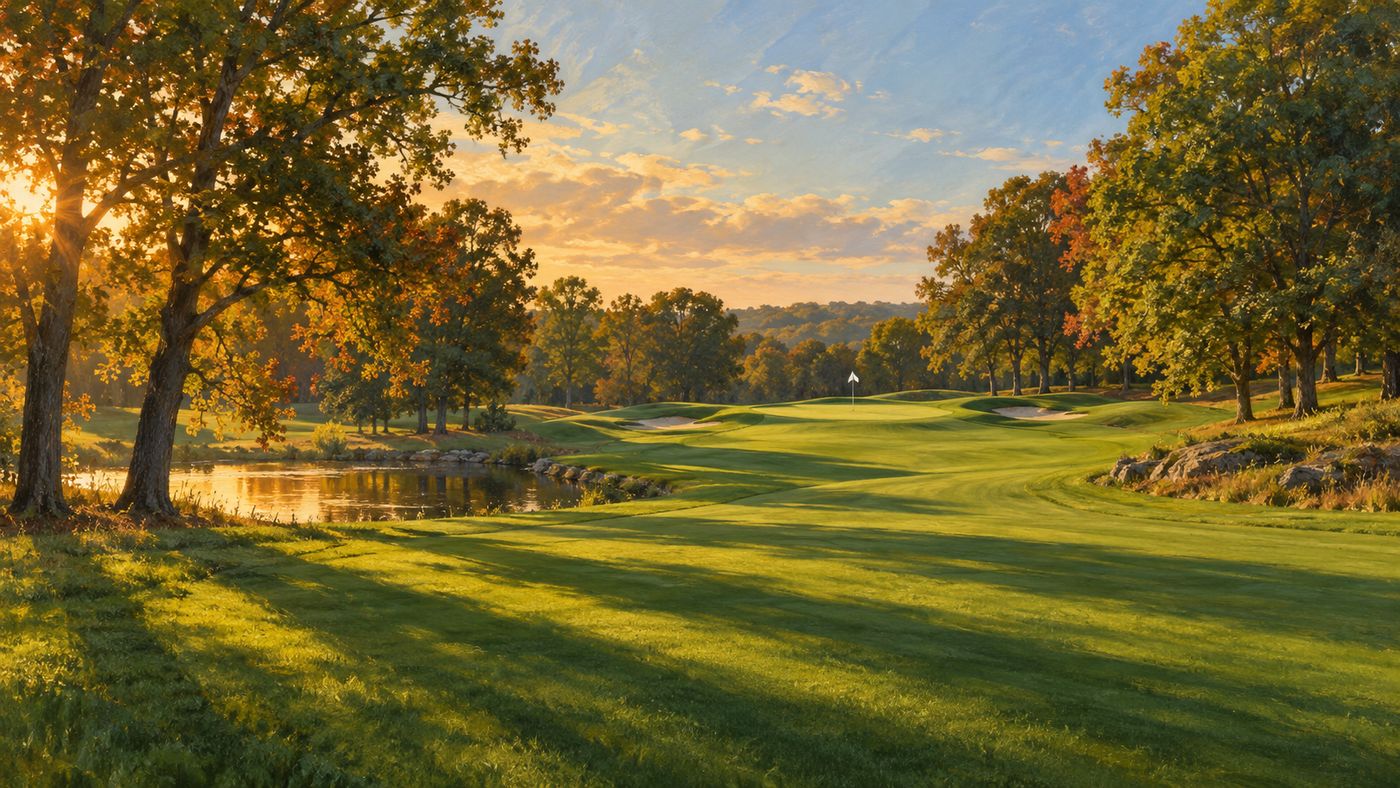
On September 25, 2016, Arnold Palmer died in Pittsburgh, Pennsylvania, at the age of eighty-seven — ending a life that had transformed professional golf from a niche sport of the upper class into a mass-audience television event and in doing so changed the sport permanently. Palmer had won seven major championships between 1954 and 1964 — four Masters titles, one US Open, and two Open Championships — and had been the dominant player of his era, known for an aggressive, go-for-it style of play that contrasted with the conservative golf of his contemporaries and that made him far more entertaining to watch. His connection with his gallery — "Arnie's Army," the devoted fans who followed him from hole to hole — was genuine and mutual in a way that no golfer before him had quite managed. He was the first golfer to earn $1 million in prize money and the first to earn $1 million in a single season.
The death of Arnold Palmer on September 25, 2016, was mourned by a golf world that had grown up in the landscape he had shaped. His impact on the sport extended well beyond his playing record: he was among the first athletes to understand that the relationship between sports and television was transformational, and he worked actively with the television networks to make golf accessible to audiences who had never been to a golf course. He co-founded the Golf Channel in 1995. The Arnold Palmer Invitational remains one of the tour's most prestigious events. And the Arnold Palmer — the nonalcoholic drink of half iced tea and half lemonade that he reportedly ordered habitually and that a server at a Palm Springs restaurant named after him — has sold in the hundreds of millions of cans under a licensed brand and is now one of the most recognized beverage names in American popular culture. The golfer who died on September 25, 2016, made a sport that had been played in exclusive clubs accessible to the people watching on television, and those people never forgot it.