August 19: Three Men Walk Free, Four Men Take the Stage, and a Track Opens Its Gates
August 19 holds three stories about what it means to finally arrive somewhere — after years, after decades, after a long road that should never have been as long as it was. In 2011, three men who had spent eighteen years in an Arkansas prison for murders they had consistently maintained they did not commit walked out of a courthouse and into the sunlight, freed through a legal maneuver that allowed them to maintain their innocence while the system quietly avoided acknowledging its failures. Forty-seven years earlier, four young men from Liverpool took the stage at a San Francisco arena and launched the American concert tour that turned a television sensation into a genuine cultural transformation. And in 1909, on a newly built oval outside Indianapolis, the automobile put itself on display as sport — at considerable cost, on a surface that almost immediately proved dangerous, in a competition that planted the seed of what would become one of the most storied venues in motorsport history. Three arrivals. Three August nineteenth starting points.
18 Years
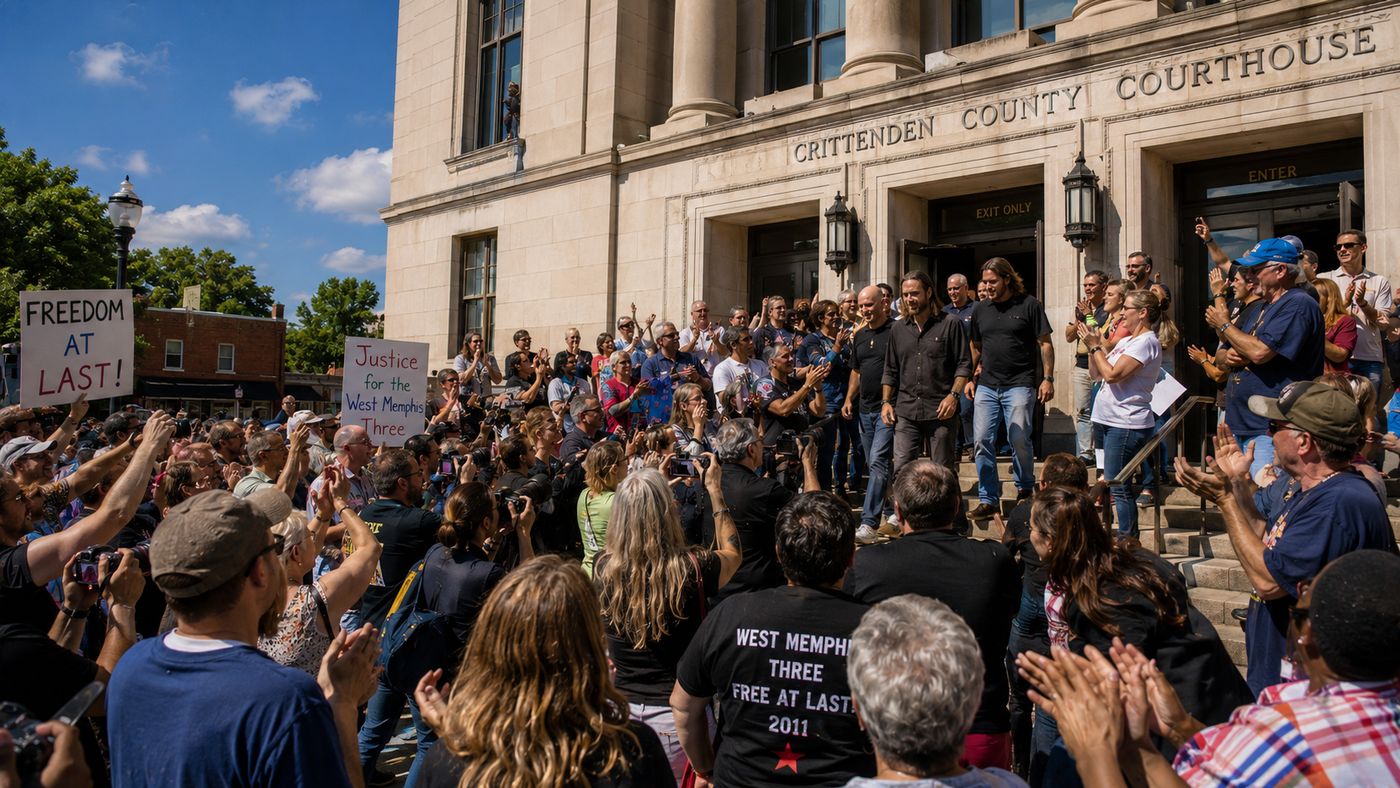
On August 19, 2011, Damien Echols, Jason Baldwin, and Jessie Misskelley Jr. — who had been convicted in 1994 for the murders of three eight-year-old boys in West Memphis, Arkansas, and had collectively spent eighteen years in prison, with Echols on death row — walked out of a Jonesboro courthouse as free men. Their release came through an Alford plea, an unusual legal mechanism by which a defendant pleads guilty while explicitly maintaining their innocence, acknowledging only that the prosecution has enough evidence to convict. The plea allowed the Arkansas judicial system to resolve the case without formally acknowledging the possibility of wrongful conviction. The three men accepted it because Echols was facing execution and because the alternative — remaining incarcerated while pursuing appeals through a system that had already failed them once — was untenable. They had not committed the crimes for which they were imprisoned. Getting out required saying something that implied otherwise.
The West Memphis Three case had become one of the most extensively documented miscarriages of justice in American legal history. The original investigation in 1993 focused on Echols, Baldwin, and Misskelley — teenage boys associated with heavy metal music and non-mainstream interests, in a community that associated those characteristics with Satanic influence — without physical evidence linking them to the crime scene. The prosecution relied primarily on a confession extracted from Misskelley after twelve hours of interrogation, which contained factual errors about the murders; Misskelley immediately recanted. DNA evidence eventually tested from the crime scene matched none of the three convicted men but was consistent with the stepfather of one of the victims. The case drew national attention through documentaries and advocacy by musicians and filmmakers, and the resulting pressure on the Arkansas legal system contributed to the eventual resolution. As of this writing, no one has been charged with the murders of Steve Branch, Michael Moore, and Christopher Byers. The three boys for whom justice was supposedly served in 1994 have never had justice served at all.
Beatlemania, Live
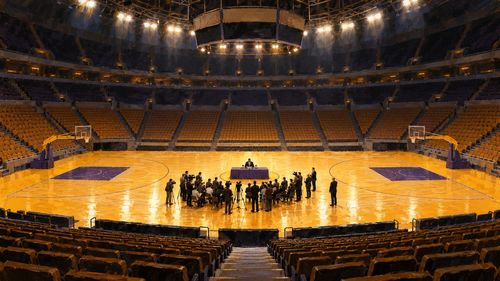
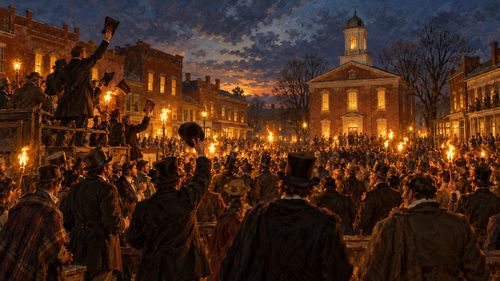
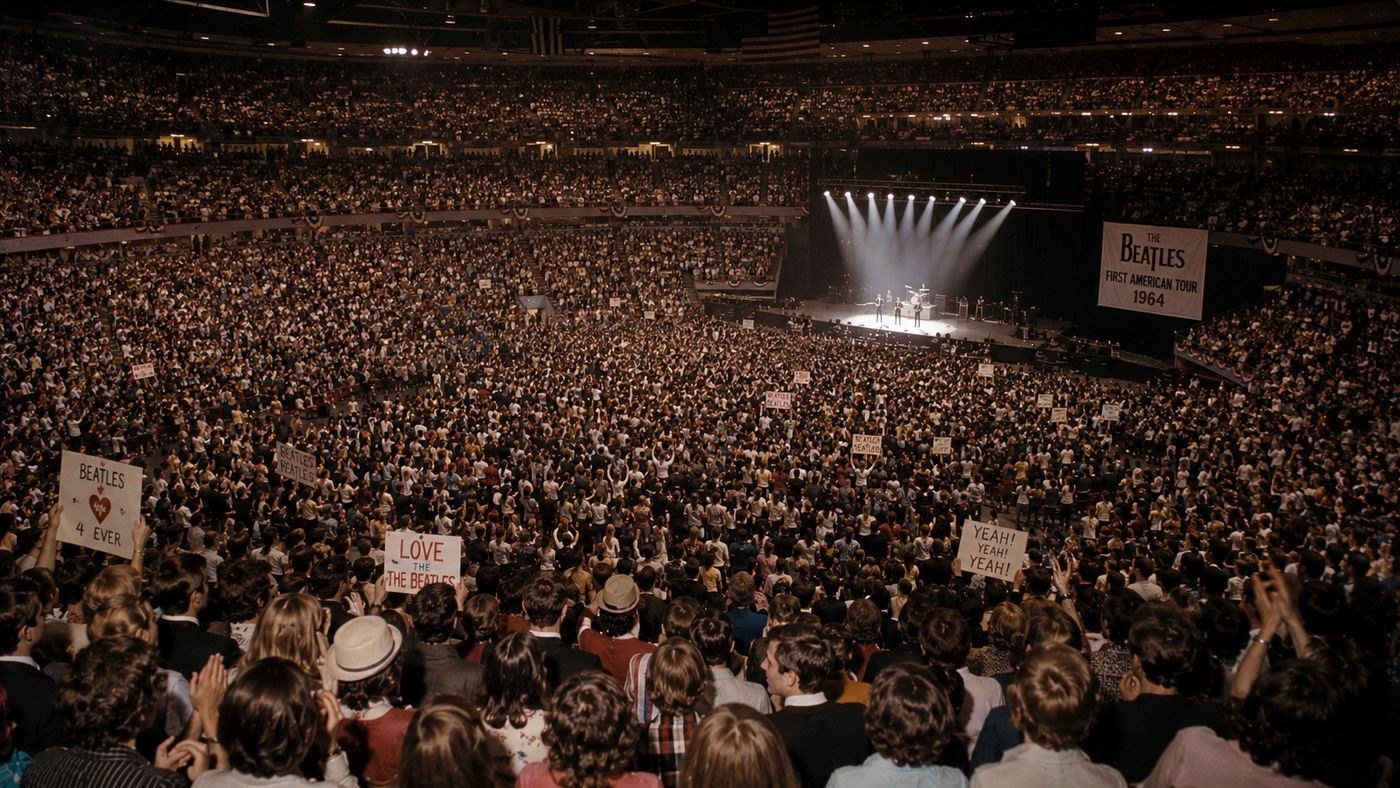
On August 19, 1964, the Beatles took the stage at the Cow Palace in San Francisco before 17,000 screaming fans and launched their first major American concert tour — a 25-city, 32-concert run that would take them from San Francisco to New York over the course of a month and establish the template for the modern stadium rock tour. The band had first arrived in the United States in February 1964, for their appearances on The Ed Sullivan Show that drew an estimated 73 million viewers and made Beatlemania a national phenomenon almost instantaneously. The August tour was different in kind: longer, more geographically comprehensive, and organized around the concert hall rather than the television studio, it demonstrated that the demand for the Beatles in person matched or exceeded the demand for them on screen. At many venues, the screaming from the crowd was so loud that the band could not hear themselves play.
The tour that began in San Francisco on August 19, 1964, helped transform what a rock tour could be — in scale, in organization, and in cultural impact. It also helped accelerate the evolution of the Beatles themselves: the exhaustion and isolation of constant touring, the inability to hear their own music over the noise of the crowd, and the growing sophistication of their studio ambitions combined to push them toward the decision, by 1966, to stop touring entirely and focus on recording. Their final concert was at Candlestick Park in San Francisco — the same Bay Area where the American touring chapter had opened in 1964. The band that stopped touring in 1966 went on to record Sgt. Pepper's Lonely Hearts Club Band, The White Album, Abbey Road, and Let It Be — a run of studio albums that could not have existed if the band had continued touring. What began at the Cow Palace on August 19, 1964, ended, indirectly, with some of the greatest recordings in popular music history.
The Brickyard
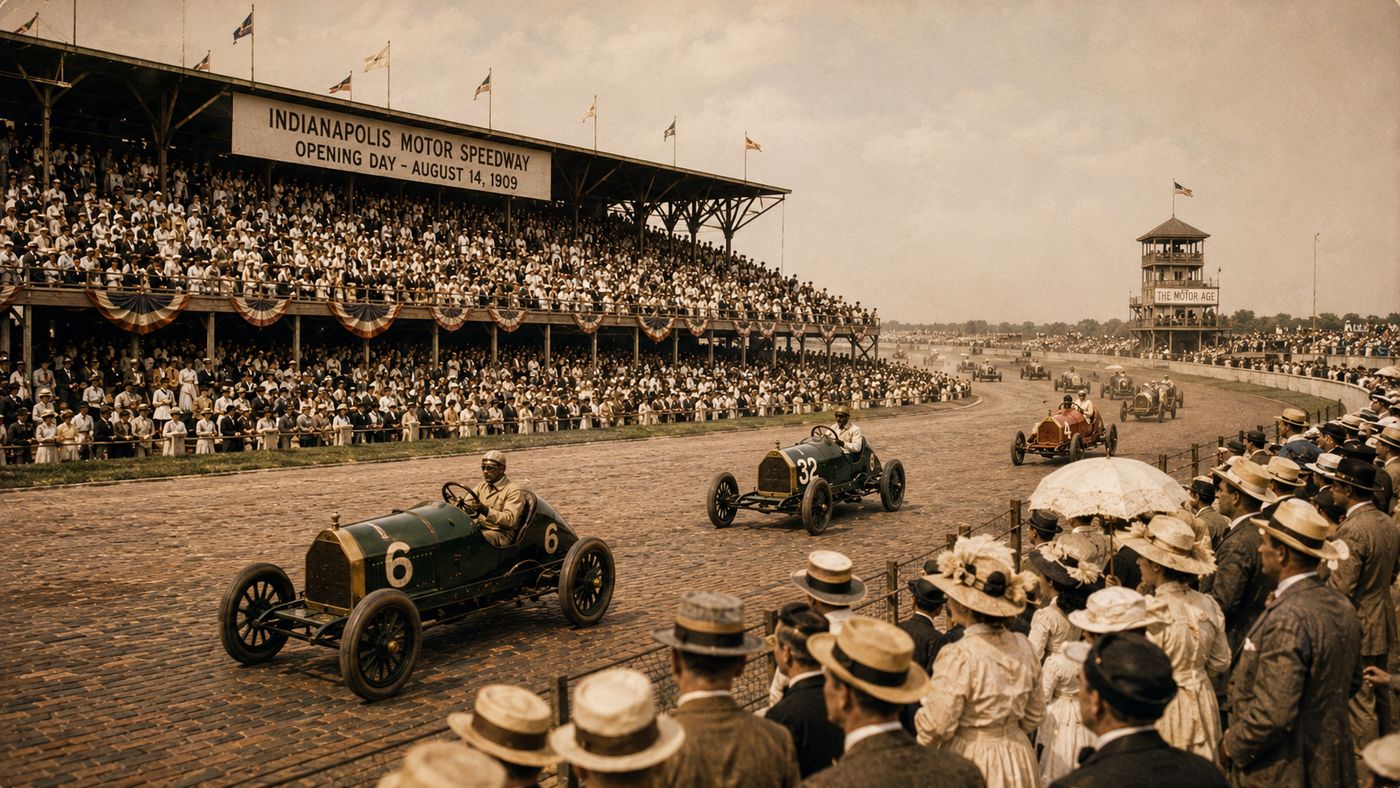
On August 19, 1909, the Indianapolis Motor Speedway held its first automobile race on a newly constructed 2.5-mile rectangular oval in Speedway, Indiana, just outside Indianapolis. The track had been developed by entrepreneur Carl G. Fisher and three business partners with a dual purpose: to provide automobile manufacturers with a controlled testing environment for their vehicles and to create a spectacle that would showcase the rapidly advancing technology of the internal combustion engine to paying audiences. The inaugural races drew significant crowds and substantial press coverage, but the surface — a mixture of crushed stone and tar — proved dangerously unstable under the stress of racing, breaking up under the vehicles' wheels and contributing to accidents and fatalities over the course of the inaugural meet. By the end of the first weekend of racing, it was clear that the track's surface needed to be completely rebuilt.
The solution that Fisher and his partners chose was 3.2 million paving bricks, laid over the tar-and-gravel surface in the fall of 1909 — giving the track both its characteristic look and its enduring nickname, "The Brickyard." The brick surface proved dramatically more stable and became the standard surface until asphalt began to replace it starting in the 1930s; today, only a yard-wide strip of the original bricks remains exposed at the start-finish line, which winning drivers traditionally kiss after the Indianapolis 500. The race that opened on August 19, 1909, on a dangerous surface in front of an enthusiastic crowd was the beginning of a racing tradition that has continued without significant interruption for more than a century. The Indianapolis 500, first run in 1911, is the largest single-day sporting event in the world by attendance. The track that Carl Fisher built on a converted farmland outside Indianapolis has hosted more than a century of motorsport history, beginning on a summer afternoon in 1909 when the first cars went around it and the surface immediately began to fail.