August 15: Half a Million on a Farm, a Canal Opens, and a Man Quits His Job
August 15 is a day for people who chose the harder path. In 1969, what was planned as a commercial music festival became something so much larger than its organizers intended or controlled that it outlasted every concert on its bill and entered American mythology as a defining expression of a generation's values — however imperfectly realized. Fifty-five years before that, a waterway carved through fifty miles of Central American jungle opened to commercial traffic, completing one of the greatest feats of engineering in human history and redrawing the map of global trade in a single afternoon. And in 1899, a man with a good salary, a prestigious employer, and a secure future walked into his boss's office and quit, because the idea in his head was more important to him than the life he had. Three August fifteenths. Three gambles. Three payoffs that took longer than anyone expected but that changed more than anyone had predicted.
Bethel, New York
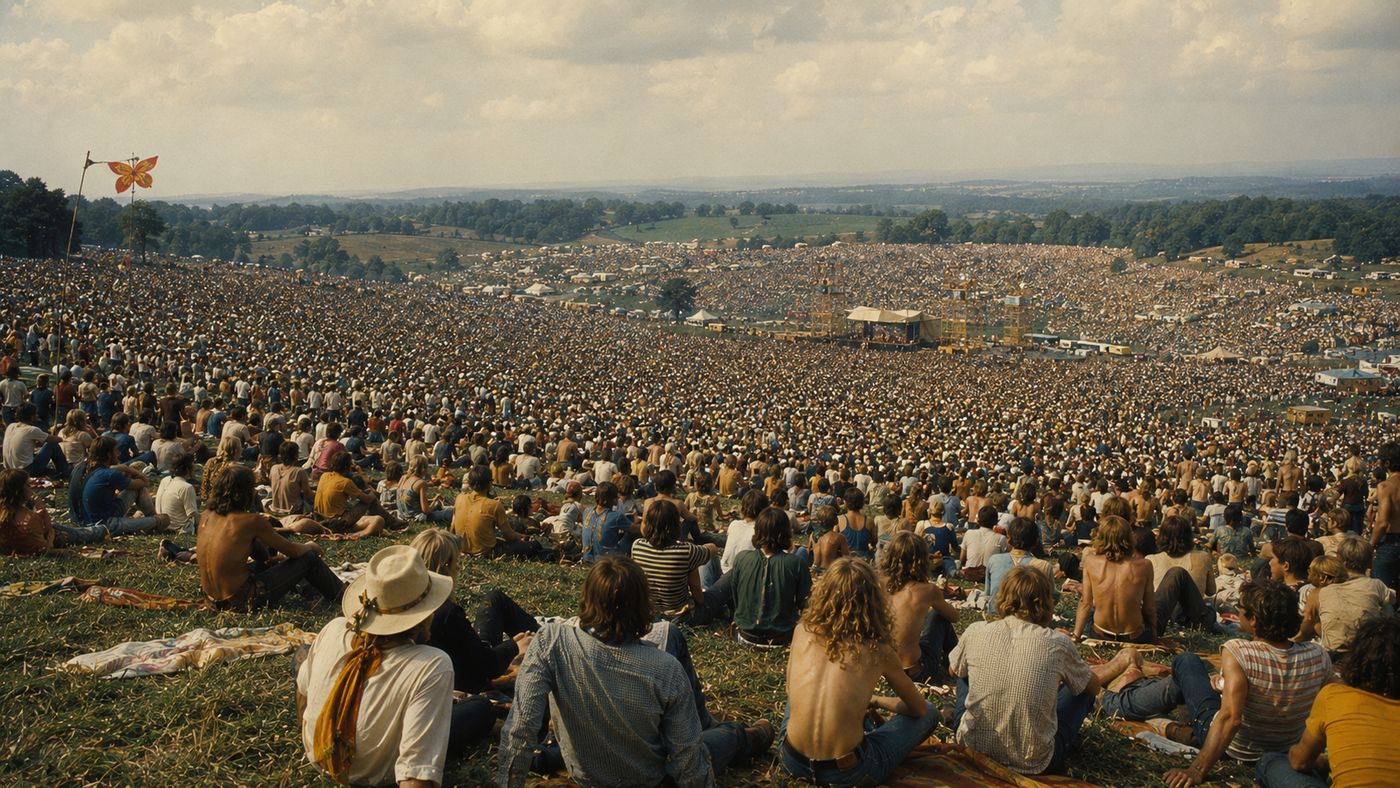
On August 15, 1969, the Woodstock Music and Art Fair opened on Max Yasgur's 600-acre dairy farm in Bethel, New York — nearly fifty miles from the town of Woodstock whose name it carried — and the crowd that arrived was roughly ten times the size that organizers had planned for. Four young entrepreneurs — Michael Lang, Artie Kornfeld, Joel Rosenman, and John Roberts — had conceived the festival as a commercial venture, selling tickets to an anticipated audience of 50,000 people to hear performers including Jimi Hendrix, Janis Joplin, Jefferson Airplane, and the Grateful Dead. What arrived instead was somewhere between 400,000 and 500,000 people, overwhelming the ticketing infrastructure, the food supply, the medical facilities, and the roads leading in and out of the site. The festival was declared a free event on the second day. For three days and nights, an improvised city larger than most American cities existed on a farm in upstate New York, held together by music, mutual aid, and what witnesses consistently described as an atmosphere of remarkable goodwill.
Woodstock has been interpreted and reinterpreted ever since August 15, 1969, as everything from a genuine expression of communal idealism to a commercial myth that concealed the counterculture's contradictions. What is not in dispute is its scale, its peaceful character despite conditions — rain, mud, food shortages, inadequate sanitation — that by any reasonable measure should have produced chaos, and its musical legacy. Performances at Woodstock helped define the careers of nearly every artist who appeared, and the documentary film of the festival became one of the most successful music films in history. Three people died at Woodstock — two of drug overdoses, one from a tractor accident — and three births were reported on the festival grounds during the weekend. The farm that held half a million people now operates as the Bethel Woods Center for the Arts, and the original concert site is a national historic landmark. Woodstock '99, which we covered in July, demonstrated by contrast what happens when those same nominal elements — a festival, an audience, a summer weekend — are assembled without the spirit that had made the first one what it was.
The Cut
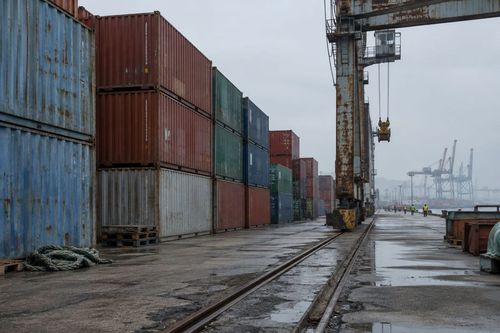
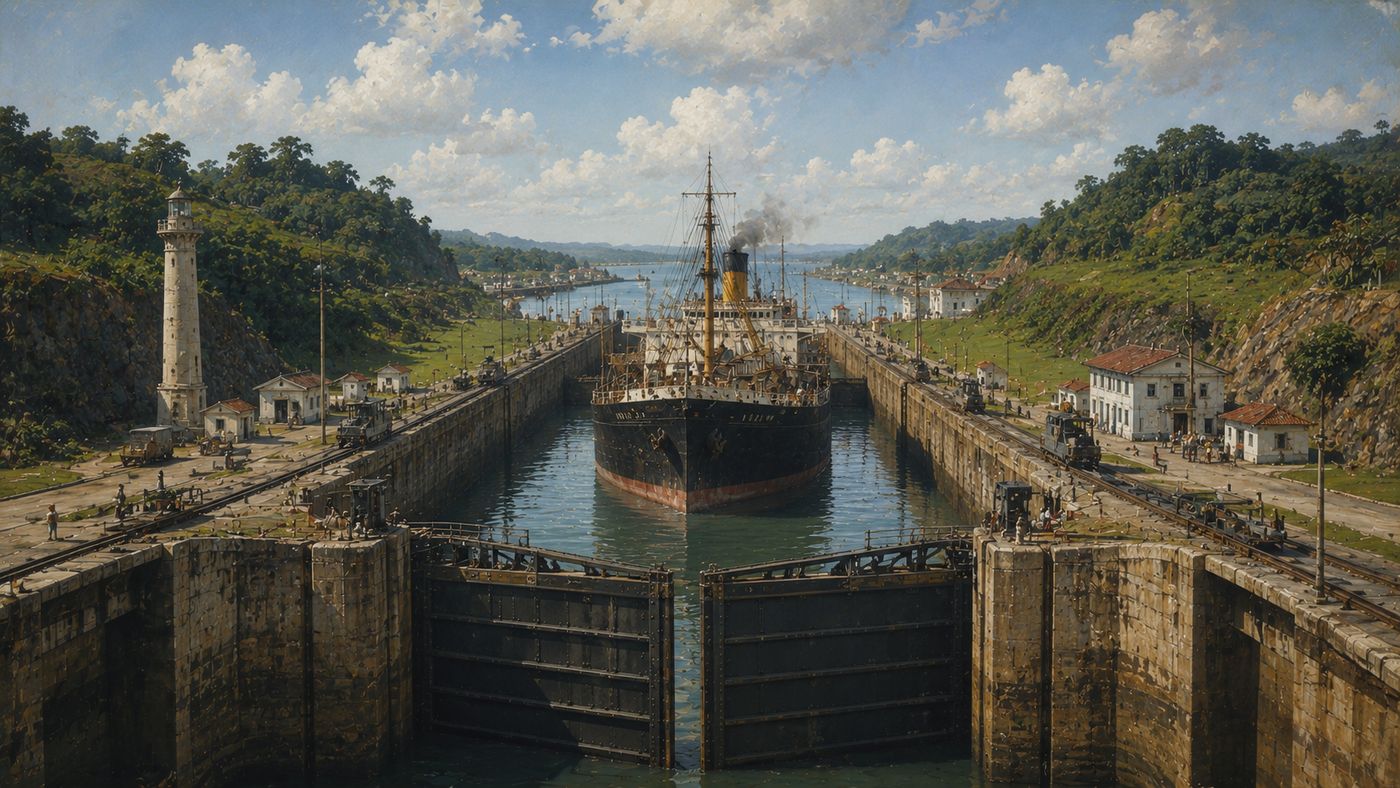
On August 15, 1914, the cargo ship SS Ancon completed the first commercial transit of the Panama Canal, passing through fifty miles of locks, lakes, and excavated channel connecting the Atlantic and Pacific Oceans and completing a project that had consumed more than a decade of American engineering effort and the lives of an estimated 5,600 workers. The canal had been preceded by a failed French effort in the 1880s that had ended in financial collapse and thousands of deaths from malaria and yellow fever, and the American project that followed had required first solving the disease problem — a task accomplished primarily through the work of Dr. William Gorgas, who eliminated the mosquito populations responsible for yellow fever through an unprecedented sanitation campaign — before the actual digging could proceed in earnest. The Culebra Cut, a nine-mile excavation through the Continental Divide, required the removal of an estimated 96 million cubic yards of rock and earth.
The canal that opened on August 15, 1914, immediately transformed global maritime commerce in the ways its planners had envisioned: ships no longer had to navigate the 8,000 additional miles around the southern tip of South America at Cape Horn, one of the most treacherous passages in the world, to move between the Atlantic and Pacific. The journey from New York to San Francisco was shortened by nearly 8,000 miles. The strategic implications for American naval power were equally significant — the U.S. Navy could now move its Atlantic and Pacific fleets between oceans in a matter of days rather than months. The canal remained under American control until the Torrijos-Carter Treaties of 1977 set in motion a gradual transfer to Panama, which assumed full control on December 31, 1999. Panama has since expanded the canal with a third set of locks, opened in 2016, capable of handling the massive container ships that carry the bulk of global trade. The waterway cut through jungle in 1914 carries approximately 14,000 ships and 300 million tons of cargo per year today.
The Resignation
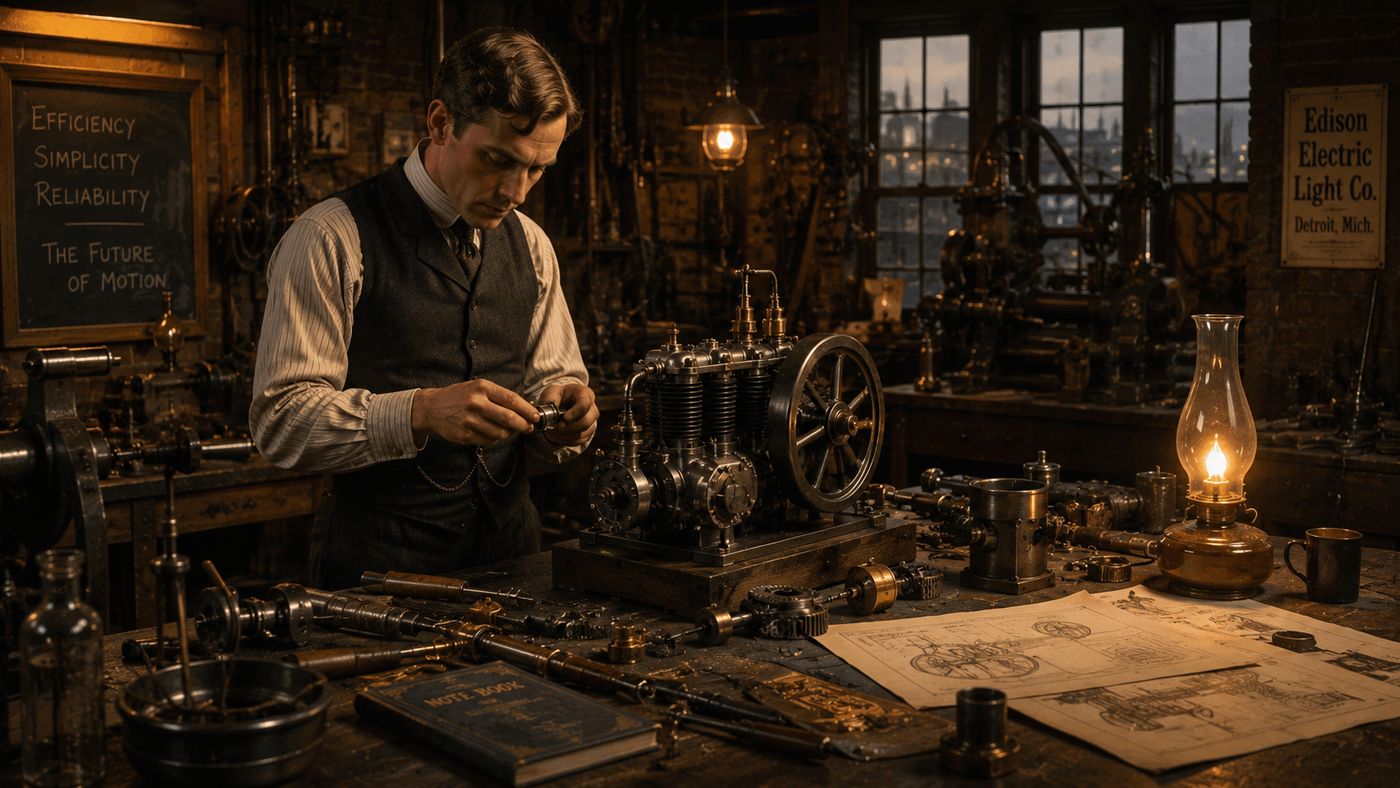
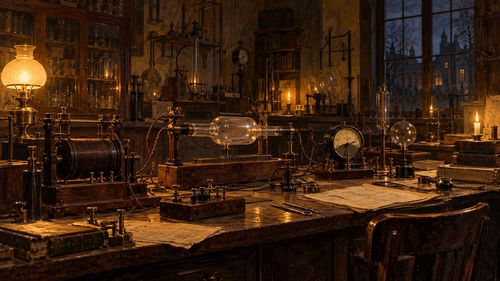
On August 15, 1899, Henry Ford resigned from his position as chief engineer at the Edison Illuminating Company in Detroit — a job he had held for eight years, that paid him a comfortable salary, and that offered the kind of stability and prestige that few people in his position would voluntarily surrender. Ford had been working on gasoline-powered automobiles in his spare time for years, tinkering in a shed behind his house on Bagley Avenue while meeting his professional obligations at Edison. He had built his first functional vehicle, the Quadricycle, in 1896. He had already made one failed attempt to start an automobile company, the Detroit Automobile Company, which had dissolved in 1901. He was thirty-six years old, with a wife and son, when he chose to leave the security of Edison to try again. Thomas Edison himself — who had met Ford and been enthusiastic about his ideas — reportedly told him to give up the gasoline engine and focus on electricity instead. Ford declined the advice and resigned anyway.
The resignation that Ford submitted on August 15, 1899, set in motion a sequence of events that would culminate in the founding of the Ford Motor Company in 1903 — which we covered in the June 16 post — and the introduction of the Model T in 1908, the moving assembly line in 1913, and the complete transformation of American manufacturing, transportation, and daily life. The car that Ford eventually built was not the first automobile, and the company he founded was not the first automobile manufacturer. What distinguished his approach was the conviction — held with unusual stubbornness against all evidence and advice — that the market for an affordable, reliable automobile was not wealthy enthusiasts but ordinary working people, and that serving that market required building a production system that no one had yet imagined. That conviction was worth more than the salary he gave up on August 15, 1899. It turned out to be worth considerably more.