August 12: Bones in the Badlands, a Jailbreak in Birmingham, and 32 Minutes Over Japan
August 12 is a day for the unexpected. In 1990, a fossil hunter walking a South Dakota badlands ridge she almost didn't visit found what turned out to be the most complete Tyrannosaurus rex skeleton ever discovered — the kind of find that comes once in a career, if at all, and that changed what scientists understood about the largest land predator that ever lived. In 1964, a gang of professional criminals pulled off one of the most audacious prison breaks in British history, extracting a man from a maximum-security facility in under three minutes and disappearing before authorities could respond. And in 1985, the crew of a Japanese commercial airliner fought for thirty-two minutes to keep a mortally wounded aircraft in the air, unable to save it but refusing to stop trying, in a tragedy that remains the deadliest single-plane accident in the history of aviation. Three August twelfths. Three encounters with the limits of what human beings can do — and one reminder of what they will attempt anyway.
Sue
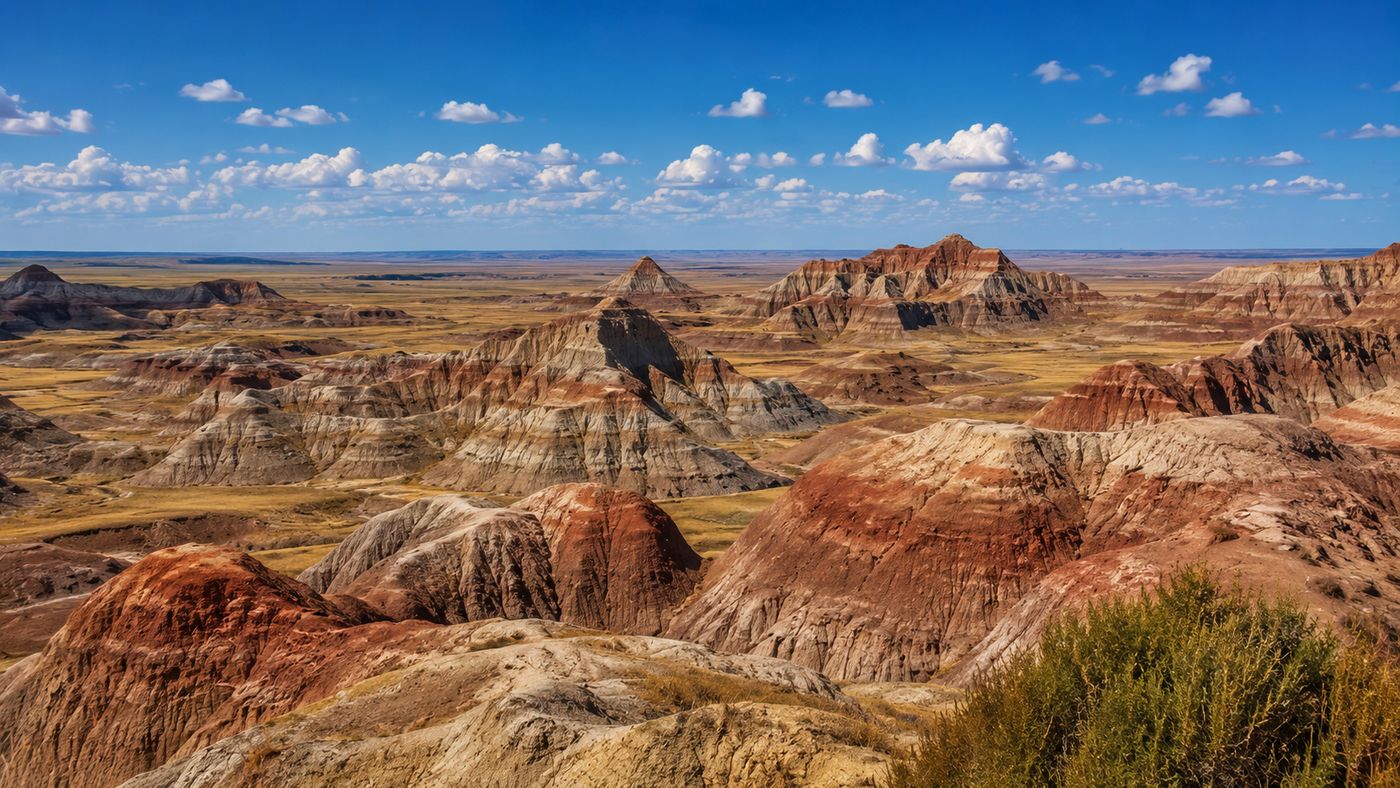
On August 12, 1990, Sue Hendrickson — a self-taught fossil hunter working with a commercial paleontology team near Faith, South Dakota — walked alone along a badlands ridge while her colleagues were in town getting a flat tire repaired, noticed some bone fragments eroding from the cliff face above her, and climbed up to investigate. What she found, protruding from the Hell Creek Formation sediment, was the skull of a Tyrannosaurus rex. What the team subsequently excavated over the following weeks was the most complete T. rex skeleton ever discovered: more than 90 percent of the bones present, including a nearly intact skull, preserved in extraordinary condition in rock that was approximately 67 million years old. The specimen was named Sue in honor of its discoverer, and its dimensions were stunning — the skull alone measured more than five feet in length, and the complete skeleton stood thirteen feet tall at the hip and stretched forty feet from nose to tail.
The story of Sue the T. rex did not end with its discovery. A prolonged legal dispute over ownership of the fossil — between the commercial fossil hunters, the landowner on whose property it was found, the Sioux tribe whose reservation the land adjoined, and the federal government — resulted in the FBI seizing the bones and a federal court eventually ruling that they belonged to the landowner, Maurice Williams. The Field Museum of Natural History in Chicago, with financial backing from McDonald's, Walt Disney Parks, and private donors, purchased Sue at auction in 1997 for $8.36 million — at the time the highest price ever paid for a fossil. Sue has been on display at the Field Museum since 2000, where it has become one of the most visited museum exhibits in the United States. Studies of the skeleton have produced significant insights into T. rex biology, growth rates, pathology, and behavior that would not have been possible without a specimen this complete. The fossil that Sue Hendrickson almost didn't find on August 12, 1990, has been changing what scientists know about the most famous dinosaur that ever lived ever since.
Three Minutes
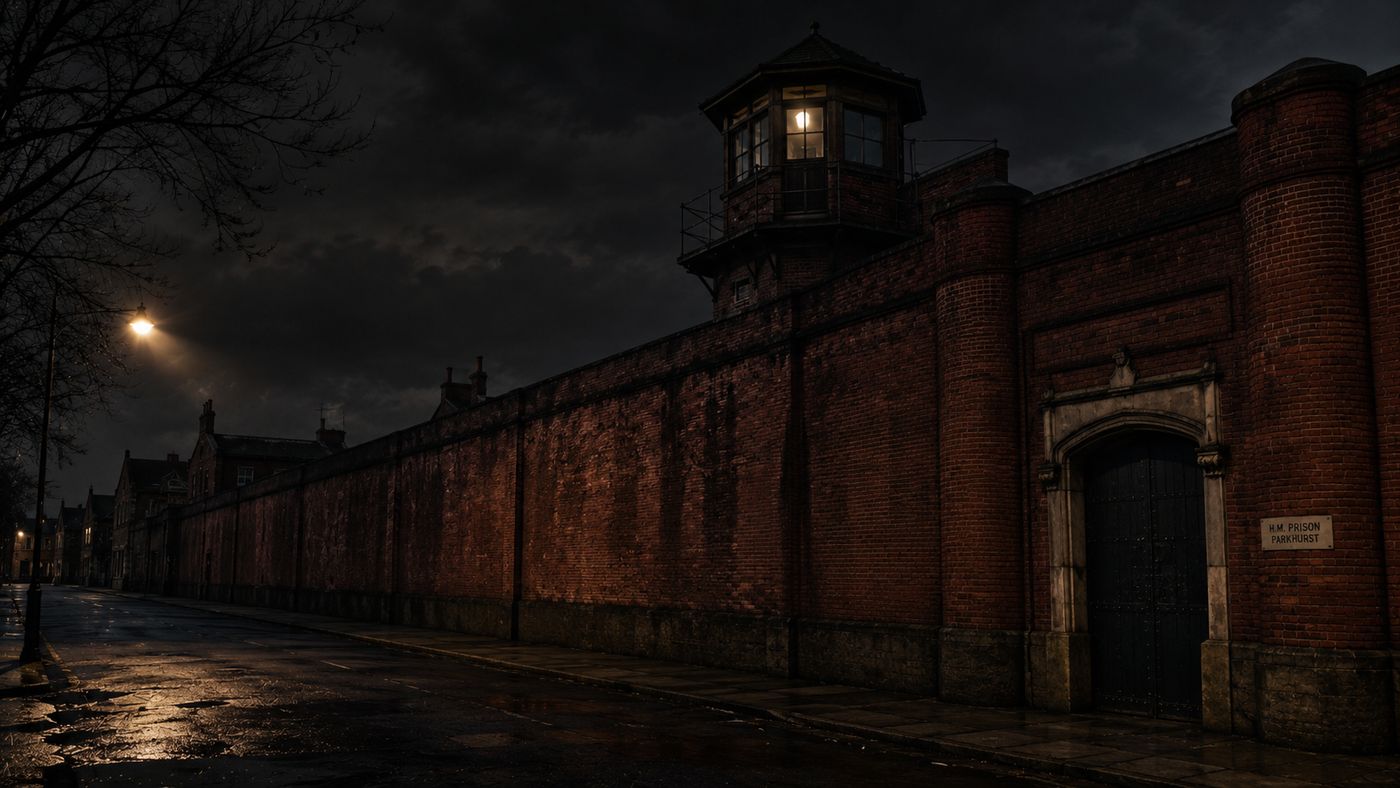
On August 12, 1964, Charlie Wilson — one of the key organizers of the Great Train Robbery, serving a thirty-year sentence at Winson Green Prison in Birmingham — was broken out in one of the most audacious prison escapes in British criminal history. A team of three accomplices arrived at the prison in the early hours, scaled the outer wall using rope ladders, overpowered a guard, located Wilson's cell, and extracted him from the facility in under three minutes. The escape was completed in such darkness and silence that alarm was not raised for some time after the team had departed. Wilson, who had been in custody for less than a year following his August 1963 conviction for his role in the £2.6 million train robbery, disappeared into a criminal underground that kept him hidden for four years.
Wilson was eventually located in Rigaud, Quebec, in Canada in January 1968, living under an assumed identity with his wife and family, and was extradited to Britain to serve the remainder of his sentence. He was released in 1978 after serving approximately twelve years of his original thirty-year term. His subsequent life took him to Spain — then a popular destination for British criminals due to the absence of an extradition treaty — where he was reportedly involved in drug trafficking before being shot dead at his Costa del Sol villa in 1990 by a hitman on a bicycle, in a killing that was never solved. The prison break of August 12, 1964, is remembered as one of the last great examples of the professional criminal escapee — the kind of operation that requires planning, nerve, and a team willing to go over a prison wall in the dark for a colleague. It did not ultimately serve Wilson well. The three minutes it took to get him out were the most efficient of the remainder of his life.
32 Minutes
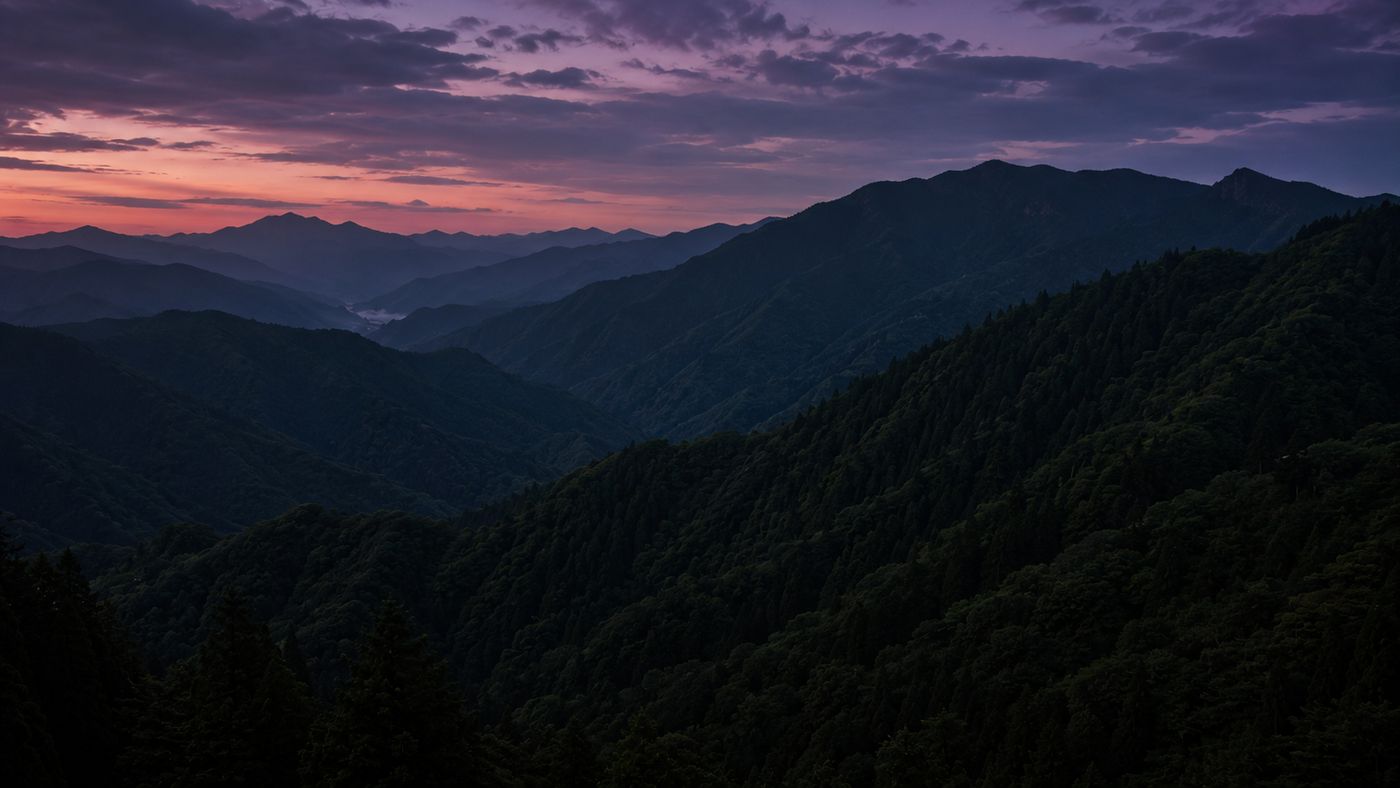
On August 12, 1985, Japan Air Lines Flight 123, a Boeing 747SR carrying 524 people from Tokyo's Haneda Airport to Osaka, suffered a catastrophic structural failure twelve minutes after takeoff when the rear pressure bulkhead — which had been improperly repaired by Boeing engineers following a tail-strike incident seven years earlier — gave way. The failure caused an explosive decompression that destroyed the vertical stabilizer and severed all four of the aircraft's hydraulic lines, leaving the crew with no conventional flight controls. For the next thirty-two minutes, Captain Masami Takahama and his crew fought to keep the aircraft aloft using differential engine thrust — the only control mechanism that remained — attempting to reach an airport or find terrain flat enough to attempt an emergency landing. The passengers, aware that something was catastrophically wrong, wrote farewell notes to their families. At 6:56 p.m., the aircraft struck Mount Otsuka in the mountains of Gunma Prefecture. Of the 524 people aboard, 520 were killed — making it the deadliest single-aircraft accident in the history of aviation.
Four people survived the crash, found by rescue teams the following morning in the wreckage on the mountainside. The investigation that followed determined that the accident's root cause was a faulty repair made to the aircraft's rear pressure bulkhead following the 1978 tail-strike, a repair that Boeing had performed incorrectly — using a single splice plate where the correct procedure required two, leaving the joint unable to withstand the pressure cycles of normal flight operations. Boeing accepted responsibility and paid compensation to the victims' families. In Japan, the crash became a moment of national mourning whose reverberations have not entirely faded: the farewell notes passengers wrote during the thirty-two minutes between the structural failure and the crash have been published and are treated as primary historical documents. The crash also advanced cockpit voice recorder analysis and structural maintenance protocols in ways that have made subsequent aviation safer. The thirty-two minutes that Captain Takahama and his crew fought an uncontrollable aircraft represent one of the most extraordinary and heartbreaking examples of professional courage in the history of commercial aviation.