
When the Execution Didn't Work
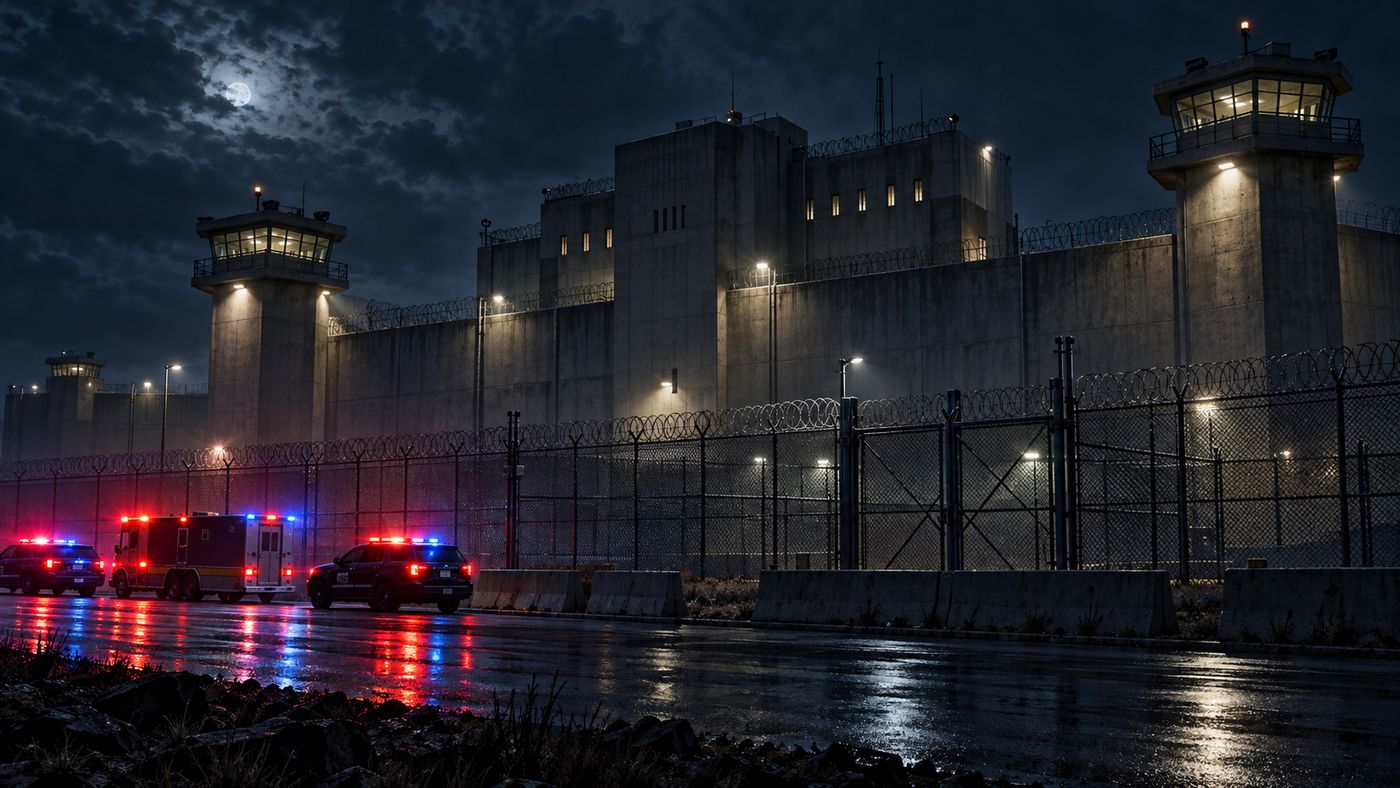
Wednesday night, Tennessee's attempt to execute Christa Pike, the only woman on the state's death row, did not go as the state's protocol intended. Correctional staff administered two full rounds of pentobarbital, the state's lethal injection drug, but after more than two hours, Pike remained alive. Emergency vehicles were called to Riverbend Maximum Security Institution, and she was transported to an outside hospital. Tennessee has since suspended its remaining scheduled executions for the year while officials investigate what happened.
A Long, Unusual Night
Pike, now 50, was sentenced to death for the 1995 torture-murder of 19-year-old Colleen Slemmer, a fellow student at a Knoxville job training program, a crime she committed at age 18. She would have been the first woman executed in Tennessee in roughly two centuries. The execution proceeded Wednesday evening only after the U.S. Supreme Court overrode a district court's last-minute order to halt it, hours after Pike's legal team had argued the state's single-drug pentobarbital protocol risked causing her unconstitutional pain, citing a documented blood disorder. Media witnesses described an unusually long and irregular process: the curtain to the execution chamber was drawn and reopened multiple times, and Pike "appeared noticeably awake" well after the drugs had been administered, according to one witness who briefed reporters outside the prison afterward.
Robin Maher, executive director of the Death Penalty Information Center, told the New York Times the incident was "unlike any other botched execution in the modern era." Tennessee's governor has called for a "comprehensive, third-party review" of what occurred, and the state corrections department maintains it "followed every step" of its approved execution protocol. Pike's attorneys offered a blunter assessment, stating that Tennessee "once again failed to carry out a lawful execution." Notably, this marks the second time this year that a Tennessee execution attempt has gone awry, following a separate botched case within recent months, intensifying scrutiny of the state's lethal injection procedures specifically.
In the days since, the incident has hardened into something larger than a single failed procedure. The Death Penalty Information Center says Pike, now reported in critical condition, is the first person in the modern history of American capital punishment to survive being injected with lethal drugs — a distinction that has reignited a bitter, familiar debate. Amnesty International USA and the U.S. Campaign to End the Death Penalty have both called the incident proof the system is "broken beyond repair," while several Tennessee lawmakers from both parties have joined medical professionals in the state demanding a moratorium and the removal of healthcare workers from future executions altogether. Tennessee's attorney general's office has pushed back, standing by the protocol as lawful and well-established, and Colleen Slemmer's family, who have waited three decades for this sentence to be carried out, see Wednesday's failure as a procedural breakdown, not a reason to revisit whether Pike's punishment was deserved in the first place. Botched executions have reshaped this debate before, in Oklahoma and Arizona a decade ago. Whether this one does the same, in Tennessee or nationally, will likely depend on what the state's third-party review finds — and on how much political will exists, on either side, to act on it.