September 13: A Prison Uprising Ends in Blood, a TV Institution Begins, and a Future Mogul Is Born
September 13 carries a thread of American justice — the real thing, the dramatized version, and the life of a man who would build a career partly from the experience of its failures. In 1971, state troopers stormed Attica Correctional Facility on the orders of Governor Nelson Rockefeller, ending a four-day inmate uprising with gunfire that killed thirty-three inmates and ten hostages — all the hostages killed by law enforcement bullets, not by prisoners — in one of the most brutal confrontations between the state and its incarcerated population in American history. Nineteen years later, on the same date, a television drama debuted on NBC that would spend more than two decades methodically examining how that justice system worked, building one of the most-watched franchises in television history from the machinery of American law. And in 1969, in New Orleans, a child was born who would grow up to become Tyler Perry — writer, director, producer, and the creator of the most commercially successful entertainment enterprise ever built by a single African American entertainer. Three September thirteenths. Three encounters with what American justice looks like from different distances and different angles.
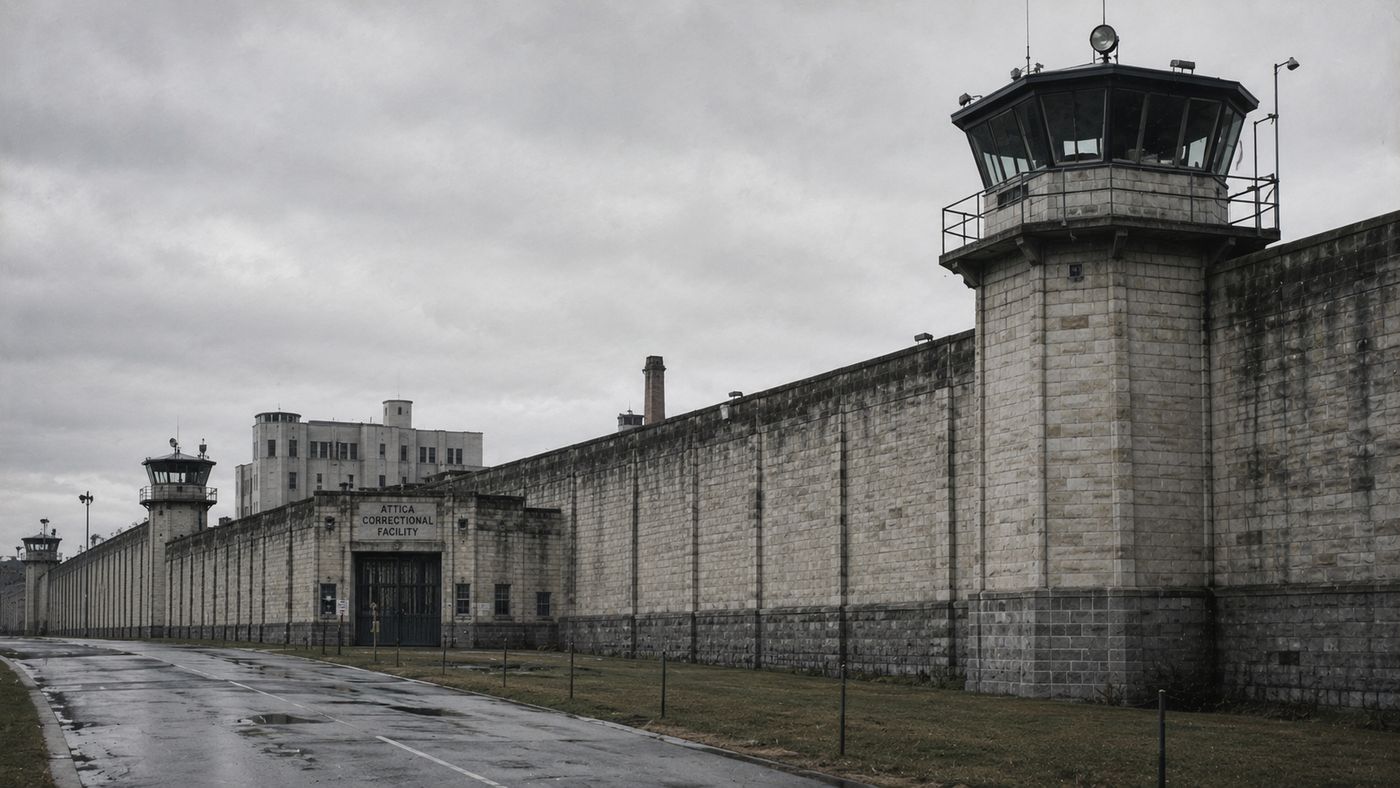
Attica
On September 13, 1971, New York State troopers and corrections officers stormed Attica Correctional Facility in Attica, New York, ending a four-day uprising by approximately 1,300 inmates who had taken control of a large section of the prison, taken thirty-three staff members hostage, and issued a list of demands for improved living conditions, religious freedom, educational opportunities, and an end to what they described as systematic brutality by guards. The uprising had begun on September 9, following tensions that had built for months over conditions at the facility — overcrowding, inadequate food, racial discrimination, and the routine violence that characterized the relationship between guards and the predominantly Black and Puerto Rican inmate population. Negotiations between prison officials, inmate representatives, and a citizen observer committee had proceeded for four days without resolution. Governor Nelson Rockefeller, refusing to come to the facility or to grant amnesty, ordered the assault. In eleven minutes of gunfire — during which inmates were unarmed and the hostages were in the yard — forty-three people died: thirty-three inmates and ten hostages. All ten hostages were killed by law enforcement fire, not by inmates, despite initial official claims to the contrary.
The Attica uprising and its violent suppression on September 13, 1971, became one of the most significant events in the history of American criminal justice and prison reform. The official account — that hostages had been killed by inmates — was quickly contradicted by medical evidence, producing a crisis of institutional credibility that lasted for years. A McKay Commission investigation produced a detailed and damning account of both the conditions that had caused the uprising and the conduct of the retaking, recommending significant reforms that were largely not implemented. Civil litigation on behalf of surviving inmates and the families of those killed continued for thirty years, eventually producing a settlement of $12 million paid to survivors and families in 2000 — an acknowledgment of the state's culpability that stopped short of the criminal accountability that advocates had sought. Rockefeller's order to storm Attica, and his handling of its aftermath, remained a contested element of his legacy through his subsequent career as Vice President. The demands that the Attica inmates raised in September 1971 — for basic human dignity in the conditions of confinement — remain contested and largely unresolved in American correctional policy more than fifty years later.
In the Criminal Justice System
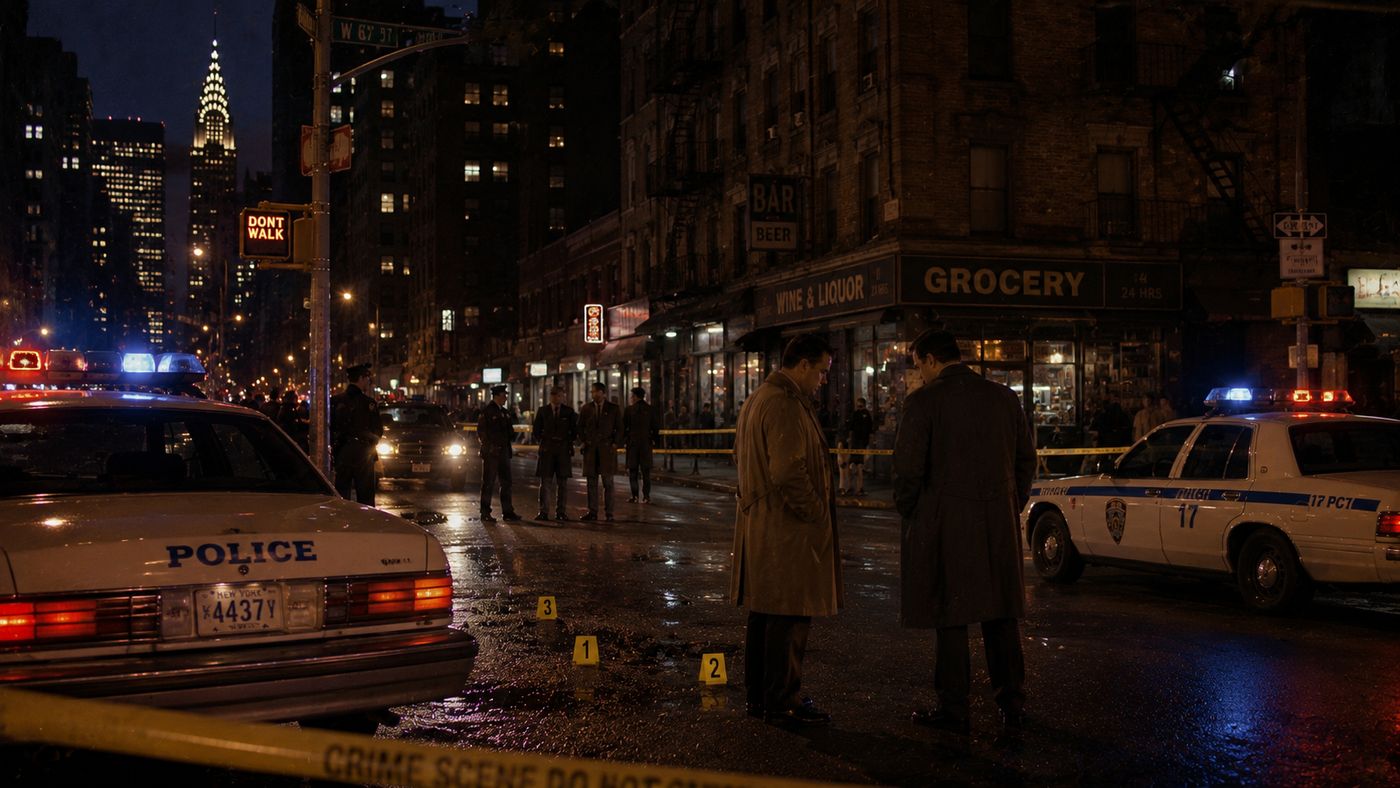
On September 13, 1990, Law & Order debuted on NBC, introducing a format that would prove so durable that the franchise it spawned is still in production more than three decades after the original series launched. Created by Dick Wolf, the show divided each episode into two distinct thirty-minute halves — the first following detectives investigating a crime, the second following prosecutors trying the case — and opened each episode with a title card identifying the incident as "ripped from the headlines" of real criminal cases, however loosely interpreted. The format was genuinely new: previous crime dramas had focused on police procedure or courtroom drama, but not the continuous pipeline from crime scene to verdict that Law & Order depicted. The show was initially not a ratings success — it struggled in its early seasons — but found its audience gradually and ran for twenty seasons before its original cancellation in 2010, making it the longest-running prime-time drama in American television history at the time.
The franchise that grew from the debut of September 13, 1990, became one of the most extensive in television history. Law & Order: Special Victims Unit, which debuted in 1999, surpassed the original's run to become the longest-running prime-time live-action drama in American television history. Law & Order: Criminal Intent, Law & Order: Organized Crime, and several other spinoffs have extended the brand across decades. The original Law & Order was revived in 2022. The franchise's signature elements — the two-tone "chung-chung" sound effect, the revolving cast, the procedural exactitude, the willingness to address politically contentious cases — have influenced virtually every subsequent crime drama on American television and have shaped public understanding of the criminal justice system in ways both accurate and misleading. The show's particular version of justice — methodical, adversarial, ultimately resolved in a courtroom — presents a tidier picture of how American law actually works than the reality, but that picture has proven remarkably compelling to an audience that has kept the franchise alive for more than thirty years since its September 13, 1990 debut.
New Orleans, 1969
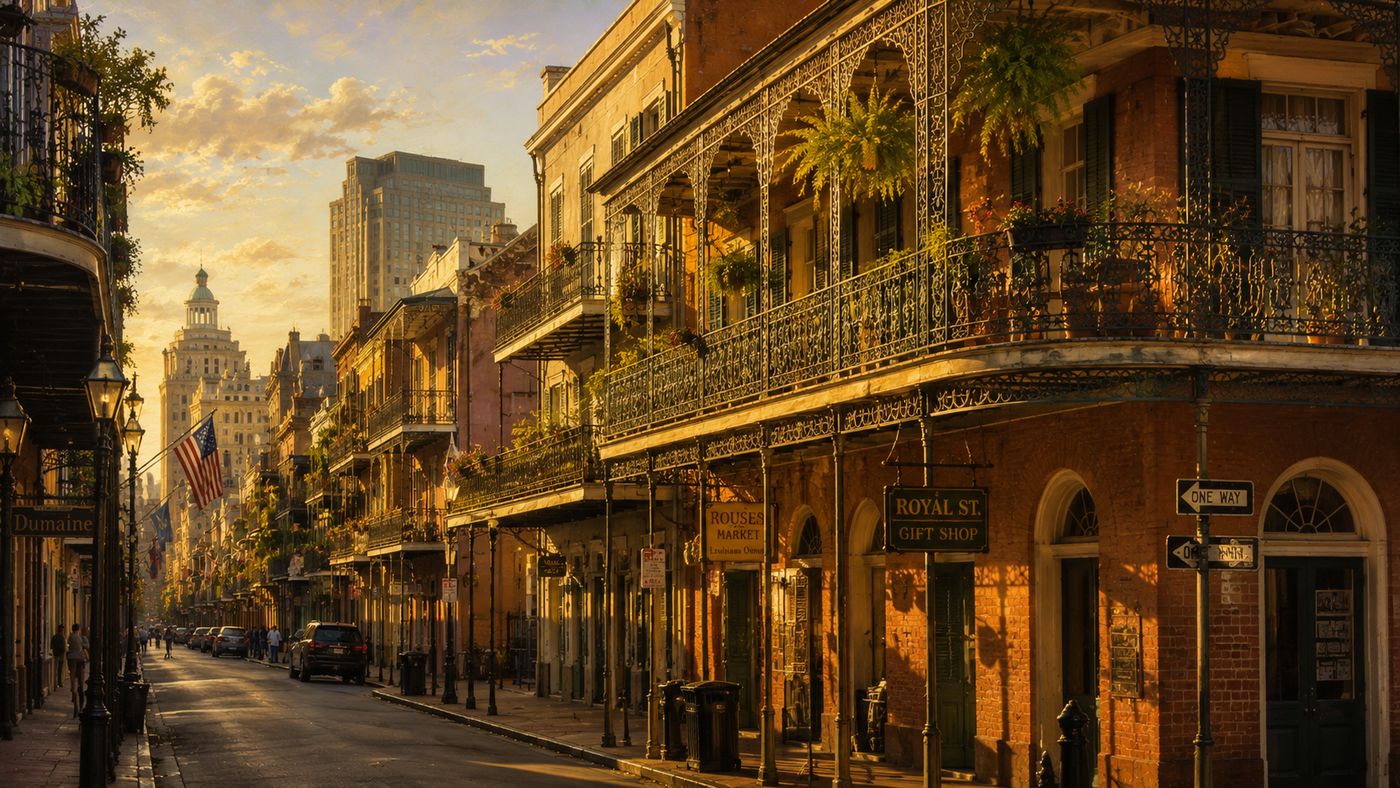
On September 13, 1969, Emmitt Perry Jr. was born in New Orleans, Louisiana, the second of four children in a family marked by poverty, instability, and a father whose violence would leave lasting psychological damage. Perry has spoken publicly about a childhood defined by abuse and deprivation, describing a domestic environment so difficult that he attempted suicide at the age of ten. He changed his name to Tyler Perry as a young adult, partly as a symbolic break from his father, and began writing plays as a therapeutic practice in the early 1990s — converting his experiences into material he could process creatively. His first theatrical production, staged in Atlanta in 1992 with $12,000 of his own savings, failed; he lived in his car during periods that followed. He persisted through a series of touring productions that gradually found their audience in historically Black theaters and community venues, developing the character of Madea — a large, outspoken, gun-toting grandmother played by Perry in drag — who became the most recognizable figure in his work.
The career that began in New Orleans on September 13, 1969, has produced a body of work — plays, films, and television series — that has made Tyler Perry the first African American to own a major film studio outright. Tyler Perry Studios, opened in Atlanta in 2019 on the site of a former Confederate Army base, covers 330 acres and has hosted major productions beyond Perry's own work. His films have grossed more than $2 billion worldwide; his television productions have reached tens of millions of viewers. Perry's work has been both celebrated for its unapologetic depiction of Black Southern working-class life and criticized for its reliance on stock characters, its theological conservatism, and the Madea persona's relationship to minstrel traditions. He has engaged with these criticisms directly and largely without defensiveness, arguing that his primary audience is a segment of Black America that mainstream entertainment has historically ignored. The baby born in New Orleans on September 13, 1969, built something that no one in the entertainment industry had built before him — and did it, as he has noted, not because the industry helped but because it didn't.