September 11: The Day That Changed Everything, a Building That Was There, and a Life That Was Just Beginning
September 11 belongs, in American memory, to a single morning in 2001. The other events that share this date exist in its shadow, and the shadow is complete. What happened on September 11, 2001, killed nearly 3,000 people, reshaped American foreign and domestic policy for a generation, initiated two wars that lasted decades, and produced a transformation in how Americans experience air travel, public life, and the relationship between security and freedom that shows no sign of reversing. It is worth noting, in the spirit of historical attention, that on September 11, 1941 — exactly sixty years before the attacks — construction began on the Pentagon, the building that would be struck by one of the four hijacked planes. And in 1977, in Champaign, Illinois, a baby was born who would grow up to become one of the most successful hip-hop artists of the 2000s — a career built in the years between these two September elevenths and shaped, like everything that came after 2001, by the world the attacks remade. Three September elevenths. Only one of them defines the date. But the others were there.
September 11, 2001
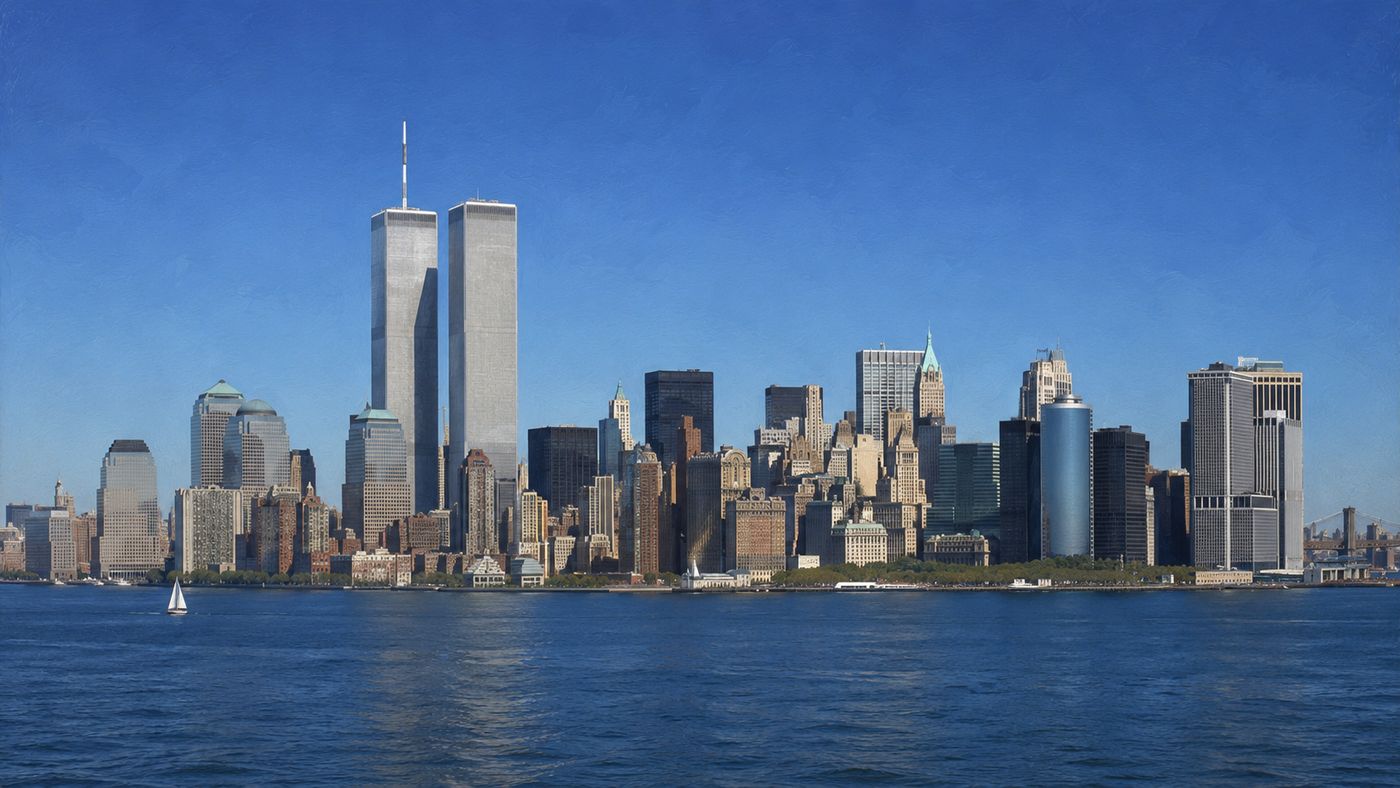
On the morning of September 11, 2001, nineteen militants affiliated with the extremist organization al-Qaeda hijacked four commercial airliners in coordinated attacks planned over years of preparation. At 8:46 a.m., American Airlines Flight 11 struck the North Tower of the World Trade Center in Manhattan. At 9:03 a.m., United Airlines Flight 175 struck the South Tower. At 9:37 a.m., American Airlines Flight 77 struck the western facade of the Pentagon in Arlington, Virginia. At 10:03 a.m., United Airlines Flight 93 — whose passengers, having learned by phone of the earlier attacks, had mounted a revolt against the hijackers — crashed into a field near Shanksville, Pennsylvania, its intended target, believed to be the U.S. Capitol or the White House, unreached. The South Tower collapsed at 9:59 a.m. The North Tower collapsed at 10:28 a.m. By the time the day was over, 2,977 people had been killed — in the towers, in the Pentagon, in the four aircraft, and on the ground. It was the deadliest terrorist attack in the history of the United States and the deadliest attack on American soil since Pearl Harbor.
The consequences of September 11, 2001, have continued to unfold for more than two decades. The attacks led directly to the American invasion of Afghanistan in October 2001, to remove the Taliban government that had harbored al-Qaeda — a war that lasted twenty years and ended in August 2021 with the Taliban's return to power. They contributed to the invasion of Iraq in 2003, based on intelligence assessments of Iraqi weapons programs that proved incorrect, at a cost of more than 4,400 American military deaths and hundreds of thousands of Iraqi civilian casualties. Domestically, the attacks produced the Patriot Act, the creation of the Department of Homeland Security, the establishment of the Transportation Security Administration, the construction of the global surveillance apparatus revealed by Edward Snowden in 2013, and a sustained expansion of executive power in the name of national security whose limits have been contested in courts and legislatures ever since. The nearly 3,000 people killed on September 11, 2001, were ordinary people at work, on airplanes, serving as first responders. Their deaths produced consequences that have reached every corner of American and global life in the years since. We are still living in the world September 11 made.
Groundbreaking
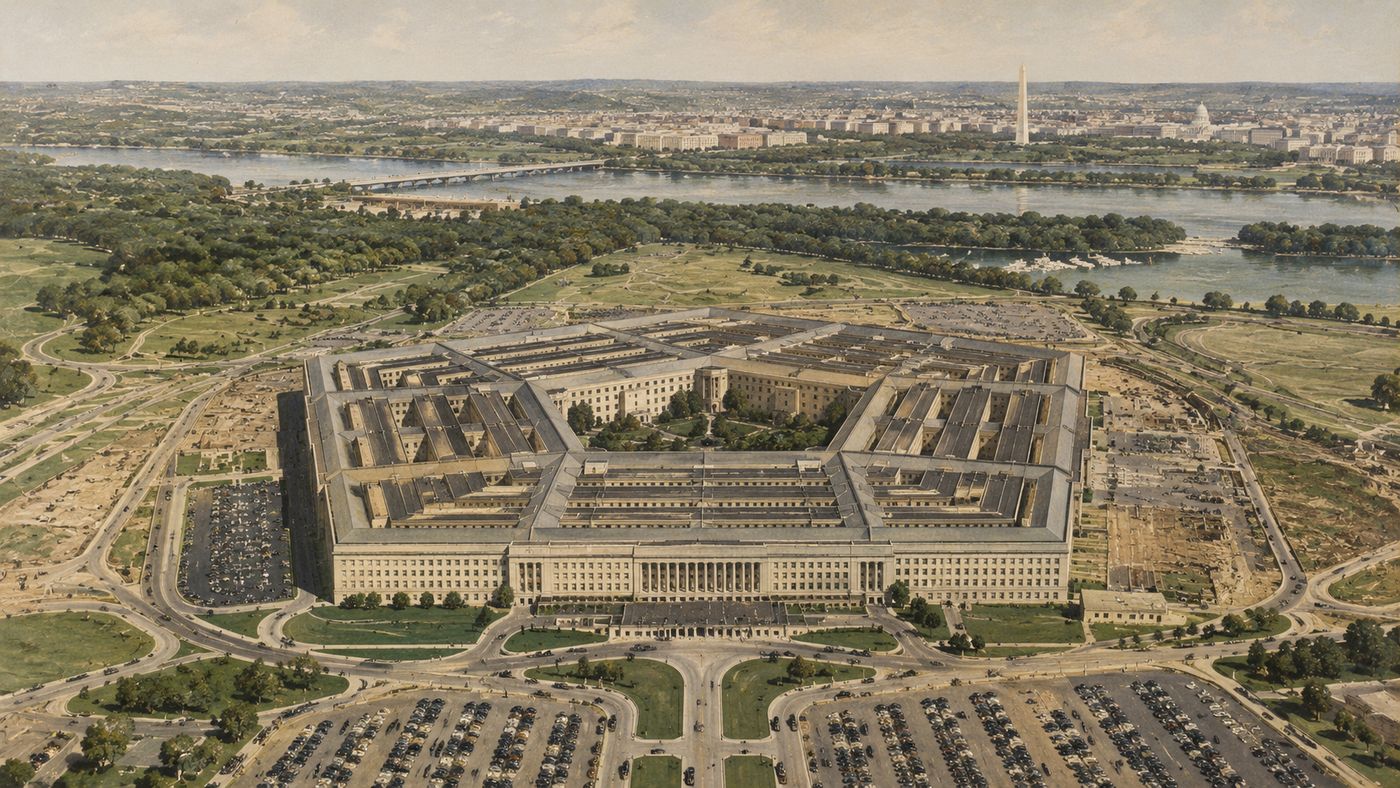
On September 11, 1941 — sixty years to the day before the attacks that would strike it — construction began on the Pentagon in Arlington County, Virginia. The building had been authorized by Congress just weeks earlier, driven by the urgent recognition that the United States War Department had outgrown its facilities and that the country needed to rapidly expand its defense infrastructure as the war in Europe intensified and the prospect of American involvement grew more certain. Architect George Bergstrom designed the structure as a five-sided building to accommodate the irregular shape of the original proposed site — though the site was subsequently changed, the five-sided shape was retained because changing it would have delayed the project. The design accommodated nearly 25,000 workers across approximately 6.5 million square feet of office space, making it the largest office building in the world by floor area. Construction proceeded at extraordinary speed, driven by wartime urgency, and the first workers moved into completed sections while other sections were still being built.
The Pentagon that broke ground on September 11, 1941, was completed on January 15, 1943 — sixteen months after construction began — at a cost of approximately $83 million. It has served as the headquarters of the United States Department of Defense (renamed from the War Department in 1947) continuously since, housing the military's most senior leadership and the command and control infrastructure for American military operations worldwide. On September 11, 2001, American Airlines Flight 77 struck the western facade of the building at the point where renovation work had recently been completed — work that had strengthened that section's walls and windows, likely reducing the death toll. One hundred and eighty-four people were killed at the Pentagon that morning — the passengers and crew of Flight 77, and military and civilian personnel in the building. The Pentagon was repaired and the damaged section rebuilt within a year. A memorial to the 184 victims now stands on the building's grounds. The building that began construction on September 11, 1941, was attacked on the same date sixty years later — a coincidence of the calendar that history did not plan and that no one involved could have foreseen.
Champaign, 1977
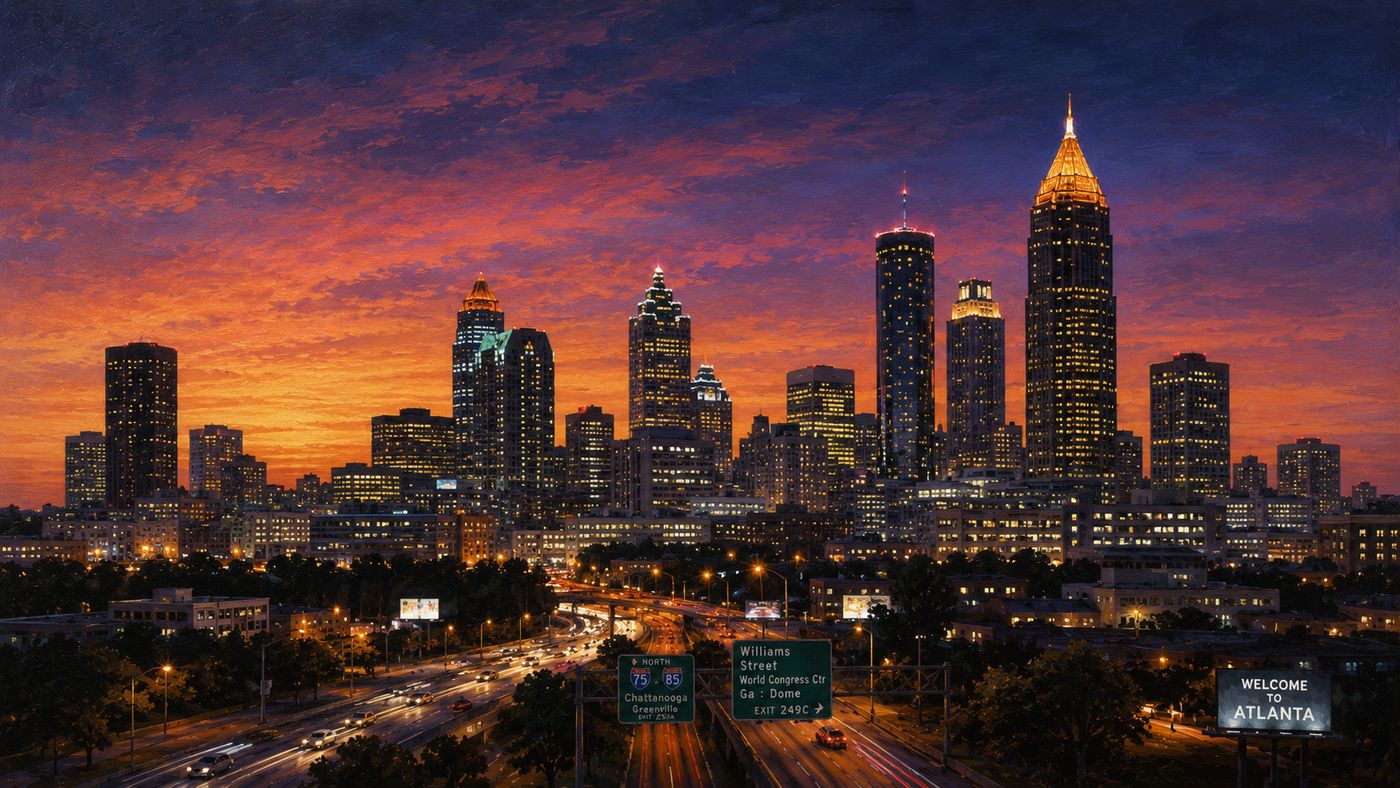
On September 11, 1977, Christopher Brian Bridges was born in Champaign, Illinois — a university city in central Illinois that would mark the beginning of an itinerant early life that included moves to Georgia and Virginia before he settled in Atlanta, where he would launch a music career. He began rapping in high school, studied music management at Georgia State University, worked as a radio DJ in Atlanta, and self-released a debut mixtape in 1998 that attracted enough attention to earn him a record deal. His major-label debut, Back for the First Time (2000), went triple platinum and established him as one of hip-hop's most distinctive voices — known for rapid-fire wordplay, Southern humor, a gift for anthemic hooks, and a willingness to move between earnest emotion and comic excess within a single track. His stage name, Ludacris, reflected both the spirit of his music and the outsized persona he had built by the time he became famous.
The career that began in Champaign on September 11, 1977, has encompassed multiple Grammy Awards, a string of platinum albums, and a successful transition into acting — most notably as Tej Parker in the Fast and Furious franchise, where his comic timing and easy charisma made him one of the series' most beloved recurring characters. He has also built substantial business ventures in food and beverage, and has maintained the philanthropic work of his Ludacris Foundation, which focuses on youth empowerment programs in Atlanta. What is notable about his career, in retrospect, is how consistently it delivered on the promise of its earliest work — he remained commercially relevant and critically respected across a period of rapid change in hip-hop, a durability that speaks to the genuine quality and adaptability of his craft. The baby born in Champaign on September 11, 1977, built his career between the two most significant September elevenths in American history — and the world the second one made became the world in which his best-known work was received.