October 9: The Wave, the Meteorite, the Dam's First Light
Nature does not negotiate. It does not warn, it does not wait, and it does not especially care what human beings have built in its path. October 9 knows this better than most dates. A mountainside gave way in the Italian Alps and erased a town in minutes. A fragment of space rock that had been traveling for billions of years made its final approach and chose, with the universe's characteristic indifference to human property, a teenager's Chevy Malibu in upstate New York. And on a dam wedged between canyon walls in the Nevada desert, engineers threw a switch and the Colorado River — long a force of pure destruction — began, for the first time, to power human lives. Three collisions. Three October 9ths. Three reminders that the line between catastrophe and wonder is thinner than we tend to assume.
Mount Toc
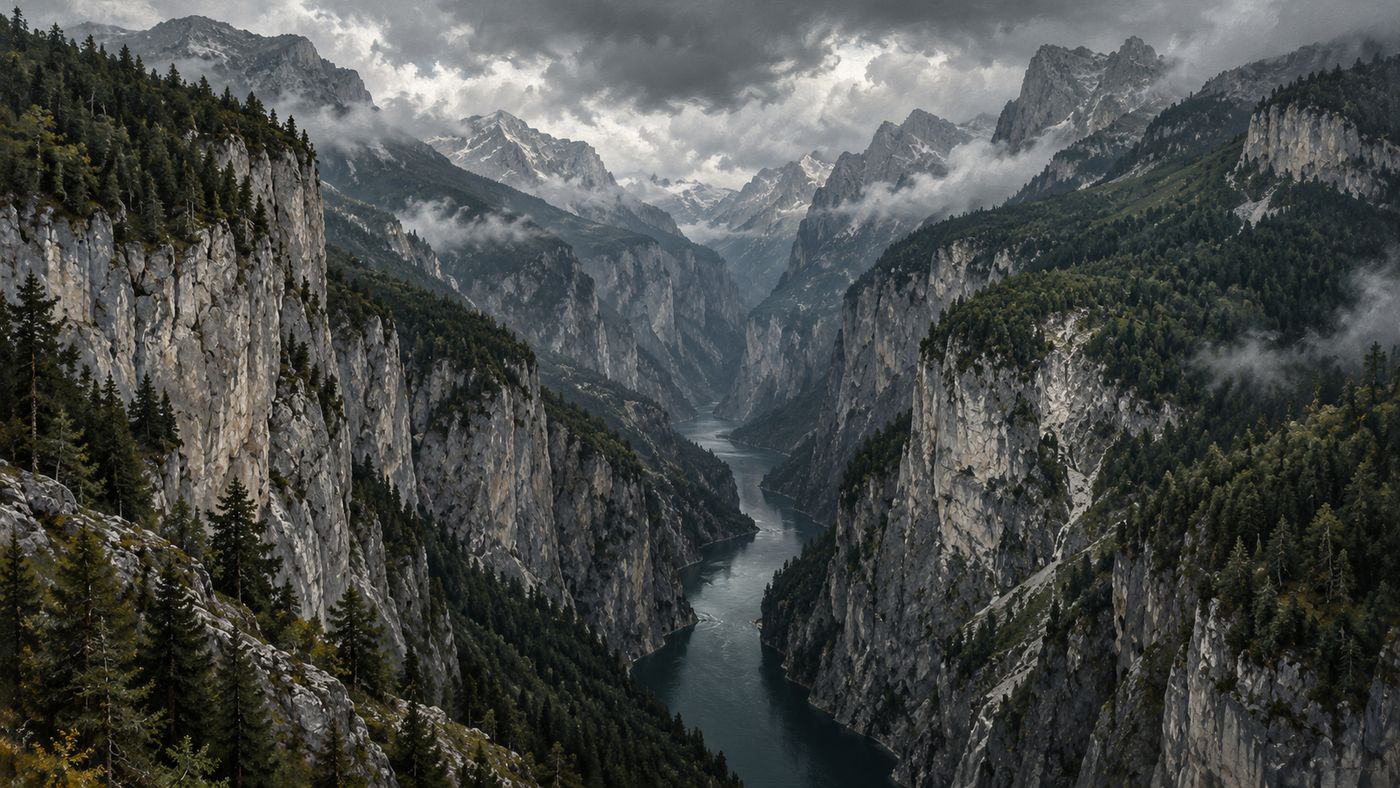
On the night of October 9, 1963, at 10:39 p.m., approximately 270 million cubic meters of rock and earth broke free from the southern flank of Monte Toc and plunged into the Vajont reservoir in northeastern Italy. The landslide had been anticipated — engineers had been monitoring the mountain's slow movement for years and had noted accelerating rates of displacement in the weeks before the disaster — but the scale of what finally fell exceeded every model and every contingency plan. The mass of rock hit the reservoir and displaced the water in a wave that overtopped the Vajont Dam by more than 800 feet. The dam itself held. The water did not need it to fail. The flood that rushed down the valley below destroyed the town of Longarone and several surrounding villages in minutes, killing nearly 2,000 people while most of them slept.
The Vajont disaster was not simply a natural catastrophe — it was a failure of institutional will. The warning signs had been visible for years. Local residents had reported cracks appearing in the mountainside. A smaller landslide into the reservoir in 1960 had generated a wave forty meters high. Engineers and geologists had raised concerns that were minimized, dismissed, or buried in bureaucratic process by SADE, the private hydroelectric company that operated the dam, and by the Italian government agencies responsible for oversight. An Italian court later convicted several engineers and officials of multiple manslaughter for their role in ignoring the warnings. The Vajont Dam still stands in its canyon, empty and unreachable, a concrete monument to the cost of choosing not to see what is directly in front of you.
The Malibu
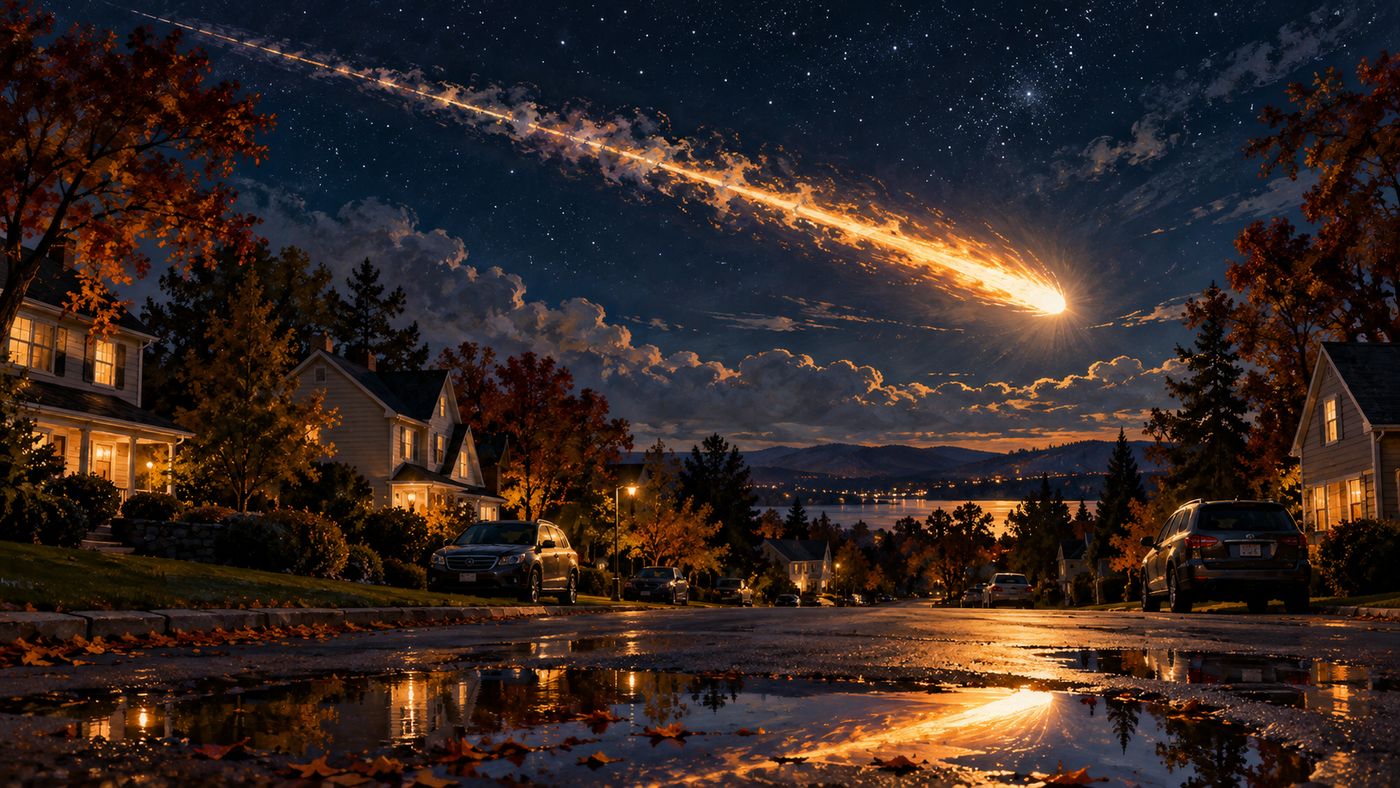
On the evening of October 9, 1992, thousands of people across the eastern United States looked up and watched a fireball cross the sky — a meteorite making its final, luminous approach through the atmosphere, filmed by at least sixteen separate video cameras at football games, parking lots, and highway rest stops from Kentucky to New York. The rock had been traveling through space for approximately 4.4 billion years before it entered Earth's atmosphere at roughly 36,000 miles per hour and began to break apart. Fragments rained across a wide path. One piece, weighing about 12 kilograms, survived its descent and landed in the driveway of eighteen-year-old Michelle Knapp in Peekskill, New York, punching through the trunk of her red 1980 Chevrolet Malibu — a car she had recently purchased for $400 — and coming to rest in a shallow crater beneath it.
The Peekskill meteorite became one of the most studied space rocks in history, in part because the abundance of video footage allowed scientists to reconstruct its trajectory through the atmosphere with unusual precision. The meteorite itself is a chondrite — a class of stony meteorite that represents some of the oldest material in the solar system — and its composition provided researchers with valuable data about the early solar system's chemistry. As for Michelle Knapp's Malibu: she sold the car and the meteorite together to a consortium of collectors for $69,000 — a return of roughly 17,150 percent on her original investment. The car has since been displayed in museums across Europe and the United States. The universe, on this occasion, proved unexpectedly generous.
First Light
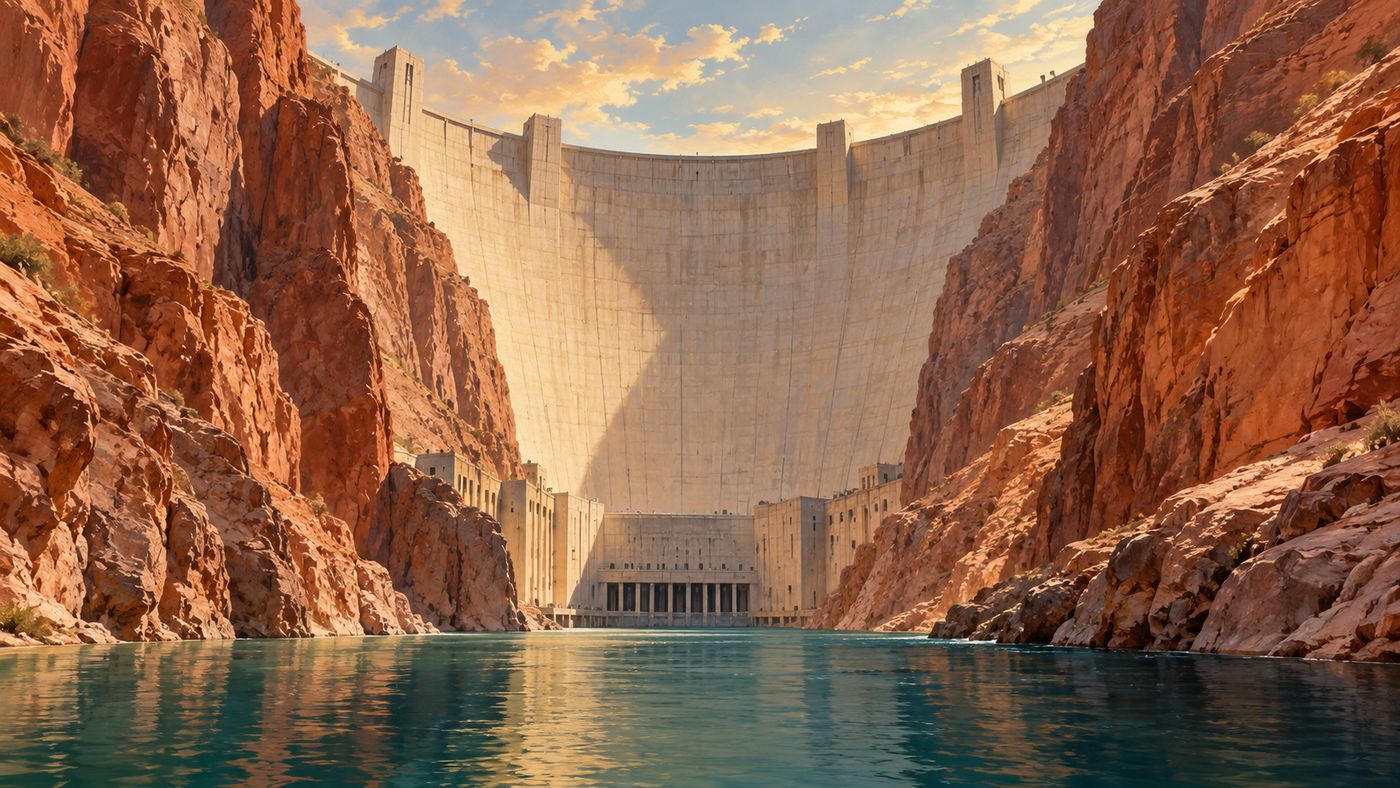
On October 9, 1936, the Boulder Dam — renamed the Hoover Dam two years later — sent its first electrical current into the grid, delivering hydroelectric power generated by the Colorado River to the cities of the American Southwest for the first time. The moment marked the fulfillment of a promise that had taken decades of planning, six years of construction, and the labor of more than 21,000 workers to keep. The dam had been completed in 1935, two years ahead of schedule, and the reservoir behind it — Lake Mead — had been filling ever since. When the generators finally came online in October 1936, the power flowed first to Los Angeles, more than 260 miles away, demonstrating the transmission distances that were themselves a feat of electrical engineering.
The Hoover Dam's generators represented an era-defining shift in how the American West understood its own possibilities. The Colorado River had long been a force of unpredictable destruction — flooding farmland, denying water to some regions while drowning others. The dam tamed it, stored it, and converted its power into electricity and irrigation that would fuel the explosive postwar growth of Los Angeles, Las Vegas, Phoenix, and the broader desert Southwest. By the time the dam reached its full generating capacity, it was the largest hydroelectric installation in the world. It no longer holds that distinction, but it remains one of the most visited structures in the United States — a monument to the particular American conviction that no landscape is too hostile, and no river too wild, to be put to work.