October 13: The First Stone, the First Series, the Unsolved Case
Foundations are the things we build on — the cornerstones, the first games, the opening arguments of cases that go on for years. October 13 has laid three of them. In 1792, workers positioned the first stone block of what would become the most recognizable address in the world. In 1903, two baseball leagues settled their rivalry in a best-of-nine series and invented a tradition that has outlasted every era it has passed through. And in 1999, a Colorado grand jury declined to indict anyone for a murder that had transfixed the nation for three years — a non-decision that became, in its own way, a foundation for a case that has never been closed.
1600
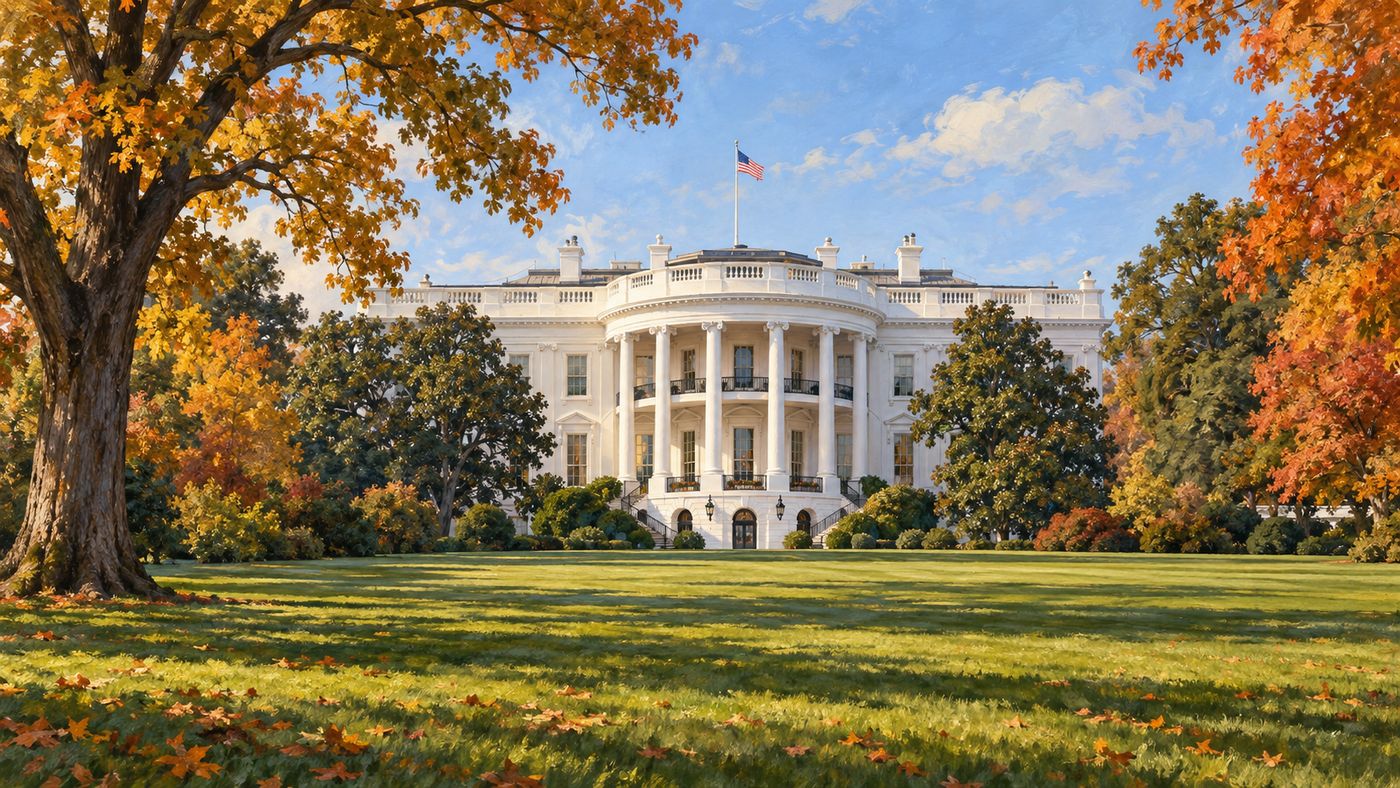
On October 13, 1792, in the new federal city rising from the Maryland and Virginia banks of the Potomac River, workers laid the cornerstone of the President's House — the building that would eventually be known as the White House. George Washington presided over the ceremony, though he would never live in the mansion himself; it would not be ready for occupancy until John Adams moved in during the final months of his presidency in 1800. The building was designed by Irish-born architect James Hoban, who won a competition with a design inspired by Leinster House in Dublin, and its construction proceeded slowly over the following eight years, relying on a workforce that included both free laborers and enslaved people hired out by their owners — a fact that the building's history long obscured and has more recently begun to acknowledge.
The President's House that Adams first occupied bore little resemblance to the building Americans know today. It was unfinished, drafty, and surrounded by mud and construction debris. Abigail Adams hung laundry in the East Room. The building was burned by British forces in 1814 and rebuilt, expanded repeatedly over the following two centuries, and has housed every American president since Adams — through wars, assassinations, triumphs, and scandals that have tested the institution it represents. The cornerstone laid on October 13, 1792 has never been definitively located. Renovations have searched for it without success. The first stone of the most famous house in the world remains, appropriately enough for a building that has always held more secrets than it reveals, somewhere beneath the surface.
The First Fall Classic
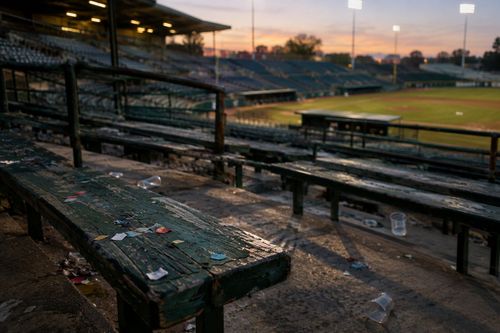
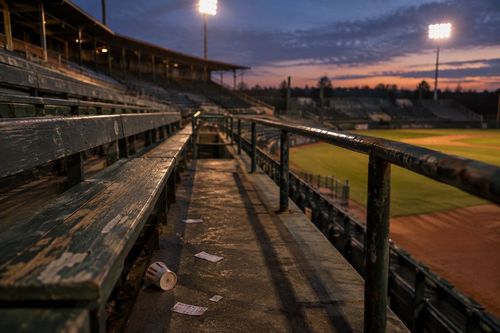
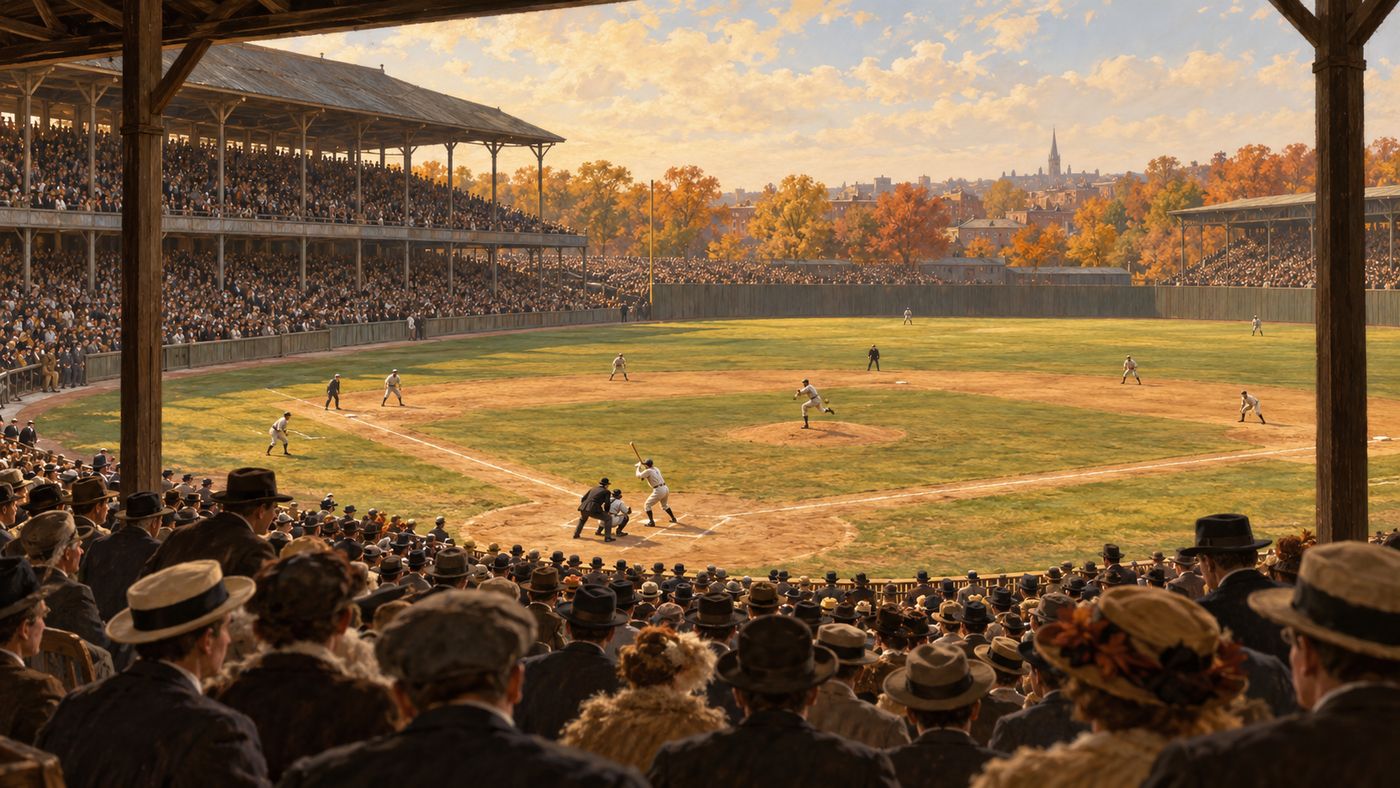
On October 13, 1903, the Boston Americans defeated the Pittsburgh Pirates 3-0 in Game 8 of the inaugural modern World Series, completing a five-games-to-three victory and claiming the first championship between the American and National Leagues. The series had been proposed as a way of settling the bitter rivalry between the two leagues, which had spent several years in open warfare over player contracts and territorial rights, and it succeeded beyond anyone's reasonable expectations — drawing enormous crowds in both cities and generating the kind of press coverage that signaled something new was happening in American sport. Boston's Cy Young, already one of the most celebrated pitchers in the game, won two games in the series. Pittsburgh's Honus Wagner, considered by many the greatest player of his era, struggled throughout, hitting just .222 against Boston's pitching.
The 1903 World Series established a template that has endured, with interruptions and modifications, for more than a century. The postseason format has changed — expanded, contracted, restructured — and the game itself has been transformed by integration, free agency, performance-enhancing drugs, and analytics. But the fundamental proposition of the World Series remains what it was in 1903: the best team in the American League against the best in the National, winner take all, played in October when the leaves are turning and the baseball season has distilled itself to its most essential. The Boston Americans were eventually renamed the Red Sox. The tradition they helped inaugurate in Pittsburgh and Boston in the autumn of 1903 has never stopped.
No True Bill
On October 13, 1999, a Boulder County grand jury announced that it would not indict anyone in connection with the murder of JonBenét Ramsey, the six-year-old Colorado girl whose death on December 26, 1996 had become one of the most scrutinized criminal cases in American history. JonBenét had been found strangled and beaten in the basement of her family's home in Boulder hours after she was reported missing. The investigation that followed was marked by missteps from the beginning — the crime scene was compromised, evidence was mishandled, and the Boulder Police Department's focus on the Ramsey family, while the city's district attorney pointed elsewhere, created a public and institutional conflict that undermined the case for years. The grand jury's failure to indict after thirteen months of proceedings was not an exoneration of anyone. It was a statement that the evidence, as assembled, was not sufficient to charge.
The case has never been closed. In 2008, advances in DNA testing cleared JonBenét's parents, John and Patsy Ramsey — Patsy had died of cancer in 2006 — of involvement, with the Boulder District Attorney's office issuing a formal apology to the family for years of public suspicion. The DNA evidence pointed to an unknown male, but no match has ever been identified. JonBenét Ramsey's murder remains officially unsolved, one of the most extensively investigated and publicly consumed cold cases in American history. The grand jury's decision on October 13, 1999 did not end the story. It simply formalized what investigators already knew: that the answer, if it exists at all, had not yet been found.