October 11: The Walk, the Show, the Song
Some firsts announce themselves loudly, arriving with ceremony and fanfare. Others slip into the world more quietly — a woman stepping through an airlock into the void, a roomful of unknown comedians going live on a Saturday night, a piano ballad released into a world that didn't yet know it needed those particular words. October 11 holds all three kinds. In 1984, an astronaut from Patterson, New Jersey floated outside a spacecraft and proved, in the most literal sense possible, that there was no ceiling left. In 1975, a television producer bet that American audiences wanted to laugh at things that mattered. And in 1971, a former Beatle sat down at a piano and wrote something that has outlasted every era it has passed through.
Extravehicular
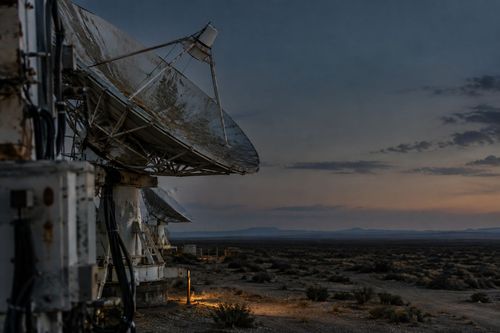
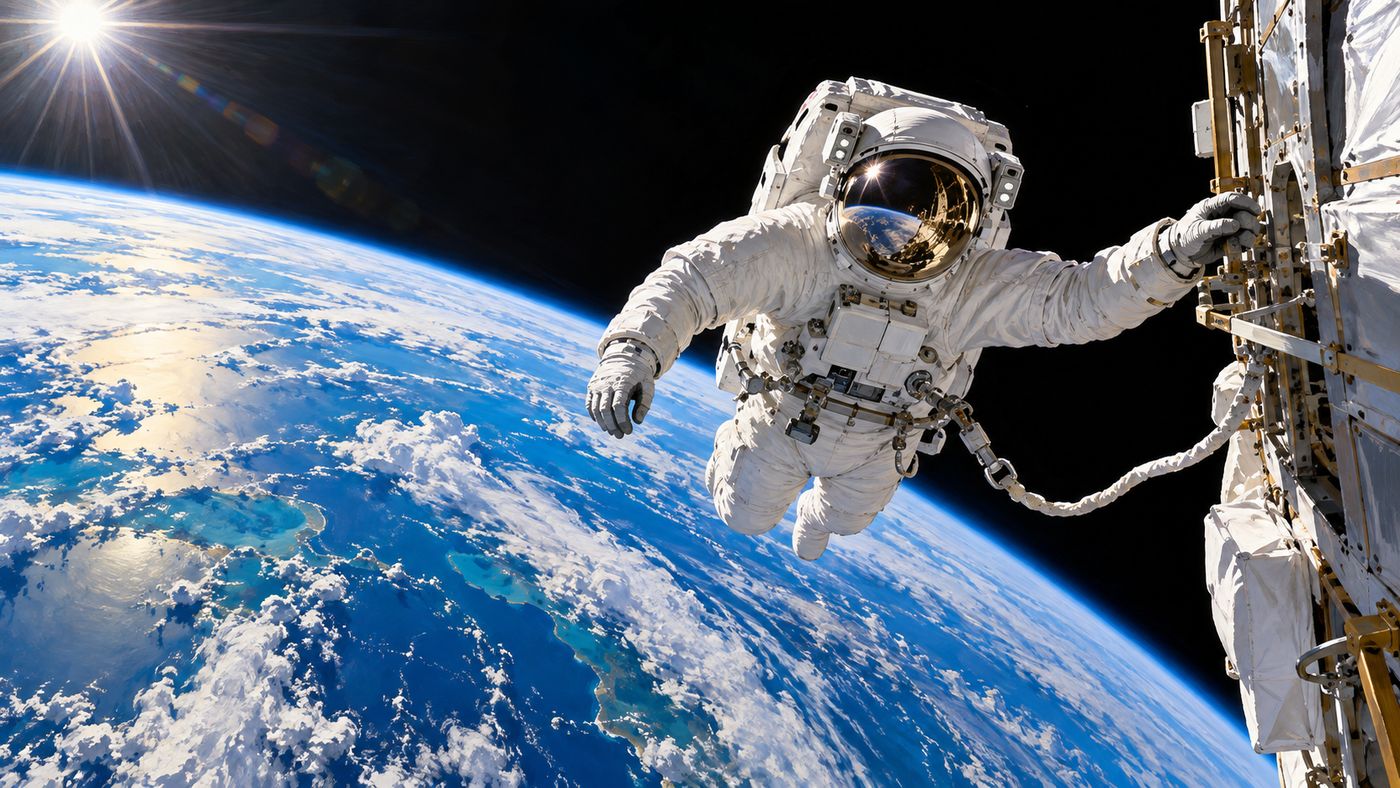
On October 11, 1984, Kathryn Sullivan floated out of the airlock of the Space Shuttle Challenger and into open space, becoming the first American woman — and the first woman from any nation — to conduct a spacewalk. The extravehicular activity lasted three and a half hours, during which Sullivan and fellow astronaut David Leestma demonstrated the feasibility of an orbital refueling system, testing equipment and procedures that would be essential to the long-term maintenance of satellites in orbit. Sullivan moved through the work with the methodical precision her training demanded, tethered to the shuttle and exposed to the full environment of low Earth orbit — the silence, the temperature extremes, the unfiltered view of a planet curving away beneath her. It was, by any measure, one of the more extraordinary offices in the history of human employment.
Sullivan had come to NASA through a path that reflected her particular combination of ambitions. She had earned a doctorate in geology, spoken multiple languages, and served as an oceanographic researcher before being selected in the astronaut class of 1978 — the same class that included Sally Ride, who had become the first American woman in space the previous year. The two milestones together — first in space, first in spacewalk — completed a sequence that had begun with the integration of women into the astronaut corps only six years earlier. Sullivan went on to fly two more shuttle missions, serve as chief scientist at NOAA, and become the first woman to dive to the deepest point in the ocean, Challenger Deep, in 2020. The spacewalk was not the ceiling of her career. It was one rung of a very long ladder.
Live from New York
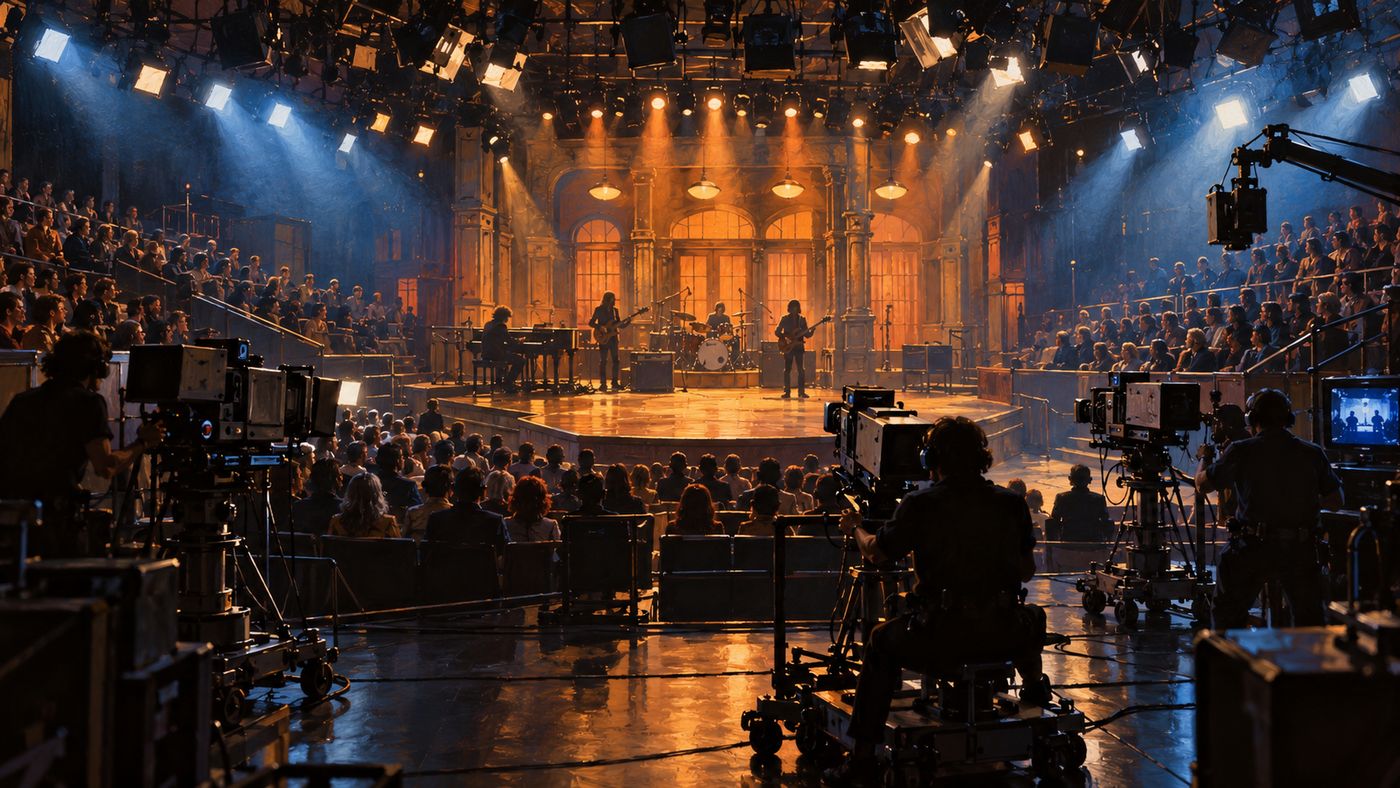
On October 11, 1975, at 11:30 p.m. Eastern time, NBC aired the first episode of Saturday Night Live — ninety minutes of live sketch comedy, political satire, and musical performance that introduced America to a cast of largely unknown performers billed as the Not Ready for Prime Time Players. George Carlin hosted. Billy Preston and Janis Ian provided the music. Andy Kaufman performed his Mighty Mouse lip-sync routine. The show that producer Lorne Michaels had conceived as an alternative to the safe, pre-recorded entertainment that dominated late-night television landed on the air rough, ambitious, and unmistakably alive in a way that television comedy had rarely managed before. NBC executives were reportedly uncertain about what they had put on the air. The audience, smaller at first than it would eventually become, recognized something new.
The Not Ready for Prime Time Players — Chevy Chase, Dan Aykroyd, John Belushi, Jane Curtin, Garrett Morris, Laraine Newman, and Gilda Radner — would not remain unknown for long. Within two seasons, Saturday Night Live had become a cultural institution, its catchphrases entering the national vocabulary and its weekly cold opens shaping the way Americans processed politics, celebrity, and the week's events. Fifty years on, the show has launched more careers and absorbed more American cultural history than any other program on television. It has been uneven, occasionally brilliant, sometimes irrelevant, and persistently itself — live, late, and willing to fail in public in ways that recorded television cannot risk. The formula Michaels built in 1975 has proven, against all reasonable expectations, to be essentially indestructible.
Imagine
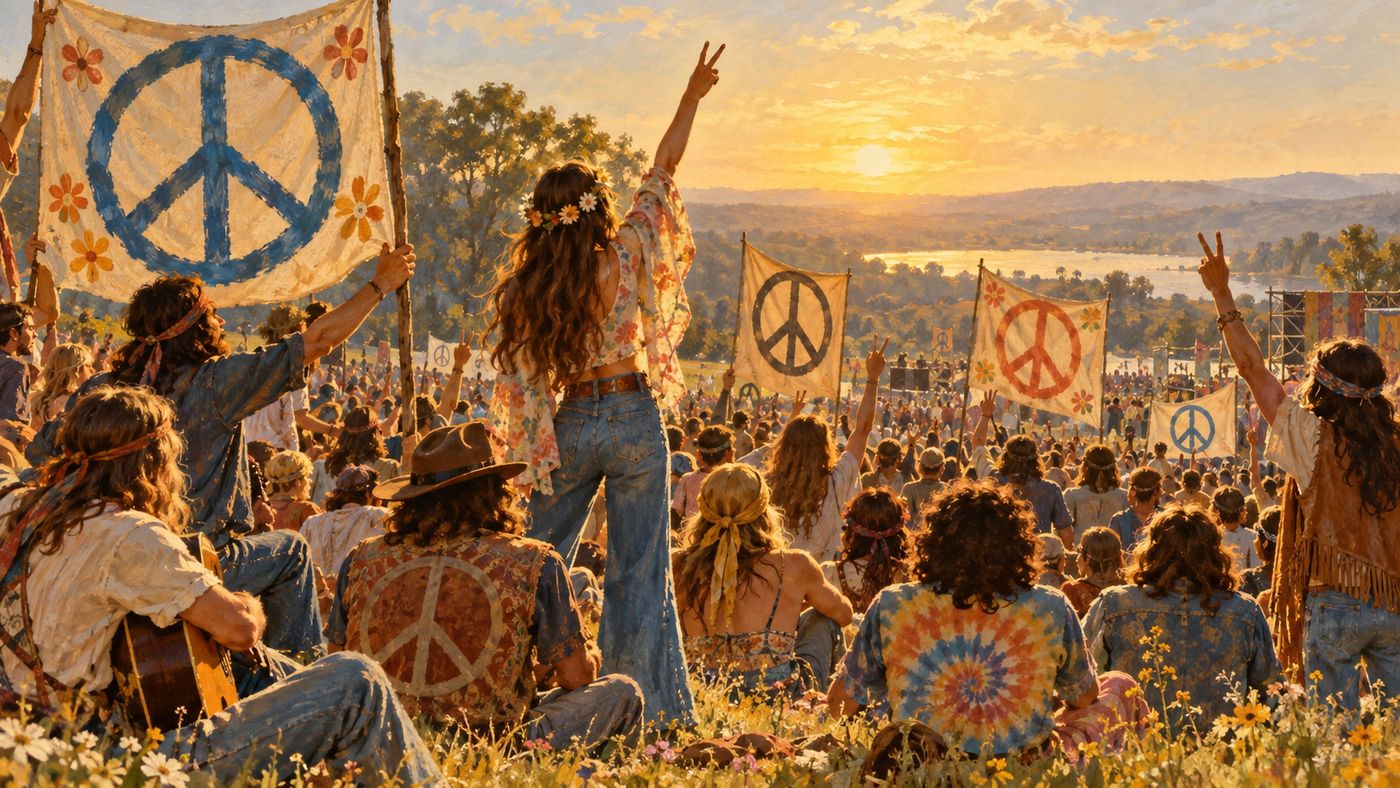
On October 11, 1971, John Lennon released "Imagine" as a single in the United States, introducing to radio audiences a song he had written and recorded at his estate at Tittenhurst Park in Berkshire, England. The song arrived just over a year after the Beatles had formally dissolved, and it carried the philosophical ambitions that Lennon had been developing through his peace activism and his collaboration with Yoko Ono — a vision of a world without the divisions of religion, nationality, and private property that he believed caused most human conflict. The melody was simple enough to be hummed by anyone who heard it once. The lyrics asked something more difficult: to imagine, seriously and without irony, a world organized around human solidarity rather than the categories that separate people from one another.
The song reached number three on the Billboard Hot 100 on its initial release and number one in the United Kingdom. After Lennon's murder in December 1980, it returned to the charts and has remained in continuous cultural circulation ever since — performed at Olympic ceremonies, at memorial services, at political rallies across the ideological spectrum, and at virtually every moment of collective grief or aspiration that has required music equal to the occasion. It has been criticized as naive, celebrated as visionary, and covered by artists in virtually every genre and language. Lennon himself, asked about the song's politics, described it as "anti-religious, anti-nationalistic, anti-conventional, anti-capitalistic" — but said he had wrapped those ideas in enough sugar to make them palatable. More than fifty years later, the medicine is still going down, and the world is still being invited to imagine.