November 2: The First Broadcast, the Holiday Signed, the Archduchess Born
Beginnings are deceptive. The first regular high-definition television broadcast reached a few hundred households in London and looked, to most of the world, like a curiosity. The signing ceremony in the White House Rose Garden was the culmination of fifteen years of effort and marked a recognition that had been withheld far too long. And in a palace in Vienna, a fifteenth child was born to an empress who had already produced fourteen, without any particular fanfare — a girl who would be sent to France at fourteen to marry a future king, and whose name would become one of the most debated in European history. Three November 2nds. Three beginnings that nobody present could fully see the end of.
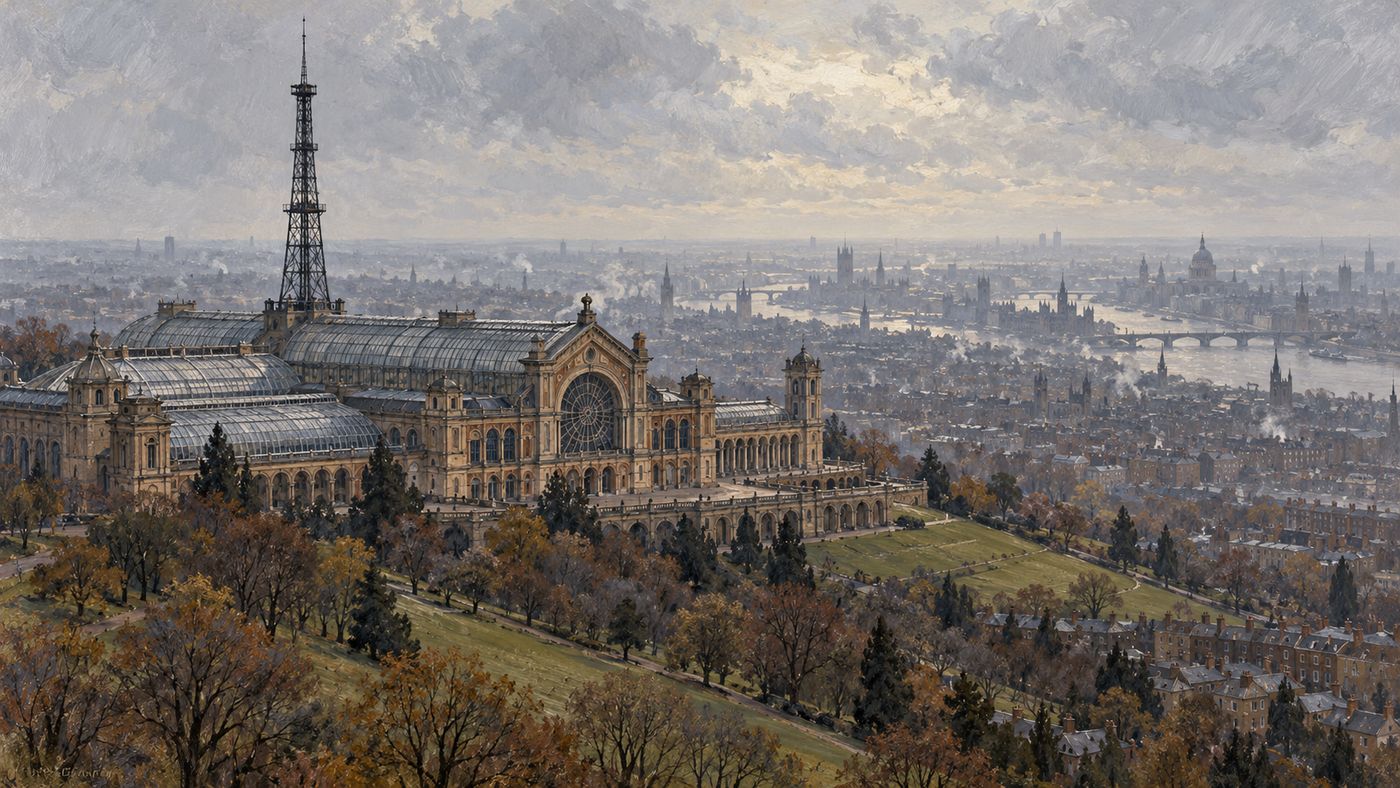
Alexandra Palace, 1936
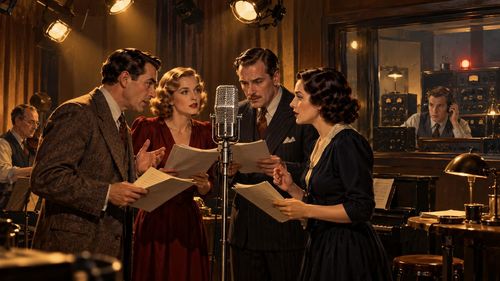
On November 2, 1936, the British Broadcasting Corporation launched the world's first regular high-definition television service from the transmitter at Alexandra Palace in North London, initiating daily broadcasts to the roughly four hundred television sets then in existence in the greater London area. The opening program featured a variety of performances — a speech, some dancing, a comedy act — transmitted to an audience so small that the BBC could, in theory, have personally invited every viewer. The technology that made it possible, an electronic scanning system developed by engineer Isaac Shoenberg and his team at EMI, represented a decisive advance over the mechanical television systems that had preceded it and established the basic technical principles that would govern television broadcasting for decades. The BBC was broadcasting two hours a day. Within twenty years, television would be in the majority of British homes.
The service was suspended in September 1939 when World War II began — the BBC cut transmission mid-Mickey Mouse cartoon when the decision was made, and resumed in 1946 with the same Mickey Mouse cartoon, a gesture that has become one of broadcasting's more charming pieces of institutional memory. What the BBC inaugurated on November 2, 1936 was not merely a new technology but a new relationship between a culture and its media — a daily, domestic, intimate form of mass communication that would reshape politics, entertainment, family life, and the shared experience of nationhood in ways that nobody gathered at Alexandra Palace that afternoon could have fully anticipated. The few hundred households that owned television sets in November 1936 were receiving something whose implications would take the rest of the century to fully unfold.
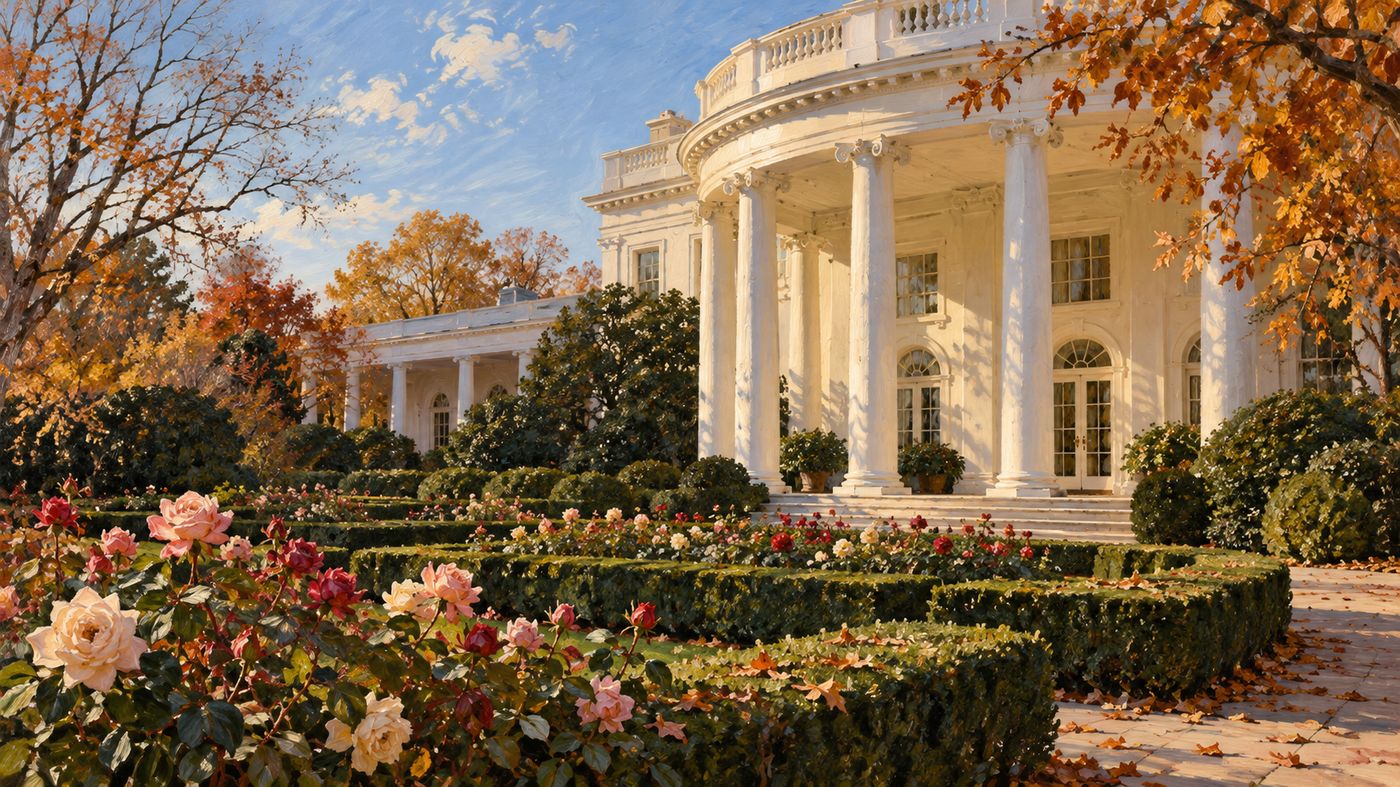
The Rose Garden
On November 2, 1983, President Ronald Reagan signed the legislation establishing Martin Luther King Jr. Day as a federal holiday — making King the first African American and only the third individual American to be honored with a national holiday, after George Washington and Christopher Columbus. The ceremony in the White House Rose Garden was attended by Coretta Scott King, members of the Congressional Black Caucus, and civil rights leaders who had spent fifteen years campaigning for exactly this recognition. The bill had been introduced in Congress first in 1968, the year of King's assassination, and had been reintroduced in every subsequent session of Congress before finally passing with broad bipartisan support in 1983. Reagan had initially expressed reservations about the holiday and had suggested privately that questions remained about King's associations — a comment that drew significant criticism and that he later stepped back from.
The holiday Reagan signed into law that November afternoon was designated for the third Monday in January, near King's January 15 birthday, beginning in 1986. It was not immediately observed by all states — some states combined it with existing holidays or gave it different names, and full uniform observance across all fifty states did not occur until 2000. The day that Congress eventually mandated — a federal holiday asking Americans to reflect on King's legacy and the ongoing work of racial justice — is now one of the most widely observed days in the American calendar, marked by volunteer service, commemorations, and the annual tradition of revisiting King's words in a country still measuring the distance between where it is and where he asked it to go.
The Fifteenth Child
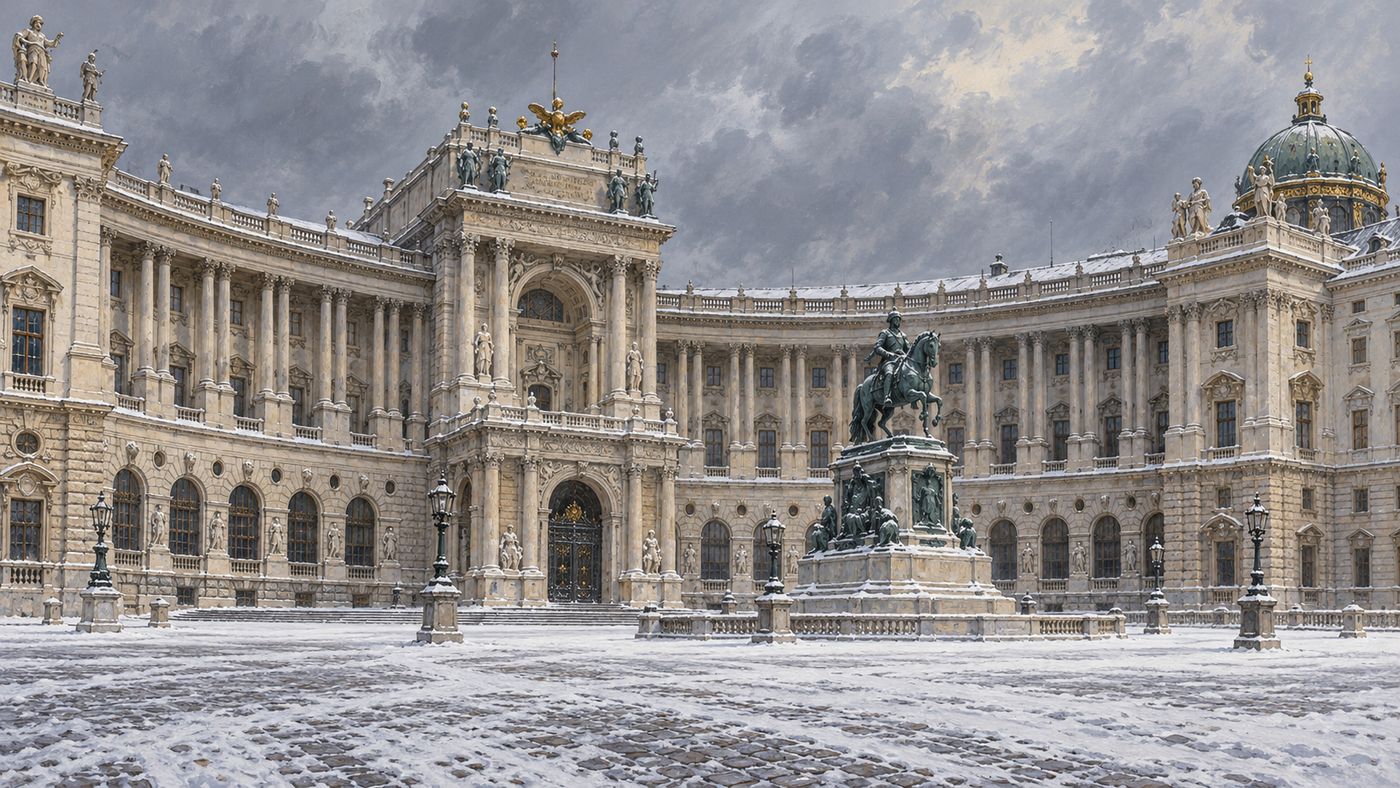
On November 2, 1755 — the same date, by coincidence, that the Lisbon earthquake was devastating Portugal — Maria Antonia Josepha Johanna was born at the Hofburg Palace in Vienna, the fifteenth of sixteen children of Empress Maria Theresa of Austria and Emperor Francis I of the Holy Roman Empire. She was given the names of saints and family members in the Habsburg tradition and raised in the most powerful dynasty in Europe, trained from infancy in the arts, languages, and social performances that royal children of the era were expected to master. She was also raised with the clear understanding that her primary value to the dynasty was diplomatic: as the youngest surviving daughter of the Habsburgs, she would eventually be deployed in a dynastic marriage designed to strengthen Austria's political alliances. The marriage that was arranged for her, to the Dauphin of France, was decided when she was ten years old.
She arrived in France in 1770 at the age of fourteen — stripped at the border of everything Austrian, including her clothing, her dog, and her attendants, in a ceremony designed to emphasize that she now belonged entirely to her new country — and was married to the future Louis XVI within days of her arrival. As Queen of France she became one of the most scrutinized, caricatured, and mythologized women in European history, her name attached to extravagances both real and invented, her image deployed by revolutionary propagandists to embody everything the old regime had gotten wrong. She was executed on October 16, 1793 — a date we have already marked in this series — at the age of thirty-seven. The girl born at the Hofburg on November 2, 1755, had spent her entire life as an instrument of other people's political calculations, and history has been arguing about her ever since.