June 12: Tear Down This Wall, A Diary for Her Birthday, Democracy on Trial in India
Some June 12s arrive already carrying the weight of what they will become. A president standing at the most visible symbol of the Cold War's division delivers a line that every speechwriter on his staff had tried to remove from the draft — and the line becomes, in retrospect, one of the decade's most resonant sentences. A thirteen-year-old girl receives a diary for her birthday and begins to write, with no knowledge that what she is writing will be read by millions. And a high court in India rules against a sitting prime minister and triggers a constitutional crisis that reveals how fragile the machinery of democracy can be when the person it constrains refuses to accept the verdict. Three stories about what happens when history asks more of a moment than the people inside it expected to give.
Brandenburg Gate, 1987
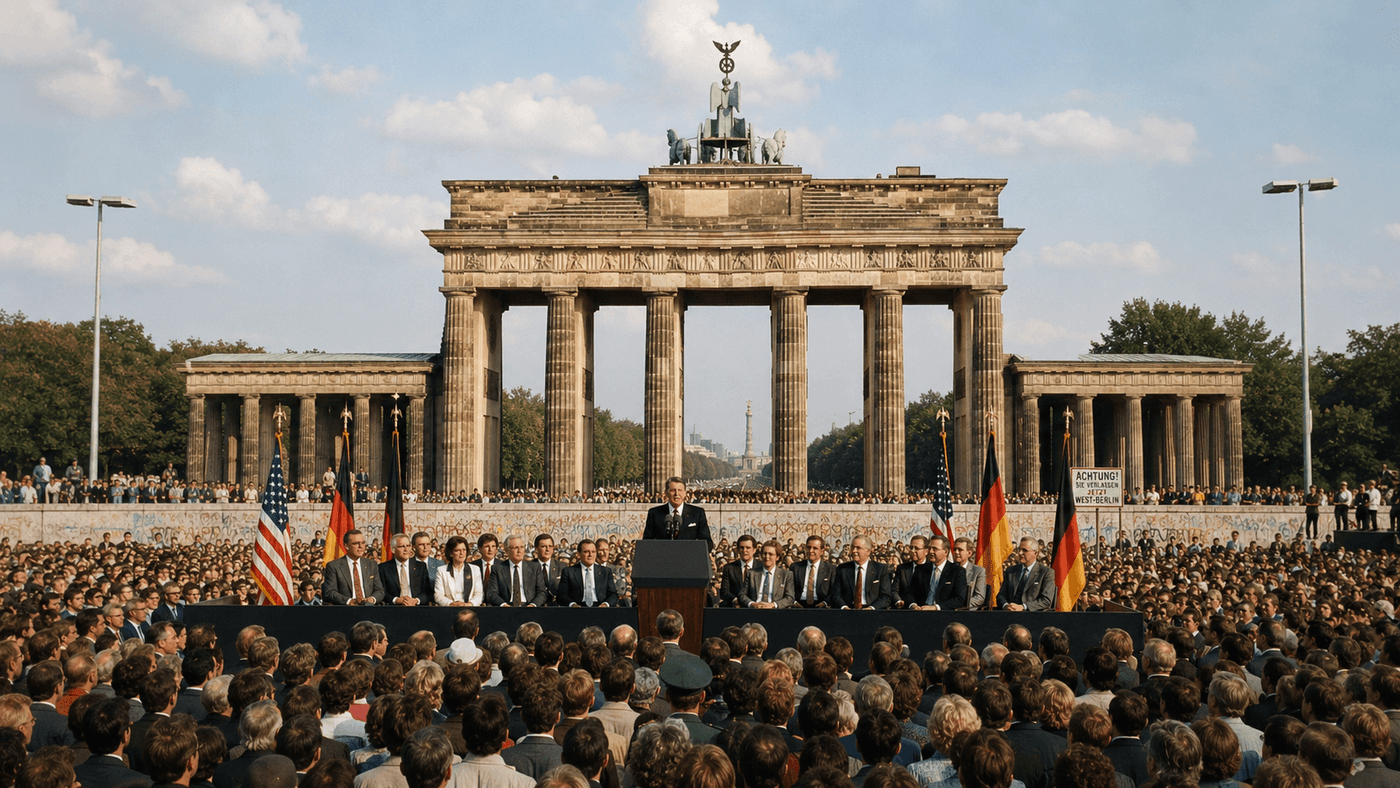
On June 12, 1987, President Ronald Reagan stood at the Brandenburg Gate in West Berlin — the most symbolically charged location in divided Europe — and delivered a speech that his own State Department and National Security Council had tried three times to have revised. The line "Mr. Gorbachev, tear down this wall!" had been drafted by speechwriter Peter Robinson, who had visited Berlin in advance of the trip and been told by ordinary West Berliners that they hated the wall and wanted it gone. Senior officials in the State Department and NSC judged the phrase too provocative, too simplistic, and too likely to embarrass Gorbachev at a moment when the Reagan administration was pursuing arms control negotiations. Reagan disagreed. He kept the line through three rounds of revision and delivered it twice, for emphasis, before the crowd of forty-five thousand West Berliners who had gathered at the Tiergarten.
The speech's immediate impact was limited — Gorbachev did not tear down the wall on schedule, the Soviet press largely ignored the address, and the diplomatic establishment's concern that it was counterproductive turned out to be overstated rather than validated. What changed was the atmosphere: the Brandenburg Gate speech gave the growing democratic movements in Eastern Europe a phrase, and more importantly a sense that the most powerful nation in the Western alliance was fully committed to the proposition that the wall should not exist. Two years and five months later, on November 9, 1989, crowds of East and West Berliners dismantled the wall without a shot being fired. Reagan was out of office by then, but the line he insisted on delivering on June 12, 1987, had become part of the intellectual environment in which that extraordinary night became possible. The wall came down. The sentence endured.
The Diary
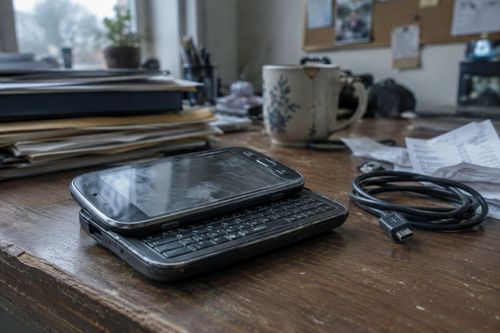
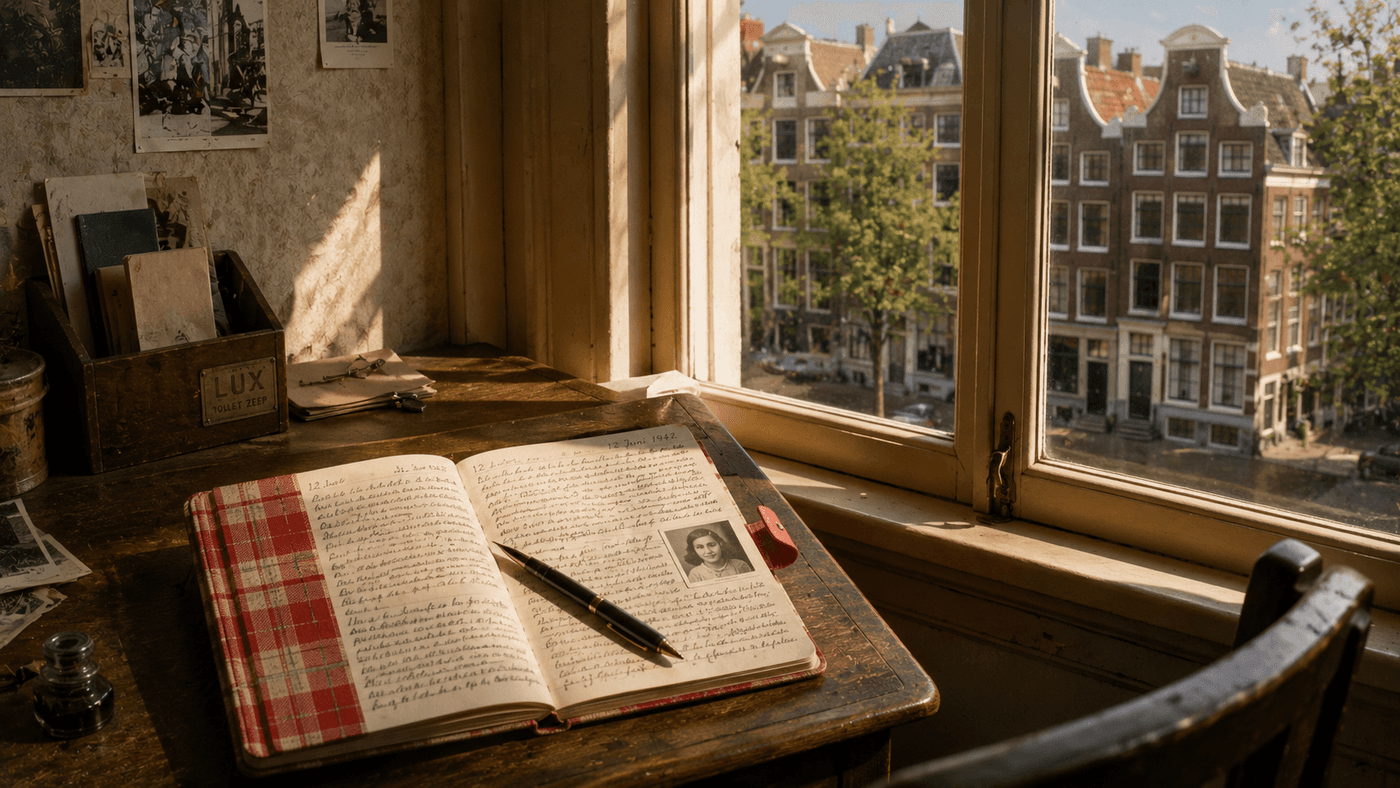
On June 12, 1942, Annelies Marie Frank turned thirteen years old in Amsterdam, and among the gifts her parents gave her was a small red-and-white checkered diary with a clasp. She had seen it in a shop window and wanted it, and her father Otto had bought it for her. She began writing in it that day, addressing her entries to an imagined friend she called Kitty, and she wrote with a directness, humor, and self-awareness that was remarkable for her age and extraordinary given what surrounded her. The Franks were a German Jewish family who had fled to the Netherlands after Hitler came to power in 1933 and had been living under the increasing restrictions of Nazi occupation since 1940. Within three weeks of Anne's birthday, the family would receive a call-up notice for Anne's older sister Margot — an order to report to a labor camp — and the Franks would go into hiding in a sealed annex of the building where Otto Frank ran his business. Anne took the diary with her.
The Frank family remained in the Secret Annex for two years and one month. Anne continued writing throughout — about the claustrophobia of hiding, about her relationships with the other people in the annex, about her aspirations to become a writer, about the wider world she could only imagine from her concealed rooms. On August 4, 1944, the annex was raided by the Gestapo following a tip whose source has never been definitively identified, and its occupants were arrested and deported. Anne died of typhus at Bergen-Belsen concentration camp in February or March 1945, a few weeks before the camp was liberated by British forces. She was fifteen years old. Otto Frank survived Auschwitz, returned to Amsterdam, and was given the diary by Miep Gies, who had hidden it after the raid. He spent years preparing it for publication; The Diary of a Young Girl was first published in Dutch in 1947. It has since been translated into more than seventy languages and has sold an estimated thirty million copies. The diary given to a thirteen-year-old on June 12, 1942 has become one of the most widely read documents of the twentieth century — a small, personal record that bears witness to something enormous.
The Verdict and the Emergency
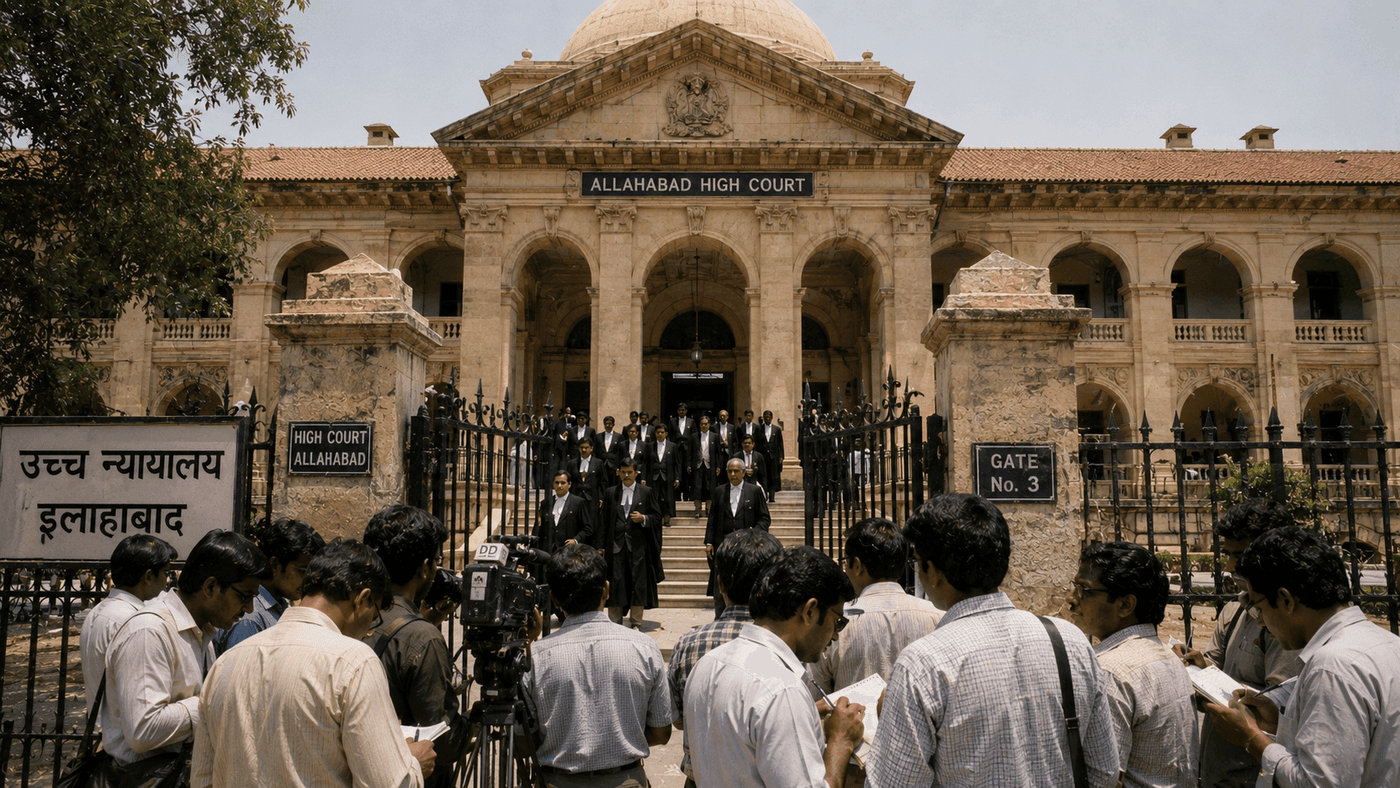
On June 12, 1975, the Allahabad High Court ruled that Indian Prime Minister Indira Gandhi had violated election law during her 1971 general election campaign, specifically by using a government official to assist her campaign in ways prohibited by the Representation of the People Act. The ruling invalidated her election to Parliament and, by extension, her position as prime minister, and barred her from holding elected office for six years. Gandhi had dominated Indian politics since becoming prime minister in 1966 — the daughter of Jawaharlal Nehru, India's first prime minister, she had consolidated enormous personal power, nationalized banks, split the Congress Party, led India through the 1971 war with Pakistan, and overseen the creation of Bangladesh. The court ruling represented, in theory, exactly what the rule of law in a democracy was supposed to produce: accountability for the powerful.
Gandhi's response destroyed that theory. Rather than resign and appeal the verdict through normal legal channels, she declared a national Emergency on June 25, 1975 — invoking a constitutional provision that suspended civil liberties, imposed press censorship, allowed imprisonment without trial, and effectively gave her government authoritarian powers. The Emergency lasted twenty-one months, during which thousands of political opponents were imprisoned, a forced sterilization program was carried out under her son Sanjay Gandhi, slums were demolished, and the press was placed under strict government control. Gandhi called elections in 1977, apparently convinced she would win; she lost decisively, and the Emergency ended. She returned to power in 1980 and was assassinated by her own bodyguards in 1984. The Allahabad verdict of June 12, 1975, is a case study in what democratic institutions can and cannot achieve: the court ruled correctly and bravely, and the prime minister it ruled against simply used her power to override the ruling. The machinery of accountability worked. The person it was designed to constrain did not accept the constraint. It is a story that has not become less relevant with time.