July 13: Three Words, a Last Walk, and the World's Game
July 13 is a day for things that begin small and become vast. In 2013, three women posted three words on social media in response to a verdict that had left them devastated, and those three words grew into one of the most significant social movements of the twenty-first century. Fifty-eight years earlier, a woman in London walked to a gallows and became the last of her kind — the final person executed for murder in the United Kingdom, her death igniting a public reckoning that would abolish capital punishment within a decade. And in 1930, on the other side of the world, thirteen nations gathered in Montevideo for a tournament nobody quite knew how to run, and launched the most watched sporting event on the planet. Three beginnings dressed as endings, three endings that turned out to be something else entirely.
Three Words
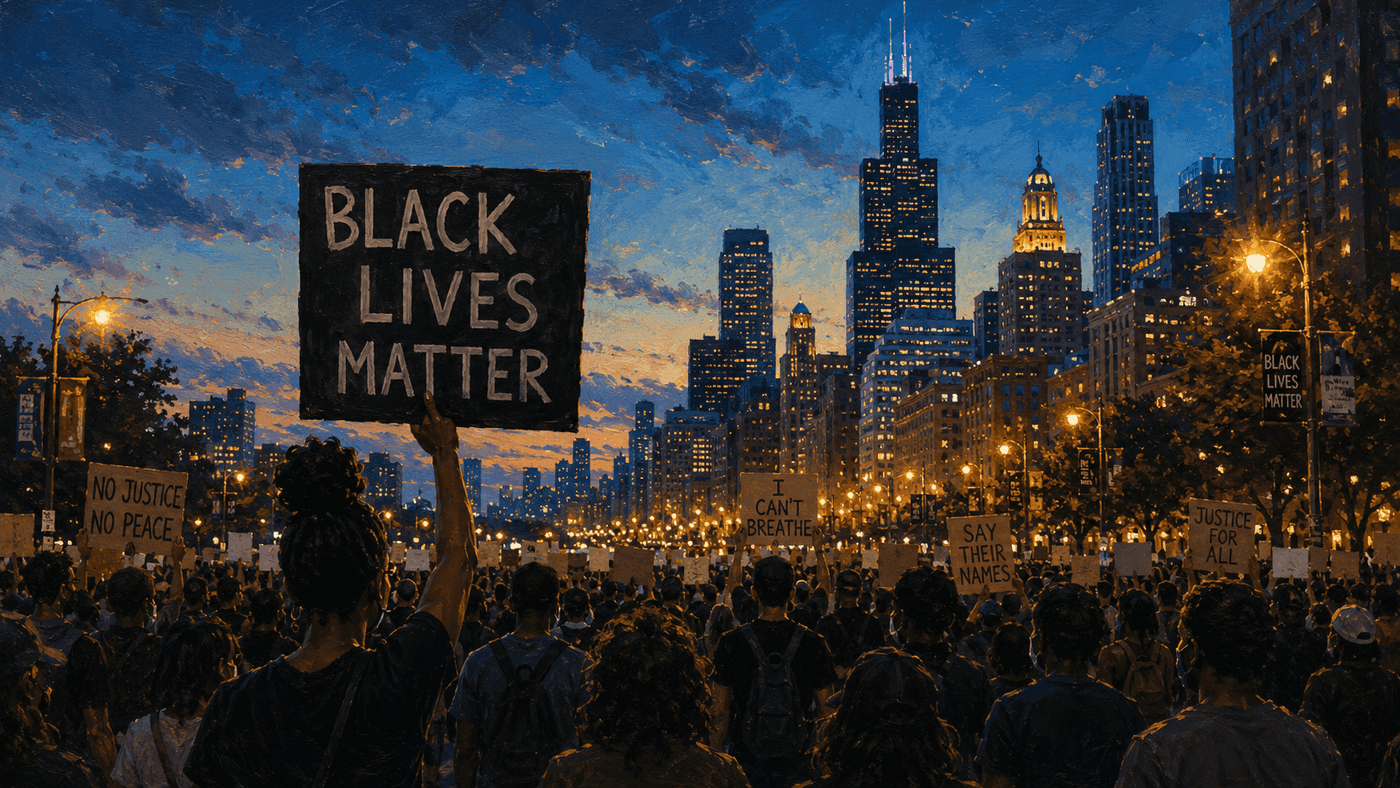
On July 13, 2013, a Florida jury acquitted George Zimmerman in the shooting death of Trayvon Martin, a seventeen-year-old Black teenager whom Zimmerman had followed, confronted, and killed in a gated community in Sanford, Florida, in February 2012. The verdict landed like a blow across much of Black America and among civil rights advocates nationwide. That night, Alicia Garza, a community organizer in Oakland, wrote what she later described as a love letter to Black people on Facebook — a message of grief, defiance, and affirmation that her friend and fellow activist Patrisse Cullors shared with the hashtag #BlackLivesMatter. A third co-founder, Opal Tometi, helped build out the network's digital infrastructure. Three women. Three words. The beginning of something none of them could have fully anticipated.
The hashtag simmered for a year before the deaths of Michael Brown in Ferguson, Missouri, and Eric Garner in Staten Island in the summer of 2014 sent it to the center of American public life. By the time George Floyd was killed in Minneapolis in May 2020, Black Lives Matter had become a global phenomenon: protests erupted in more than sixty countries, the phrase appeared on murals, in corporate statements, in legislative debates, and on the streets of cities from Los Angeles to London to Sydney. The movement it named was decentralized by design — a network of local chapters rather than a hierarchical organization — which made it both resilient and difficult to define. Its critics argued it was destabilizing; its supporters argued it was documenting what had always been true. The three words posted on July 13, 2013, did not resolve any of those arguments. They made it impossible to pretend the arguments did not exist.
The Last
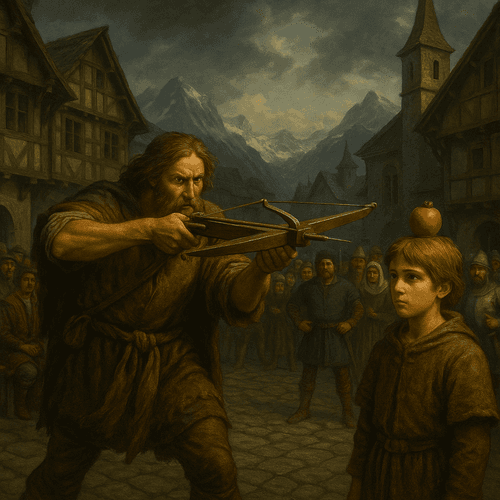
On the morning of July 13, 1955, Ruth Ellis — twenty-eight years old, a nightclub hostess and former model — was hanged at Holloway Prison in London, becoming the last woman to be executed for murder in the United Kingdom. Ellis had confessed without hesitation to shooting her lover, David Blakely, outside a Hampstead pub on Easter Sunday 1955, emptying a revolver into him in front of witnesses. At trial she offered no defense and seemed to have little interest in saving her own life. The jury deliberated for fourteen minutes. The judge sentenced her to death. What the trial had not fully explored — and what the weeks between sentencing and execution forced the British public to confront — was the relationship itself: a years-long pattern of violence and psychological abuse that Ellis had endured from Blakely, and that had preceded the night outside the pub.
The public reaction to Ellis's execution was unlike anything that had greeted a hanging in Britain for years. Petitions for clemency drew tens of thousands of signatures. Newspapers that had covered her trial as a scandal reconsidered their framing in light of the context emerging about her relationship with Blakely. The Home Secretary declined to intervene. Ellis was hanged on schedule, and the discomfort her death produced did not dissipate — it accumulated. Within a decade, Britain had abolished capital punishment: the Murder (Abolition of Death Penalty) Act 1965 suspended executions, and they were never reinstated. Ruth Ellis did not set out to become a symbol of anything. She was a woman in a desperate situation who made a terrible choice under circumstances the law of her era was not equipped to weigh fairly. But her death on July 13, 1955, forced a nation to ask whether the state's power to kill was one it should continue to exercise — and Britain's answer, arrived at slowly and painfully, was no.

Montevideo, 1930
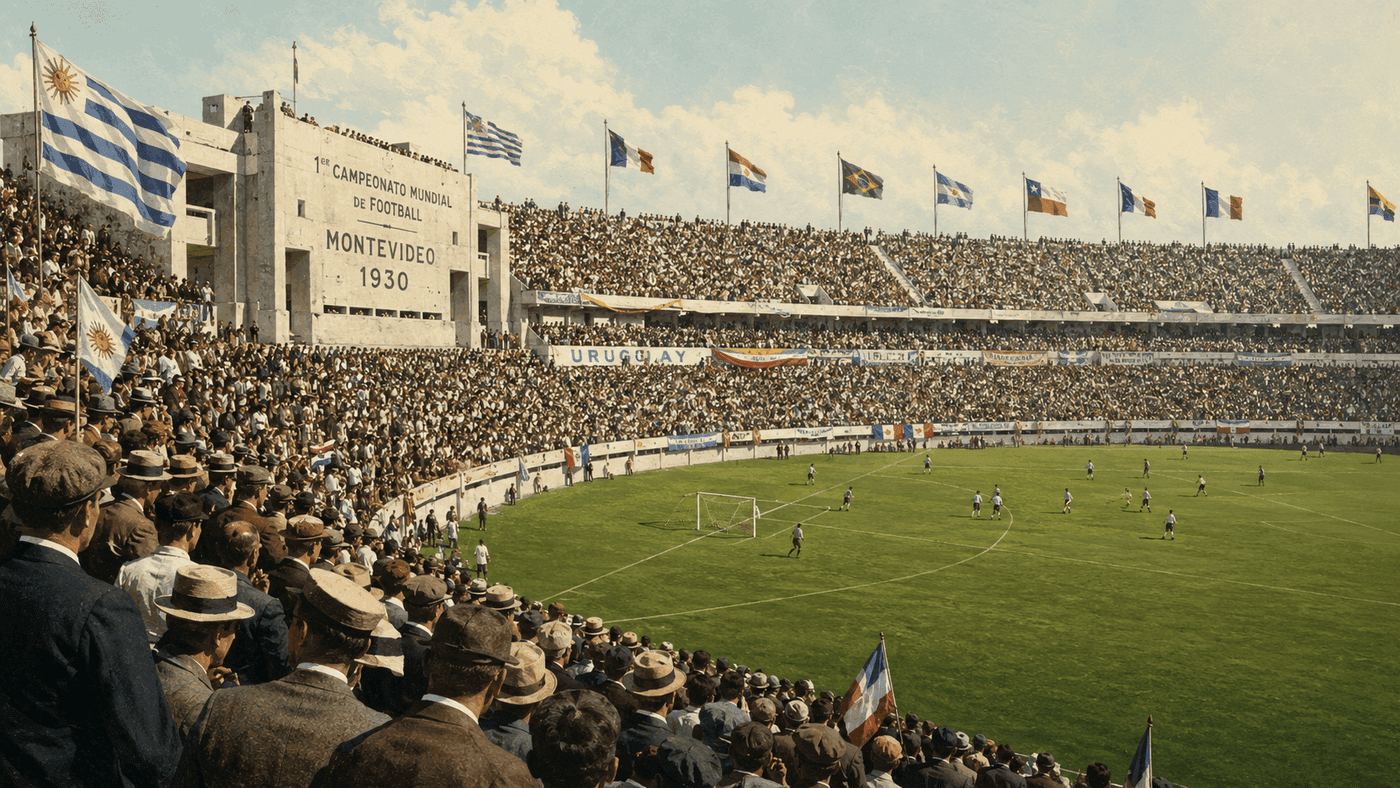
On July 13, 1930, the first FIFA World Cup kicked off in Montevideo, Uruguay, with France defeating Mexico 4–1 and the United States defeating Belgium 3–0 in the tournament's opening matches. Thirteen nations had made the journey to South America — a smaller field than FIFA had hoped, as several European powers declined to travel the considerable distance — and the tournament was played across three stadiums in and around the Uruguayan capital over the course of eighteen days. Uruguay had been awarded hosting rights in recognition of the country's centenary of independence and its back-to-back Olympic football titles in 1924 and 1928. The infrastructure was still being built when the teams arrived; the Estadio Centenario, the tournament's primary venue, was not completed until several days into the competition.
The tournament that began so modestly on July 13, 1930, has become the most watched sporting event in human history. Uruguay defeated Argentina 4–2 in the final before a crowd of approximately 68,000 — a match played with such intense local passion that Argentine fans who had crossed the Río de la Plata for the game were searched for weapons at the stadium entrance. The World Cup has been held every four years since, interrupted only by the Second World War, growing from thirteen nations in 1930 to thirty-two in the modern era, with proposals to expand to forty-eight. The 2022 final in Qatar drew an estimated 1.5 billion television viewers worldwide. The small South American nation that hosted a football tournament in an unfinished stadium in 1930 had started something that would eventually be watched by a fifth of the human race. They also won it. Both things seemed, at the time, entirely appropriate.