October 27: The Curse Ends, the Subway Begins, Plath Is Born
Some things take longer than they should. The Boston Red Sox spent eighty-six years finding new and increasingly theatrical ways to lose before finally winning the thing they had been built to win. New York City spent decades building surface rail and elevated lines before deciding to go underground, and when it did, it built something that 150,000 people rode on the first weekend and that has never stopped running since. And Sylvia Plath spent thirty years on this earth producing poetry and prose of such controlled ferocity that the literary world was still unpacking it decades after her death. October 27 belongs to all three: a team that finally got there, a city that finally went under, and a poet who always knew exactly what was beneath the surface.
The Impossible Win
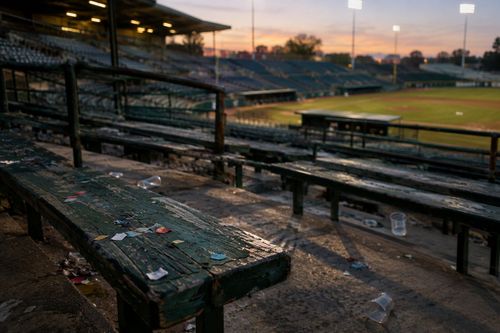
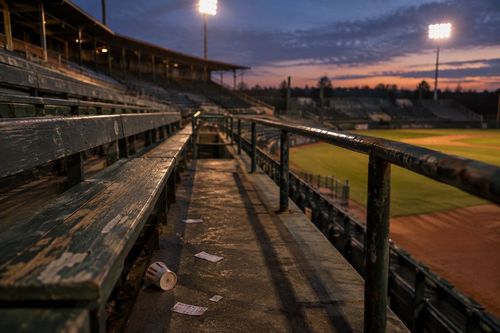
On October 27, 2004, Keith Foulke fielded a ground ball and tossed to first base, and the Boston Red Sox were World Series champions for the first time since 1918. The 3-0 victory over the St. Louis Cardinals in Game 4 completed a four-game sweep that arrived after the most unlikely comeback in baseball postseason history — the Red Sox had been down three games to none against the New York Yankees in the American League Championship Series before winning four straight games to advance, becoming the only team in baseball history to recover from such a deficit. New England received the news with the kind of disbelief that eighty-six years of accumulated heartbreak produces: celebrations that felt, for many fans, less like joy than like the sudden release of something that had been held too long.
The "Curse of the Bambino" — the folk mythology that attributed the Red Sox's eighty-six-year championship drought to the 1920 sale of Babe Ruth to the New York Yankees — was always more legend than history, a narrative imposed on a long run of misfortune to give it shape and meaning. But the losses that fed it were real, and they had accumulated into something that felt almost deliberate: the 1986 World Series ground ball through Bill Buckner's legs, the 1978 playoff loss to the Yankees on a Bucky Dent home run that had no business clearing the Green Monster, the near-misses that stretched across generations of fans. The 2004 championship did not simply end a drought. It dissolved a mythology that three generations of New Englanders had lived inside, and replaced it with something that felt, for one October night in St. Louis, like the uncomplicated happiness of a team that had finally done what it had been trying to do for most of a century.

City Hall Station
On October 27, 1904, Mayor George McClellan climbed into the cab of a Interborough Rapid Transit train at City Hall Station and drove it himself — reportedly refusing to relinquish the controls to the motorman until the train reached 96th Street — as New York City inaugurated the subway system that would define urban transit for the century to follow. The line that opened that day ran from City Hall north through Manhattan to 145th Street in Harlem, with twenty-eight stations covering nine miles of track. The engineering required to build it had consumed four years and a workforce of seven thousand men digging through the bedrock and schist of Manhattan island, often just feet below the city's crowded streets. When regular service began the following day, 150,000 passengers rode the line — a number that suggested how profoundly the city had been waiting for exactly this.
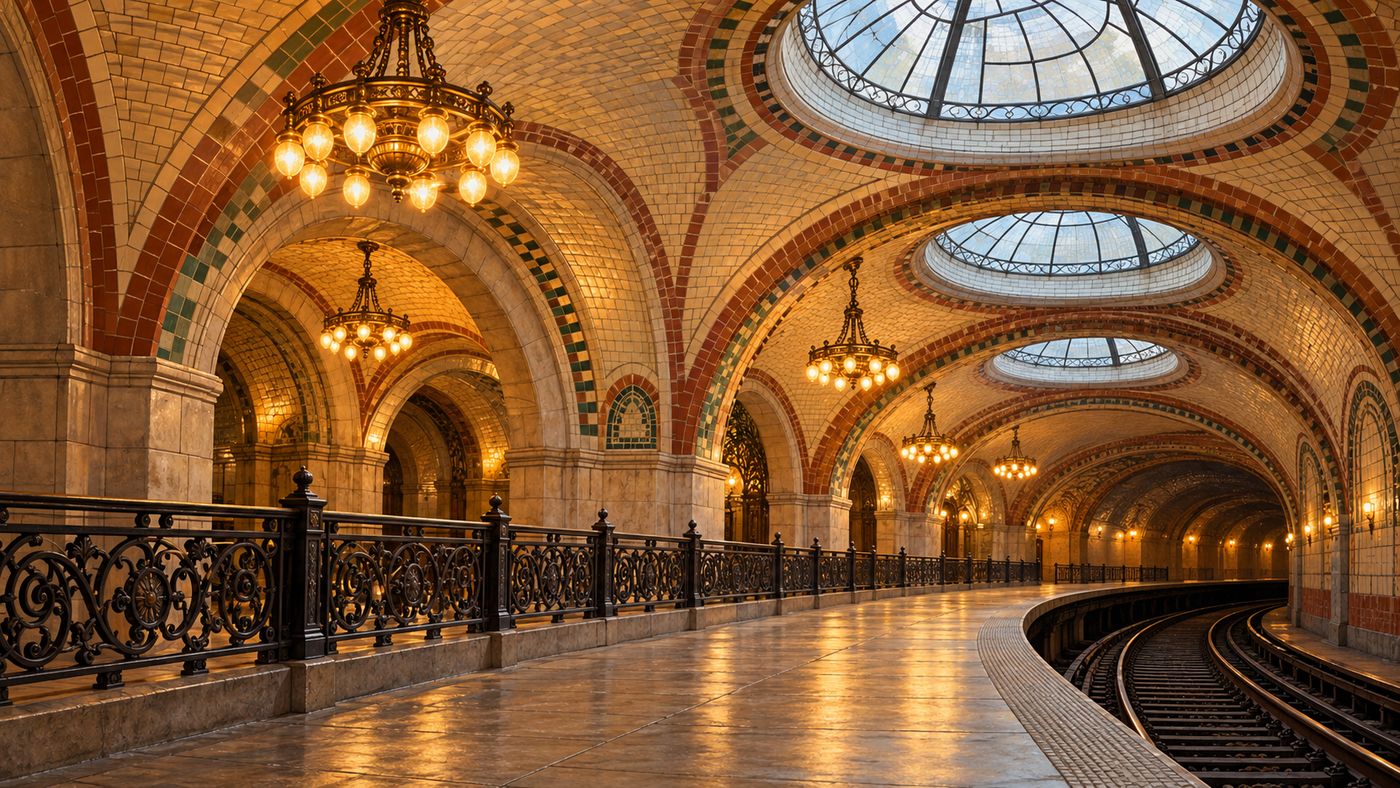
The New York City subway that opened on October 27, 1904 has never stopped running. It operates twenty-four hours a day, seven days a week — one of the only subway systems in the world to do so — and today carries more than three million passengers on a typical weekday across 472 stations and 245 miles of routes. It has been the setting for films, novels, and countless acts of ordinary urban life, and it remains, despite its well-documented problems with aging infrastructure, delays, and maintenance backlogs, the circulatory system through which New York City lives. The elegant City Hall Station that served as the original terminus — with its Guastavino tile vaulted ceilings and skylights — was closed to passengers in 1945 because its curved platform could not accommodate longer modern trains. It still exists, pristine and empty, visible to passengers on the 6 train if they stay on past the last stop and watch through the windows as the train loops back around.
October Born
On October 27, 1932, Sylvia Plath was born in Boston, Massachusetts, to Otto Plath, a German immigrant professor of biology whose specialty was bees, and Aurelia Plath, a teacher of Austrian-American descent. She published her first poem at eight years old. By the time she died in London in February 1963 at the age of thirty, she had produced a body of work — the novel The Bell Jar, the poetry collection Ariel, journals, short stories, and letters — that has been read, taught, and argued over ever since with an intensity that few writers receive while alive and fewer still accumulate after death. The poetry in particular is remarkable: dense, controlled, formally precise, and carrying beneath its technical surface an emotional register so direct it can feel almost inappropriate, as if Plath had decided that the conventions of poetic distance were a form of dishonesty she was not willing to practice.
Plath's legacy has been complicated by the circumstances of her death — she died by suicide — and by the long custody dispute over her literary estate, conducted primarily through the figure of her estranged husband, the British poet Ted Hughes, who controlled her papers and made editorial decisions about her published work that remain controversial. Ariel, published posthumously in 1965 in a version Hughes edited, differed significantly from the manuscript Plath had arranged before her death. The original ordering was finally published in 2004. The question of who owns a writer's work — literally and interpretively — has been asked in Plath's shadow ever since. What is not in dispute is what the work itself does: it reaches through the page with a precision and a pressure that decades have not diminished, and it continues to find readers for whom it is not simply good poetry but something closer to recognition.