July 31: The Man Who Vanished, the Moon Up Close, and the Fog Over Logan
July 31 is a day for visibility — for what can and cannot be seen, found, or known. In 1975, one of the most powerful labor leaders in American history walked into a suburban Detroit parking lot and was never seen again, leaving behind a mystery that has generated theories, searches, and congressional hearings for half a century without producing a definitive answer. Eleven years earlier, a NASA spacecraft ended a streak of failures and sent back 4,300 photographs of the lunar surface — the first close-up images of another world ever captured, offering a clarity that no telescope on earth could match. And in 1973, a commercial airliner made its final approach to Logan Airport in Boston through heavy fog, descended below the glideslope, and struck a seawall in the dark, killing all 89 people aboard. Three July thirty-firsts. Three stories about what happens when something critical slips out of view.
Machus Red Fox
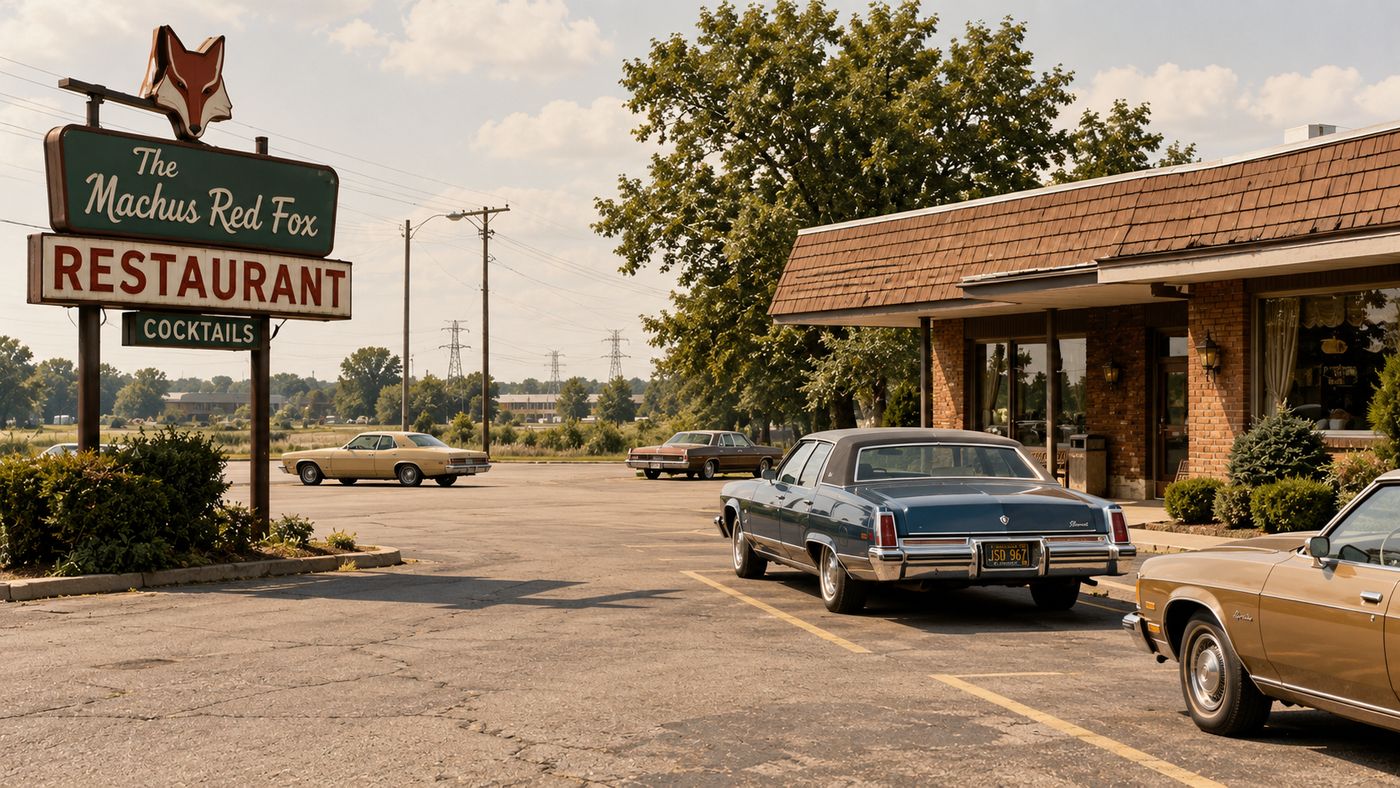
On July 31, 1975, James Riddle Hoffa — former president of the International Brotherhood of Teamsters, the most powerful private-sector union in the United States — was last seen in the parking lot of the Machus Red Fox restaurant in Bloomfield Township, Michigan, a suburb northwest of Detroit. He had arrived for what he believed was a meeting with two organized crime figures, Anthony Provenzano and Anthony Giacalone. Neither man appeared. Hoffa made several phone calls from a nearby phone booth, the last of which was received by his wife, and then was gone. He was sixty-two years old. No body was ever found. No one was ever charged with his disappearance. In 1982, seven years after he vanished, James Hoffa was declared legally dead.
The disappearance of Jimmy Hoffa is the most famous unsolved case in American organized crime history, and the theories surrounding it have accumulated for five decades with no resolution. Hoffa had built the Teamsters into a colossus — 1.5 million members at its peak, contracts covering virtually every sector of American freight and transport — through a combination of genuine organizing skill, tactical ruthlessness, and alliances with organized crime figures that eventually brought him into direct conflict with Attorney General Robert Kennedy. He served four years of a thirteen-year federal sentence for jury tampering and fraud before President Nixon commuted his sentence in 1971, on the condition that he not engage in union activities until 1980. Hoffa was attempting to regain control of the Teamsters when he disappeared — a goal that powerful people within both the union and organized crime had reason to prevent. The FBI has conducted multiple searches of sites suggested by informants over the years, including the floor of a Detroit home in 2023, without finding him. The parking lot where he was last seen is now a shopping center. Jimmy Hoffa has not been found.
4,308 Photographs
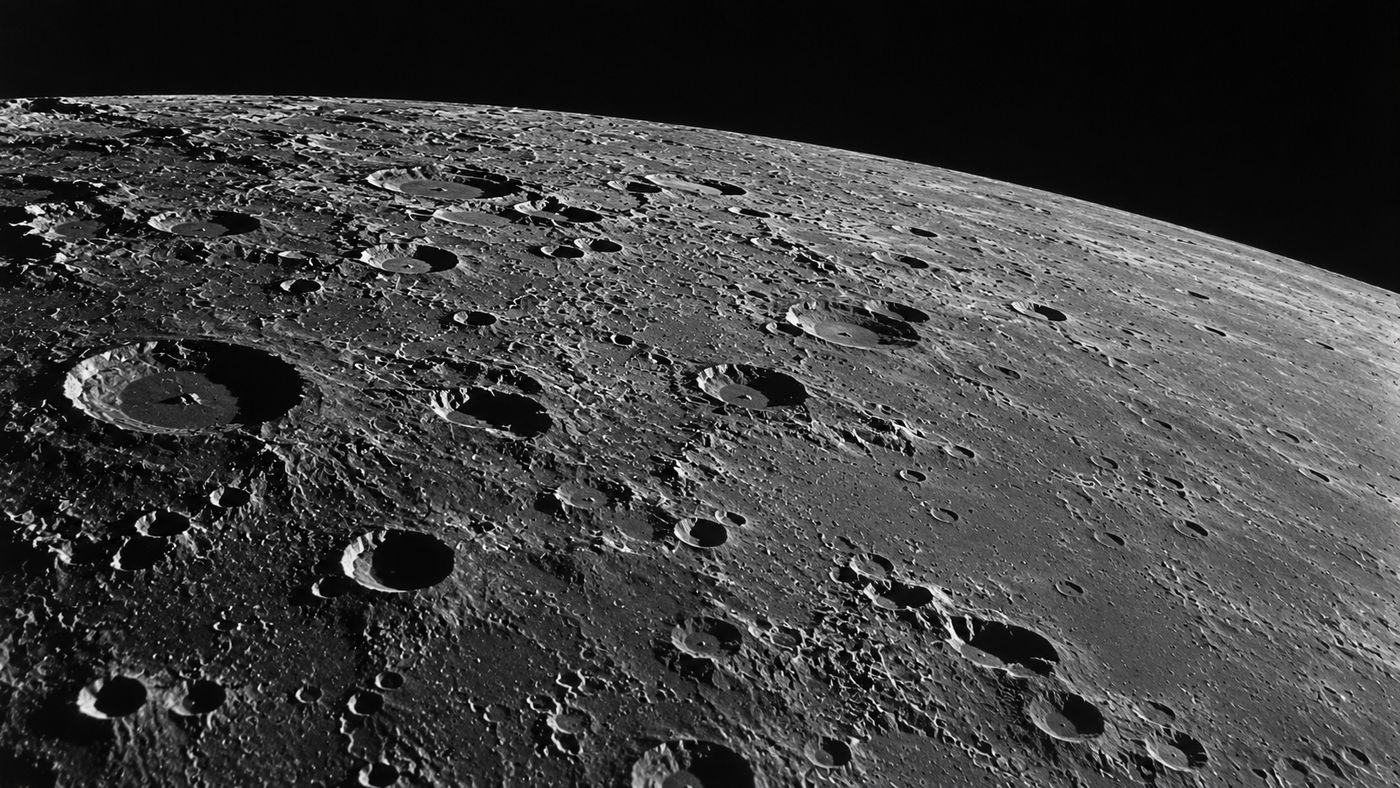
On July 31, 1964, NASA's Ranger 7 spacecraft transmitted the first close-up photographs of the moon's surface ever captured, sending 4,308 high-resolution images back to Earth in the final minutes before it impacted the lunar surface as planned. The images showed the moon in a detail no telescope had ever achieved — craters within craters, rocky plains, the complex and layered topography of a world that humanity had been studying from a distance for thousands of years. Ranger 7 was the first fully successful mission in NASA's troubled Ranger program, which had been tasked with providing the surface imagery and data needed to plan crewed lunar landings. Six previous Ranger missions had failed, through a combination of launch failures, guidance errors, and camera malfunctions that had drawn congressional criticism and public embarrassment. Ranger 7's success broke the losing streak and delivered the data scientists had been waiting for.
The photographs transmitted on July 31, 1964, were scientifically critical and publicly captivating. They showed that the lunar surface, while cratered, was smoother in places than scientists had feared — a finding that had direct implications for the feasibility of a crewed landing, since some theoretical models had predicted that the surface might be covered in deep dust that would swallow a spacecraft. The images were shown on live television as they arrived, drawing audiences who watched the moon's surface resolve from a distant blur into a landscape of genuine detail for the first time. Ranger 7 was followed by two more successful Ranger missions in 1965, and the data from all three informed the Surveyor and Apollo programs that followed. The photographs sent home on July 31, 1964, were the first pages of a visual record of another world that human beings were, within five years, preparing to visit in person.
Fog Over Logan
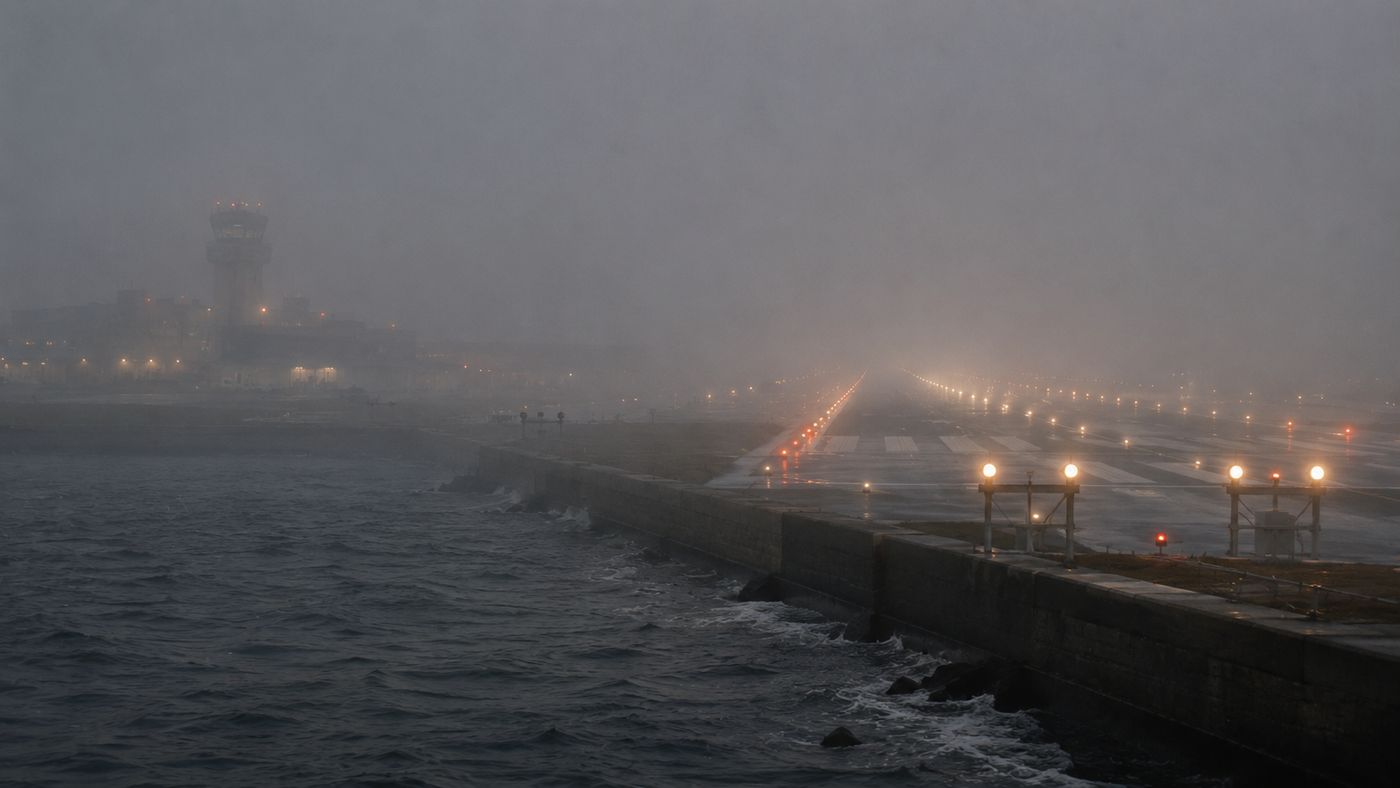
On July 31, 1973, Delta Air Lines Flight 723, a McDonnell Douglas DC-9 on a short commuter hop from Burlington, Vermont, to Boston's Logan International Airport, descended below its glideslope during its final approach in heavy fog and struck the seawall at the end of Runway 4R, coming to rest short of the runway surface. All eighty-nine people on board — eighty-three passengers and six crew members — were killed in the impact and the fire that followed. It was, at the time, one of the deadliest aviation accidents in New England history. The aircraft had been properly configured and was on an instrument approach in weather that was below minimums — visibility so poor that the pilots would have had little or no visual reference to the runway until seconds before impact, by which time the aircraft had already struck the seawall.
The National Transportation Safety Board's investigation of the Delta 723 crash identified a combination of factors: the crew's failure to monitor altitude during the approach, deficiencies in cockpit communication and crew coordination, and limitations in the instrument landing system technology of the era. The accident became part of a broader pattern of controlled flight into terrain accidents — cases in which airworthy aircraft under crew control flew into the ground or water — that aviation safety researchers were beginning to identify as a distinct and addressable category of accident in the 1970s. The lessons of Flight 723 and similar crashes contributed directly to the development of Crew Resource Management training, which transformed how airlines train pilots to communicate, challenge each other's decisions, and share workload in high-pressure environments. The seawall at Logan Airport has since been modified. The protocols developed in response to crashes like this one have made modern aviation profoundly safer than it was on that foggy July morning in 1973.