July 24: A Lost City Found, a Queen Dethroned, and a Champion Unmasked
July 24 is a day for revelations. In 1911, an American explorer pushing through Andean mist encountered a city built by the Inca on a mountaintop so remote that the outside world had no idea it existed. Three hundred and forty-four years earlier, a twenty-four-year-old queen sat in a Scottish castle and signed away her throne under duress, beginning a decades-long captivity that would end only with her execution. And in 2005, a cyclist crossed a Paris finish line for the seventh consecutive year, completing what the world believed was the greatest sustained athletic performance in the history of the sport — until it wasn't. Three July twenty-fourths. Three stories about what glory looks like before and after the full picture becomes clear.
The City in the Clouds
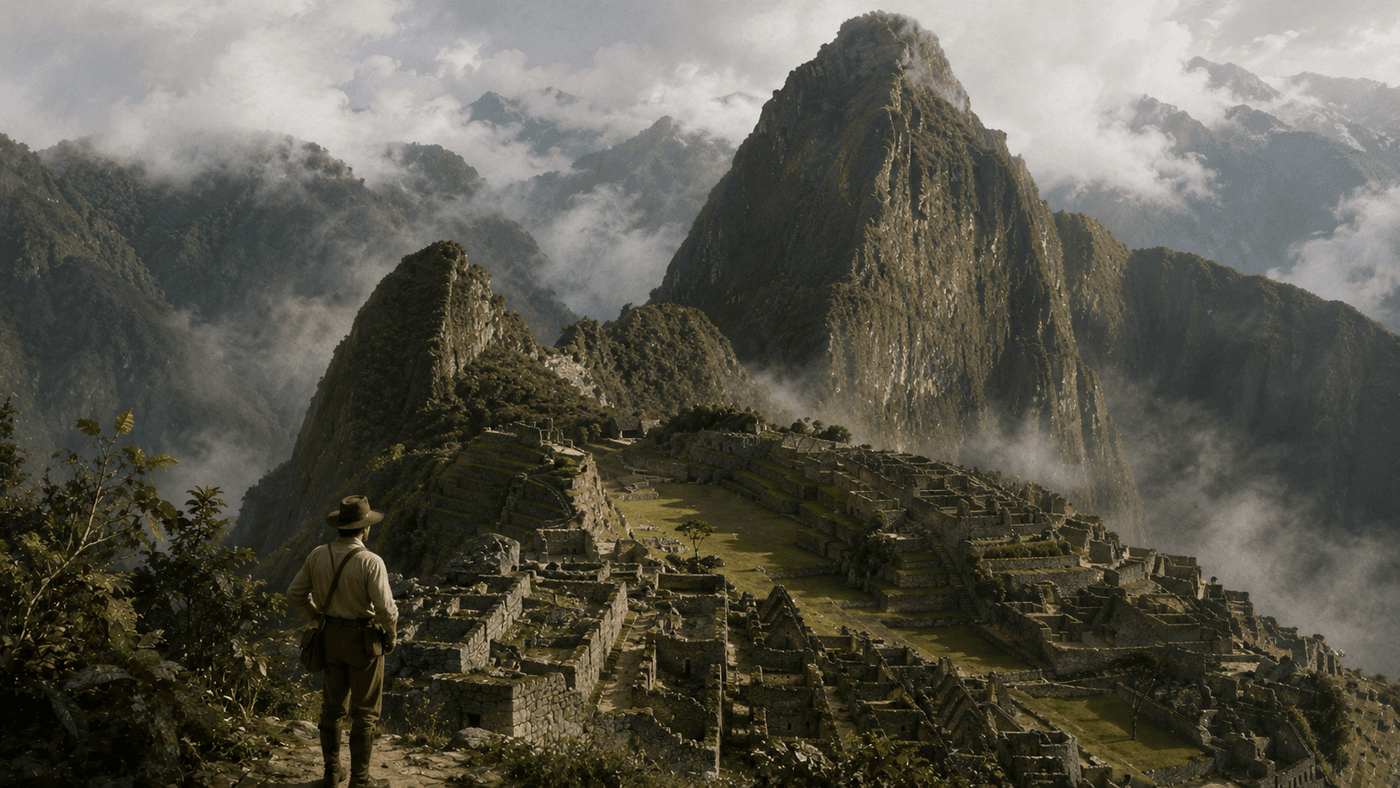
On July 24, 1911, Hiram Bingham III — a Yale lecturer and adventurer — was led by a local farmer's eleven-year-old son up a steep jungle-covered ridge in the Andes above the Urubamba River and emerged onto a mountaintop to find a city. The ruins of Machu Picchu stretched across the saddle between two peaks, constructed in the fifteenth century during the height of the Inca Empire and abandoned sometime after the Spanish conquest — left so completely undisturbed that the stone terraces, temples, and residential quarters remained largely intact, the jungle having grown up around but not fully consumed them. Local farmers in the valley below had known the site existed for years, farming some of its terraces. To the outside world and to Western scholarship, Machu Picchu was entirely unknown. Bingham's photographs and reports changed that permanently.
The discovery Bingham announced in 1911 — and to the pages of National Geographic, which dedicated an entire issue to the site in 1913 — transformed Machu Picchu into one of the most recognized archaeological sites on earth. It was designated a UNESCO World Heritage Site in 1983 and named one of the New Seven Wonders of the World in 2007. Bingham's role has itself been complicated over time: he removed thousands of artifacts from the site for study at Yale University, which Peru spent decades seeking to repatriate, finally reaching an agreement in 2010. The question of whether Bingham "discovered" Machu Picchu — when local communities had continuous knowledge of its existence — is part of a broader reckoning with Western exploration's habit of treating indigenous knowledge as nonexistent. The city itself, rising above the cloud line on its Andean ridge, endures without requiring anyone's discovery to justify its existence.
Lochleven
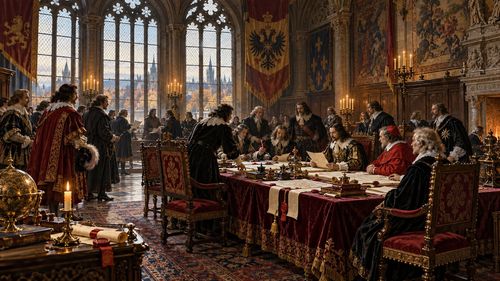
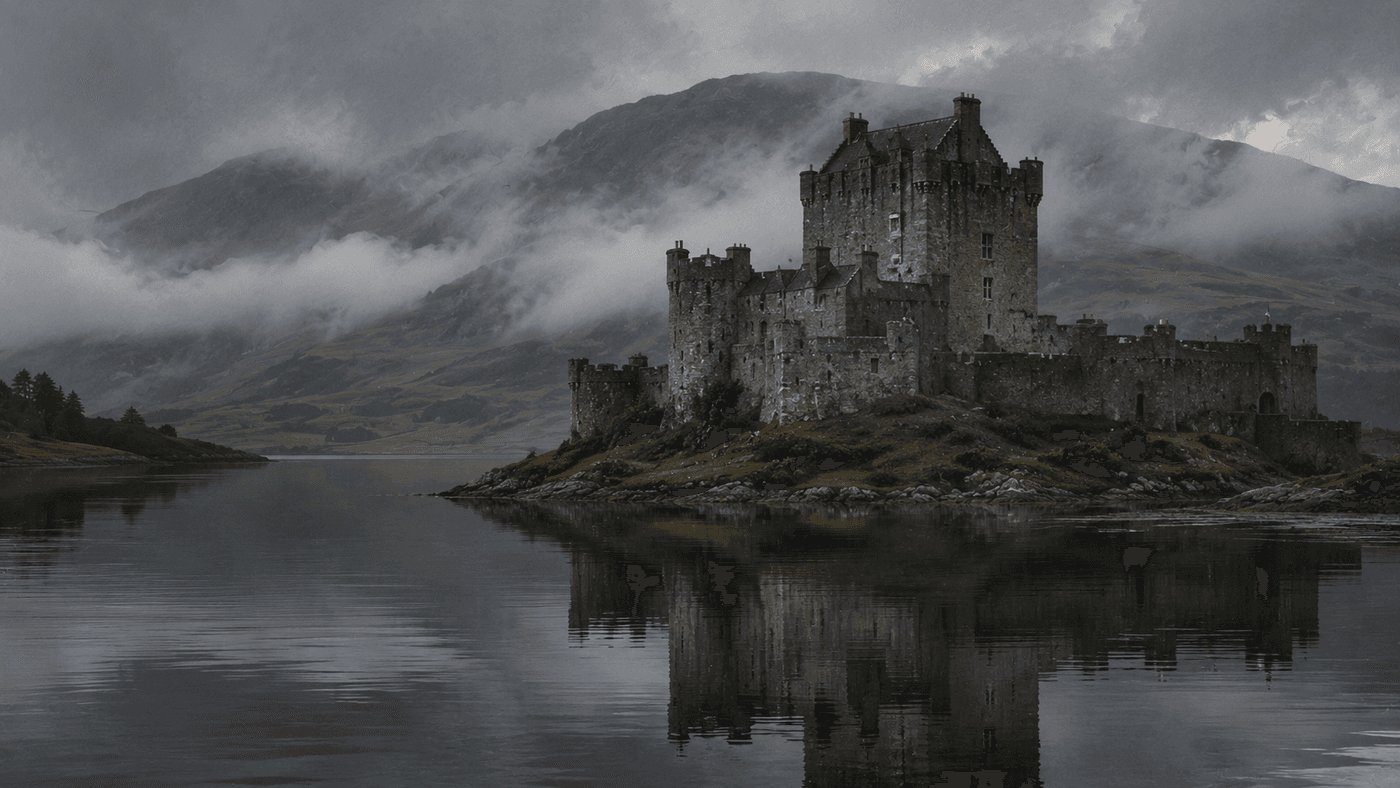
On July 24, 1567, Mary, Queen of Scots, signed her abdication at Lochleven Castle, where she had been imprisoned by Scottish Protestant lords following the most politically damaging scandal of her reign. Mary had married Lord Darnley in 1565, producing the son who would become James VI of Scotland, but Darnley was murdered in February 1567 in an explosion under circumstances that implicated both Mary and her third husband, the Earl of Bothwell, whom she married just three months after Darnley's death. The speed of the remarriage, combined with widespread suspicion about Bothwell's role in the murder, produced a coalition of Scottish lords who rose against them both. Mary was captured, Bothwell fled, and at Lochleven Castle, imprisoned and reportedly ill, she signed the abdication that transferred the Scottish crown to her thirteen-month-old son.
The twenty years that followed were among the most dramatic of the Tudor era. Mary escaped from Lochleven in May 1568, raised an army, was defeated within days, and fled south into England — where she would remain a prisoner of her cousin, Queen Elizabeth I, for nearly nineteen years. Her presence on English soil made her a constant focal point for Catholic conspiracies against the Protestant Elizabeth, and after a succession of plots were laid at her door, Elizabeth finally signed the warrant for her execution in 1587. Mary was beheaded at Fotheringhay Castle at the age of forty-four. Her son James, the infant king who inherited her throne through the abdication of July 24, 1567, eventually inherited the English crown as well upon Elizabeth's death in 1603, becoming James I of England — a union Mary had never lived to see.
Seven
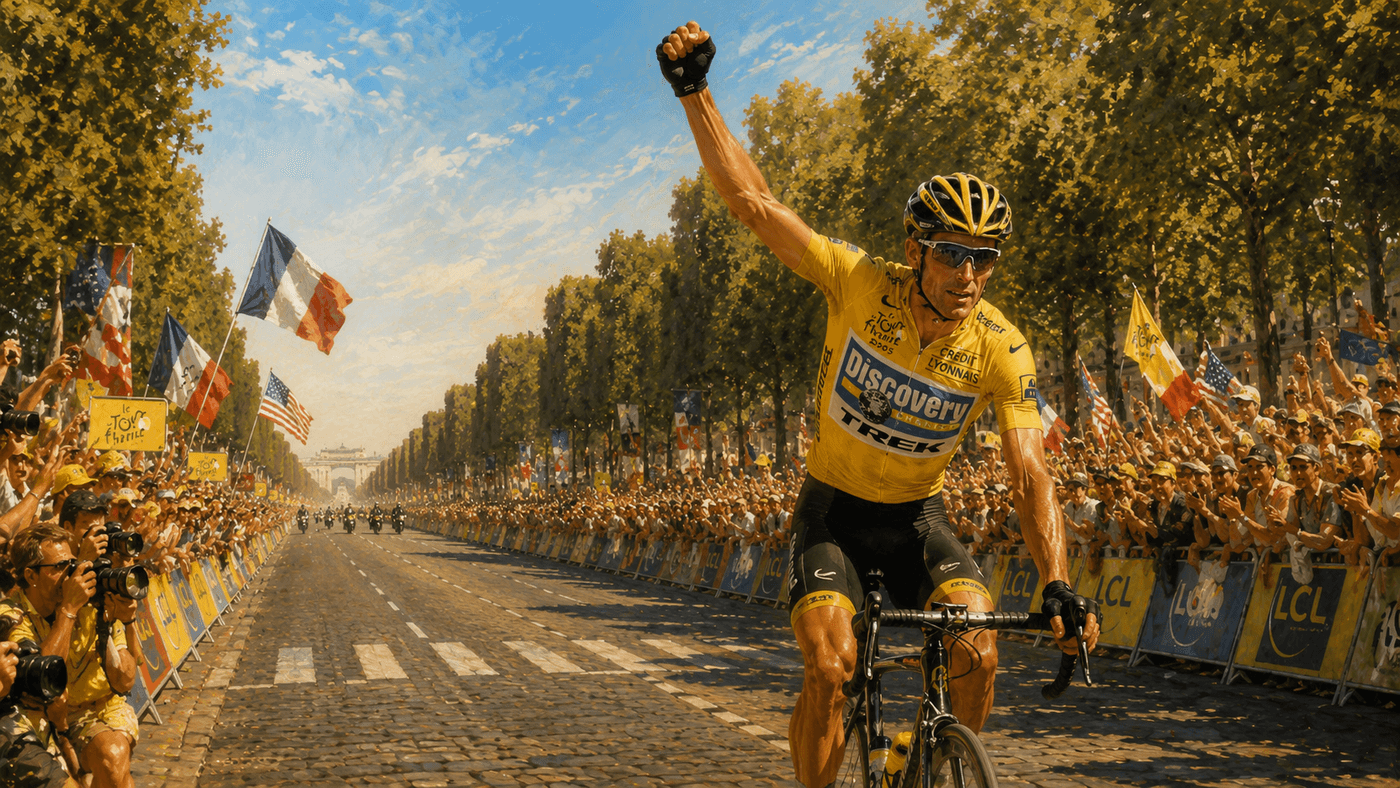
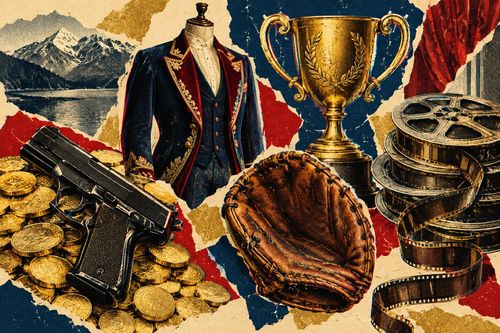
On July 24, 2005, Lance Armstrong crossed the finish line on the Champs-Elysees in Paris to claim his seventh consecutive Tour de France title, completing a run of dominance in the world's most grueling cycling race that had no precedent in the sport's history. Armstrong had won his first Tour de France in 1999 — just three years after surviving testicular cancer that had spread to his brain and lungs, a recovery so unlikely that it had become one of the defining inspirational narratives of American sports culture. Each subsequent victory added to the legend: a man who had stared down mortality and returned to conquer the mountains of France seven times in a row, raising hundreds of millions of dollars for cancer research through his Livestrong Foundation. Doping allegations had shadowed his career throughout, but Armstrong had denied them forcefully and consistently, and the denials held.
They did not hold forever. In 2012, the United States Anti-Doping Agency issued a report describing what it called the most sophisticated, professionalized, and successful doping program in sports history — Armstrong's team operation, which had used performance-enhancing drugs systematically across his Tour de France victories. Armstrong was stripped of all seven titles, banned from professional cycling for life, and in 2013 admitted in a televised interview that he had doped throughout his career. The foundations of his public story — the cancer recovery, the comeback, the seven yellow jerseys — were real; the athletic achievement they were said to represent was not, or not entirely. The July 24, 2005, finish on the Champs-Elysees was received as the culmination of a great career. It turned out to be the end of a great deception — and an enduringly complicated story about what we choose to believe about the heroes we need.