August 29: A City Drowns, a Bomb Changes Everything, and a Star Is Born in Gary
August 29 is a day for events that revealed something the world had not fully reckoned with. In 2005, a hurricane made landfall on the Gulf Coast and the levee system protecting New Orleans failed, flooding eighty percent of the city and exposing to a watching nation the depth of the inequality and governmental failure that had left hundreds of thousands of people without the means to escape a disaster that had been predicted for decades. In 1949, a plutonium bomb detonated in the steppes of Kazakhstan and ended the American nuclear monopoly that had defined the Cold War's opening years, transforming the conflict from a political and economic rivalry into an existential standoff whose logic of mutual destruction would govern global affairs for the next four decades. And in 1958, in a modest house in Gary, Indiana, a baby boy was born to a steelworker and his wife who would grow up to become one of the most recognized human beings in the history of the planet. Three August twenty-ninths. Three beginnings and endings that nobody, at the moment, fully understood.
New Orleans, August 29
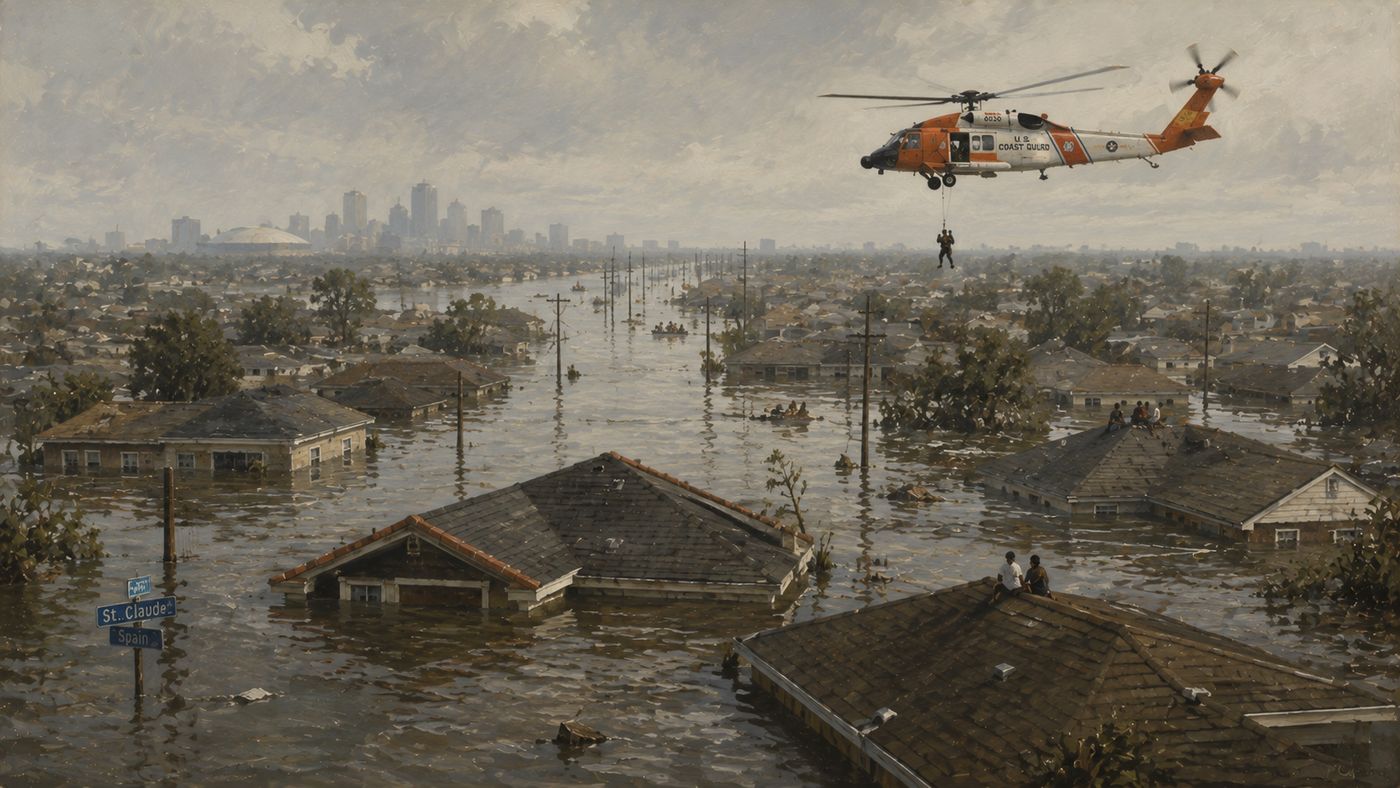
At approximately 6:10 in the morning on August 29, 2005, Hurricane Katrina made landfall near Buras, Louisiana, as a Category 3 storm with sustained winds of 125 miles per hour and a storm surge that would prove catastrophic along the Gulf Coast. The storm had been a Category 5 over the Gulf of Mexico before weakening slightly before landfall, and had been tracked with increasing alarm for days as it bore down on a coastline that included New Orleans — a city built largely below sea level, protected by a system of levees and floodwalls that engineers and city planners had long warned was inadequate for a major hurricane. Their warnings had not produced the investment and improvements that would have been required to address the vulnerability. When Katrina struck on August 29, multiple levees failed in rapid succession; water poured into neighborhoods that had no route of escape for the residents who remained, and eighty percent of the city was flooded. Approximately 1,800 people died. More than a million people were displaced.
The catastrophe of August 29, 2005, was a natural disaster compounded by a governmental failure of extraordinary scale and visibility. The Federal Emergency Management Agency's response was so slow and so obviously inadequate that President George W. Bush's visit to the region days after the storm — during which he praised FEMA Director Michael Brown ("Brownie, you're doing a heck of a job") — became one of the most damaging moments of his presidency. The images that emerged from New Orleans in the days after August 29 — of people stranded on rooftops, of thousands sheltering without food or water in the Superdome and the Convention Center, of bodies on flooded streets — revealed a city in which the residents who had been unable to evacuate were disproportionately poor and Black, and a government that had failed them at every level. Katrina became a defining moment in American debates about race, poverty, infrastructure, and the responsibilities of government, debates that the rebuilding of New Orleans — still incomplete twenty years later — has continued to provoke. The levees that failed on August 29, 2005, have since been rebuilt and strengthened. The deeper failures they exposed have proved more resistant to repair.
Joe-1
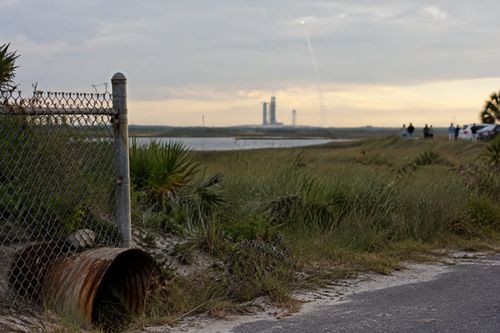
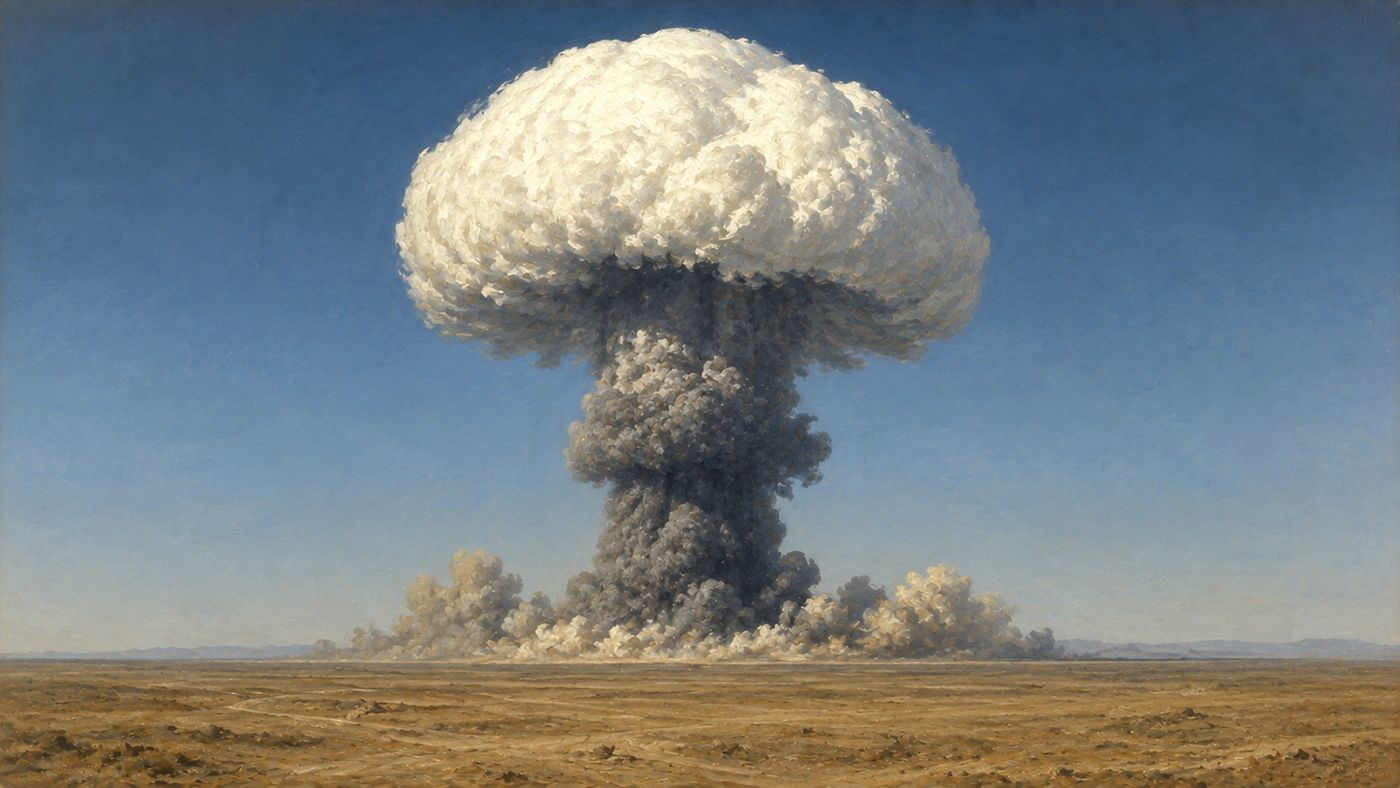
On August 29, 1949, the Soviet Union detonated its first nuclear device — a 22-kiloton plutonium implosion bomb — at the Semipalatinsk Test Site in the Kazakh steppe, ending the American nuclear monopoly that had held since the bombings of Hiroshima and Nagasaki four years earlier. The Soviets called the device "First Lightning"; American intelligence, which detected the detonation through atmospheric sampling, designated it "Joe-1" — a sardonic reference to Joseph Stalin. The test had been made possible in significant part by intelligence gathered from the Manhattan Project through Soviet espionage, including the work of Klaus Fuchs, Julius and Ethel Rosenberg, and others who passed nuclear secrets to Soviet handlers during and after the war. President Truman, informed of the Soviet test in late September 1949, announced it publicly on September 23 — a disclosure that shocked an American public that had been led to expect years more of exclusive nuclear capability.
The detonation of August 29, 1949, transformed the Cold War irrevocably. Before Joe-1, American strategists had operated on the assumption that the Soviet Union would not have nuclear capability for years, perhaps decades; the actual timeline — four years from Hiroshima to the Soviet test — collapsed those assumptions and forced a fundamental reorientation of American security policy. The response included the development of the hydrogen bomb, the expansion of the NATO alliance, the acceleration of the Korean War's military buildup, and the domestic anti-Communist hysteria that produced McCarthyism. The logic of nuclear deterrence — mutually assured destruction, the doctrine that neither side would use nuclear weapons because doing so would guarantee its own annihilation — emerged directly from the bilateral nuclear standoff that began on August 29, 1949, and has governed the relationship between nuclear powers ever since. The bomb detonated in the Kazakh steppe that morning did not start the Cold War. It made it permanent.
Gary, Indiana
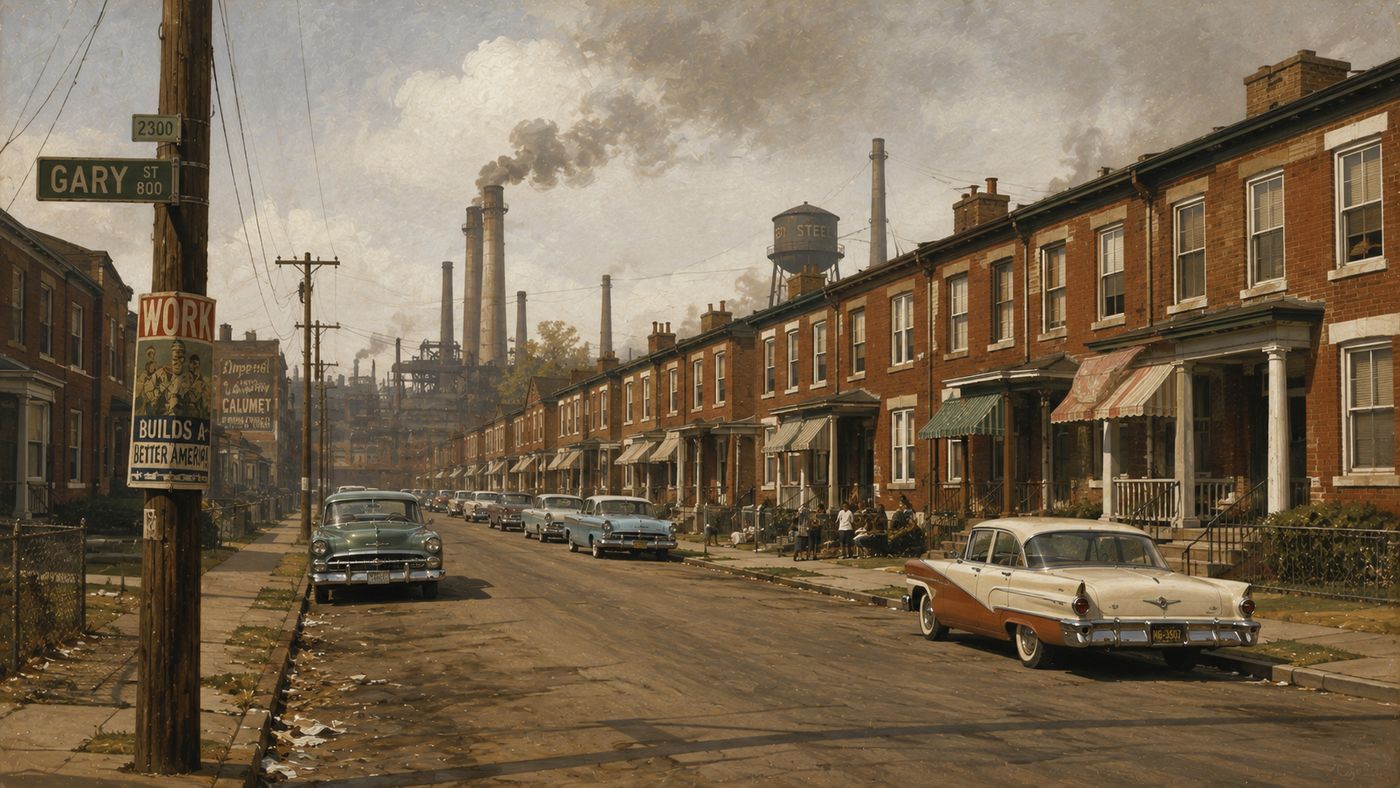
On August 29, 1958, Michael Joseph Jackson was born in Gary, Indiana — a steel town on the southern shore of Lake Michigan that was, in the late 1950s, an industrial city at its working-class peak, and that would be in severe economic decline before Michael Jackson was old enough to leave it. He was the seventh of nine children born to Katherine and Joseph Jackson; his father worked at a steel mill and managed the Jackson Brothers, a local musical group that included Michael's older brothers. Michael began performing with the Jackson Brothers — soon renamed the Jackson 5 — as a lead vocalist at the age of five, and was already extraordinary enough in his early performances to attract attention from Motown Records, which signed the group in 1969, when Michael was ten. The child who had grown up in a small house on Jackson Street in Gary was, by the time he was a teenager, one of the most commercially successful recording artists in the world.
The career that began in Gary on August 29, 1958, became one of the most extraordinary in the history of popular music. Michael Jackson's 1982 album Thriller remains the best-selling album in history, with estimated sales of 66 million copies worldwide; his "moonwalk" dance move, introduced on a 1983 television special, became one of the most imitated pieces of physical performance in the history of entertainment; and his ability to synthesize rhythm and blues, pop, rock, and visual spectacle into a single unified artistic identity made him a global phenomenon whose reach extended well beyond any previous popular musician. He died on June 25, 2009, from acute propofol intoxication, at the age of fifty. His death was accompanied by an outpouring of public grief comparable to that which followed the deaths of Elvis Presley and John Lennon, and his legacy has since been complicated by documentary evidence of sexual abuse allegations that the courts during his lifetime did not conclusively resolve. The child born on August 29, 1958, in Gary, Indiana, became one of the most recognized human beings who has ever lived — a fact that carries, in retrospect, both the wonder and the weight that extraordinary fame almost always does.