August 1: A Tower, a Declaration, and Five Words That Changed Music
August 1 carries three very different kinds of rupture. In 1966, a young man climbed to the observation deck of a university tower in Austin, Texas, and for ninety-six minutes held a campus hostage from above, in an act of mass violence that the country had no existing framework to understand and that forced the invention of one. In 1914, a German declaration of war against Russia completed the collapse of a diplomatic order that had kept the great powers of Europe in uneasy peace for decades, opening the door to a war that would kill twenty million people and reshape the world. And at midnight on August 1, 1981, a cable channel launched with five words and a music video, beginning a transformation in how a generation would see, hear, and consume popular culture. Three interruptions. Three August firsts that refused to let the world stay as it was.
The Tower
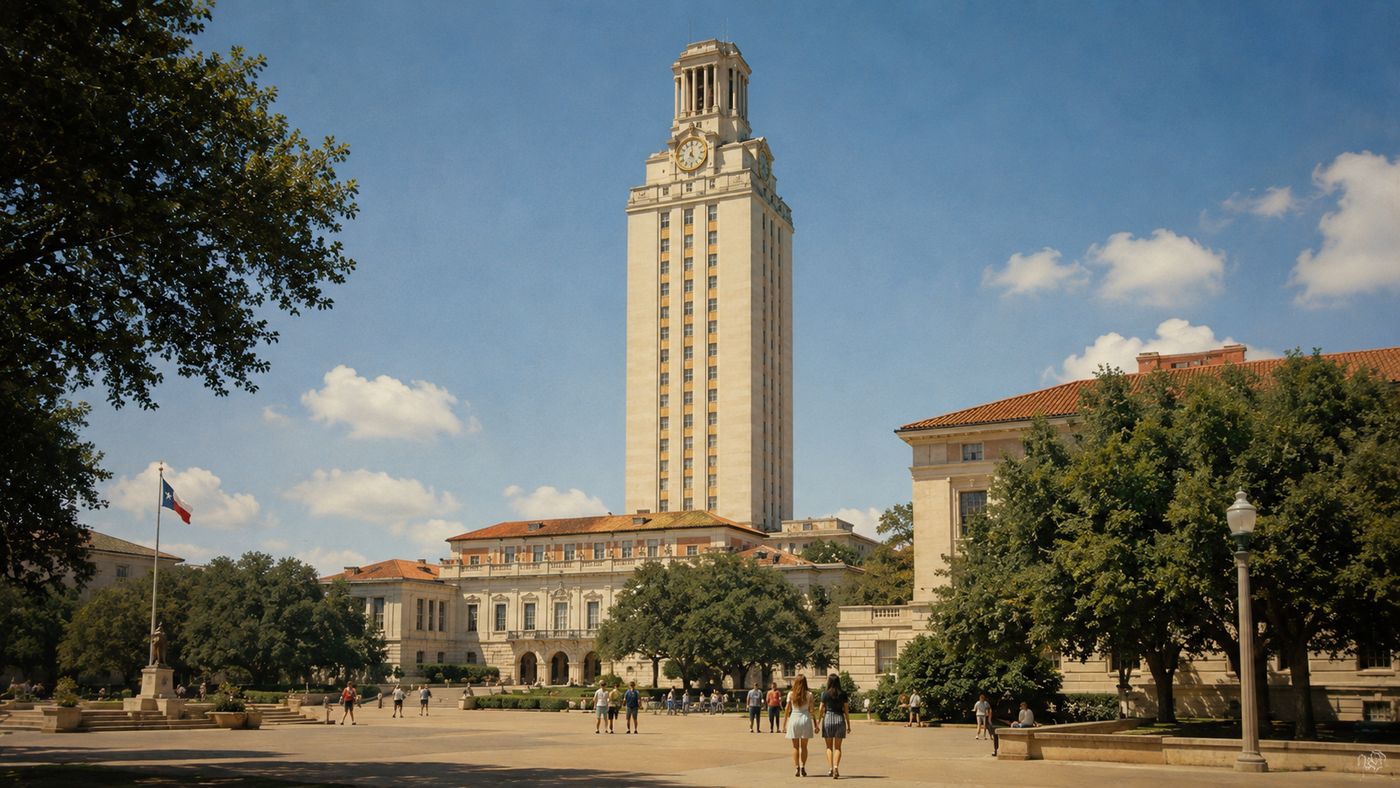
On August 1, 1966, at approximately 11:48 in the morning, Charles Whitman — a twenty-five-year-old former Marine, engineering student, and bank teller who had killed his mother and wife the previous night — reached the observation deck of the University of Texas Tower in Austin, 307 feet above the campus, and began firing at people below. For ninety-six minutes, before he was killed by Austin police officers who reached the deck, Whitman fired on students, faculty, and passersby crossing the open plazas of the campus. He killed fourteen people from the tower and wounded thirty-one others; a fifteenth victim died decades later from injuries sustained during the attack. He was an expert marksman, and the distance and elevation from which he fired gave him advantages that made him extraordinarily difficult to stop. Civilians with their own rifles took up positions and returned fire to suppress him while police organized the assault that ended the siege.
The University of Texas Tower shooting was not the first mass shooting in American history, but it was the one that forced the country — and particularly law enforcement — to confront a category of violence it had no established protocol for addressing. In its aftermath, the Austin Police Department helped pioneer what would become the standard model for responding to active shooter situations, contributing to the development of SWAT teams and tactical response units that are now standard in police departments across the country. A posthumous examination of Whitman's brain found a tumor pressing against the amygdala, though psychiatrists have debated whether it meaningfully contributed to his actions. The victims are memorialized on the University of Texas campus. The tower itself, closed for years after the shooting, reopened as an observation deck in 1999, and the university has created a dedicated memorial garden at its base — a place where the most ordinary act of a college campus, crossing an open plaza on a summer morning, was transformed into something that would take decades to fully reckon with.
The Machine Starts
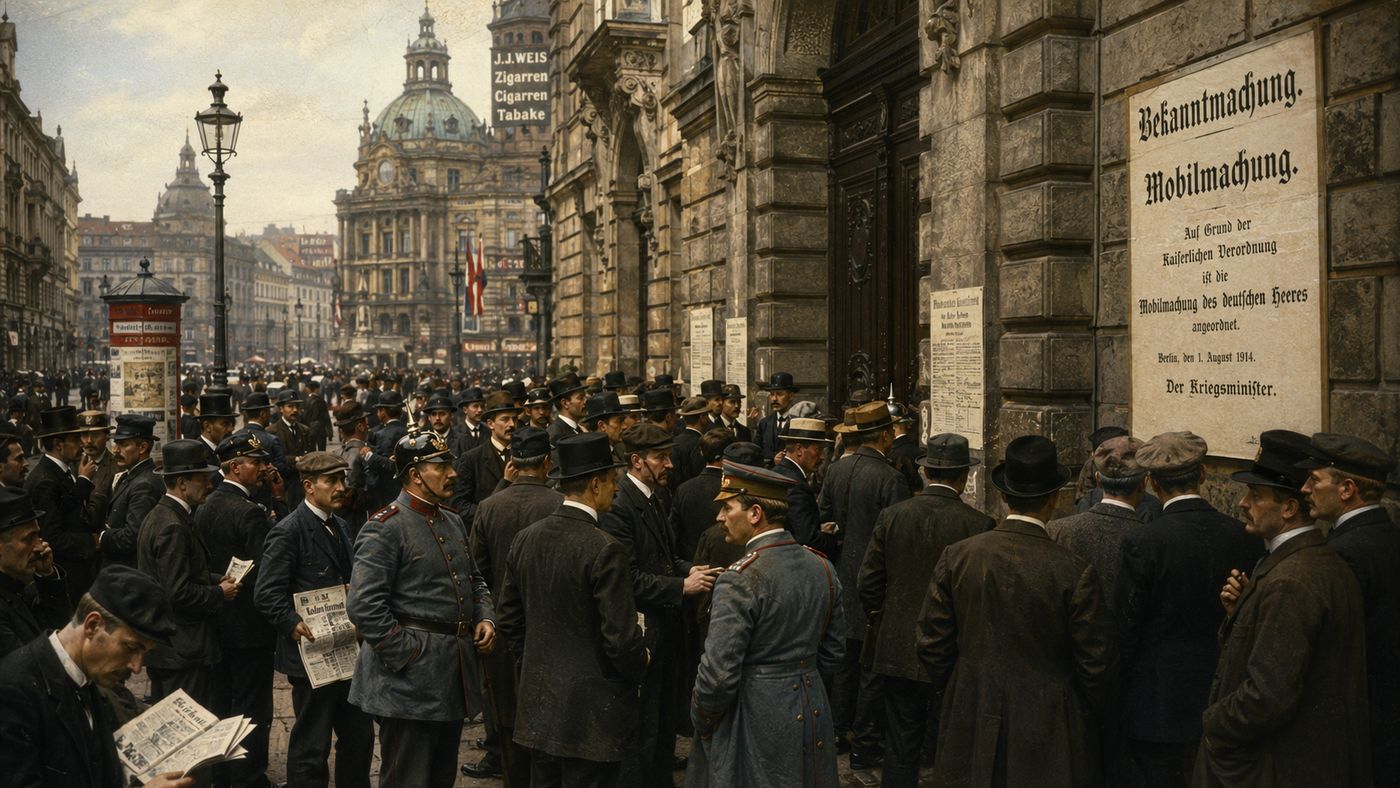
On August 1, 1914, Germany formally declared war on Russia, transforming what had been a fast-escalating diplomatic crisis into the opening of the First World War. The trigger had been the assassination of Austro-Hungarian Archduke Franz Ferdinand in Sarajevo on June 28 — just thirty-four days earlier — by a Bosnian Serb nationalist. Austria-Hungary had issued an ultimatum to Serbia, Serbia had responded with partial compliance, Austria-Hungary had declared war on Serbia anyway, and Russia — as Serbia's protector — had begun mobilizing its massive army. Germany, bound to Austria-Hungary by alliance and deeply alarmed by the prospect of Russian mobilization on its eastern border, issued an ultimatum to Russia to stand down. Russia refused. Germany declared war on August 1. France, bound to Russia by alliance, began mobilizing immediately. Within days, Germany had declared war on France and invaded Belgium, bringing Britain — guarantor of Belgian neutrality — into the conflict as well.
The war that Germany's declaration on August 1, 1914, set fully in motion was unlike any conflict the world had previously seen. The combination of industrial-scale weapons technology — machine guns, heavy artillery, poison gas, aircraft — with the mass armies mobilized by conscription produced carnage on a scale that the generals of every major power had failed to anticipate and proved repeatedly unable to address. By the time the armistice ended the fighting on November 11, 1918, an estimated seventeen to twenty million people were dead, four empires had collapsed, the map of Europe had been redrawn, and the conditions for a second, even more destructive world war had already been laid. The declaration of war on August 1, 1914, was not an act of malice so much as an act of miscalculation — a set of nations whose interlocking alliance commitments had created a mechanism that, once triggered, none of them could stop.
Ladies and Gentlemen, Rock and Roll
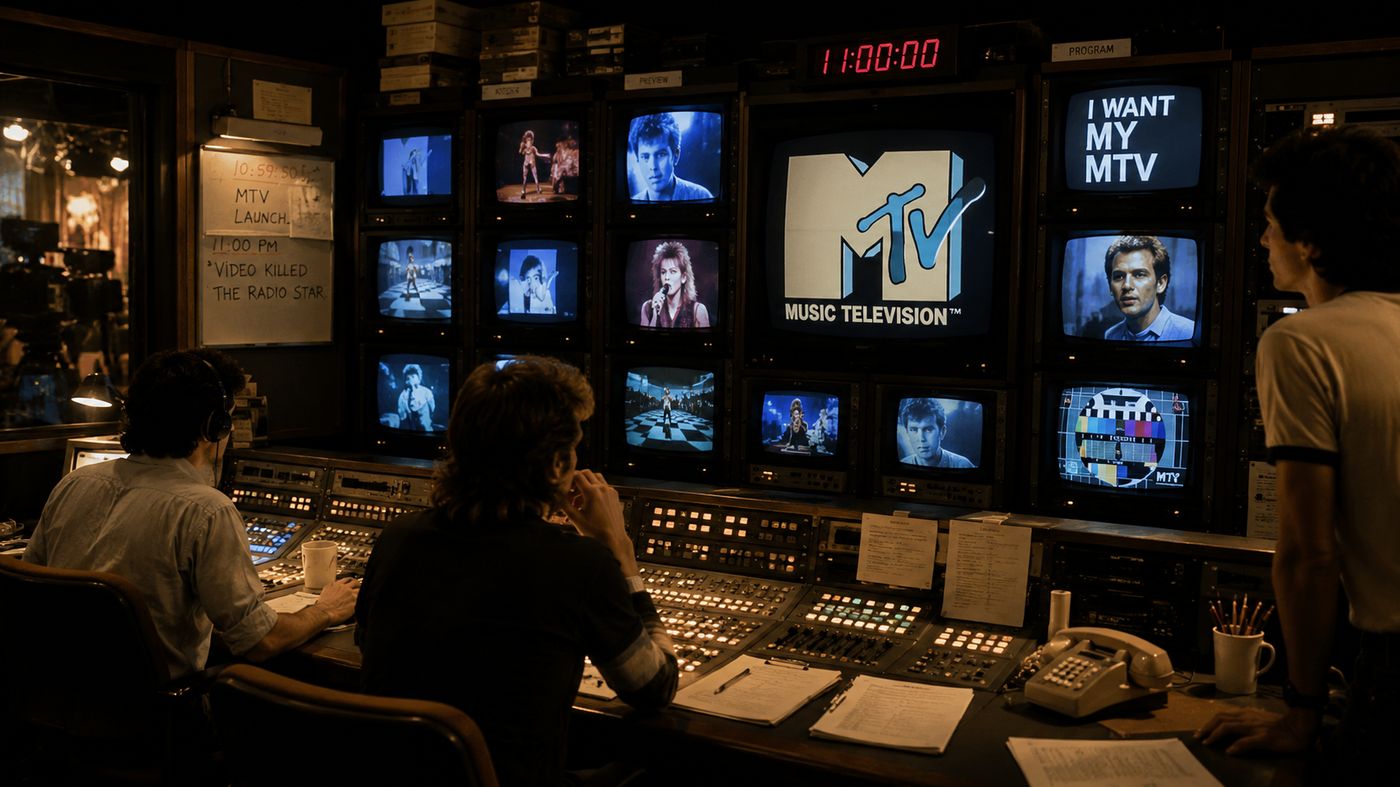
At 12:01 a.m. on August 1, 1981, a cable channel called MTV — Music Television — went live with five words spoken by one of its founders, John Lack: "Ladies and gentlemen, rock and roll." The first video aired was "Video Killed the Radio Star" by The Buggles, a choice so self-aware about the medium's potential implications that it has been analyzed and cited ever since. MTV had been conceived by Robert Pittman and a team of executives at Warner-Amex Satellite Entertainment as a channel that would do for music what FM radio had done for album rock — provide a platform dedicated entirely to the form, running continuously, targeting a young demographic that advertisers were eager to reach. The concept was simple and, in 1981, genuinely untested: twenty-four hours a day of music videos, a format that barely existed as an industry before MTV created a demand for it.
What MTV did to popular music in the decade that followed its August 1, 1981 launch was comprehensive and not entirely predictable. Artists who were visually compelling gained advantages over those who were not; record labels that had been primarily audio businesses became producers of short films; new genres — including early hip-hop, new wave, and heavy metal — found audiences through MTV that they might not have reached through radio alone. Michael Jackson's "Thriller" video, released in 1983, demonstrated what the format could achieve at its most ambitious, running fourteen minutes and borrowing from horror cinema in ways that redefined the music video as an art form in its own right. MTV's influence began to wane in the 1990s as it shifted toward reality programming and away from music, but the cultural infrastructure it built — the music video as a commercial necessity, the visual identity of the artist as marketing strategy — has outlasted the channel's original format entirely. The five words spoken at midnight on August 1, 1981, announced something that could not be unannounced.