September 22: A War Begins, a Spy Dies, and Six Friends Get a Couch
September 22 holds three very different kinds of beginning. In 1980, Iraq sent its army across the Iranian border and started a war that would last eight years, kill more than a million people, use chemical weapons against civilians, and reshape the Middle East in ways that the region is still living with. Two hundred and four years earlier, a twenty-one-year-old Connecticut schoolteacher who had volunteered to spy for the Continental Army was hanged by the British in New York City, and his last words — whatever they actually were — became one of the most quoted expressions of patriotic sacrifice in American history. And in 1994, on a Thursday night on NBC, six young actors sat on a couch in a coffee shop in Manhattan and began a decade-long run that would make them the most recognizable ensemble in the history of American television comedy. Three September twenty-seconds. Three things that, once started, proved very difficult to stop.
September 22, 1980
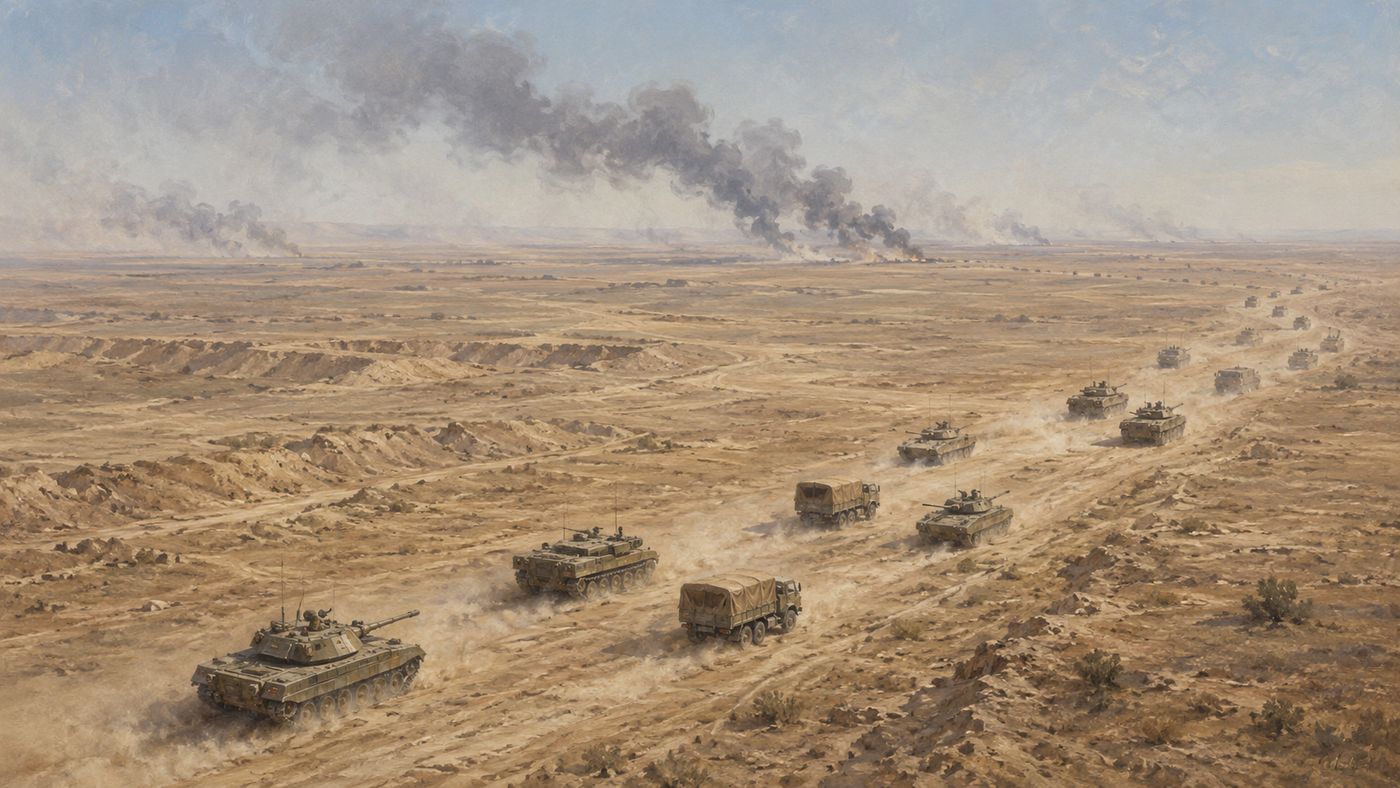
On September 22, 1980, Iraqi forces launched a coordinated land and air invasion of western Iran across a front stretching from the Shatt al-Arab waterway in the south to the Kurdish region in the north, beginning the Iran-Iraq War. Saddam Hussein had ordered the invasion based on several calculations: that the 1979 Islamic Revolution had left Iran's military weakened and disorganized, that the clerical government's domestic consolidation would prevent an effective early response, that Iran's isolation from Western arms suppliers would limit its capacity to fight a sustained war, and that territorial disputes over the Shatt al-Arab — a strategic waterway shared by both countries — could be resolved militarily in Iraq's favor. Most of these calculations proved wrong. Iran mobilized a mass popular defense, drawing on the revolutionary zeal of its population and the willingness of young Iranians to fight in what the government framed as a defense of the Islamic Revolution against a secular aggressor backed by Western and Gulf Arab powers.
The war that began on September 22, 1980, lasted until August 20, 1988 — nearly eight years — at a cost of more than one million military and civilian deaths and the displacement of millions more. The conflict was characterized by tactics and weapons that recalled the First World War: static trench lines, mass infantry assaults, the use of chemical weapons by Iraq against both Iranian forces and Kurdish civilians in northern Iraq. The United States tilted toward Iraq during the war, providing satellite intelligence and economic support while tacitly tolerating Iraq's use of chemical weapons. Iran was simultaneously supplied by Israel and, covertly, by the United States in the arrangement that became known as the Iran-Contra affair. The war ended in a UN-brokered ceasefire that resolved none of the underlying territorial disputes, leaving the border essentially where it had been before Saddam Hussein ordered the invasion on September 22, 1980. Everything that followed in the region — the Gulf War, the Iraq War, the rise of Iranian regional influence — was shaped by the war that began that day and the million deaths it produced.
One Life to Give
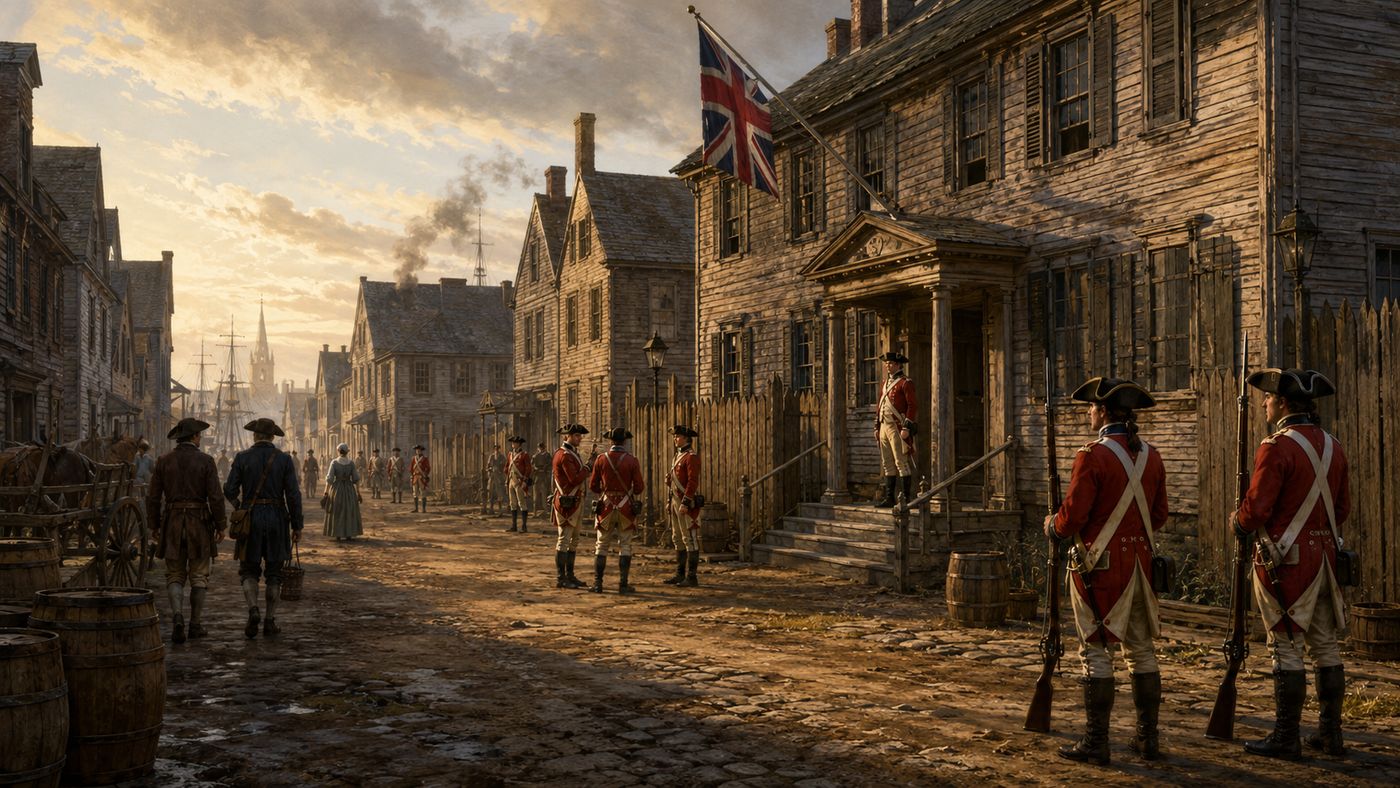
On September 22, 1776, Nathan Hale — a twenty-one-year-old captain in the Continental Army and former schoolteacher from Coventry, Connecticut — was hanged by British forces in New York City after being captured behind enemy lines while on an intelligence-gathering mission. Hale had volunteered for the mission after General Washington, following the devastating American defeat at the Battle of Long Island in August 1776, urgently needed intelligence about British troop movements and intentions. Disguising himself as a Dutch schoolmaster, Hale crossed into British-controlled territory and spent several days observing British positions and making notes. He was captured — the precise circumstances are not known — and brought before British General William Howe, who ordered him hanged without trial the following morning. He was not granted access to a clergyman or a Bible. He was twenty-one years old.
The words attributed to Nathan Hale at his execution on September 22, 1776 — "I only regret that I have but one life to lose for my country" — are among the most quoted in American history, though the evidence for exactly what he said is thin and the phrasing appears to have evolved through various accounts before reaching its familiar form. A British officer who was present recorded that Hale died with dignity and expressed regret that he had only one life to give for his country; the specific wording has since been polished by the patriotic tradition that made Hale a martyr. The mission itself was a failure — he was captured before his intelligence reached Washington — and the circumstances of how he was identified have been attributed to a loyalist cousin, a British officer who recognized him, and other sources without definitive resolution. What is not in dispute is the willingness of a young man who had nothing to recommend the mission and everything to lose to volunteer anyway. The Continental Army eventually built an effective intelligence service; Nathan Hale's execution on September 22, 1776, was the lesson that made them take it seriously.
The One Where It All Began
On September 22, 1994, NBC premiered Friends — a sitcom created by David Crane and Marta Kauffman about six young adults sharing apartments and a coffee shop in Manhattan's Greenwich Village — and drew 21.5 million viewers to its first episode. The show starred Jennifer Aniston as Rachel Green, Courteney Cox as Monica Geller, Lisa Kudrow as Phoebe Buffay, Matt LeBlanc as Joey Tribbiani, Matthew Perry as Chandler Bing, and David Schwimmer as Ross Geller — an ensemble whose chemistry was evident from the pilot and whose collective stardom would make them, at the peak of the show's success, the highest-paid performers in television history, negotiating as a unit to achieve $1 million per episode per cast member in the final seasons. The show's title sequence, set to The Rembrandts' "I'll Be There for You," became one of the most recognized theme songs in American television.
Friends ran for ten seasons, concluding in May 2004, and its finale drew 52.5 million viewers — the fifth most-watched television finale in American history. During its run it won the Emmy Award for Outstanding Comedy Series once (1994), was nominated multiple times more, and fundamentally shaped American television comedy in the decade that followed — establishing the ensemble workplace and apartment comedy as the dominant format and making the "will they/won't they" romantic subplot a standard feature of long-running comedies. The show has had an extraordinary second life in streaming: Netflix paid $100 million for the right to stream it in 2018; HBO Max paid $425 million for it in 2019 when the Netflix deal expired. Its audience has in some ways grown rather than shrunk as successive generations discovered it. The six actors who sat on a couch in a Central Perk replica on September 22, 1994, became, through ten years of Thursday nights on NBC, among the most recognized faces in the history of American entertainment.