PALM BEACH COUNTY, Fla. – A private jet headed to the Bahamas flew into a thunderstorm, began breaking apart in the air and slammed into a busy road on Sunday, Nov. 1, killing all nine people on board.
The 22-year-old Learjet 60 was carrying two crew members and seven passengers. It had taken off from Austin, Texas, that morning and was bound for North Eleuthera in the Bahamas. It is now the deadliest crash ever involving a Learjet 60.
Video shared online shows the jet hitting the ground nose-first and bursting into a fireball near a shopping center in Greenacres. The impact left a huge crater in the road.
The Final Minutes
Shortly before 1 p.m., the crew told air traffic control they were flying through moderate turbulence and had picked up a light layer of ice. The turbulence was shoving the plane up and down by about 700 feet at a time. The co-pilot asked controllers for a better route through the weather.
The crew then asked to climb to 37,000 feet and got approval. Less than a minute later, they radioed that the plane was descending, followed by a Mayday call. Their next message said the jet was flying faster than its safe speed limit.
The 20-year-old co-pilot made those final radio calls. Relatives of the captain believe he can be heard praying in the background.
FAA data shows the plane dropped from about 35,000 feet to under 9,000 feet in a little over a minute. That’s roughly 350 feet per second.
“It looked like a missile going down,” Florida Gov. Ron DeSantis said at a press briefing.
Who Was On Board
Family members and news outlets have identified the victims. They include tech entrepreneur Adam Robinson, 45, his wife, Helen Sharp, 40, their children Emma, 4, and Charlie, 2, and the family’s nanny. Two other passengers also died.
The captain was Jeff Gregory, 55, of Gilbertsville, Pennsylvania. The co-pilot was Nathalia Gadelha Filgueiras, 20.
On the ground, a man in a car right next to the crash site suffered a leg injury. About 600 people living in 77 nearby mobile homes were forced out, and officials say it could be up to two weeks before they can return.
What Investigators Found
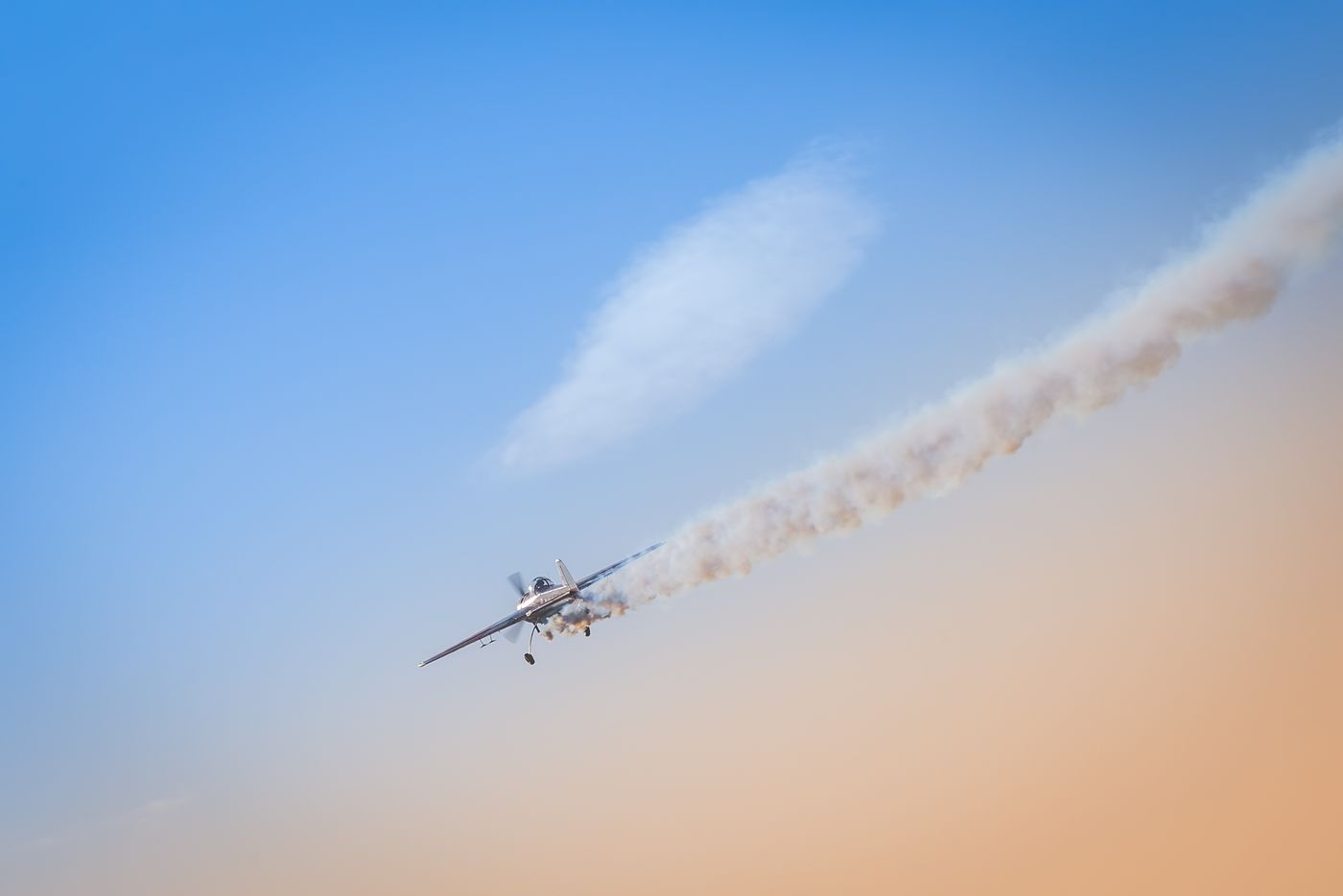
Investigators found most of the jet’s left elevator in three pieces. The left elevator is the part of the tail that tilts the nose up or down. The pieces were scattered between 1.3 and 3.8 miles from the crash site, which confirms the plane started breaking apart before it hit the ground.
What investigators don’t yet know is whether that breakup caused the crash or happened because the jet was falling faster than it was built to handle. They’re also trying to learn why the pilots flew into the storm instead of around it, and what the plane’s weather radar showed.
The NTSB usually releases a preliminary report within a few weeks of a crash. A final cause can take a year or longer.
What Happens Next
Days of heavy rain flooded the crater, likely leaving key parts of the plane underwater. Crews began pumping it out this week so investigators can reach the main wreckage.
The jet had a cockpit voice recorder installed, but officials still aren’t sure it was on board for the final flight. The NTSB has wrapped up its on-site briefings and will share future updates online.
The plane belonged to Aurora Aviation, a private company doing business as Upper Jets.