On October 1, 2013, Washington Gridlock Shuts Down the Federal Government
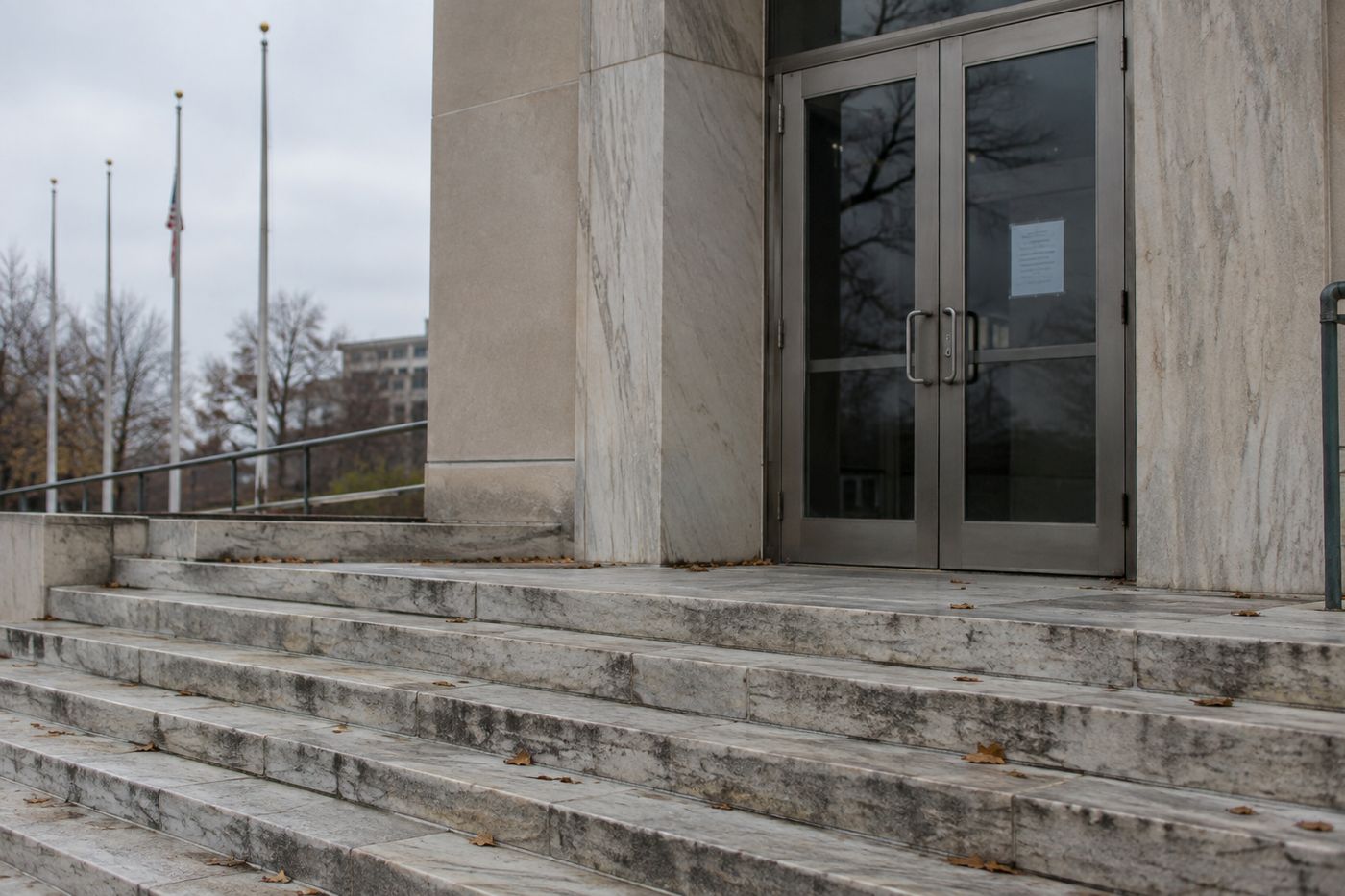
At the stroke of midnight on October 1, 2013, the United States government ran out of money. Congress had failed to pass a funding bill, and for the first time in 17 years, federal agencies from national parks to passport offices went dark, leaving roughly 800,000 workers furloughed and a nation wondering how basic governance had broken down so completely.
The Standoff
The shutdown was the culmination of months of brinkmanship between House Republicans, led by Speaker John Boehner, and the Obama administration over funding the government while defunding or delaying the Affordable Care Act. Ted Cruz had staged a 21-hour Senate floor speech against the health law days earlier, rallying conservative resistance to any budget deal that left it intact. As midnight passed with no agreement, the Office of Management and Budget formally ordered agencies to execute shutdown plans. National parks closed their gates, the Smithsonian museums went dark, and NASA reduced staffing to a skeleton crew, even as the health insurance marketplaces at the center of the fight opened for enrollment that very same morning, an irony lost on no one in Washington.
The shutdown stretched sixteen days, rattling markets and costing the economy an estimated $24 billion in lost output, according to Standard & Poor's. Tourists were turned away from Yellowstone and the Statue of Liberty, veterans groups stormed barricades at war memorials in protest, and federal contractors watched paychecks vanish. It finally ended on October 17, 2013, when Congress passed a last-minute deal reopening the government and raising the debt ceiling, with the Affordable Care Act left fully intact. The fight Republicans had waged to stop had changed nothing about the law it targeted, only the balance in the country's checkbook.