August 30: A Justice Confirmed, an Astronaut Launched, and a State Takes On the Climate
August 30 is a day for firsts that arrived later than they should have and mattered more than their opponents had predicted. In 1967, the United States Senate confirmed Thurgood Marshall as the first African American Justice of the Supreme Court — a man who had spent his career dismantling, one case at a time, the legal architecture of racial segregation, and who now would sit on the court that had upheld the system he had spent his life fighting. Sixteen years later, the Space Shuttle Challenger launched into orbit carrying the first African American astronaut, and the country that had once considered space the exclusive domain of white military test pilots watched Guion Bluford become a mission specialist aboard a vehicle that had not existed a decade before. And in 2006, the California State Senate passed the most comprehensive state-level climate legislation in American history — choosing to act on a problem that federal inaction had left unaddressed. Three August thirtieths. Three acts of political and moral imagination, each one doing what someone had decided needed to be done.
Associate Justice Marshall
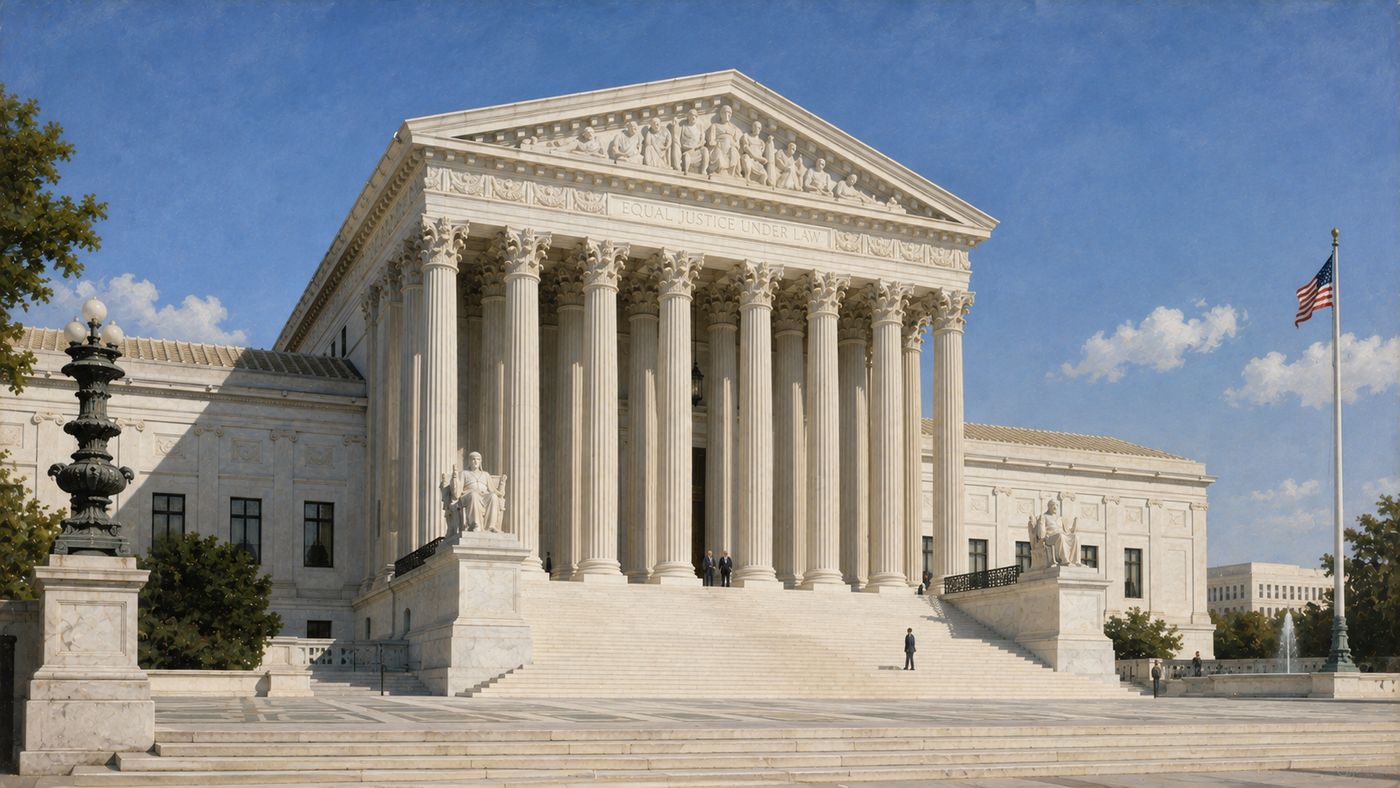
On August 30, 1967, the United States Senate confirmed Thurgood Marshall as an Associate Justice of the Supreme Court by a vote of 69 to 11, making him the first African American to serve on the nation's highest court. Marshall had been nominated by President Lyndon Johnson in June 1967 and had endured a confirmation process before the Senate Judiciary Committee that was lengthy, hostile in significant respects, and marked by questioning from Southern senators that bordered on the insulting — a pattern that Marshall, who had spent a career navigating the deliberate hostility of Jim Crow legal institutions, handled with practiced composure. His confirmation on August 30 completed a career trajectory that was without parallel in American legal history: from a childhood in Baltimore shaped by segregation, through Howard University Law School, to the Legal Defense Fund of the NAACP, to the Supreme Court of the United States.
By the time of his confirmation on August 30, 1967, Thurgood Marshall had already achieved more in the law than almost anyone of his generation. As chief counsel for the NAACP Legal Defense Fund, he had argued thirty-two cases before the Supreme Court and won twenty-nine of them — including, most consequentially, Brown v. Board of Education in 1954, in which the Court unanimously ruled that racial segregation in public schools was unconstitutional, overturning the "separate but equal" doctrine of Plessy v. Ferguson that had governed American law since 1896. He had served as a federal appeals court judge and as Solicitor General before Johnson elevated him to the Supreme Court. Marshall served as a Justice until 1991, consistently anchoring the Court's liberal wing and writing opinions that continued to shape American civil rights law through the transformation of the Court's ideological composition around him. He died in 1993. The man confirmed on August 30, 1967, had already changed American law before he put on the robe. What he did afterward added to a legacy without close parallel in the history of American jurisprudence.
STS-8
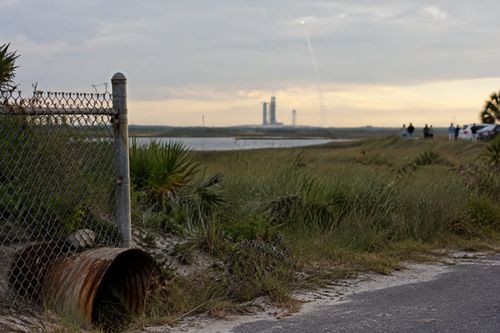
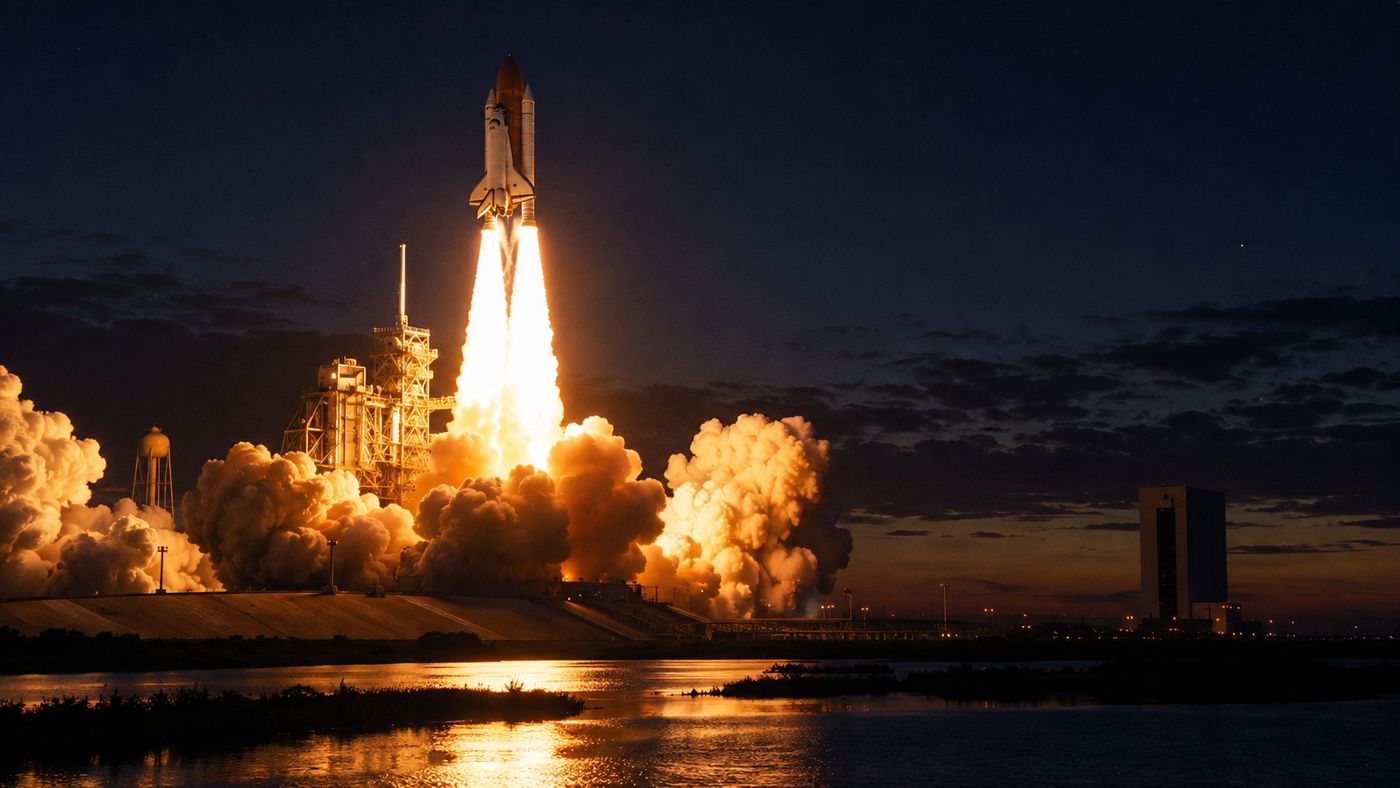
On August 30, 1983, Space Shuttle Challenger lifted off from Kennedy Space Center on mission STS-8, carrying Guion S. Bluford Jr. — a U.S. Air Force lieutenant colonel, aerospace engineer, and NASA mission specialist — into orbit as the first African American astronaut in history. STS-8 was the third flight of the Challenger orbiter and the eighth overall Space Shuttle mission; its launch came sixteen years after Thurgood Marshall's confirmation and two years after the first Space Shuttle mission had inaugurated the reusable spacecraft program. Bluford's selection to the astronaut corps in 1978 — as part of NASA's first class to actively recruit women and minorities — had represented a deliberate institutional choice to broaden who could participate in the space program. His launch on August 30, 1983, made that choice visible to the world in a way that a roster listing could not.
Bluford flew on four Space Shuttle missions in total, logging more than 688 hours in space before retiring from NASA in 1993. His first launch on August 30, 1983, was a night launch — one of the first for the Space Shuttle program — that produced images of extraordinary beauty, the vehicle's engines illuminating the Florida coastline in the pre-dawn dark. STS-8 carried the first communications satellite deployed from the Shuttle's payload bay by a Canadian-built robotic arm, conducted medical experiments, and tested the Shuttle's capability for night reentry. For Bluford, who had grown up in Philadelphia in a family that had fought racial barriers across multiple generations, the mission was the product of a career in aerospace engineering and military aviation that had been built on the conviction that the barriers between ambition and achievement were meant to be crossed. The Space Shuttle that carried him into orbit on August 30, 1983, demonstrated again that they could be.
AB 32
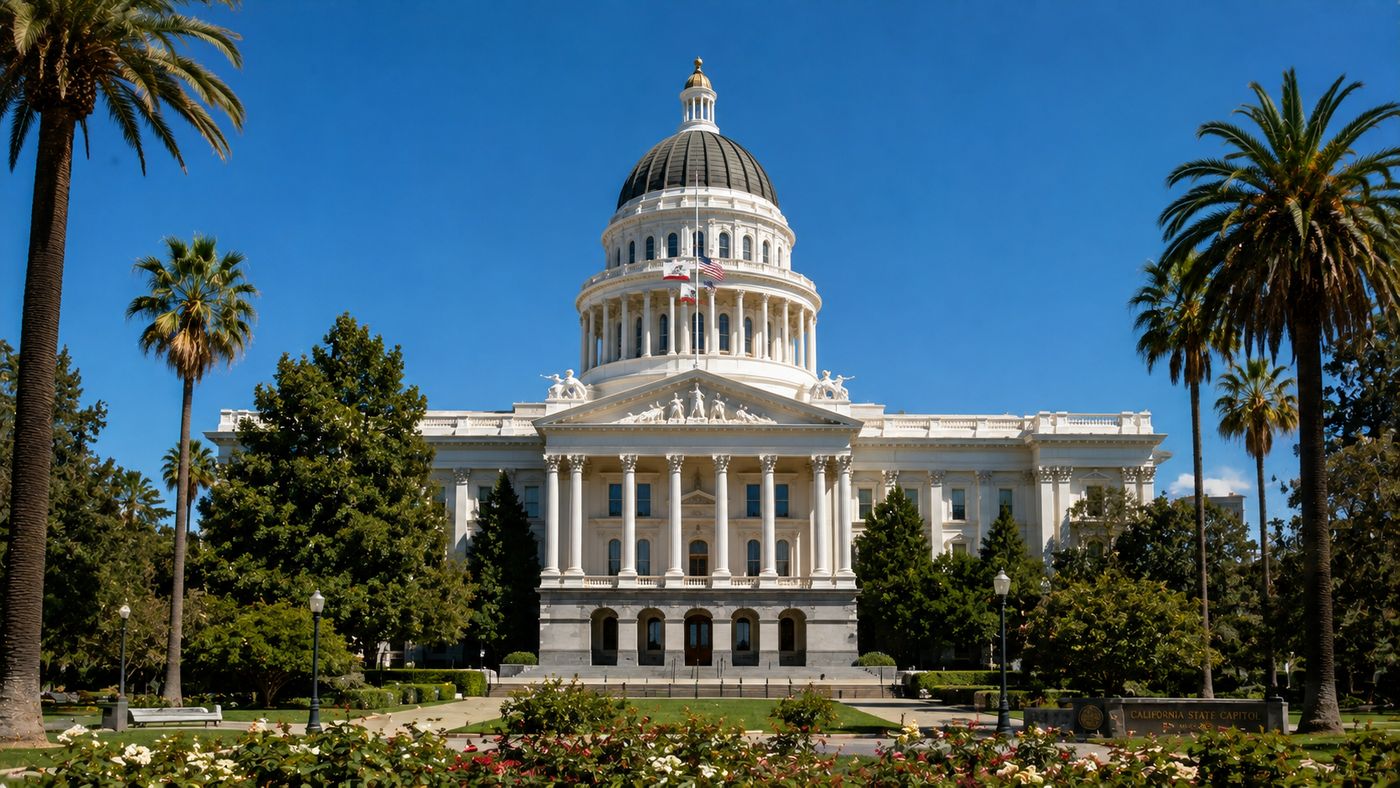
On August 30, 2006, the California State Senate passed Assembly Bill 32, the Global Warming Solutions Act — the most comprehensive state-level climate change legislation in American history to that point — setting mandatory caps on California's greenhouse gas emissions and requiring the state to reduce those emissions to 1990 levels by 2020. The bill, authored by Assembly members Fran Pavley and Fabian Núñez and signed into law by Governor Arnold Schwarzenegger on September 27, 2006, positioned California to regulate carbon emissions from virtually every sector of the state economy, including electricity generation, transportation, industry, and agriculture. California's decision to act was driven in part by the absence of federal climate legislation — the federal government had not enacted meaningful carbon regulation — and in part by the state's historical willingness to set environmental standards that other states and the federal government subsequently adopted.
The law passed on August 30, 2006, proved more consequential than many observers had anticipated. California met its 2020 emissions target four years early, in 2016, and subsequently set a more ambitious goal of carbon neutrality by 2045. The cap-and-trade system that AB 32 enabled became the foundation of one of the world's largest carbon markets, generating billions of dollars for clean energy investment. The vehicle emissions standards that California had historically set under separate authority — and that the Trump administration attempted to revoke — became a flashpoint in the broader national debate about climate regulation, with California's standards effectively driving the automotive industry's transition toward electric vehicles. Fifteen other states adopted California's vehicle emissions standards. The legislation passed by the California Senate on August 30, 2006, was one state's decision to hold a line on something the federal government had declined to address — and it has shaped American climate policy, by demonstration and by pressure, in ways that continue to compound.