The Storm Named Dolly
Three days after Dolly Parton died peacefully in Nashville, a cluster of thunderstorms off the west coast of Africa — swirling southwest of the Cape Verde Islands, drawing energy from warm Atlantic waters — is organizing into what meteorologists expect will become the fourth named tropical storm of the 2026 Atlantic hurricane season. Its name: Dolly. The National Hurricane Center confirmed Wednesday that "no changes to the list" would be made — the name was set years in advance, determined by a rotating system the World Meteorological Organization has maintained since the 1950s, and has absolutely nothing to do with the death of Dolly Parton on Tuesday. The internet has not allowed this technicality to diminish the moment. "She's out here in the tropics," one viral post read. "Making her entrance." Another: "Of course the storm is named Dolly. Of course it is. That woman would never just quietly leave." The National Weather Service issued no opinion on the metaphysics. The storm is expected to approach the eastern Caribbean by early next week.
How a Storm Gets Its Name — and Why Dolly Has Been on the List Since 1990
The practice of naming tropical storms began in earnest in the 1950s, when the National Hurricane Center — facing the logistical challenge of tracking multiple storms simultaneously — adopted a system originally proposed by meteorologist Clement Wragge in the early 1900s: use human names, which are easier for the public to remember and distinguish than longitudes and numerical designations. The first Atlantic storms were named exclusively after women — a convention criticized loudly enough that male names were introduced starting with the 1960 season, alternating with female names in the alphabetical list that is used to this day. The World Meteorological Organization maintains six rotating lists of 21 names each for the Atlantic basin — one list per year, cycling back every six years — chosen to be short, easy to pronounce, and familiar to the populations most likely to be affected by Atlantic storms. The name "Dolly" entered the Atlantic list in 1990, replacing "Diana," which had been retired after a destructive 1984 hurricane season storm. It has appeared in the rotation three times since: Hurricane Dolly in 1996 caused 14 deaths and flooding across Mexico and Texas; Tropical Storm Dolly in 2014 was brief and unremarkable; Hurricane Dolly in 2008 was a Category 2 that made landfall in Deep South Texas, causing $1.6 billion in damage and 21 deaths. Despite those casualties and damage totals, the name was never retired — storms are retired from the list only when they cause exceptional destruction or loss of life. Dolly has remained. She is back.
The meteorological reality of the 2026 storm, to the extent it can be assessed, is relatively modest. El Niño is strengthening across the Pacific this fall, and its effects — increased wind shear across the Atlantic, drier air, cooler sea surface temperatures in key development regions — have made this one of the quietest hurricane seasons in four decades. The 2026 season has produced only three named storms before Dolly: Arthur came ashore on the U.S. Gulf Coast in June; Bertha dumped rain in Louisiana and Texas in July; Cristobal formed and quickly dissipated in August. The developing system southwest of the Cape Verde Islands will face hostile conditions as it moves westward — forecasters at weather.com note that dry air and wind shear, both enhanced by El Niño, will limit its development. It may reach the eastern Caribbean as a tropical storm. It may strengthen modestly. It is unlikely, at this moment, to become the major storm that its namesake's cultural footprint would suggest. Which is perhaps appropriate. Dolly Parton spent her career understanding that the most important part of a performance is not the spectacle — it is the feeling it leaves behind. The storm named after her may be gentle. The name will not be forgotten.
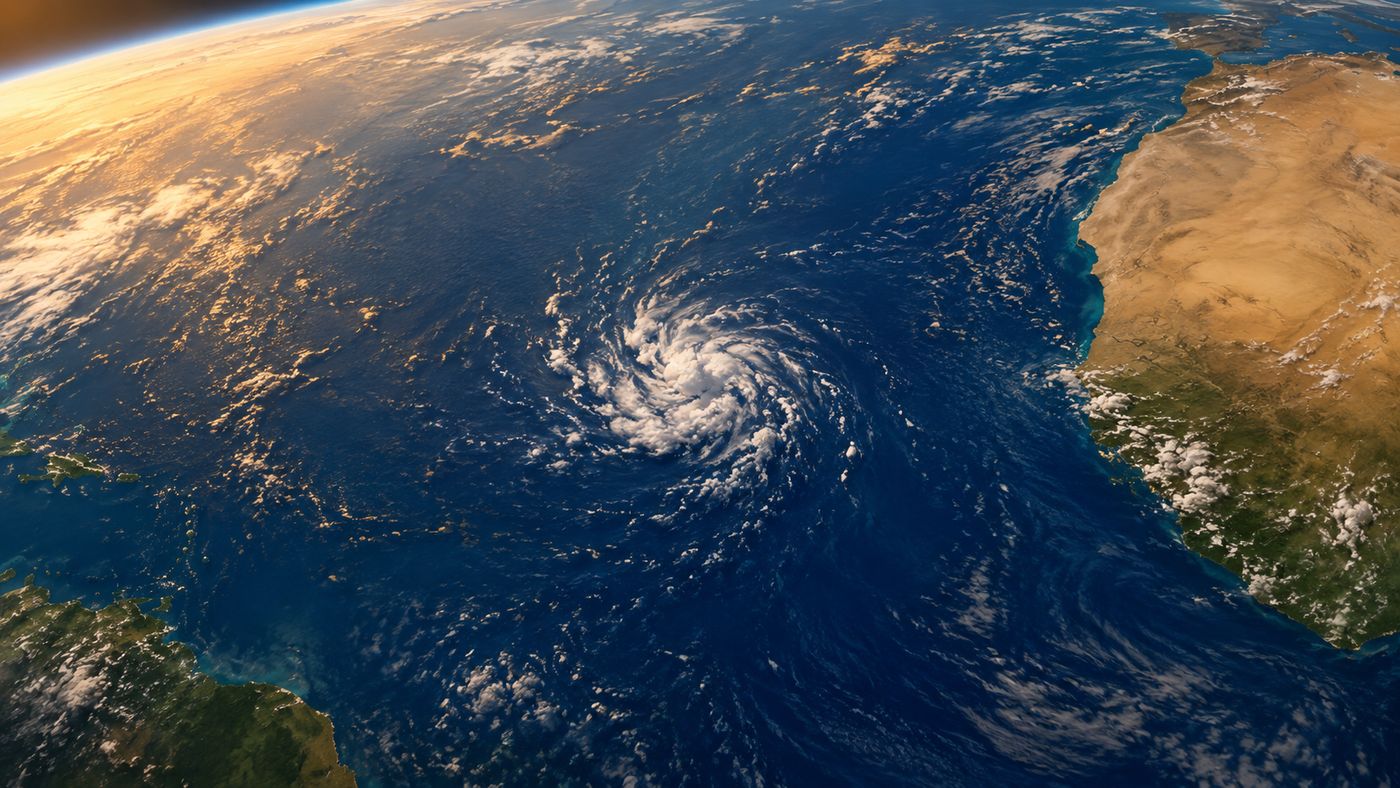
The WMO has never named a storm as a tribute to anyone. Storms are retired when they are destructive enough — Katrina, Maria, Dorian, Harvey — and occasionally unretired when sufficient time has passed and the memory of the original storm has faded. The name Dolly has survived three previous storms without retirement. Whether this year's version of Tropical Storm Dolly will add to that tally, or drift harmlessly through the Atlantic and dissipate before reaching land, remains to be seen. Either way, it will be tracked this week by millions of people who would not otherwise have paid much attention to a developing tropical wave off the African coast — because the name on the tracking maps will catch their eye, and they will think, just for a moment, of a woman from a one-room cabin in the Smoky Mountains of Tennessee who spent 80 years being exactly the kind of force of nature that gets named after a storm. "If I hadn't made it in music," Dolly Parton once said, "I'd have opened up a beauty parlor." She made it in music. She also made it into the hurricane naming lists, three decades before anyone knew it would matter. Tropical Storm Dolly is expected to be named this weekend. The flags are still at half-staff in Washington. The flowers are still on the sidewalk in Nashville. And somewhere in the Atlantic, a storm is spinning up, carrying her name westward on the wind.