August 23: An Execution That Shook the World, a Vaccine Approved, and Reality TV Is Born
August 23 is a day for verdicts — some formal, some popular, some rendered by institutions that cannot always be trusted to get them right. In 1927, two Italian-American men were executed in a Massachusetts prison for murders that significant evidence suggested they had not committed, in a case so saturated with political prejudice and procedural irregularity that it generated protests in cities across the world and has never been fully resolved. Ninety-four years later, the FDA granted full approval to a COVID-19 vaccine, rendering a formal scientific judgment on one of the most scrutinized medical products in history, in the midst of a public health crisis that had already killed hundreds of thousands of Americans. And in 2000, a network television audience delivered its own verdict on a new format called reality television — voting for a winner, tuning in by the tens of millions, and changing the economics of prime-time programming in a single broadcast. Three August twenty-thirds. Three judgments, each one with consequences that outlasted the moment of delivery.
Charlestown, 1927
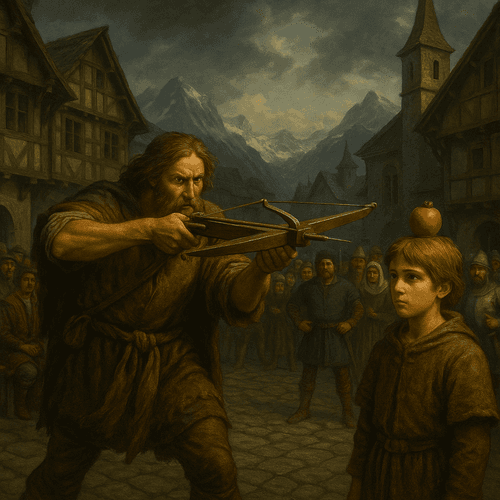
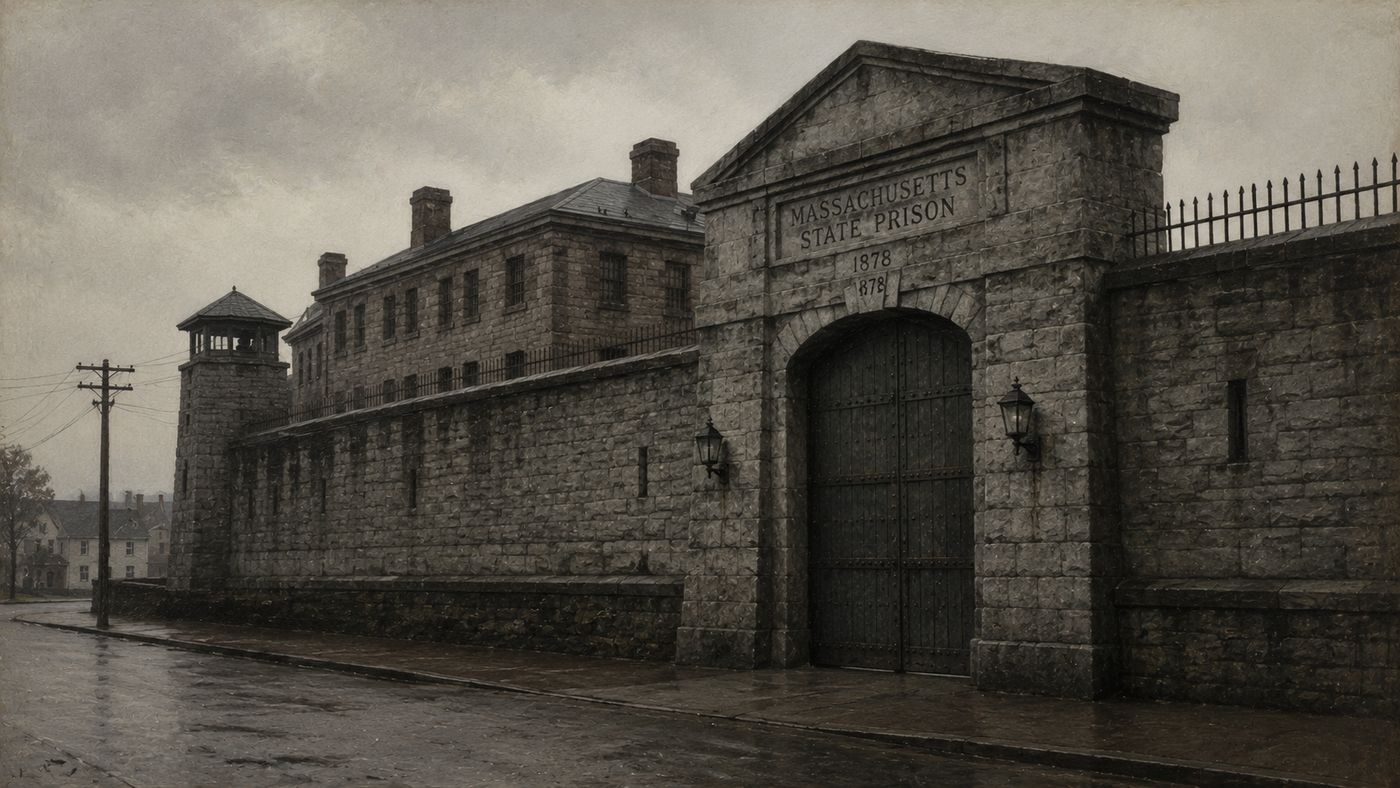
On August 23, 1927, Nicola Sacco and Bartolomeo Vanzetti were executed in the electric chair at Charlestown State Prison in Massachusetts, bringing to an end a legal ordeal that had lasted seven years and generated an international outcry unlike any American criminal case before it. The two men — Italian-born immigrants, self-described anarchists, and members of an activist community the Red Scare of 1919–1920 had made objects of intense government suspicion — had been arrested in 1920 and charged with the robbery and murder of a paymaster and security guard in South Braintree, Massachusetts. The trial that followed in 1921 was presided over by a judge who made prejudicial remarks about the defendants' political beliefs and foreign origins; the evidence was disputed and in several respects contradictory; the defense raised questions about the reliability of the ballistic evidence and the credibility of witnesses that were never fully addressed. The jury convicted both men. Appeals and petitions for clemency from artists, intellectuals, labor organizers, and heads of state around the world — including prominent figures in France, Italy, and across Latin America — produced demonstrations in major cities but did not change the outcome.
The executions of August 23, 1927, became one of the most enduring symbols of injustice in American legal history — a case that raised questions about the fairness of trials in which the defendants' politics and ethnicity were clearly factors in how the justice system treated them. Sacco and Vanzetti maintained their innocence until the end; Vanzetti's final statement, delivered in his second language, is among the most moving pieces of writing in the literature of American injustice. Subsequent ballistic analysis has been interpreted differently by different experts — some concluding that the bullet that killed the security guard matched Sacco's gun, others disputing that conclusion. In 1977, Massachusetts Governor Michael Dukakis issued a proclamation declaring that Sacco and Vanzetti had been unfairly tried and convicted and that any stigma attached to their names should be forever removed, though he stopped short of formal exoneration. The case that ended on August 23, 1927, is still cited whenever American courts fail the people they are meant to serve.
Full Approval
On August 23, 2021, the U.S. Food and Drug Administration granted full approval to the Pfizer-BioNTech COVID-19 vaccine — marketed under the brand name Comirnaty — for individuals sixteen years of age and older, making it the first COVID-19 vaccine to receive complete regulatory authorization in the United States rather than the emergency use authorization under which it had been available since December 2020. The transition from emergency use to full approval required the FDA to review a comprehensive package of clinical trial data covering the safety and efficacy of the vaccine in tens of thousands of participants across multiple trials, as well as real-world safety and effectiveness data from the hundreds of millions of doses that had already been administered worldwide by the time of the August 23 decision. The review process that led to full approval was the most extensive in the FDA's history for a vaccine of this type, taking approximately eight months from the submission of the application.
The full approval granted on August 23, 2021, carried significance beyond the scientific and regulatory. It removed one of the arguments most commonly deployed by vaccine-hesitant individuals — that the emergency use status meant the vaccines had not been fully vetted — and provided legal authority for employers, universities, and other institutions to mandate vaccination in ways that emergency use authorization had legally complicated. The Biden administration, the Department of Defense, and numerous private employers moved to implement vaccination requirements in the weeks following the announcement. By the time the FDA approved the Pfizer vaccine on August 23, 2021, the COVID-19 pandemic had killed more than 600,000 Americans, making it the deadliest public health event in the country's history. The vaccine approved that day, and its counterparts, had already prevented an enormous number of additional deaths — and would prevent many more. The judgment rendered on August 23, 2021, was one of the most consequential regulatory decisions in modern American medical history.

51 Million Viewers
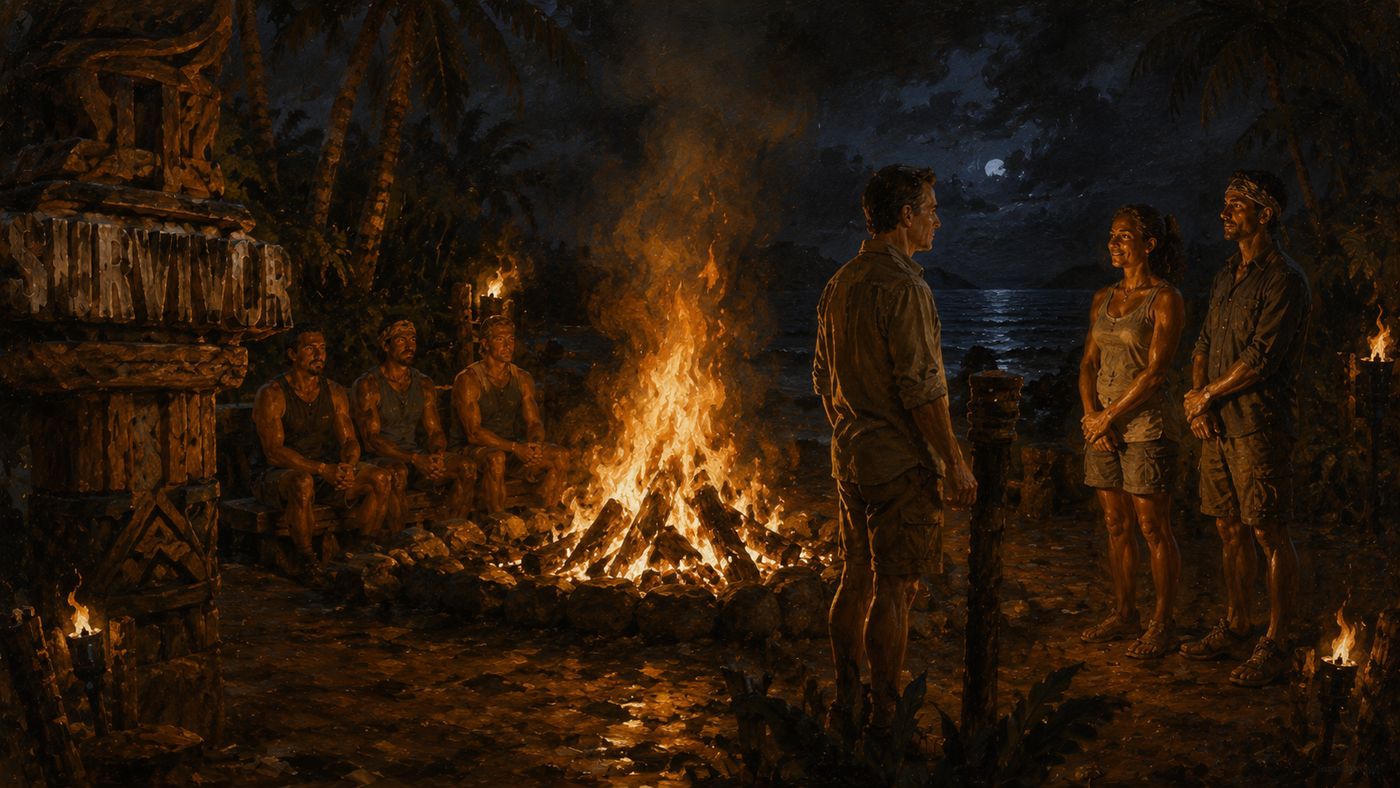
On August 23, 2000, the finale of Survivor: Borneo — the inaugural season of the reality competition series created by producer Mark Burnett — aired on CBS and drew approximately 51 million viewers, making it one of the most watched television events of the year and demonstrating conclusively that a new format had arrived in American prime-time programming. The show had debuted in late May 2000 to solid but not spectacular ratings, then grown steadily as its premise — sixteen strangers marooned in the jungles of Borneo, competing in physical challenges, voting each other off one by one, with the last person standing winning one million dollars — proved more compelling than skeptics had predicted. The finale, in which Richard Hatch defeated Kelly Wiglesworth by a 4-3 jury vote, was a genuine surprise: Hatch, a corporate trainer from Rhode Island who had strategized openly and unapologetically throughout the competition, won despite — or because of — the fact that the jury had watched him do it.
The Survivor finale of August 23, 2000, launched a television era that is still ongoing. In the years following the premiere season, reality programming expanded across virtually every category of human competition and drama — cooking, dating, singing, dancing, home renovation, weight loss, fashion design, and every permutation of social and romantic interaction that producers could imagine and networks would fund. Survivor itself has run for more than forty seasons. The format that Burnett adapted from a Swedish program called Expedition Robinson and pitched to American networks proved almost infinitely adaptable, generating franchises, international versions, and a generation of television executives who understood that unscripted drama could be produced at a fraction of the cost of scripted programming and could deliver comparable or superior ratings. The 51 million people who tuned in on August 23, 2000, to find out who would win one million dollars were participating in the birth of a genre. Most of them probably didn't know it at the time. Television hasn't been the same since.