
On May 7, 1915, the RMS Lusitania, a British ocean liner, was torpedoed by the German submarine U-20 off the coast of Ireland. The attack claimed the lives of 1,198 passengers and crew, including 128 Americans. This devastating event intensified global outrage against Germany, shifting public opinion in the United States and inching the nation closer to its eventual involvement in World War I. The tragedy also underscored the vulnerability of civilians in wartime, sparking changes in international laws regarding the protection of non-combatants.
A Shock to the World
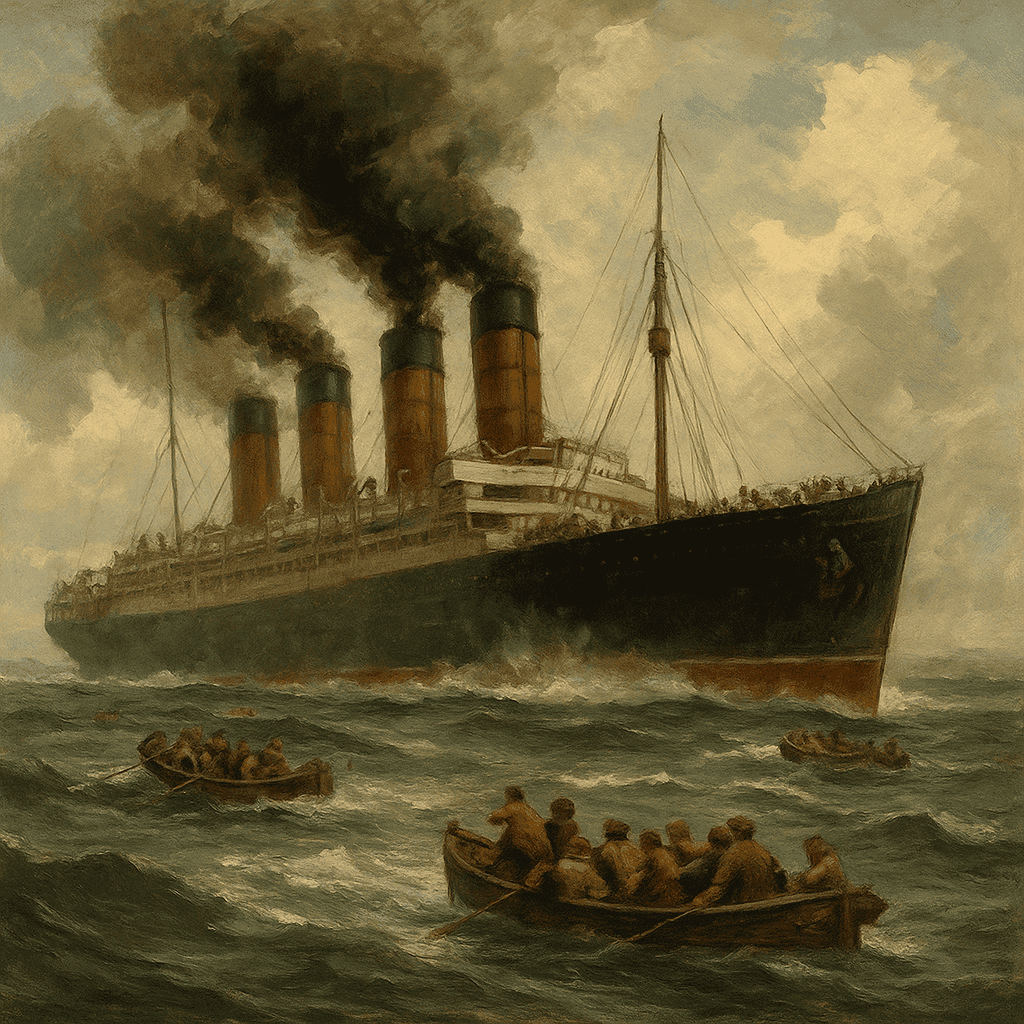
The Lusitania was one of the largest and fastest passenger ships of its time, celebrated for its luxury and speed. It was also operating during a period of heightened tensions on the Atlantic, as German U-boats prowled the waters in a campaign of unrestricted submarine warfare. Despite warnings from Germany that ships entering the war zone around Britain were at risk, the Lusitania continued its voyage from New York to Liverpool. The torpedo struck without warning, causing a massive explosion that sank the ship in just 18 minutes, leaving little time for organized evacuation.
The loss of life on such a scale, especially among civilians and neutral Americans, shocked the global community. Many believed that Germany had violated the rules of warfare by targeting a passenger vessel without ensuring the safety of its passengers. The sinking quickly became a symbol of German aggression and cruelty in Allied propaganda, galvanizing support for the Allied cause and painting Germany as a villain on the world stage.
Impact on American Sentiment
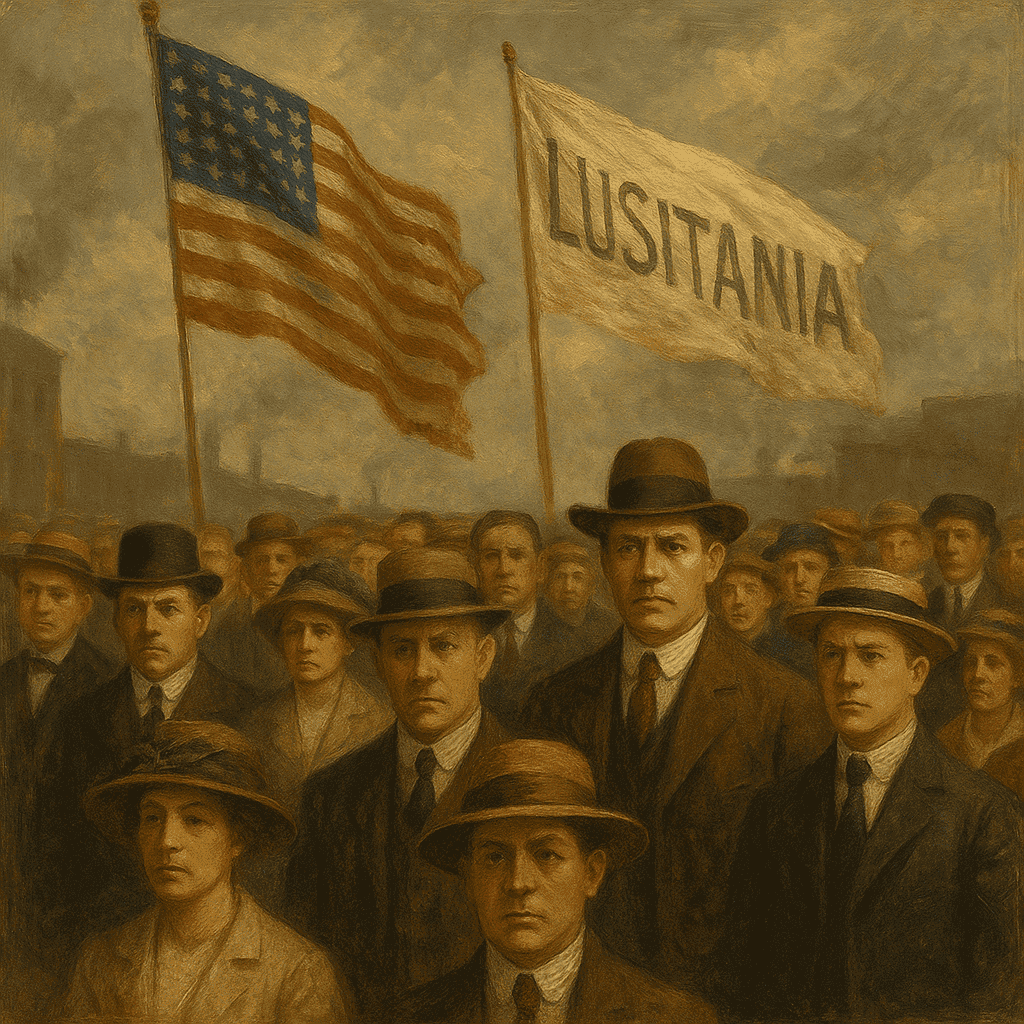
Although the United States maintained official neutrality at the time, the deaths of 128 Americans aboard the Lusitania fueled outrage across the country. President Woodrow Wilson faced mounting pressure to respond forcefully, though he initially pursued diplomatic solutions rather than immediately entering the war. Germany, aware of the growing American anger, briefly curtailed its submarine attacks on passenger ships, but the seeds of resentment had been sown.
The sinking of the Lusitania thus played a critical role in shifting American public opinion. While it would be nearly two more years before the United States declared war on Germany, the memory of the Lusitania's destruction lingered, becoming one of several key events cited when America finally joined the conflict in 1917. The attack demonstrated the power of a single incident to influence national policy and to turn the tide of public emotion toward war.
Lasting Legacy and Maritime Changes
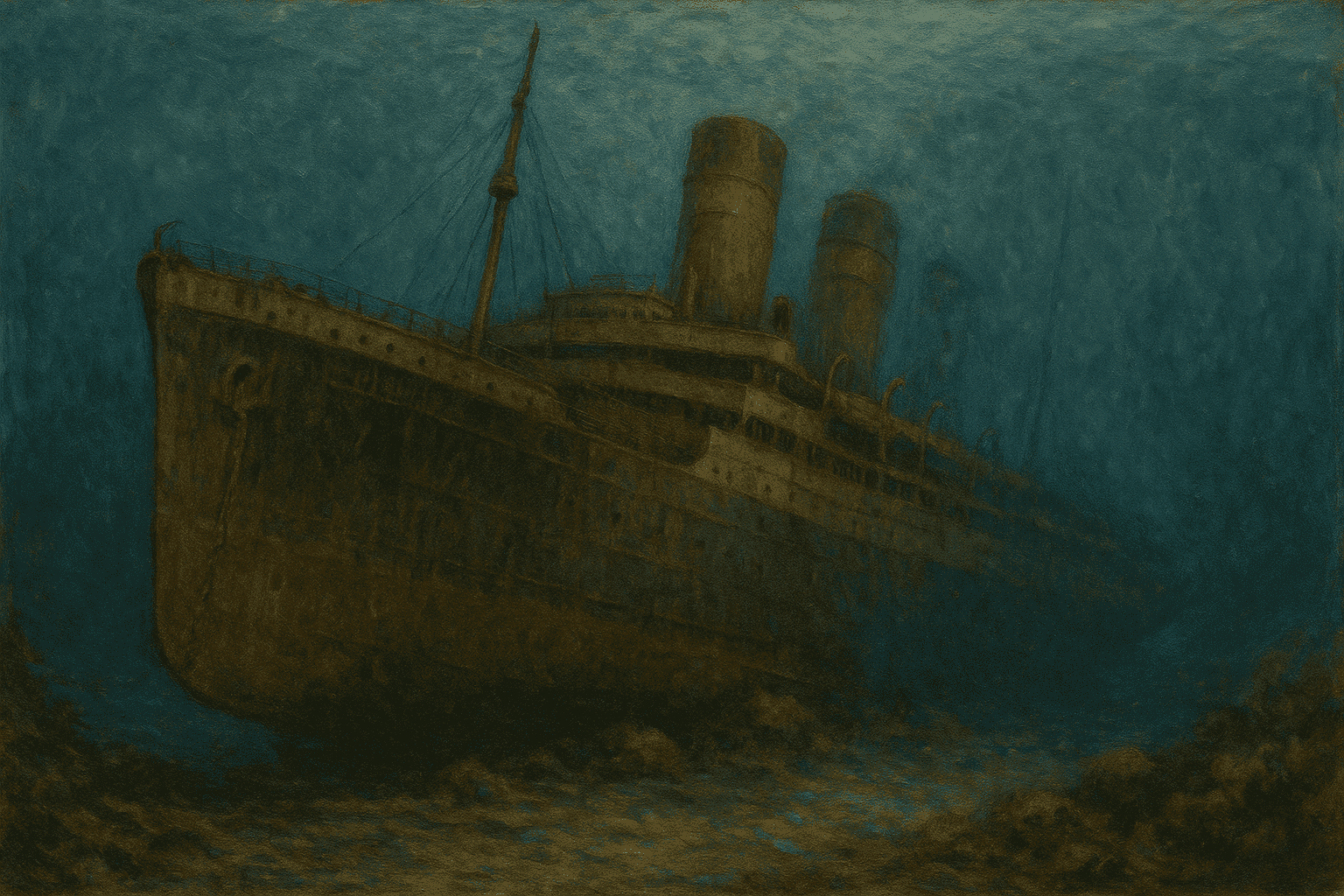
Beyond its immediate effects on World War I, the Lusitania disaster prompted significant changes in maritime practices and international law. Governments and shipping companies reconsidered the safety of civilian vessels traveling through war zones, leading to revised policies regarding passenger travel during conflicts. The tragedy also spurred discussions about the ethical limits of wartime actions, influencing future agreements like the 1930 London Naval Treaty, which aimed to better protect civilians at sea.
Memorials and historical studies continue to commemorate the Lusitania and those who perished. The shipwreck remains a somber underwater monument, and its story is taught in history classes around the world as a cautionary tale about the brutal realities of war. The Lusitania’s sinking serves as a lasting reminder of the human cost of military conflicts and the enduring importance of protecting non-combatants during times of war.