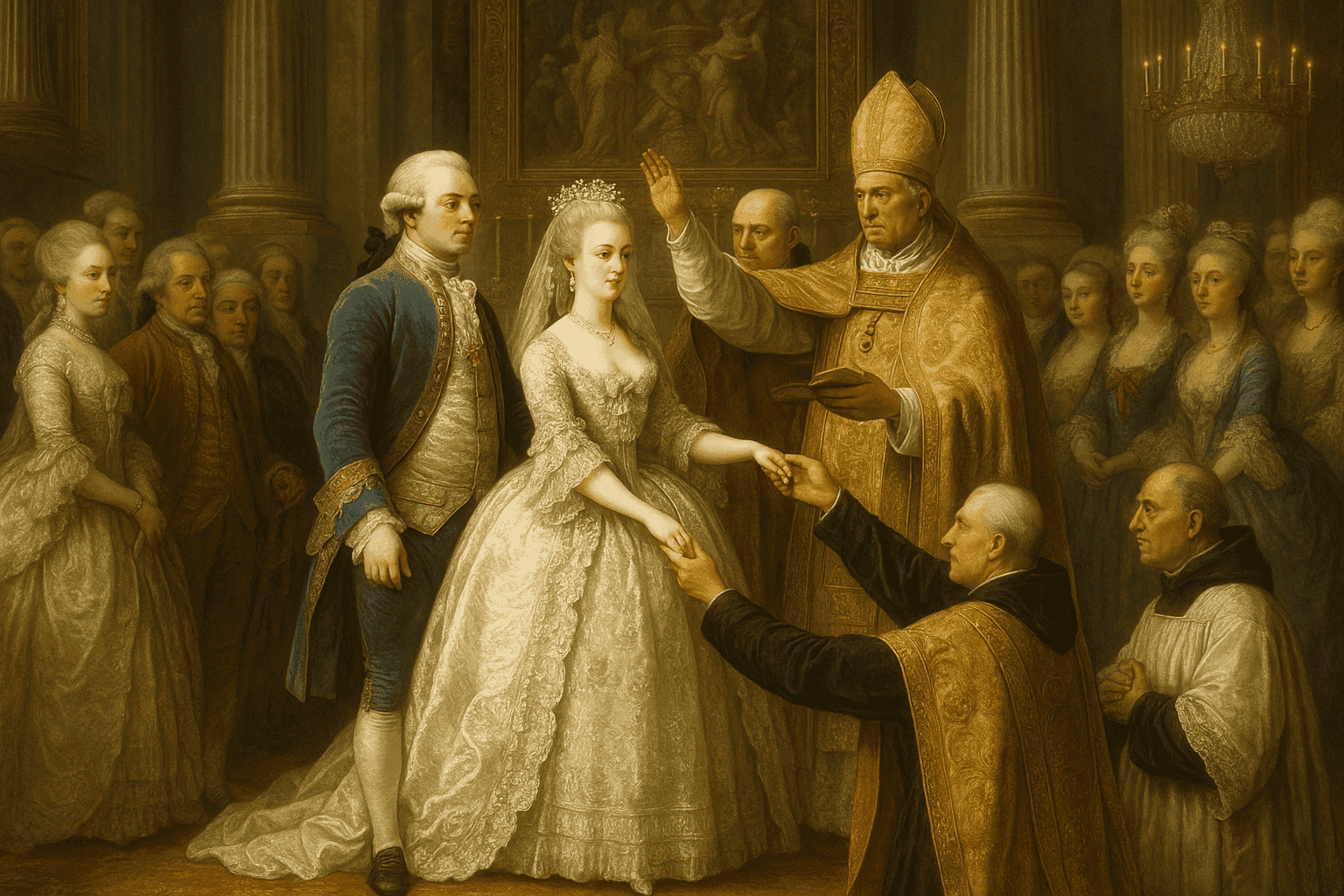
On May 16, 1770, a grand celebration marked the union of Louis-Auguste, the French Dauphin and future King Louis XVI, and Marie Antoinette, the youngest daughter of Empress Maria Theresa of Austria. The marriage was orchestrated as a political alliance between two powerful dynasties—Bourbon and Habsburg—meant to secure peace between France and Austria after years of rivalry and war.
What began as a gesture of diplomacy would evolve into one of the most infamous royal partnerships in European history, forever tied to the upheaval of the French Revolution and the fall of the monarchy.
A Lavish Beginning
The royal wedding, held at the Palace of Versailles, was an opulent affair reflective of the grandeur of the French court. Marie Antoinette, just 14 years old, arrived in France as a symbol of hope for renewed Franco-Austrian relations. Louis-Auguste, one year older, was shy and uncertain about his future role as king.
The early years of their marriage were marked by formality and political scrutiny. Their relationship was slow to develop, and for years they struggled to produce an heir—fueling rumors and criticism among courtiers and the public alike.
Symbols of Excess Amid Rising Discontent
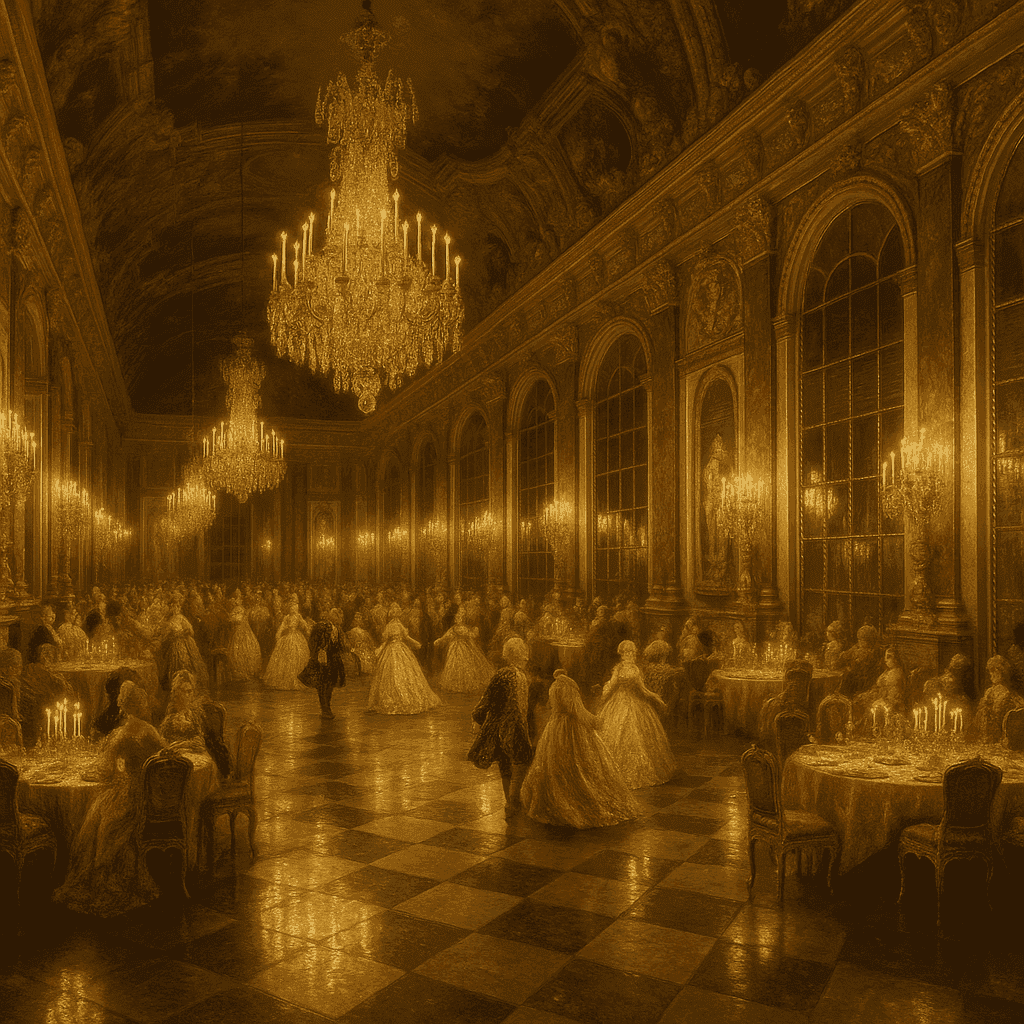
As King and Queen of France from 1774 onward, Louis XVI and Marie Antoinette inherited a nation plagued by financial crisis and deep social inequality. While much of the French population struggled with poverty and hunger, the royal court at Versailles remained a bastion of luxury and extravagance.
Marie Antoinette, in particular, became a lightning rod for public anger. Nicknamed “Madame Deficit,” she was portrayed as frivolous and indifferent, a symbol of a monarchy out of touch with the suffering of its people. Her spending on fashion, entertainment, and her private retreat, the Petit Trianon, drew fierce criticism.
Though many of these perceptions were exaggerated or politically motivated, they contributed to the growing revolutionary sentiment across France.
A Union That Ended in Tragedy
The alliance that their marriage once symbolized crumbled under the weight of revolution. By the late 1780s, political unrest had reached a boiling point. The storming of the Bastille in 1789 marked the beginning of the French Revolution, and within a few years, the monarchy was abolished.
In 1793, both Louis XVI and Marie Antoinette were executed by guillotine, their deaths marking the end of centuries of royal rule in France. Their tragic fall from grace remains one of the most dramatic chapters in European history.
A Legacy of Power, Perception, and Change
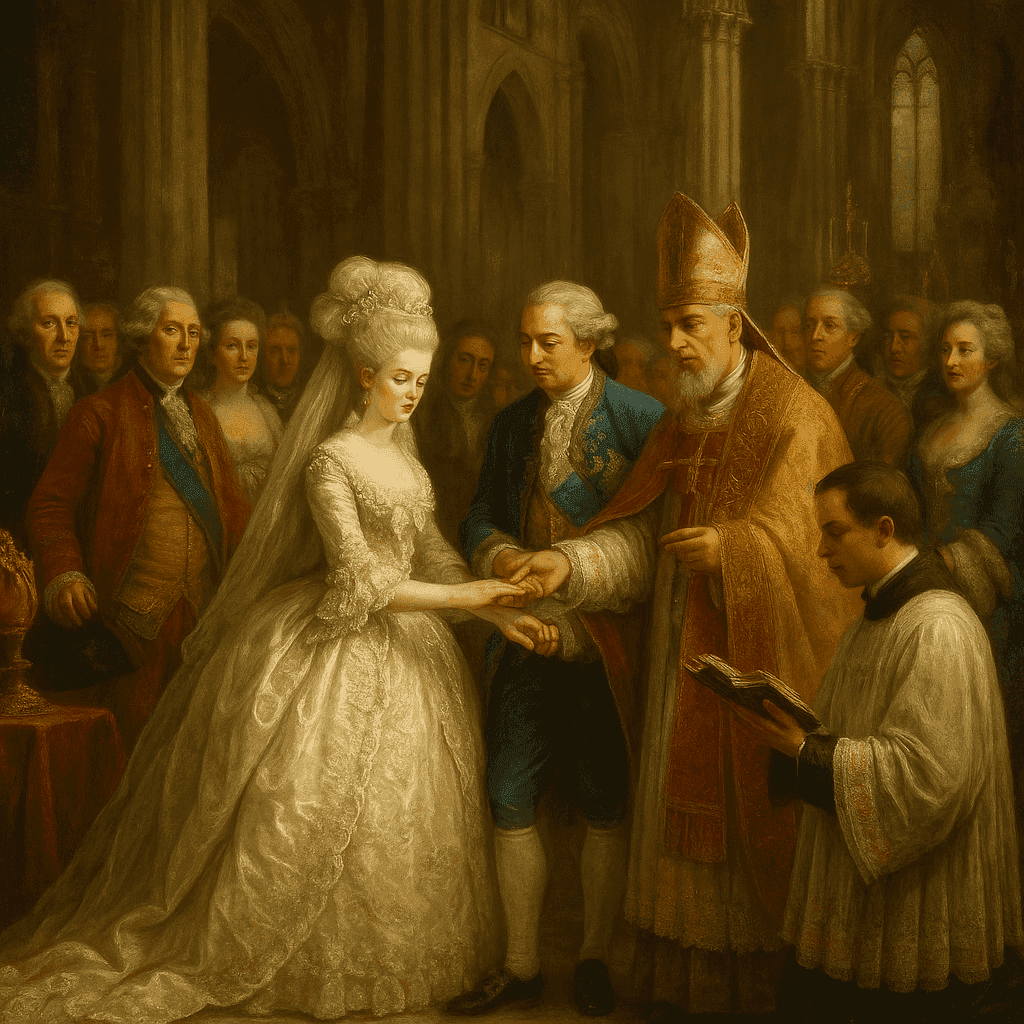
The marriage of Louis and Marie Antoinette on May 16, 1770, was intended to secure stability but ultimately became a symbol of the decadence and disconnect that fueled revolutionary change. Their story serves as a powerful reminder of how leadership, perception, and public discontent can shape the fate of nations.
Centuries later, their lives continue to captivate historians, artists, and the public—offering enduring insight into the complexities of monarchy, politics, and the human consequences of power.