On May 22, 1843, a caravan of approximately 1,000 pioneers departed from Elm Grove, Missouri, launching what would become known as the Great Emigration—the largest and most organized migration of settlers along the Oregon Trail to date. This historic journey marked a pivotal chapter in American westward expansion, demonstrating the determination and resilience of those who sought new lives beyond the frontier.
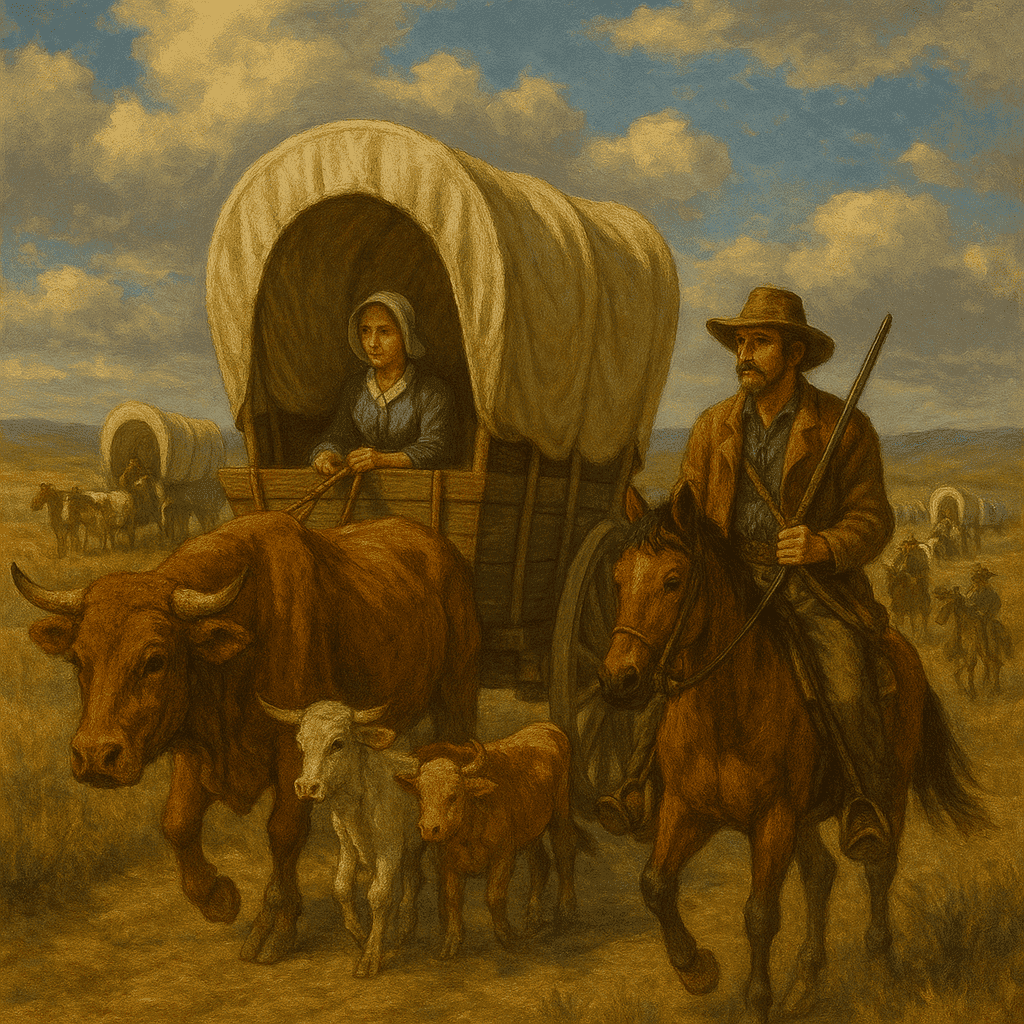
Forging the Trail to Oregon
The Oregon Trail, stretching over 2,000 miles to the fertile Willamette Valley, was already in use by trappers and smaller groups, but the 1843 Great Emigration was the first large-scale movement of families in covered wagons. Led by seasoned frontiersmen and encouraged by reports of rich farmland and opportunity in the Oregon Territory, the emigrants sought not only land but a fresh start in the American West.
Their journey was arduous. The travelers faced treacherous river crossings, disease, food shortages, harsh weather, and the physical toll of months on the trail. Yet their shared goal—to claim a piece of the expanding frontier—pushed them forward, and the majority reached Oregon by autumn.
A Defining Moment in Manifest Destiny
The Great Emigration became a powerful symbol of Manifest Destiny, the widely held belief that the United States was destined to expand across the North American continent. The success of the 1843 migration spurred thousands of others to make the trek in the years that followed, accelerating U.S. settlement in the Pacific Northwest.
This surge of settlers helped solidify American claims to the Oregon Territory, which had been contested by Great Britain. The influx of American pioneers strengthened the U.S. position in negotiations and contributed to the eventual signing of the Oregon Treaty in 1846, which established the current U.S.-Canada border west of the Rocky Mountains.
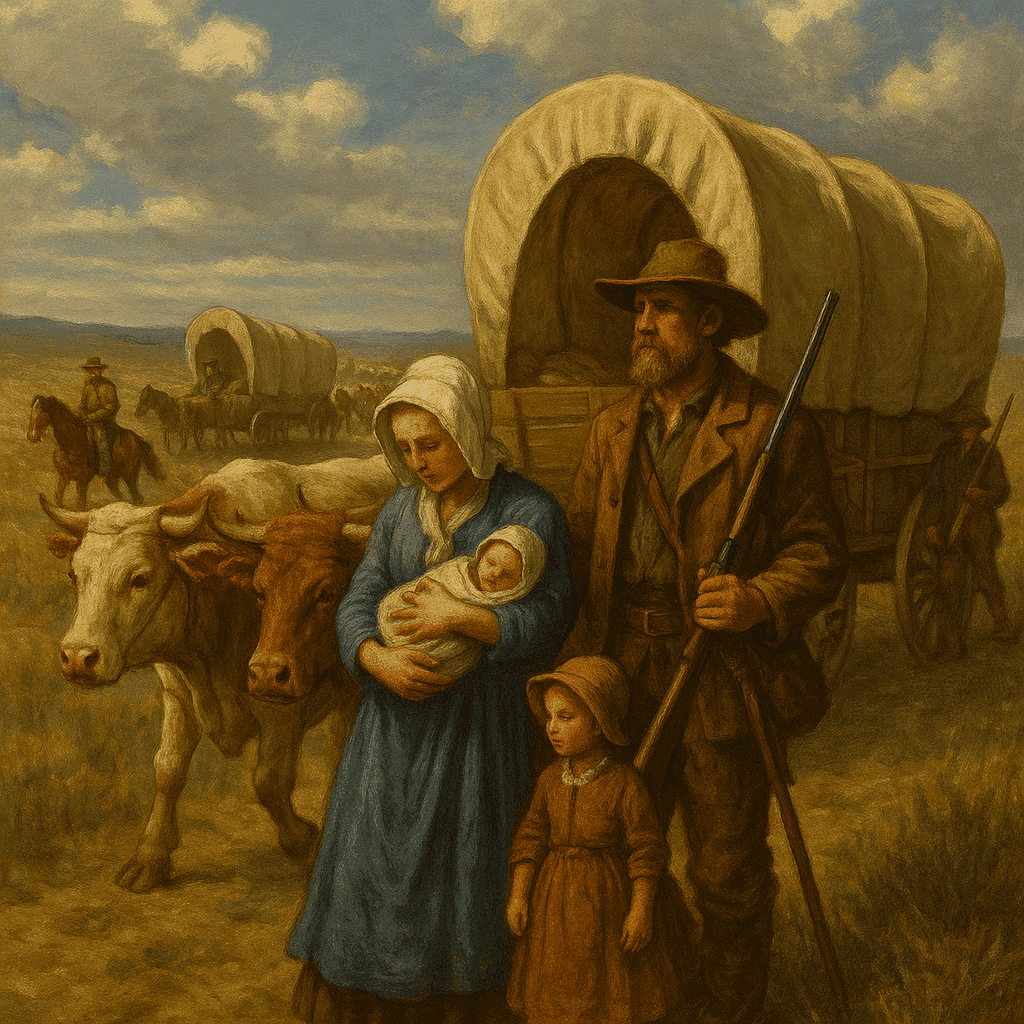
Legacy of the Oregon Trail and the Emigrants
The Great Emigration of 1843 laid the groundwork for westward migration that would define much of 19th-century American history. The Oregon Trail itself became one of the most significant routes of travel during the era of expansion, with an estimated 400,000 people eventually following in the footsteps of those early pioneers.
While the journey west symbolized hope and opportunity for many, it also had profound and tragic consequences for Native American communities, whose lands and ways of life were irrevocably altered by the influx of settlers and ensuing U.S. policies.
Remembering the Pioneers of May 22, 1843
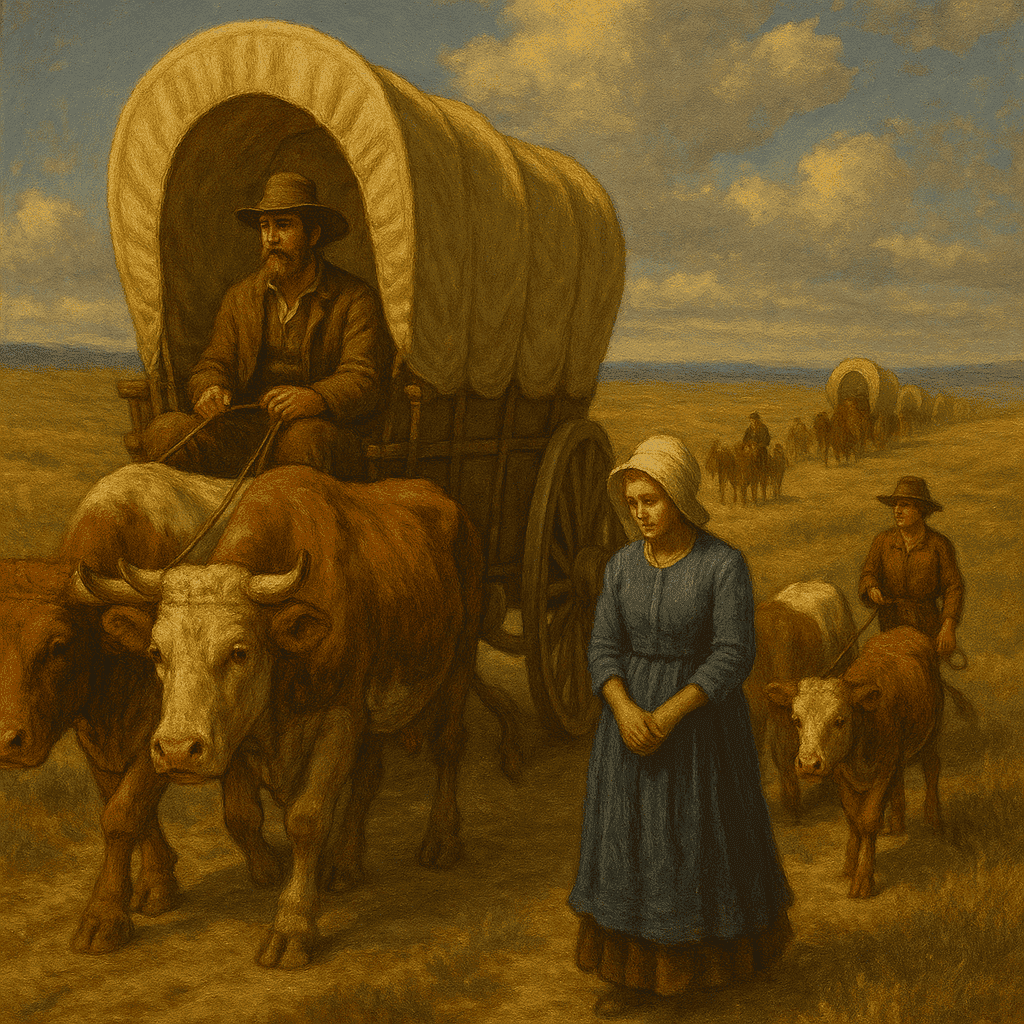
The departure of the Great Emigration on May 22, 1843, marked more than a mass migration—it signified the beginning of a movement that would shape the geographic, political, and cultural landscape of the United States. These early pioneers embody the spirit of endurance and ambition, and their journey remains a defining story in the narrative of American expansion.