
Kurt Cobain, the influential frontman of the groundbreaking band Nirvana, died by suicide on April 5, 1994, in his Seattle home. He was only 27 years old. News of his death stunned the world and marked the tragic end of a musician whose raw talent, vulnerability, and angst had defined a generation. Cobain's passing not only signaled the symbolic close of the grunge era but also exposed the heavy toll that fame and internal struggles can exact on an artist.
Cobain rose to prominence in the early 1990s as Nirvana's lead singer, guitarist, and principal songwriter. With the release of Nevermind in 1991 and its breakout single “Smells Like Teen Spirit,” Nirvana catapulted into the mainstream, pushing grunge from the underground Seattle scene into international stardom. Cobain's music resonated with a disillusioned youth, offering a voice to those who felt alienated or out of place. His lyrics were both cryptic and deeply personal, reflecting his internal battles and discontent with societal norms.
A Voice for the Disenfranchised

What set Cobain apart was his authenticity. He wasn’t trying to be a rock star—he was simply trying to be heard. He openly discussed his struggles with depression, chronic physical pain, and substance abuse, topics rarely addressed so publicly by celebrities at the time. This openness and his artistic brilliance made him a relatable and almost mythical figure for many fans. Yet behind the curtain of fame was a man increasingly overwhelmed by its pressures.
Cobain’s discomfort with fame clashed with the expectations placed on him. He never seemed to embrace the spotlight fully and grew increasingly frustrated with how the media misunderstood him and his music. As Nirvana’s popularity soared, so too did Cobain’s sense of isolation and disillusionment. In the months leading up to his death, he had a near-fatal overdose in Rome and was in and out of rehab. His suicide note, found at the scene, expressed a painful ambivalence toward life, fame, and music—a heartbreaking window into his troubled mind.
The End of an Era
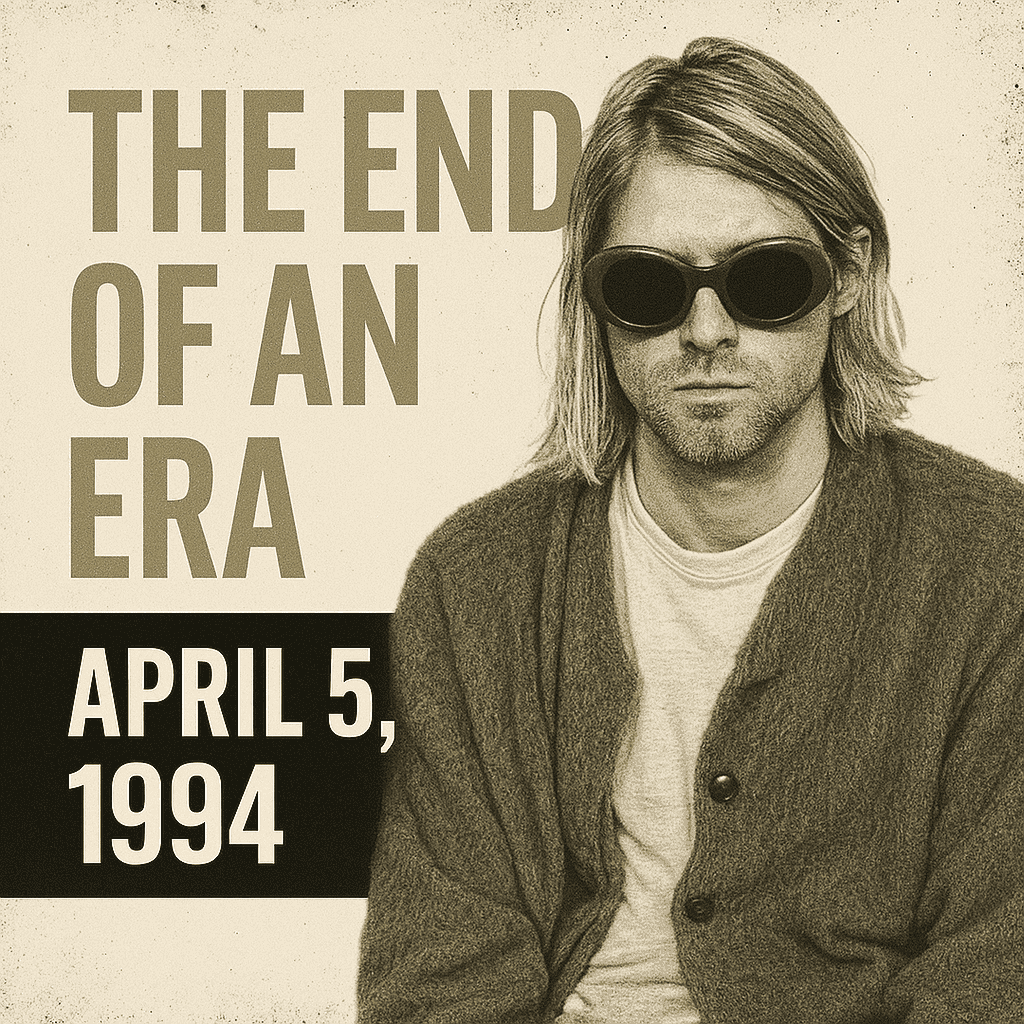
Cobain's death marked the end of an era—not just for Nirvana but for the grunge movement as a whole. While bands like Pearl Jam, Soundgarden, and Alice in Chains continued to perform, none carried the same cultural weight as Nirvana during their peak. For many, Cobain was the soul of grunge, and with his death, the movement lost its central figure. The music industry took a somber turn, and fans were left grappling with the loss of someone who had given voice to their deepest fears and frustrations.
His death also sparked a broader conversation about mental health and the music industry. Cobain’s story became a cautionary tale about the dangers of unchecked fame and the lack of mental health support for artists. Over time, more musicians began to speak out about their own struggles, leading to increased awareness and advocacy for mental health in the entertainment world.
A Legacy That Endures
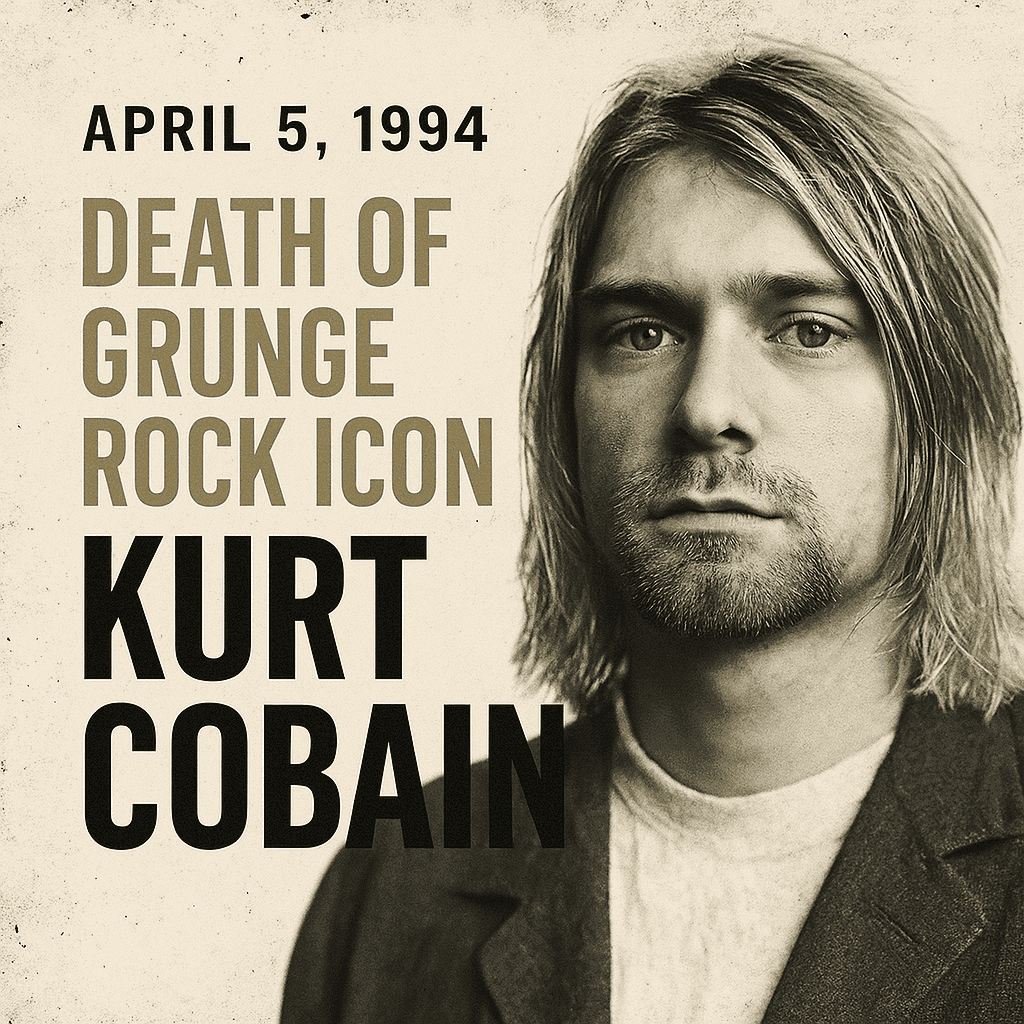
Three decades later, Kurt Cobain's legacy endures. Nirvana’s music remains widely influential, and Cobain is remembered as a pioneering artist who never compromised his vision. His influence can be heard in countless bands that followed, and his image remains iconic—frozen in time as the reluctant voice of Generation X. His life and death continue to inspire documentaries, biographies, and cultural studies that explore the intersection of art, pain, and fame.
While April 5, 1994, marks a tragic loss, it also reminds us of the power of music to articulate what words often cannot. Kurt Cobain may be gone, but his voice still echoes—raw, unfiltered, and unforgettable.