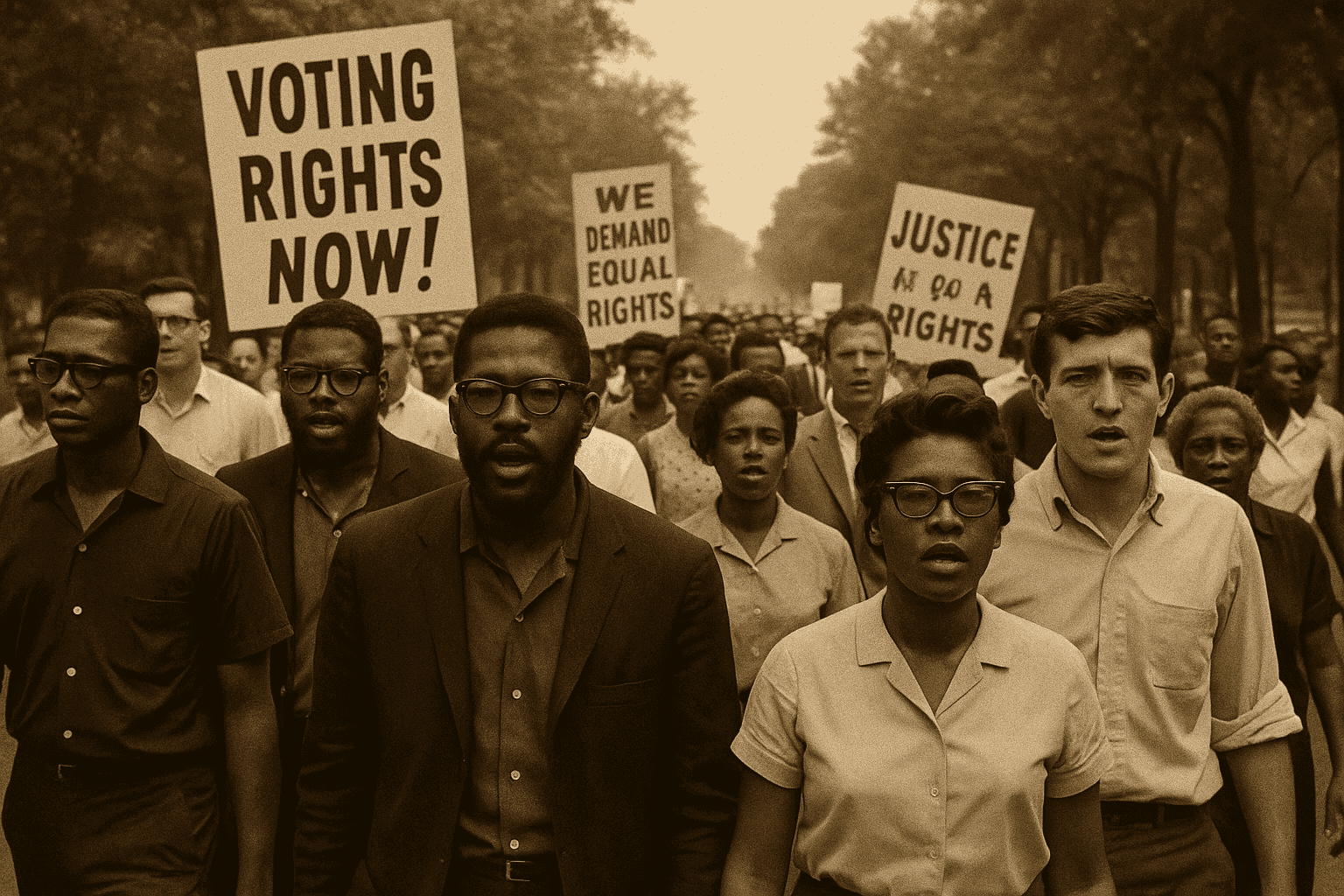
On June 6, 1966, civil rights activist James Meredith was shot and wounded by a sniper while undertaking a solo march through Mississippi. His goal was to promote Black voter registration and challenge the entrenched racism and intimidation that plagued the state. Known as the March Against Fear, Meredith’s journey was both personal and political, meant to inspire others to confront injustice peacefully and courageously. His shooting shocked the nation but also galvanized the civil rights movement, transforming the march into a mass demonstration for justice and equality.
A March of One with a Powerful Message
James Meredith, who had famously integrated the University of Mississippi in 1962 under federal protection, embarked on his one-man march from Memphis, Tennessee, to Jackson, Mississippi, determined to prove that African Americans could walk the roads of the South without fear. He intended the march to be low-key and deliberately chose to undertake it alone, armed only with a helmet and walking stick.
Just one day into the march, while walking along U.S. Highway 51 near Hernando, Mississippi, Meredith was shot by a white man named Aubrey James Norvell. The gunman later claimed he intended to frighten, not kill, but Meredith suffered serious wounds and had to be hospitalized. His attack underscored the deep dangers still faced by those confronting racial oppression in the South.
Civil Rights Leaders Respond
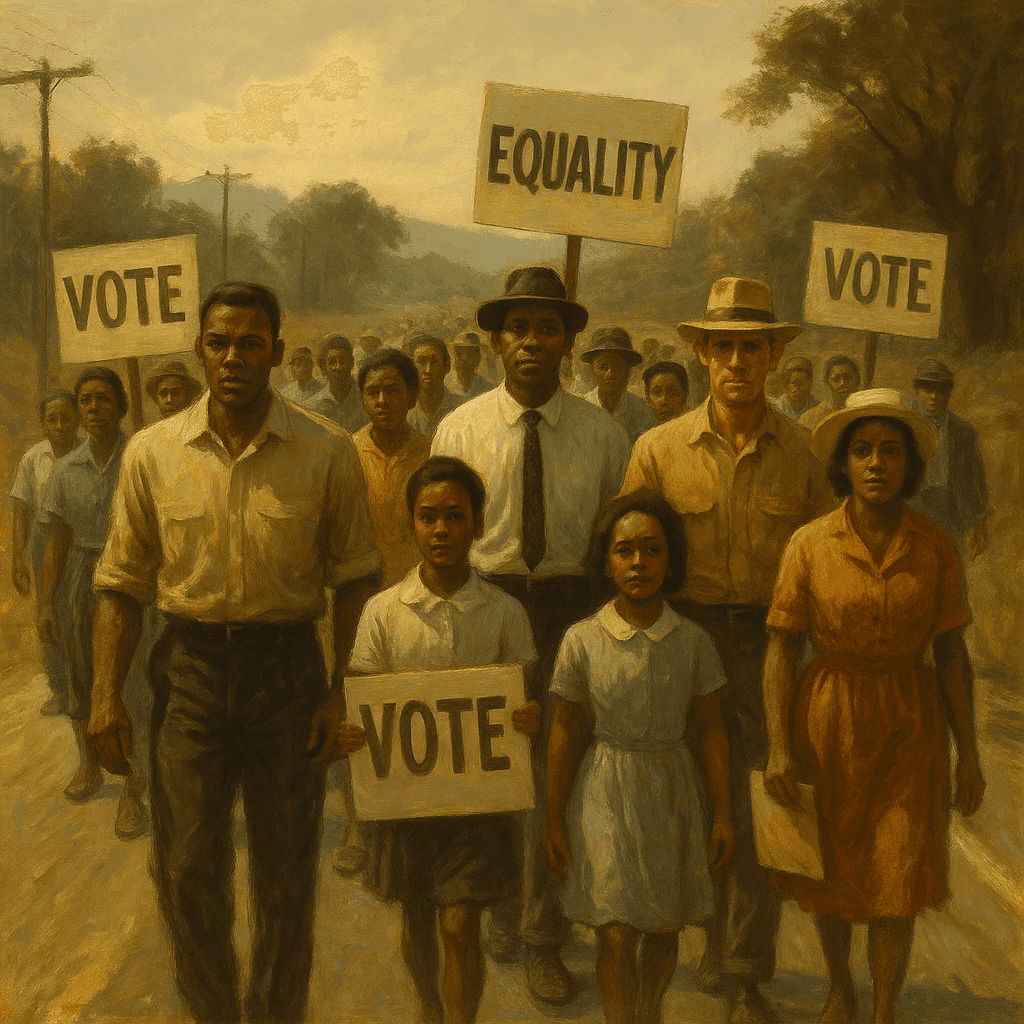
The shooting of James Meredith sent shockwaves through the civil rights community. In response, major civil rights organizations and figures—including Martin Luther King Jr. of the Southern Christian Leadership Conference, Stokely Carmichael of the Student Nonviolent Coordinating Committee (SNCC), and Floyd McKissick of the Congress of Racial Equality (CORE)—quickly mobilized to continue Meredith’s march.
What began as a solitary journey became a powerful collective demonstration. Thousands of participants joined in, turning the March Against Fear into one of the largest civil rights protests of the era. Along the way, organizers conducted voter registration drives and spoke to crowds about racial equality, economic justice, and Black empowerment.
A Rallying Cry for Black Power
One of the march’s most historically significant moments occurred when Stokely Carmichael, frustrated by repeated arrests and police harassment, delivered a speech in Greenwood, Mississippi, popularizing the term "Black Power." The phrase reflected a shift in tone within the movement, expressing a desire for more assertive action, self-determination, and pride in African American identity.
While “Black Power” sparked debate and division among civil rights leaders, it also represented the movement’s evolving strategy and the impatience of younger activists with the pace of change.
A Legacy of Courage and Continuity

Despite his injuries, James Meredith rejoined the march near its conclusion. On June 26, 1966, the demonstration successfully ended in Jackson, where thousands gathered to hear speeches and continue the call for voting rights and racial equality. The march registered more than 4,000 African American voters and helped spotlight ongoing injustices in the Deep South.
Meredith’s bravery and the transformation of his personal mission into a national event highlight the unpredictable and powerful ways in which the civil rights movement grew and adapted. The March Against Fear, born of individual courage and sustained by collective action, remains a pivotal episode in the struggle for justice in the United States.