February 23: A Siege Begins, Service Takes Root, A Flag Rises
February 23 marks a day when ordinary moments transformed into extraordinary legacies. A military siege that would forge a revolution's rallying cry, a lunch meeting among friends that would spark a worldwide movement of service, and a flag raised on volcanic rock that would become an enduring image of courage—each reminds us that history's most powerful symbols often emerge from acts of determination in the face of overwhelming odds.
Thirteen Days to Legend
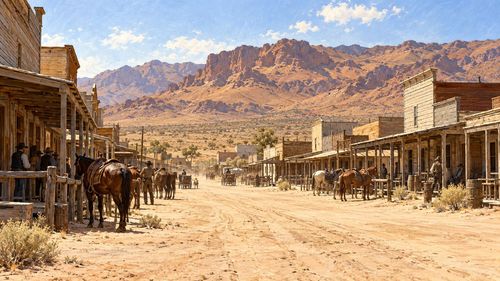
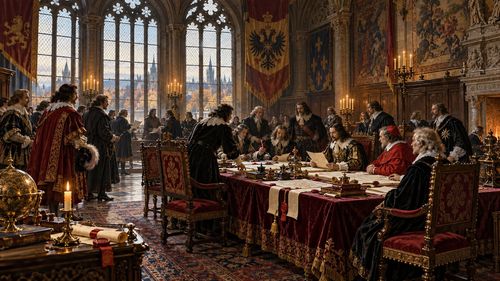
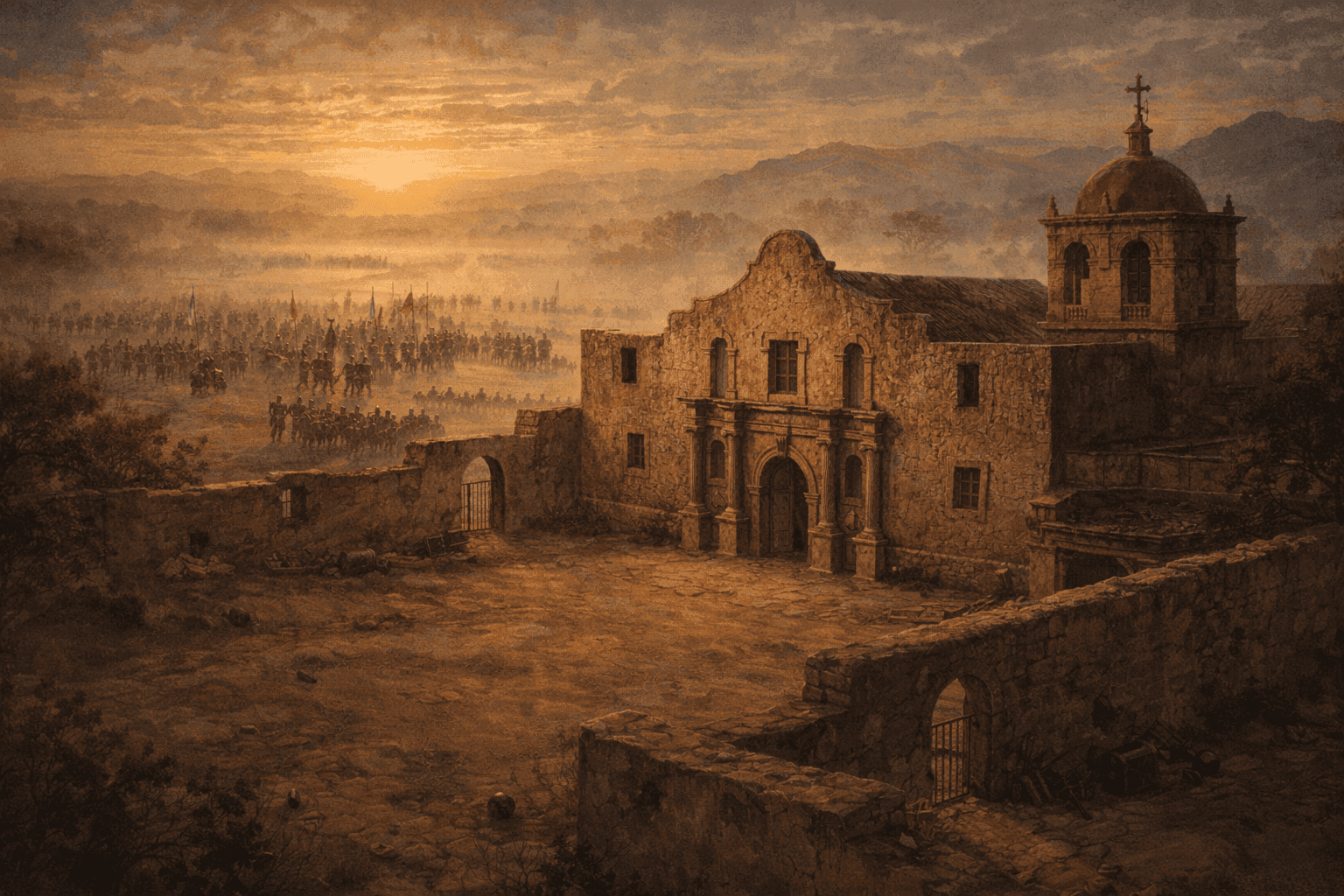
On February 23, 1836, General Antonio López de Santa Anna's army of several thousand soldiers arrived at the outskirts of San Antonio, Texas, and began surrounding the Alamo Mission. Inside the former Spanish mission, fewer than two hundred Texian defenders—a mix of volunteers, adventurers, and locals including William B. Travis, James Bowie, and Davy Crockett—faced an impossible choice. They could surrender and likely face execution, attempt escape through enemy lines, or stay and fight knowing reinforcements might never come. They chose to stay.
What followed over the next thirteen days has become American mythology, though the reality remains complex and contested. The defenders held out against repeated assaults, their resistance buying precious time for Sam Houston to assemble a proper Texian army. When the Alamo finally fell on March 6, nearly all its defenders were killed. The loss galvanized Texas settlers with the battle cry "Remember the Alamo!" leading to Santa Anna's defeat at San Jacinto six weeks later. Yet the story's elevation to legend often obscures uncomfortable truths: this was ultimately a rebellion by American settlers seeking to preserve slavery in Mexican territory, where it had been abolished. The Alamo's defenders showed extraordinary courage, but their cause was far more complicated than later mythology would suggest.
Service Above Self
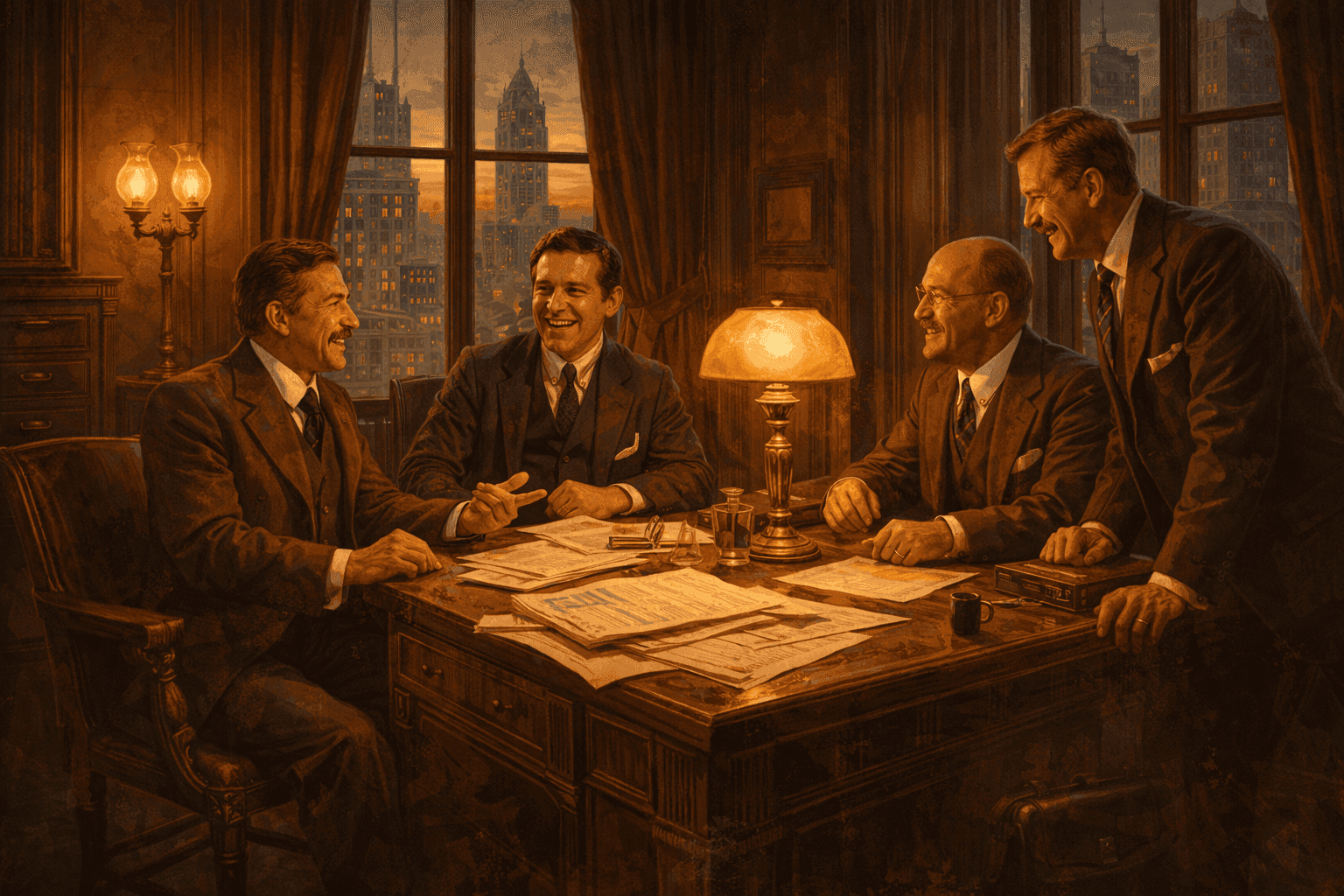
Sixty-nine years later, on February 23, 1905, a different kind of commitment took shape in a Chicago office building. Attorney Paul P. Harris gathered three friends—a mining engineer, a tailor, and a coal merchant—for what he envisioned as a club where professionals could build genuine friendships and serve their communities. They called it Rotary because members would rotate meetings among their various offices. Harris had moved to Chicago feeling isolated despite the city's size, and he suspected others felt the same. He was right.
What began as four men seeking connection evolved into something far larger. The Rotary Club model spread rapidly, with its motto "Service Above Self" attracting business and professional leaders who wanted their success to mean something beyond profit. Today, Rotary International counts over 1.4 million members in more than 46,000 clubs worldwide, having contributed to major humanitarian achievements including the near-eradication of polio. Harris's insight was simple but profound: people hunger for purpose and community, and when you combine fellowship with service, both flourish. From a single lunch meeting emerged a global movement proving that ordinary citizens working together could tackle extraordinary challenges.
Raising the Colors
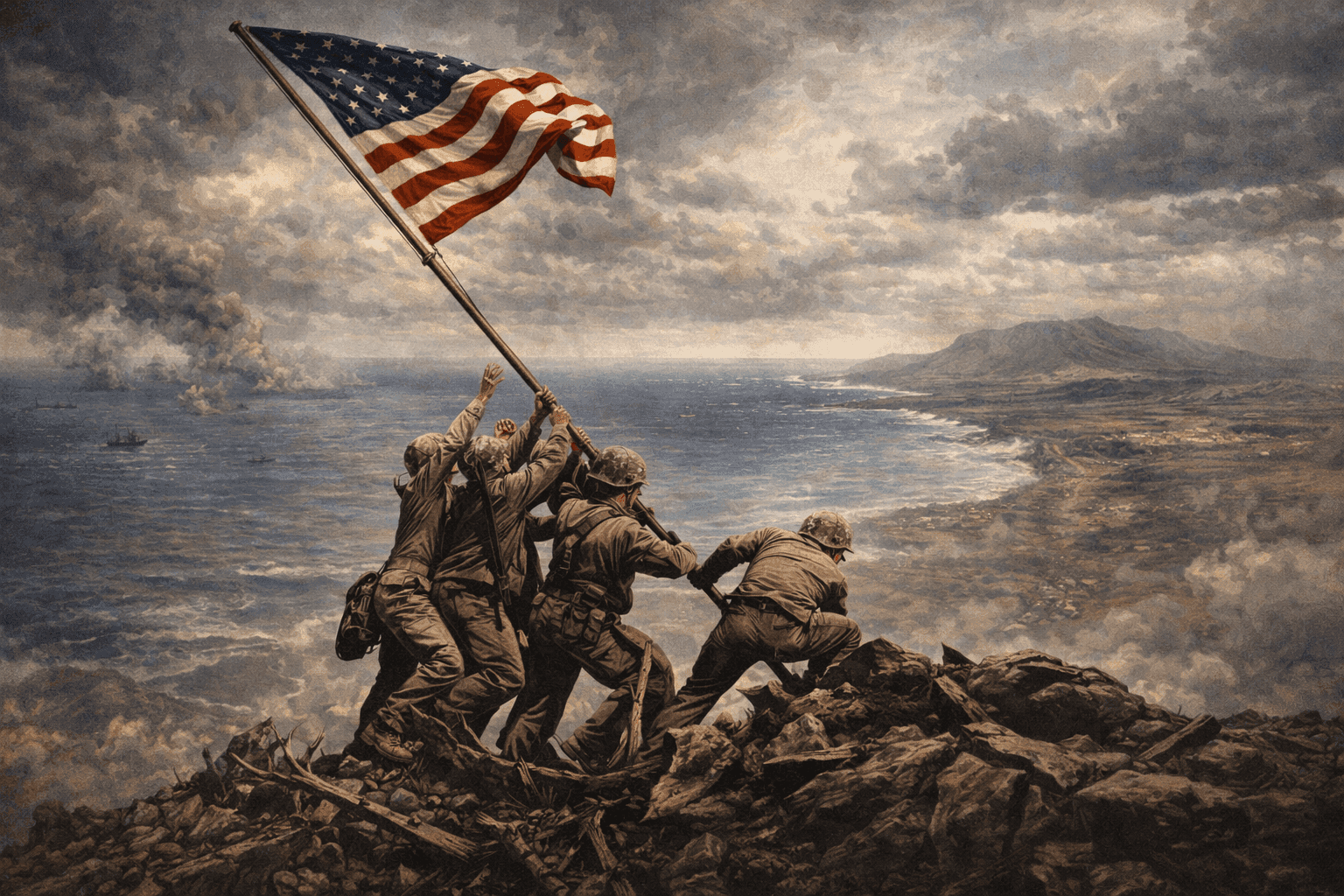
On February 23, 1945, forty years after Rotary's founding and 109 years after the Alamo siege began, five Marines and one Navy corpsman struggled up the steep slope of Mount Suribachi on the island of Iwo Jima. They carried a larger replacement flag to the volcanic peak's summit, where an earlier, smaller flag had been raised that morning. As they planted the pole, Associated Press photographer Joe Rosenthal captured the moment in what would become the most reproduced photograph in history. The image—six men straining against wind and gravity to raise the Stars and Stripes—became an instant icon of American resolve in World War II.
The photograph's power lay partly in what it didn't show: that three of the six men visible in the frame would be killed in action before Iwo Jima was secured, that the island's capture would cost nearly 7,000 American lives, or that the battle would rage for another month. What Rosenthal captured was a moment of collective effort and determination—not posed heroics but men doing their job under unimaginable conditions. The image was reproduced on war bonds posters, inspired the Marine Corps War Memorial in Arlington, and became synonymous with courage under fire. The flag raisers didn't set out to create a symbol; they were simply securing a strategic position. But in that moment on volcanic rock, they gave a war-weary nation an image that said: we endure, we persist, we prevail.