
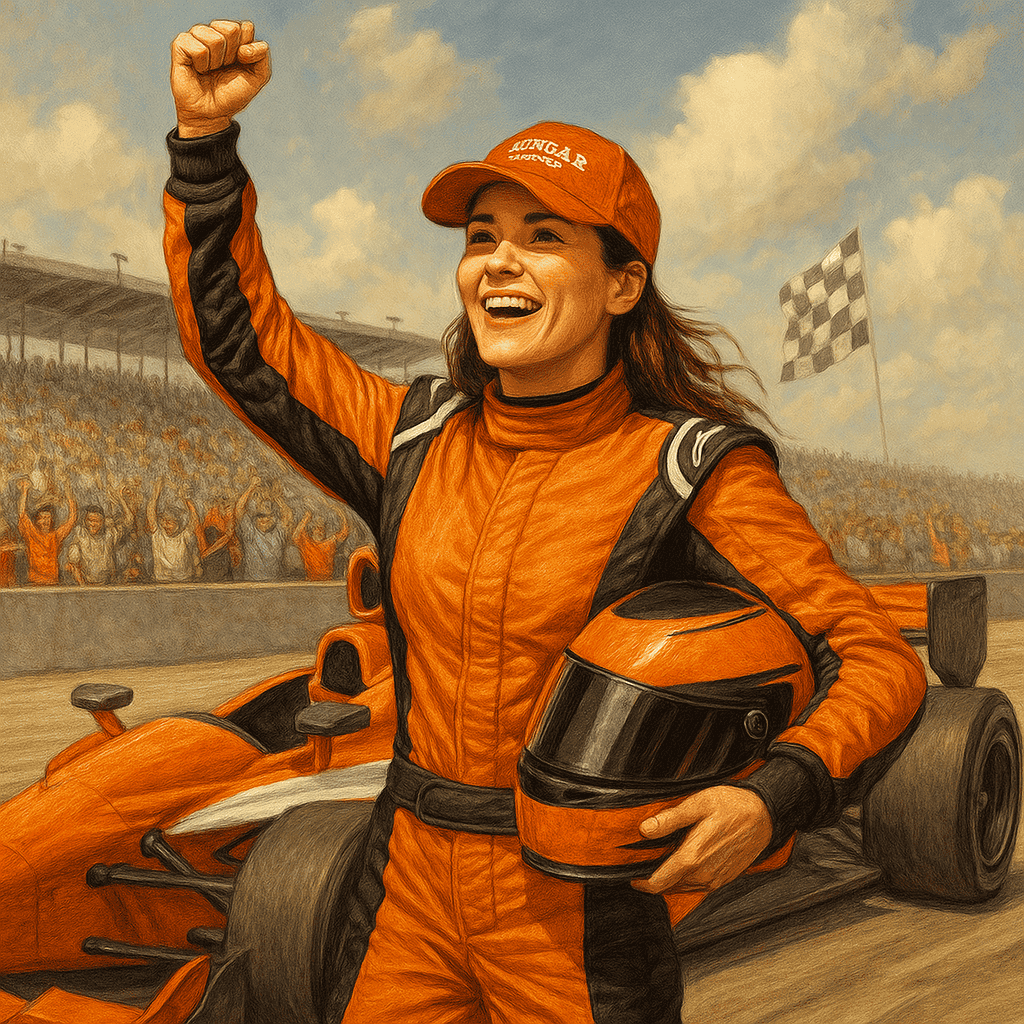
On April 20, 2008, Danica Patrick carved her name into the annals of sports history by becoming the first woman to win an IndyCar race. Her victory at the Indy Japan 300 wasn’t just a personal triumph—it was a groundbreaking moment that challenged long-standing gender norms in professional motorsports. Against a field of elite male drivers in one of the most demanding racing series in the world, Patrick’s win proved that talent and determination know no gender.
Breaking Through in a Male-Dominated Sport
From the beginning of her career, Danica Patrick faced skepticism and scrutiny not just as a rookie, but as a woman in a male-dominated sport. Racing had long been seen as an arena reserved for men, with women often relegated to the sidelines. Patrick, however, refused to accept that narrative. She had already made headlines with her performance at the 2005 Indianapolis 500, where she led laps and finished fourth—the highest finish ever for a female driver at the time.
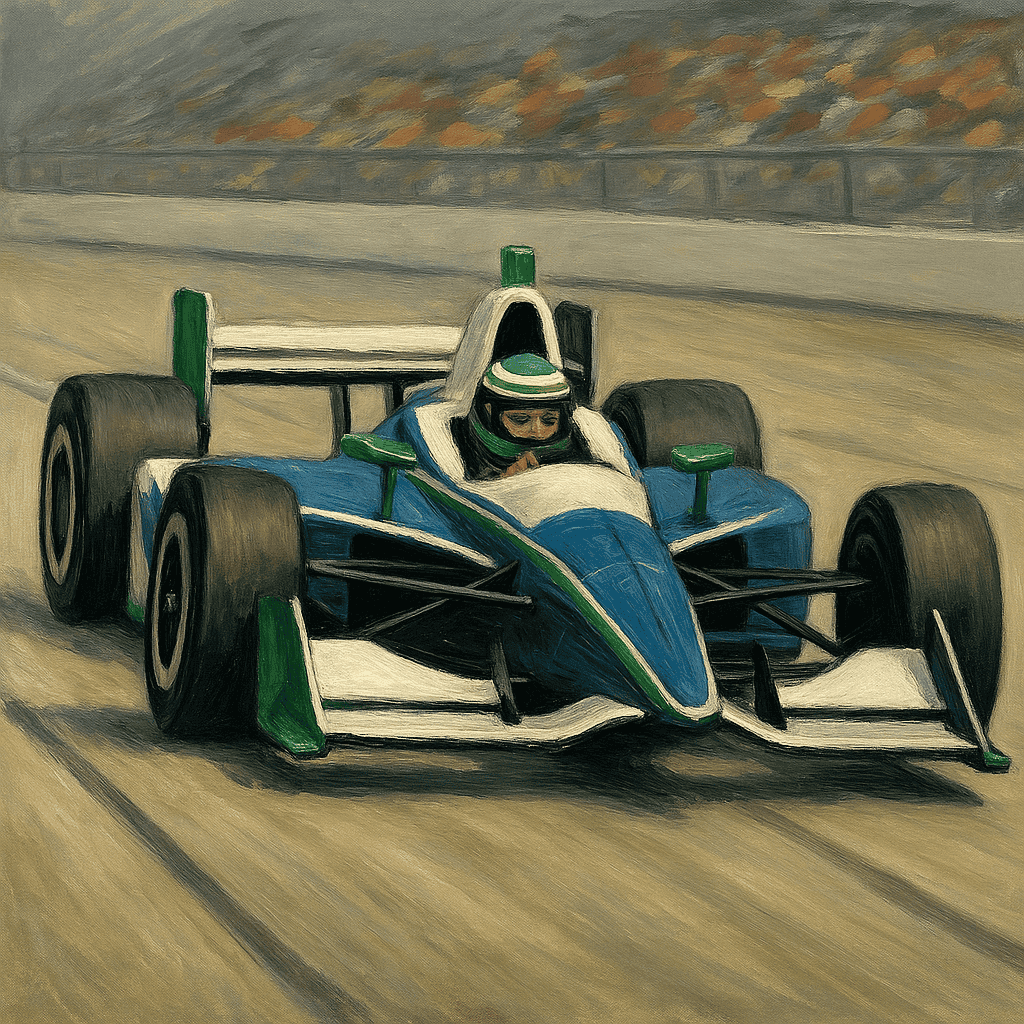
Still, a win had eluded her—until that cool spring day at the Twin Ring Motegi in Japan. With strategy, skill, and nerves of steel, Patrick conserved fuel and executed a flawless race, taking the lead in the closing laps and holding on to cross the finish line first. The moment was electric—not just for motorsports fans, but for anyone who had ever been told that certain dreams weren’t meant for them.
A Win That Resonated Far Beyond the Track
Patrick’s victory was more than just a checkered flag—it was a powerful symbol of progress. Her success inspired young girls and women across the globe, encouraging them to pursue careers and passions in fields where they’ve been historically underrepresented. In sports, business, STEM, and beyond, Patrick’s win sent a clear message: excellence can come from anyone, regardless of gender.
The global response was immediate and enthusiastic. Media outlets hailed her as a trailblazer, while fans celebrated the shattering of another barrier in professional sports. Patrick herself remained humble in the spotlight, crediting her team and years of hard work for the milestone achievement. Her triumph at Motegi became a defining moment in her career and an iconic chapter in racing history.
Legacy of a Trailblazer
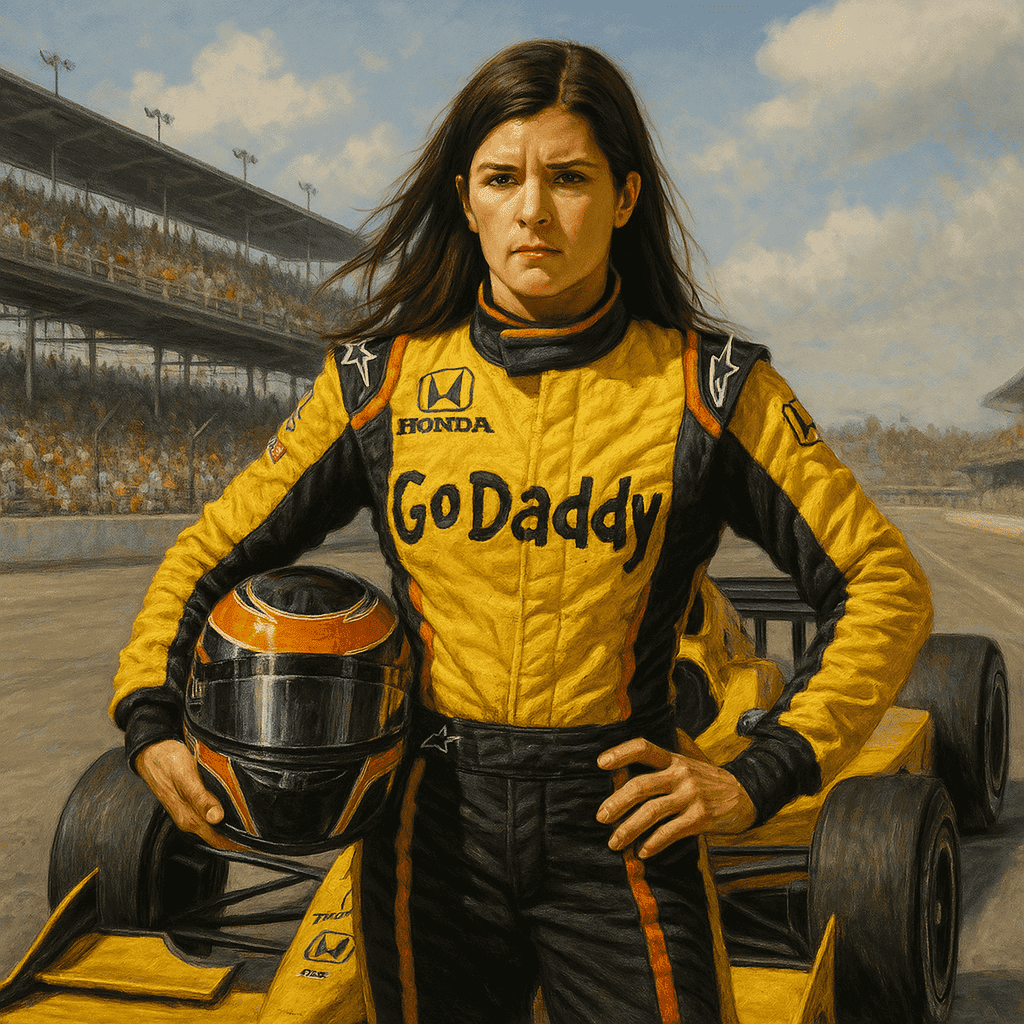
Though she never won another IndyCar race, Danica Patrick continued to break barriers throughout her career. She went on to compete in NASCAR, becoming the first woman to win a pole position for the Daytona 500 and achieving multiple top-ten finishes. Her legacy isn't just measured in wins and podiums, but in the doors she opened and the minds she changed.
Today, Patrick is recognized not only as a top-tier athlete but also as a role model and entrepreneur. Her success paved the way for more women to enter motorsports—not just as drivers, but as engineers, pit crew members, and executives. She helped redefine what was possible in racing, and her influence continues to be felt across the industry.
Danica Patrick’s historic win on April 20, 2008, remains a shining example of what happens when talent, opportunity, and perseverance collide. It was more than a race—it was a statement. And for countless women and girls, it was a moment of validation and inspiration that continues to drive change, both on and off the track.