On June 28, 1904, Helen Keller graduated from Radcliffe College, becoming the first deafblind person in history to earn a Bachelor of Arts degree. Her triumph not only defied societal expectations but helped redefine the boundaries of education and accessibility for individuals with disabilities. Keller’s story is one of grit, advocacy, and the transformative power of determination, setting the stage for broader movements toward equality and inclusion.
Defying the Odds Through Education

Helen Keller’s early years were marked by profound challenges. Stricken by an illness at 19 months old that left her both deaf and blind, Keller was initially locked in a world of silence and darkness. But her breakthrough came with the arrival of Anne Sullivan, her devoted teacher and companion, who helped Keller learn language by spelling words into her hand. Through tireless effort, Keller gained literacy and intellectual curiosity, eventually mastering Braille, speech, and several languages.
Her path to higher education was unprecedented. In an era when even women’s access to college was limited, a deafblind woman seeking a rigorous academic degree was virtually unheard of. Yet Keller persisted. She entered Radcliffe, Harvard’s women’s annex, in 1900 with Sullivan by her side, manually translating lectures and reading texts into Keller’s hand. Despite the grueling pace and limited accommodations, Keller excelled in her coursework.
Changing Perceptions of Disability
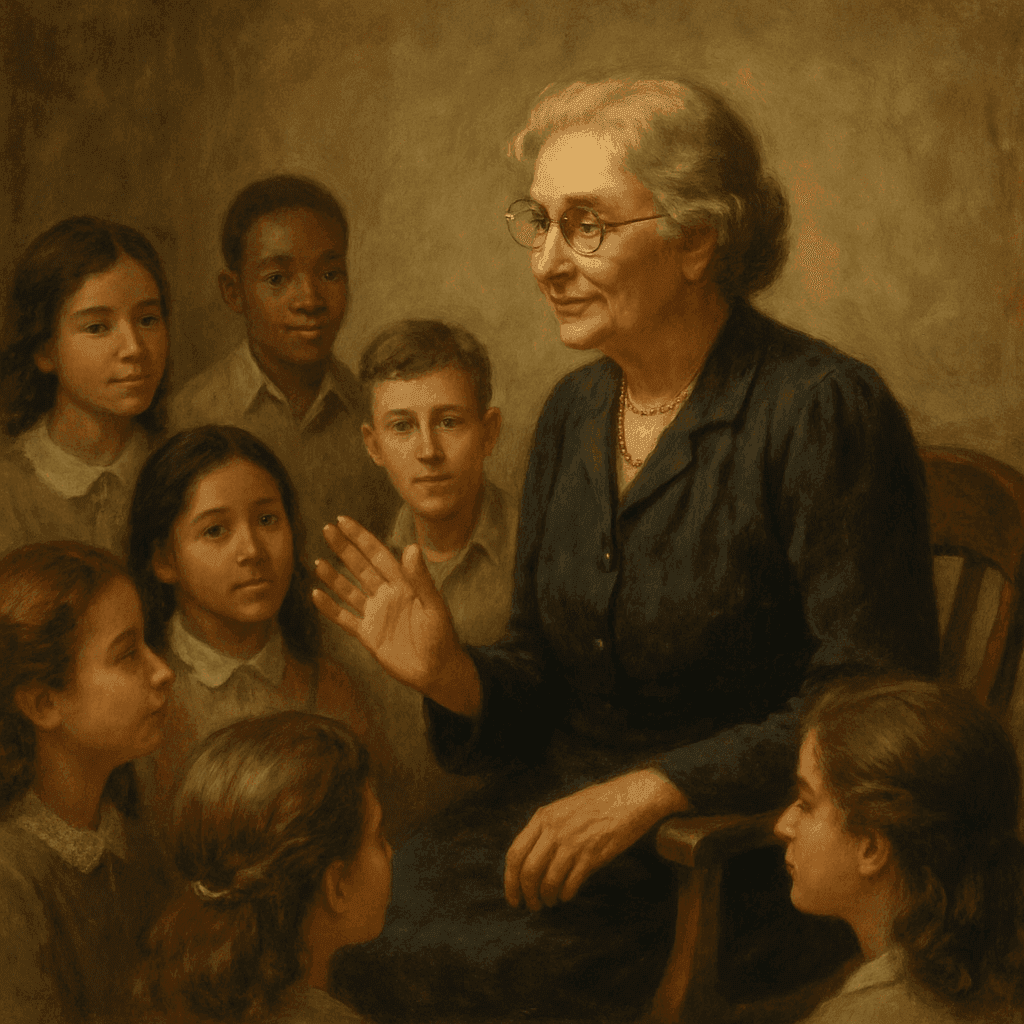
Helen Keller’s graduation sent ripples far beyond the ivy-covered walls of Radcliffe. It publicly challenged the perception that individuals with disabilities were incapable of intellectual achievement. Her academic success proved that disability did not equate to inability and emphasized the potential within every person, regardless of physical limitations. She became a living example of the importance of support, accessible education, and belief in one's capacity to learn.
Keller’s degree gave her more than credentials—it gave her a platform. She began lecturing, writing, and advocating for those with disabilities, using her personal triumph as a testament to the need for societal change. Her message was clear: education is not a privilege for the able-bodied, but a right for all. By pushing past barriers, Keller helped lay the foundation for future legal protections and education reforms.
A Legacy That Still Resonates
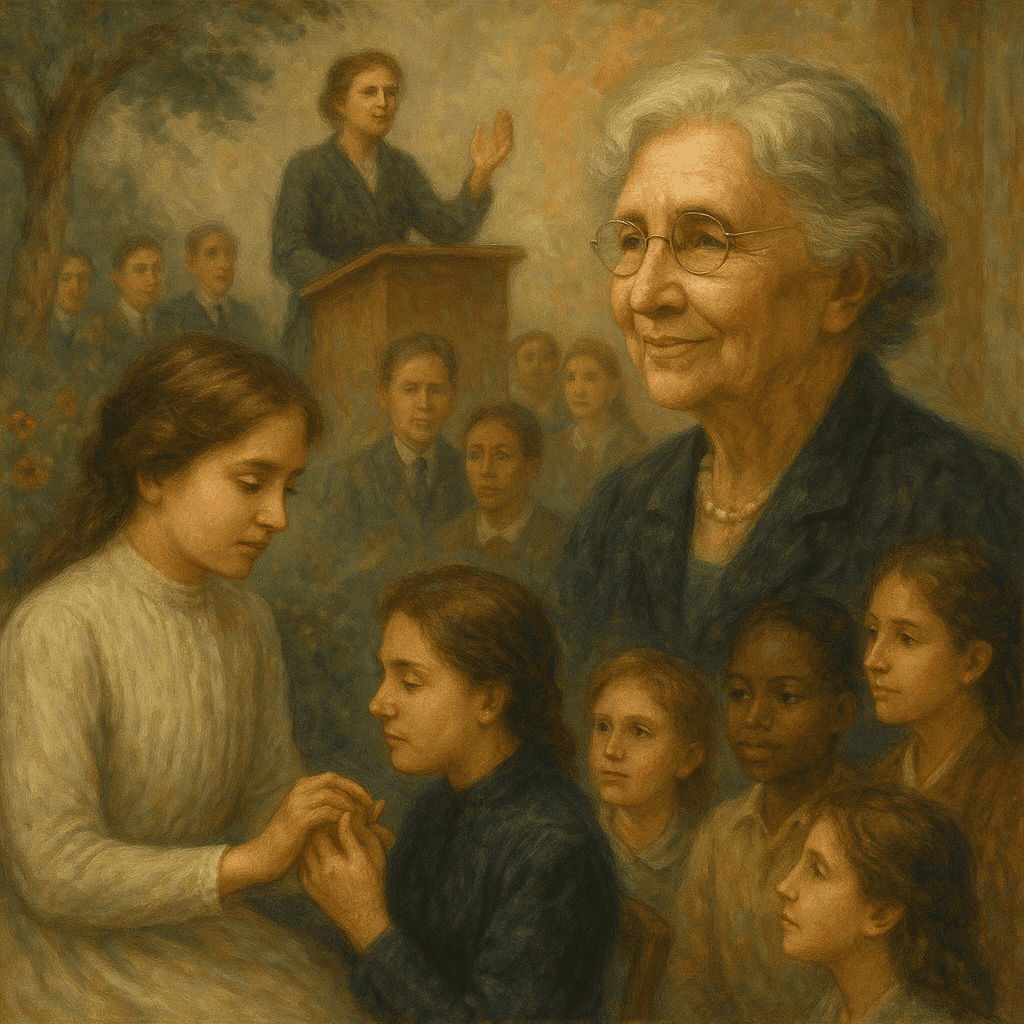
Helen Keller’s graduation marked just the beginning of a lifelong journey dedicated to activism. She co-founded the American Civil Liberties Union, campaigned for workers’ rights, and became an international ambassador for people with disabilities. Her voice, once presumed lost, became a powerful force for inclusion and justice. Keller’s story has inspired biographies, films, and educational programs across the globe.
Today, her influence can be seen in laws such as the Americans with Disabilities Act and in widespread inclusion efforts in schools and workplaces. She helped ignite a broader awareness that disability rights are civil rights. Her example continues to motivate people to push through limitations—real or perceived—and seek the full measure of their potential.