On May 10, 1940, as Nazi forces swept through Western Europe, Winston Churchill assumed the role of Prime Minister of the United Kingdom. His appointment came at a moment of grave uncertainty, following the resignation of Neville Chamberlain amid growing criticism of appeasement and military unpreparedness. Churchill’s rise to leadership marked a turning point not just for Britain, but for the course of World War II.
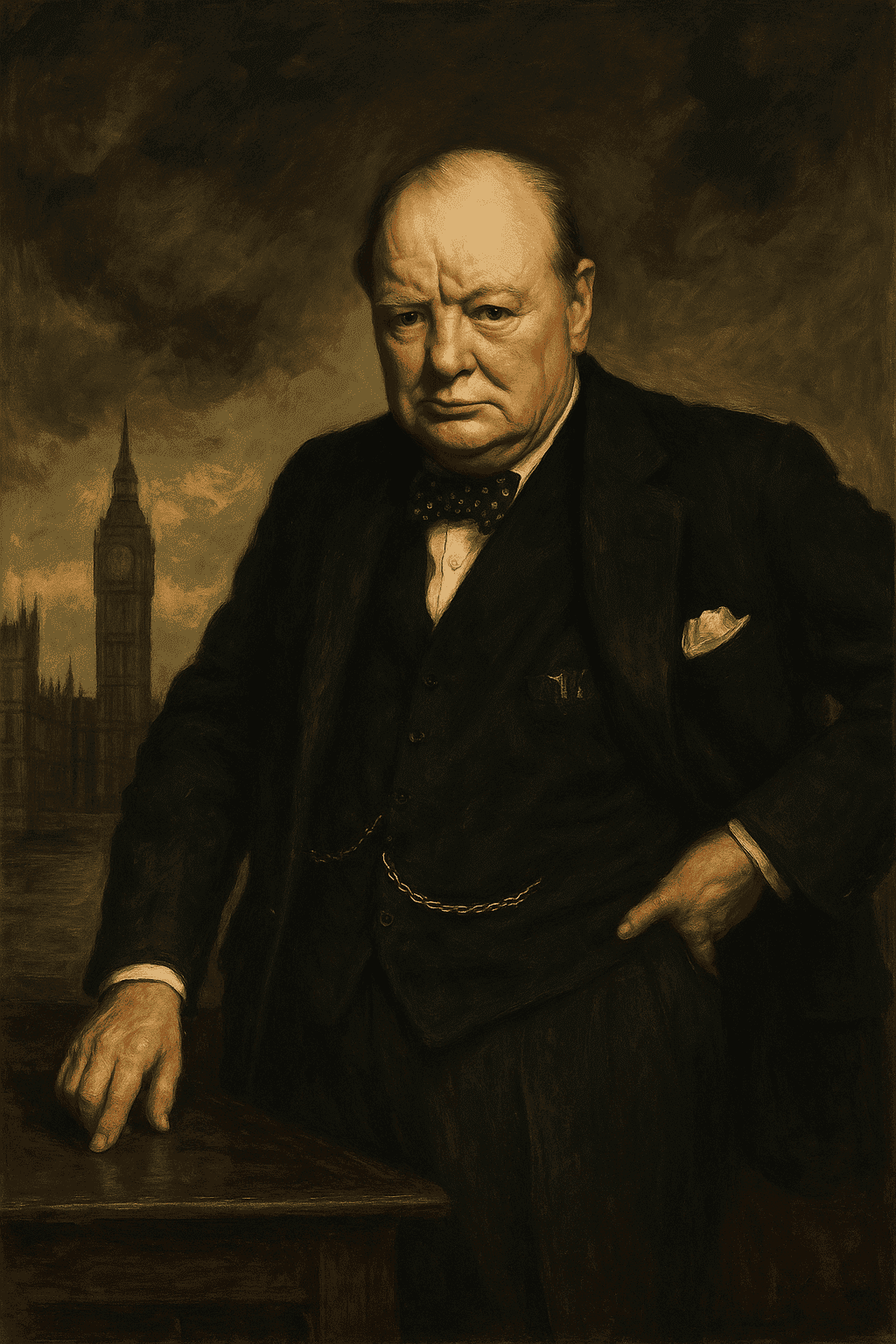
A Nation in Peril
Churchill became Prime Minister on the very day Germany launched its invasion of France, Belgium, Luxembourg, and the Netherlands. Britain, already at war with Germany since September 1939, now faced the full force of Hitler’s military might on the Western Front. At home, morale was low, and the threat of invasion loomed large.
Churchill, long a vocal critic of Nazi aggression and of Chamberlain’s policy of appeasement, was seen by many as the only political figure with the resolve and clarity to lead Britain through what he famously called its “darkest hour.” He was appointed by King George VI and quickly formed a coalition government, uniting parties across the political spectrum to confront the growing threat.
Leadership Through Language and Resolve
One of Churchill’s greatest strengths was his ability to inspire through words. In the weeks and months following his appointment, he delivered a series of speeches that galvanized the British people, combining brutal honesty with unwavering hope. His iconic phrases—“We shall fight on the beaches,” “Their finest hour,” and “Never in the field of human conflict was so much owed by so many to so few”—became rallying cries of resilience and defiance.
Beyond rhetoric, Churchill worked tirelessly to prepare Britain’s defenses, build international alliances, and support military strategy, even as the Luftwaffe began bombing London and other cities in the Blitz.
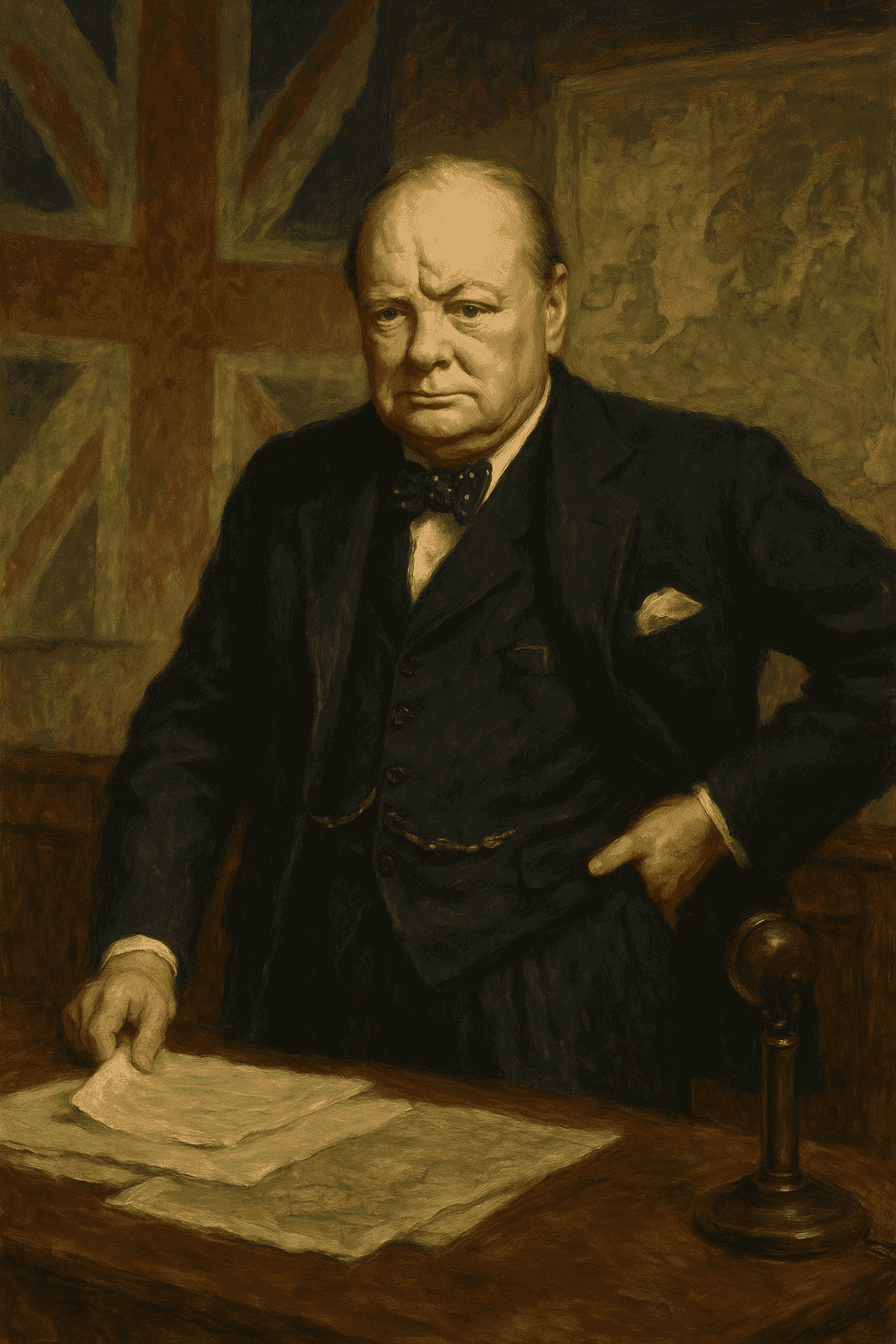
Forging the Path to Victory
Churchill’s leadership extended beyond the United Kingdom. He played a pivotal role in strengthening the Allied coalition, particularly through his partnership with U.S. President Franklin D. Roosevelt. His ability to balance diplomacy with military urgency helped ensure continued support from abroad, culminating in America’s entry into the war in December 1941.
While victory would not come until 1945, Churchill’s tenure from 1940 onward was marked by an unyielding commitment to defeating the Axis powers. He remained in office until shortly after the war’s end, though he would return for a second term as Prime Minister in 1951.
A Legacy Etched in History
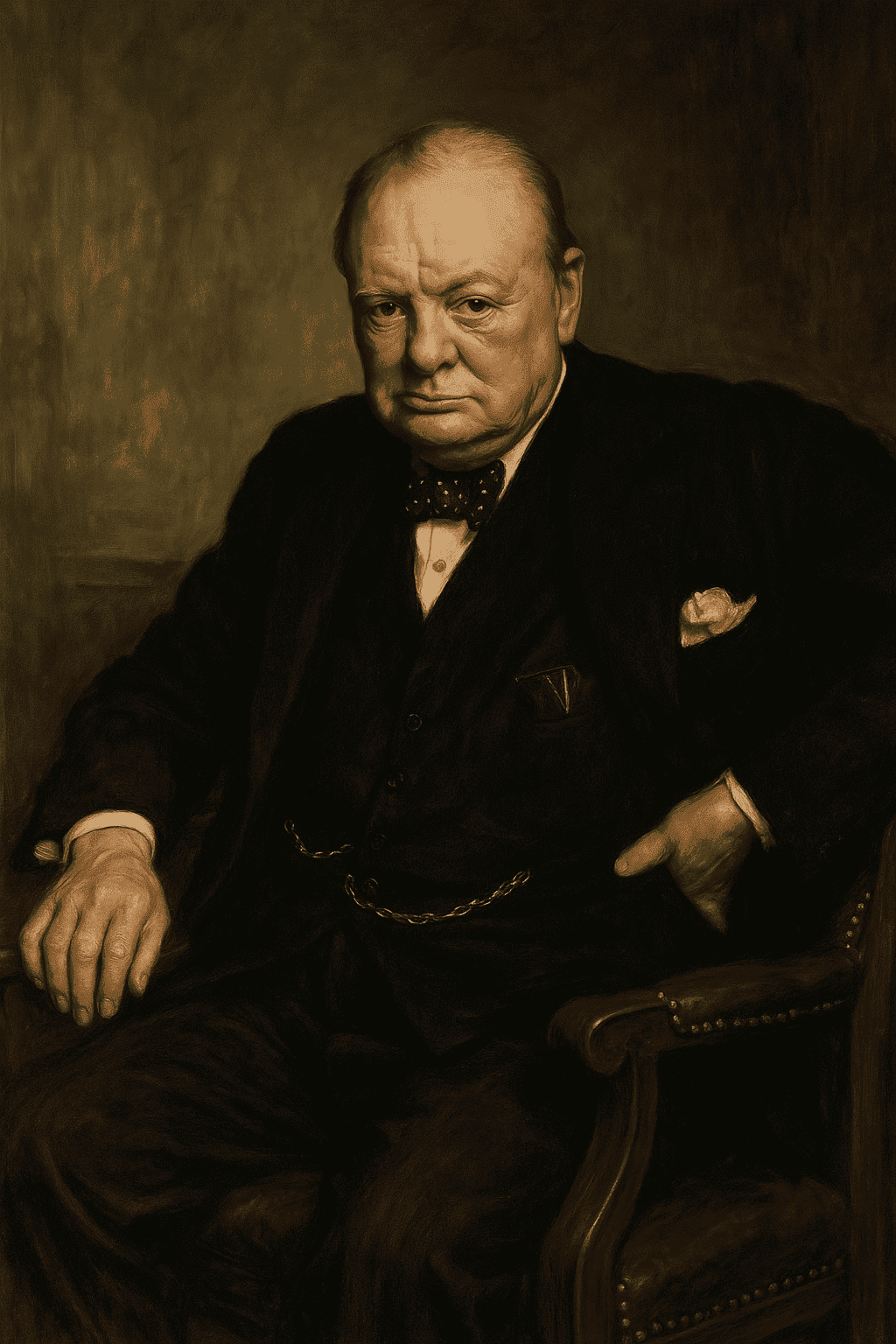
Winston Churchill’s ascent to the premiership on May 10, 1940, is remembered as one of the most critical moments in British—and world—history. His courage, eloquence, and strategic mind provided a steady hand when the free world teetered on the brink of collapse.
Today, Churchill is remembered not only for his wartime leadership but also for his enduring example of what it means to stand firm in the face of overwhelming adversity. His legacy continues to serve as a benchmark for leadership under pressure and the power of conviction in the pursuit of justice and peace.