On June 28, 2007, the bald eagle soared back into the skies of American triumph, officially removed from the list of threatened and endangered species. Once on the verge of extinction due to habitat loss, hunting, and widespread use of pesticides like DDT, the bald eagle’s recovery stands as one of the most inspiring success stories in U.S. conservation history. Its return not only restored a powerful national symbol but also highlighted the effectiveness of environmental protections and collective action.
From Endangered to Empowered
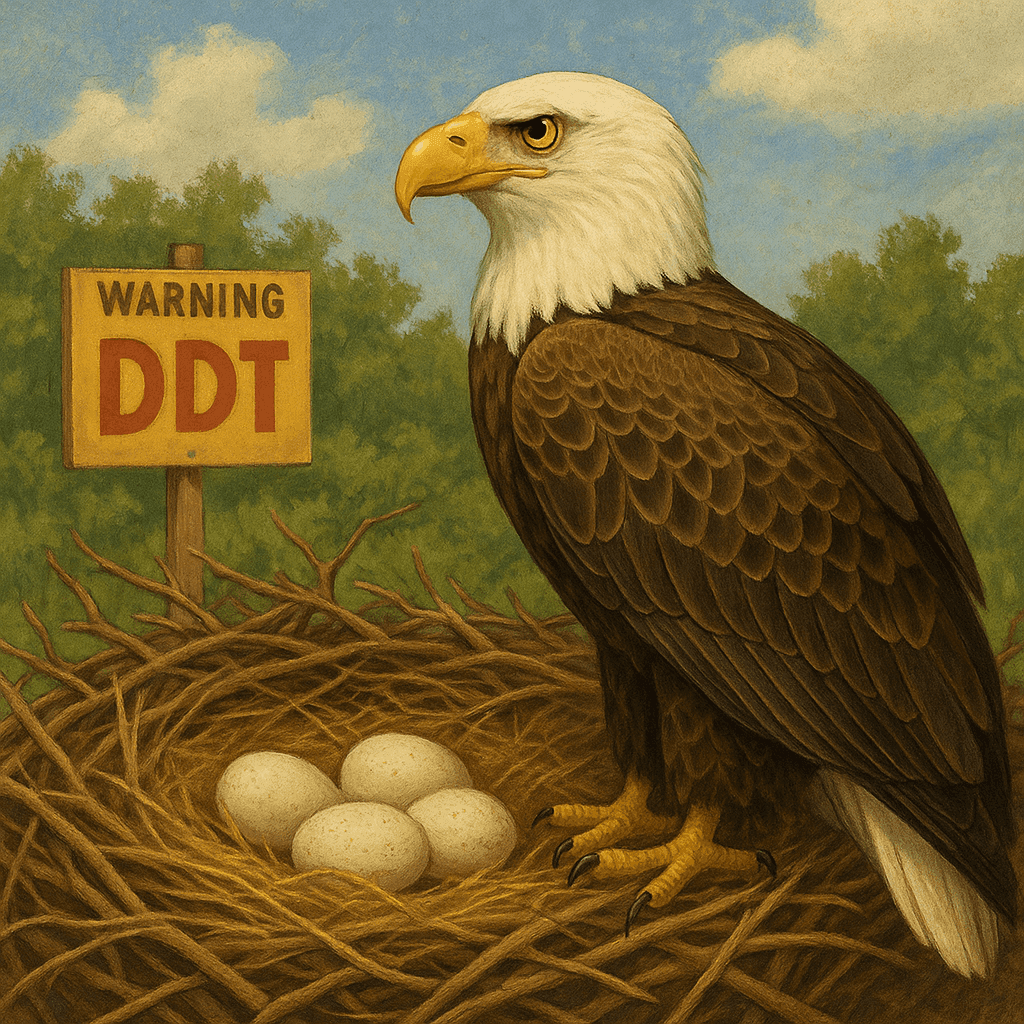
By the mid-20th century, the bald eagle population had plummeted, with fewer than 500 nesting pairs remaining in the lower 48 states. The widespread use of DDT, which thinned eagle eggshells and reduced reproductive success, pushed the species toward the brink. The 1972 ban on DDT, combined with the protections of the Endangered Species Act and focused conservation strategies, became critical turning points. Government agencies, scientists, and concerned citizens united in a decades-long mission to rehabilitate the species and its habitats.
Through captive breeding programs, habitat restoration, and strict legal protections, the bald eagle began to stage a slow but steady comeback. Monitoring programs tracked the population’s growth, and by the late 1990s, the signs of recovery were undeniable. Public education campaigns further helped reduce human disturbances and increased support for eagle protection. What once seemed an inevitable loss gradually transformed into a hopeful resurgence.
A Symbol Restored

The bald eagle holds a special place in the American psyche. As the national emblem since 1782, its image has graced currency, government seals, and patriotic iconography. Seeing it on the brink of extinction deeply unsettled the nation. Its removal from the threatened species list represented more than a statistical achievement—it symbolized a restored identity and a renewed commitment to preserving what defines the country’s spirit.
This conservation victory also became a source of pride for a country often divided over environmental issues. The bipartisan support for the eagle’s recovery showcased how shared values can unite people behind a common cause. Celebrations erupted across the country in 2007, not just for the bird’s resurgence, but for what it meant: that environmental degradation could be reversed through coordinated action.
Lasting Lessons in Stewardship
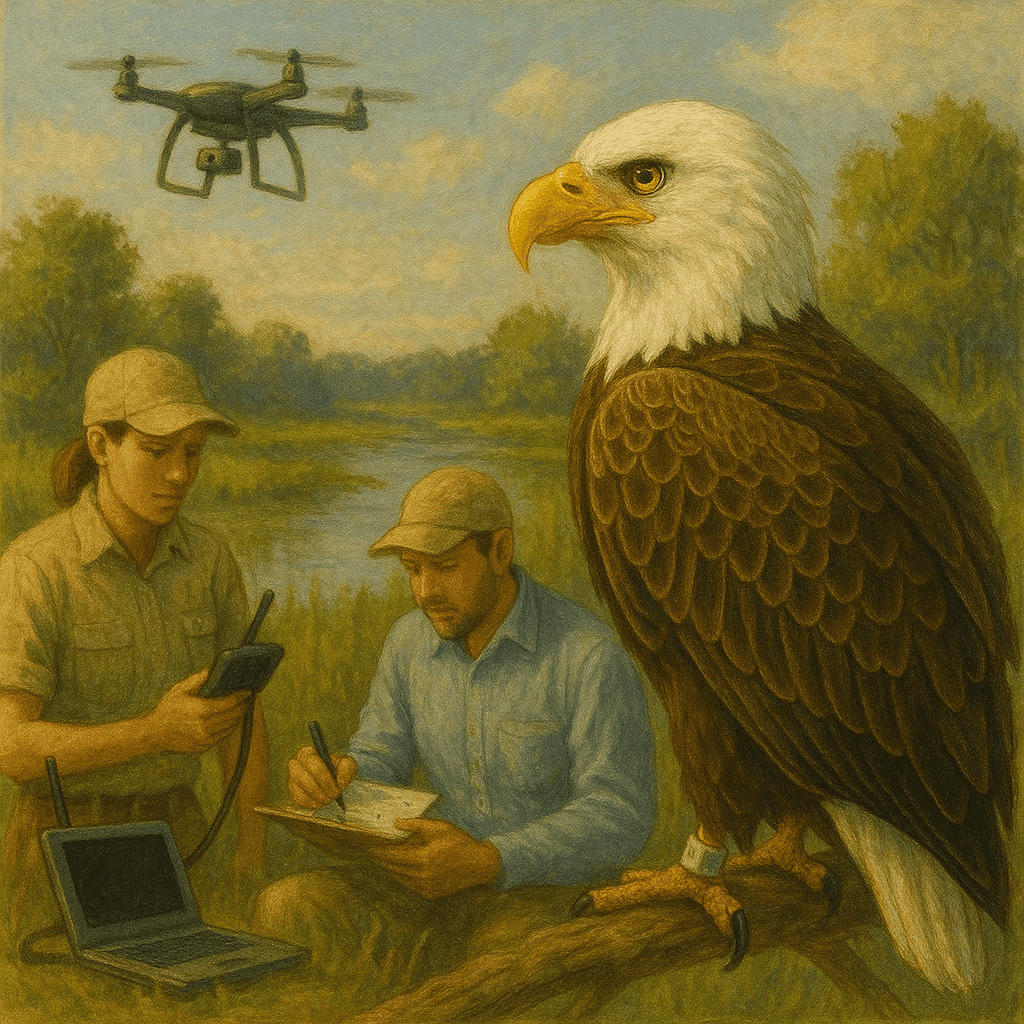
The bald eagle’s comeback offers essential insights into modern conservation. It showed that legal frameworks like the Endangered Species Act, when backed by science and public will, can be effective tools for reversing ecological damage. It also underscored the dangers of chemicals like DDT, spurring broader awareness about toxins in our environment and influencing global environmental policy.
Today, bald eagle populations continue to thrive, with thousands of nesting pairs across the United States. While vigilance remains necessary to protect their habitats from new threats, their presence in the wild serves as an ongoing reminder of what is possible when nature is given a chance to heal. The eagle’s story remains an emblem of environmental resilience and a powerful call to protect the planet for future generations.