On May 31, 1977, the BBC banned the Sex Pistols’ incendiary anthem “God Save the Queen,” cementing the song’s place as both a cultural flashpoint and a rebellious anthem. Criticizing the British monarchy and the establishment with raw punk energy, the song ignited national controversy and revealed deep tensions between Britain’s disillusioned youth and its traditional institutions.
Punk as Protest
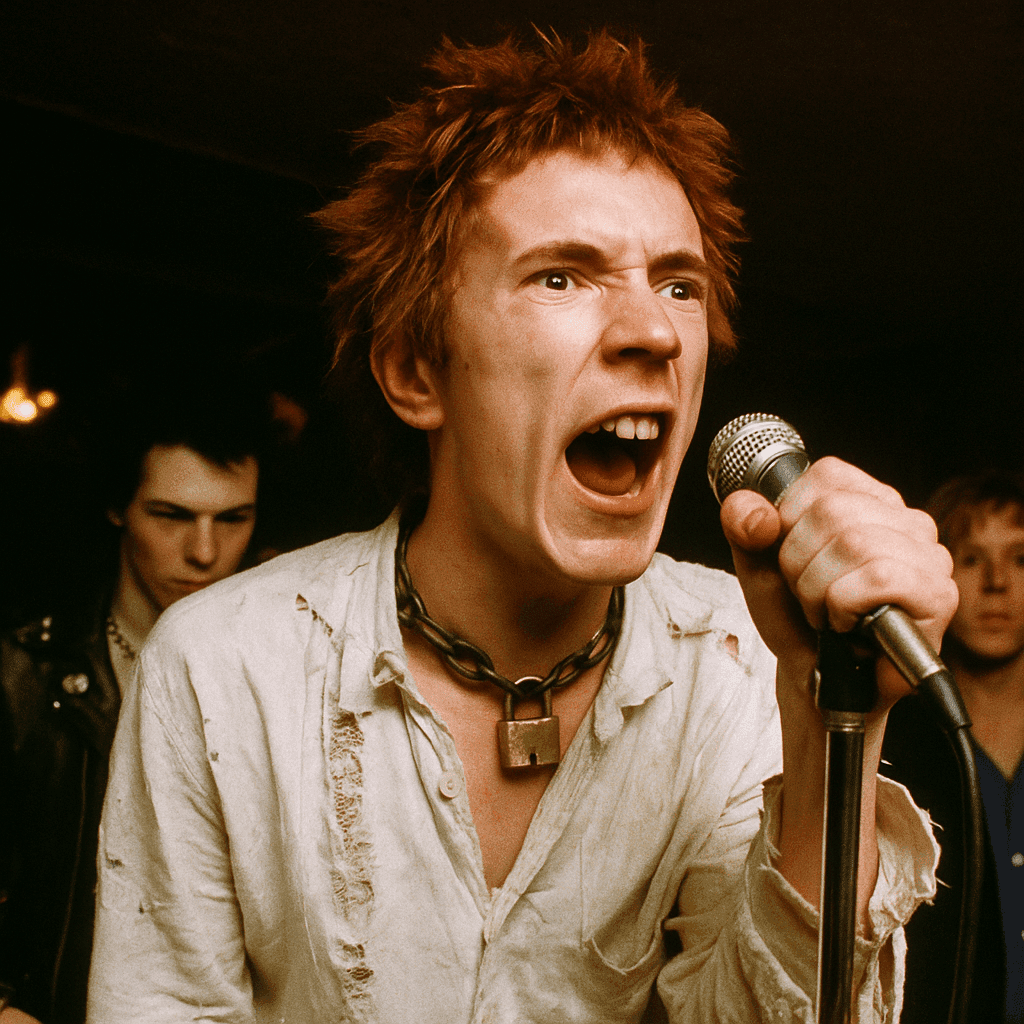
The Sex Pistols emerged in the mid-1970s as the loudest voice of Britain’s punk scene, a movement fueled by anger, economic stagnation, and youth alienation. “God Save the Queen,” released during Queen Elizabeth II’s Silver Jubilee, was more than a catchy single—it was a calculated provocation. With lyrics branding the monarchy a “fascist regime,” the song didn’t just push boundaries; it demolished them. The punk movement, personified by the Pistols’ sneering attitude and chaotic performances, used music as a weapon against conformity and complacency.
When the song hit the airwaves, it struck a nerve. Its timing was deliberate, aligning with nationwide celebrations meant to honor a stable and enduring monarchy. The Sex Pistols instead painted the institution as an emblem of oppression, outdated tradition, and class inequality. For the youth living in bleak urban neighborhoods and facing grim economic prospects, the song resonated like a scream of collective frustration. It was punk rock at its most confrontational—and effective.
The Censorship Backlash
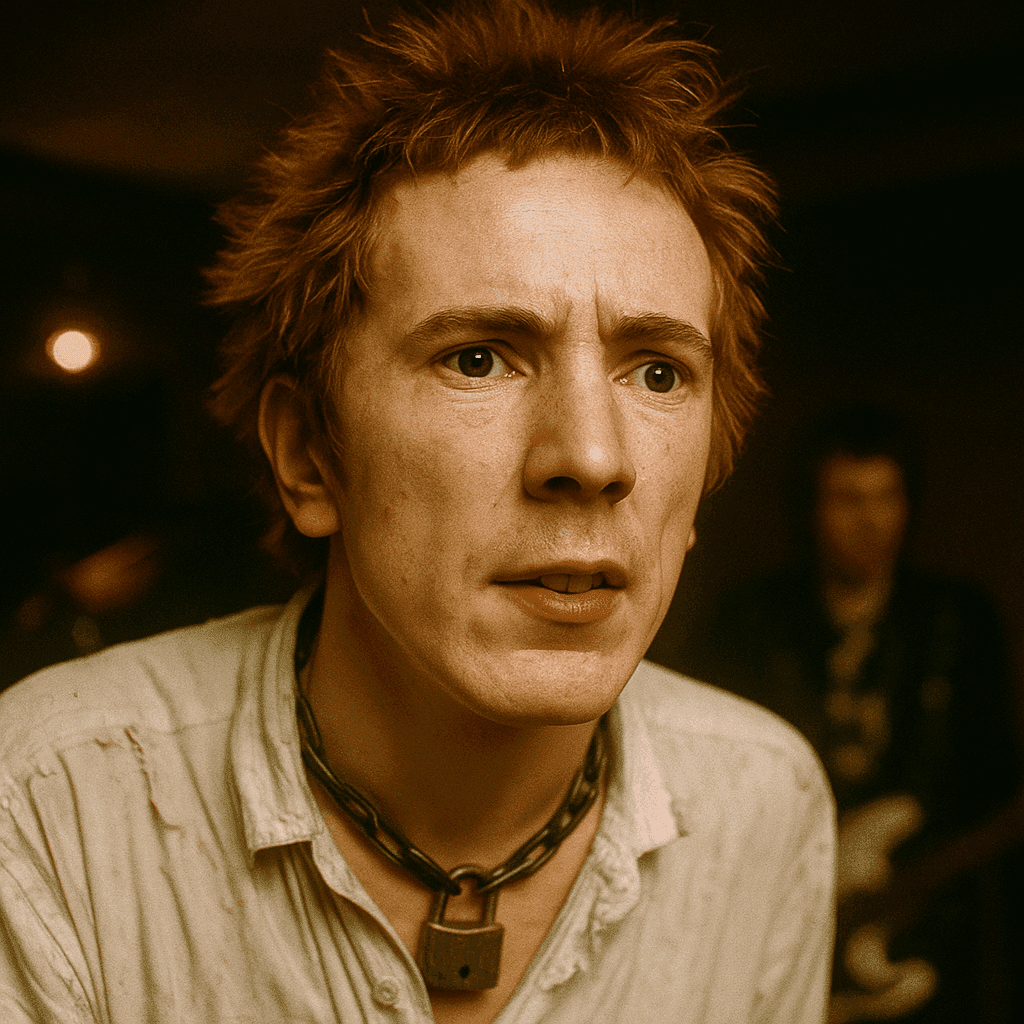
The BBC’s decision to ban the song was not surprising, given the media storm it generated and the public’s polarized reactions. Authorities viewed the song as an insult to the crown and a threat to national unity during a significant royal celebration. But the attempt to silence the Sex Pistols only amplified their message. Record stores were pressured not to display the single, and TV appearances were canceled. Even the band's record label, Virgin Records, faced intense scrutiny.
Ironically, the censorship helped propel the single to commercial success. Despite the ban—and possibly fueled by it—“God Save the Queen” soared to number two on the UK Singles Chart. Many believed it was intentionally kept from reaching number one to avoid embarrassment for the monarchy. The controversy sparked public debates about artistic freedom, censorship, and the power of music to disrupt cultural norms. The song became a symbol of the struggle between establishment control and youth autonomy.
A Legacy That Endures
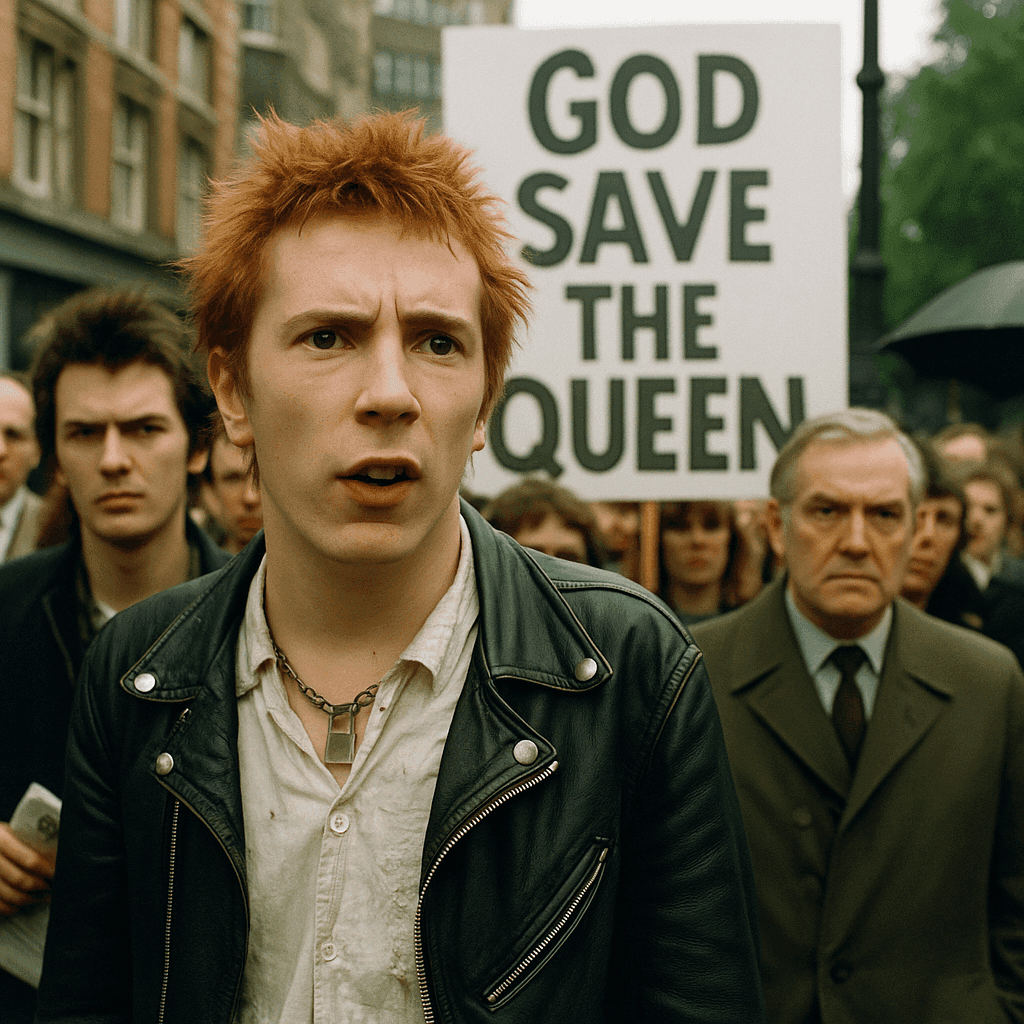
Decades later, “God Save the Queen” remains a landmark in both punk history and political music. It challenged not only the monarchy but the role of popular culture in upholding or questioning societal structures. Its impact is evident in the wave of politically charged music that followed and the continued relevance of its rebellious tone. For many, it marked the moment when punk transitioned from a niche subculture to a broader social movement.
The BBC ban, intended to suppress, instead immortalized the track. It illustrated how censorship can backfire—turning a song into a symbol. Today, the Sex Pistols are remembered not just for their aggressive sound, but for their ability to hold a mirror to the nation’s contradictions. The controversy surrounding “God Save the Queen” endures as a reminder of the friction between tradition and change, and of music’s enduring power to question authority.