On June 4, 1942, the United States and Japan clashed in what would become one of the most significant naval battles in history: the Battle of Midway. This fierce four-day confrontation, fought just six months after the attack on Pearl Harbor, changed the trajectory of the Pacific Theater during World War II. American codebreakers, strategic decision-making, and courageous combat turned what could have been a catastrophic loss into a monumental victory for the Allies.
A Calculated Gamble
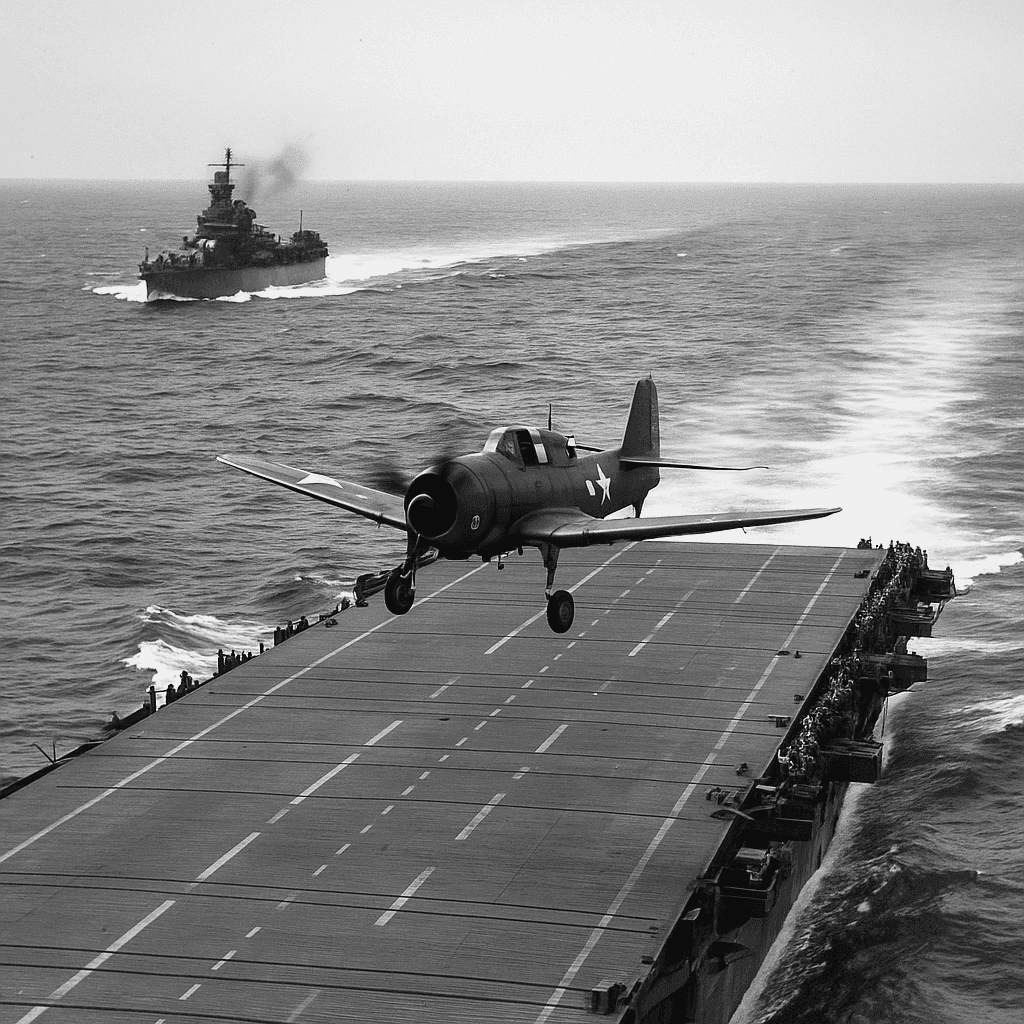
The Japanese aimed to eliminate the United States as a strategic power in the Pacific by luring its aircraft carriers into a trap near Midway Atoll. Confident from earlier victories, the Imperial Japanese Navy hoped to deliver a final, crushing blow. However, American cryptanalysts had broken Japanese naval codes and were aware of the planned attack. This allowed Admiral Chester Nimitz to prepare a counter-strategy, positioning the U.S. fleet advantageously in anticipation of the assault.
On the morning of June 4, waves of Japanese planes bombed Midway Island, expecting minimal resistance. Unbeknownst to them, American carriers—Enterprise, Hornet, and Yorktown—were lying in wait. A mix of torpedo bombers and dive bombers launched from these ships, risking heavy losses to land decisive blows. Though early attacks suffered severe casualties, later strikes found their mark.
Crushing Losses for Japan
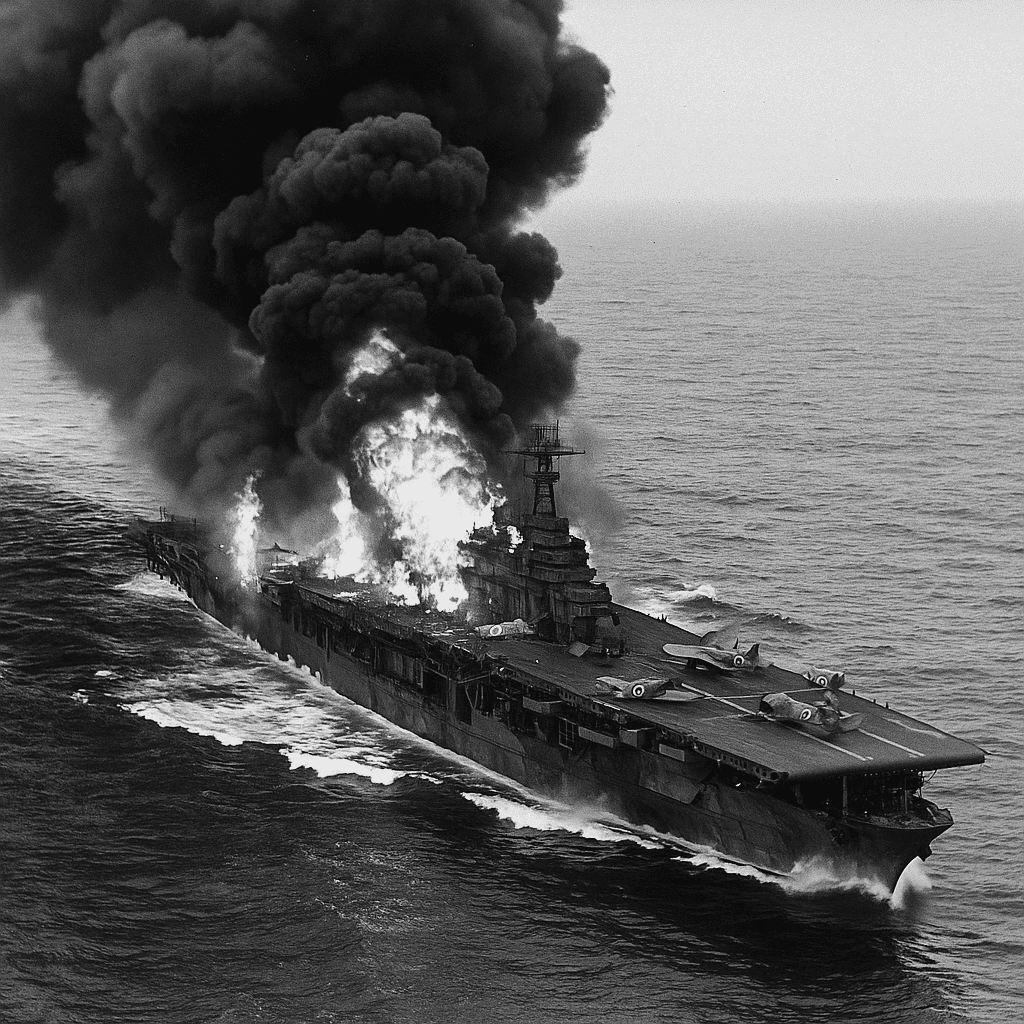
In a matter of hours, the balance of power began to shift. American dive bombers managed to strike three Japanese carriers—Akagi, Kaga, and Sōryū—setting them ablaze and rendering them inoperable. A fourth, the Hiryū, launched a retaliatory strike that damaged the USS Yorktown, but it too was later located and destroyed. These devastating losses represented more than just military hardware; they meant the loss of many experienced pilots and crew Japan could not easily replace.
The United States, by contrast, lost one carrier—the Yorktown—and one destroyer, but their ability to replace lost vessels and train new aviators outpaced Japan's. The results of Midway were felt almost immediately: Japan was forced into a defensive stance for the remainder of the war, its aura of naval invincibility shattered. The strategic initiative in the Pacific now firmly belonged to the Allies.
Lasting Legacy of Midway
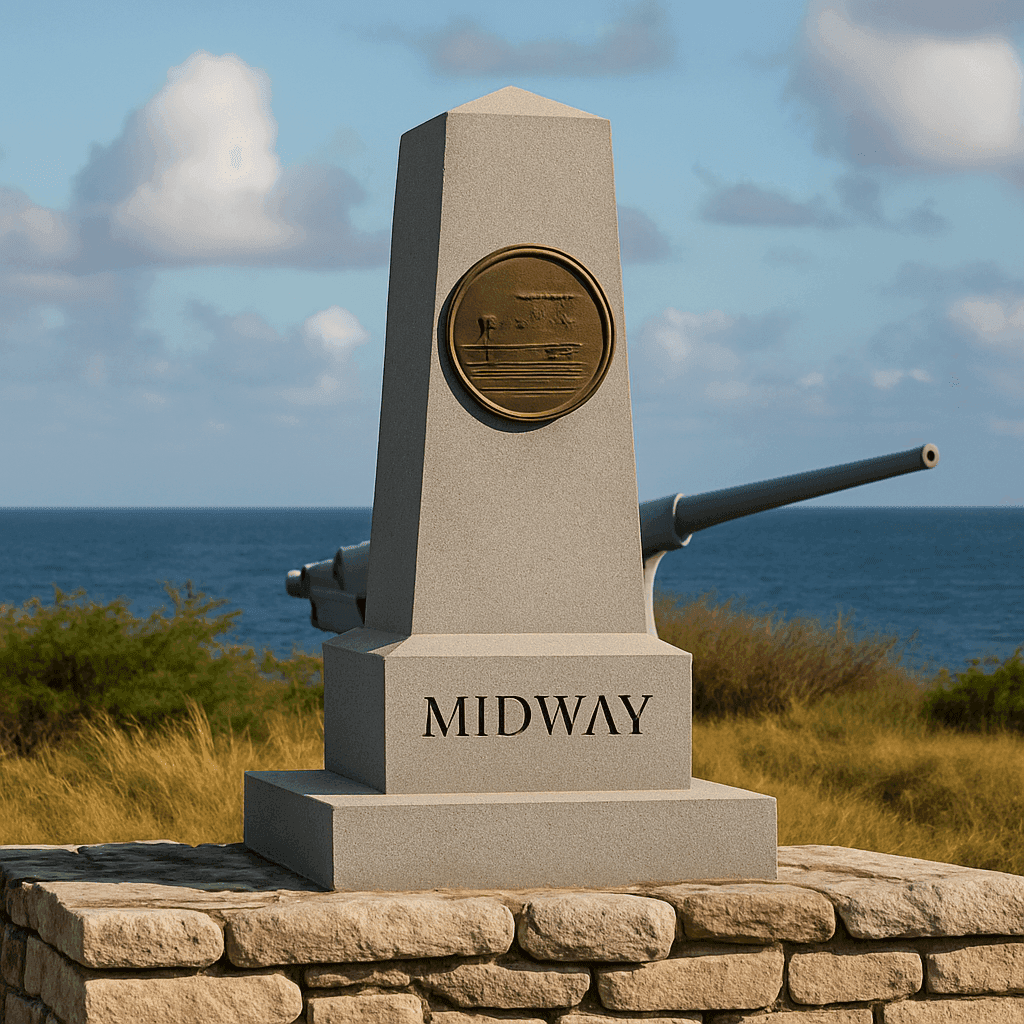
The Battle of Midway is remembered as a turning point in World War II, not just for its immediate tactical results but for its broader implications. It demonstrated the importance of intelligence, air power, and decisive leadership in modern warfare. Admiral Nimitz's decisions and the bravery of U.S. pilots shifted the momentum of the war in the Pacific, bolstering American morale after months of uncertainty.
Today, Midway remains a symbol of resilience and tactical brilliance. The battle has been studied extensively in military academies and continues to be commemorated in books, films, and public memory. The tiny atoll where history turned the tide is now a National Wildlife Refuge, preserving the legacy of a battle that helped shape the modern world.