On June 27, 1950, President Harry S. Truman made a defining decision that would alter the trajectory of U.S. foreign policy for generations. In response to North Korea’s invasion of South Korea just two days earlier, Truman ordered American air and naval forces to assist the South under the flag of the United Nations. Framed as a stand against communist aggression, this action launched the United States into the Korean War and marked a critical turning point in the early Cold War era.
The Cold War Heats Up in Asia

The invasion of South Korea by northern communist forces came at a time when global tensions were already high. The Soviet Union had recently detonated its first atomic bomb, and the People's Republic of China had just been established. Truman’s decision to intervene was based on the doctrine of containment, the U.S. strategy to stop the spread of communism worldwide. He framed the Korean conflict not as a civil war, but as a test of American resolve to defend democratic nations from authoritarian expansion.
The move was controversial, especially since it was made without a formal declaration of war by Congress. However, Truman justified his action by citing the United Nations Security Council resolution that condemned North Korea’s aggression and called for member nations to assist in repelling the invasion. For the first time in history, the U.S. committed combat troops to a military engagement solely under a multinational organization’s authority.
Mobilizing for War
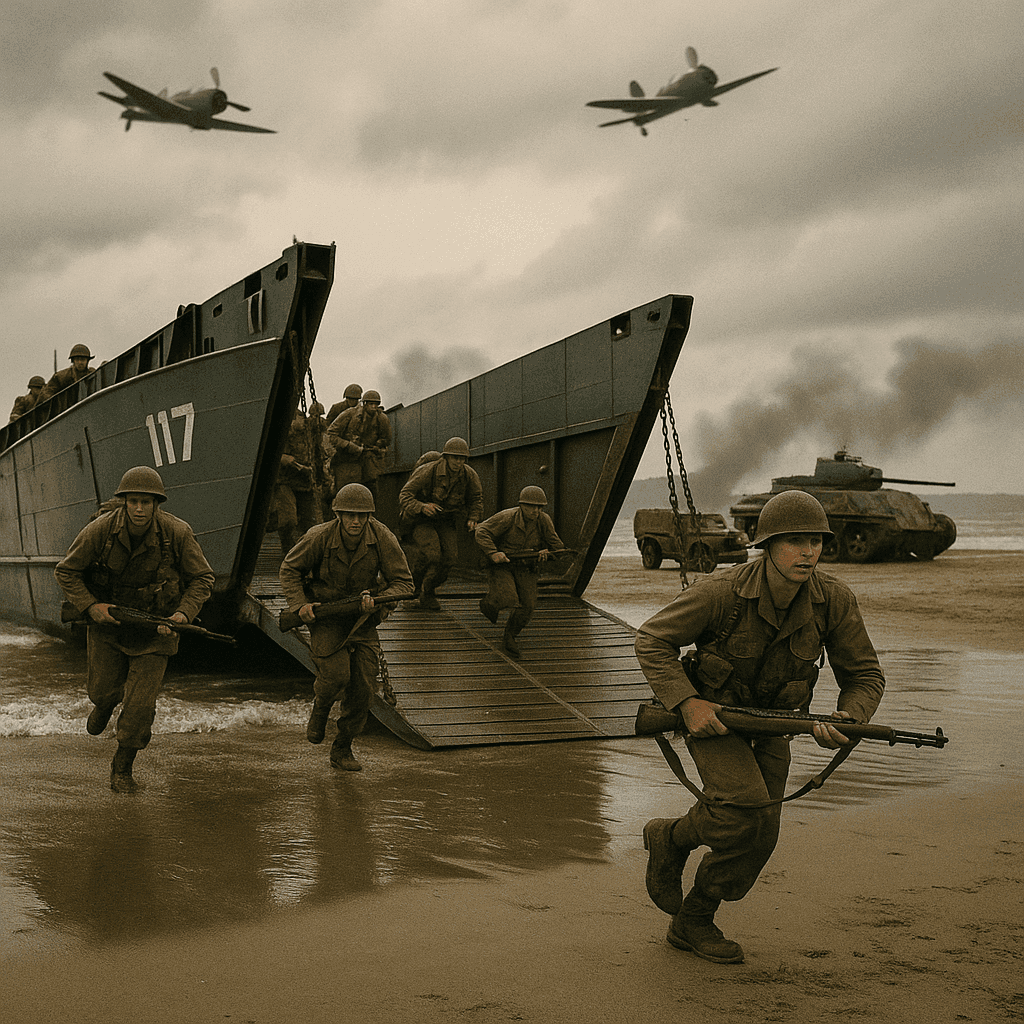
Truman’s order set in motion a massive U.S. military mobilization. By July 1950, American troops, many stationed in Japan, began landing in South Korea to reinforce the battered South Korean army. The initial stages of the conflict were grim, with U.S. forces suffering heavy losses as they attempted to slow the North Korean advance. General Douglas MacArthur was appointed commander of U.N. forces and soon became the face of the international effort to push back the North.
The military response escalated rapidly. Aircraft carriers, bombers, and ground forces poured into the Korean Peninsula. By September, a daring amphibious landing at Inchon reversed early setbacks and drove North Korean troops back past the 38th parallel. However, this success drew Chinese forces into the war later that year, turning what was expected to be a quick campaign into a grueling and prolonged conflict.
Long-Term Legacy of Truman’s Decision
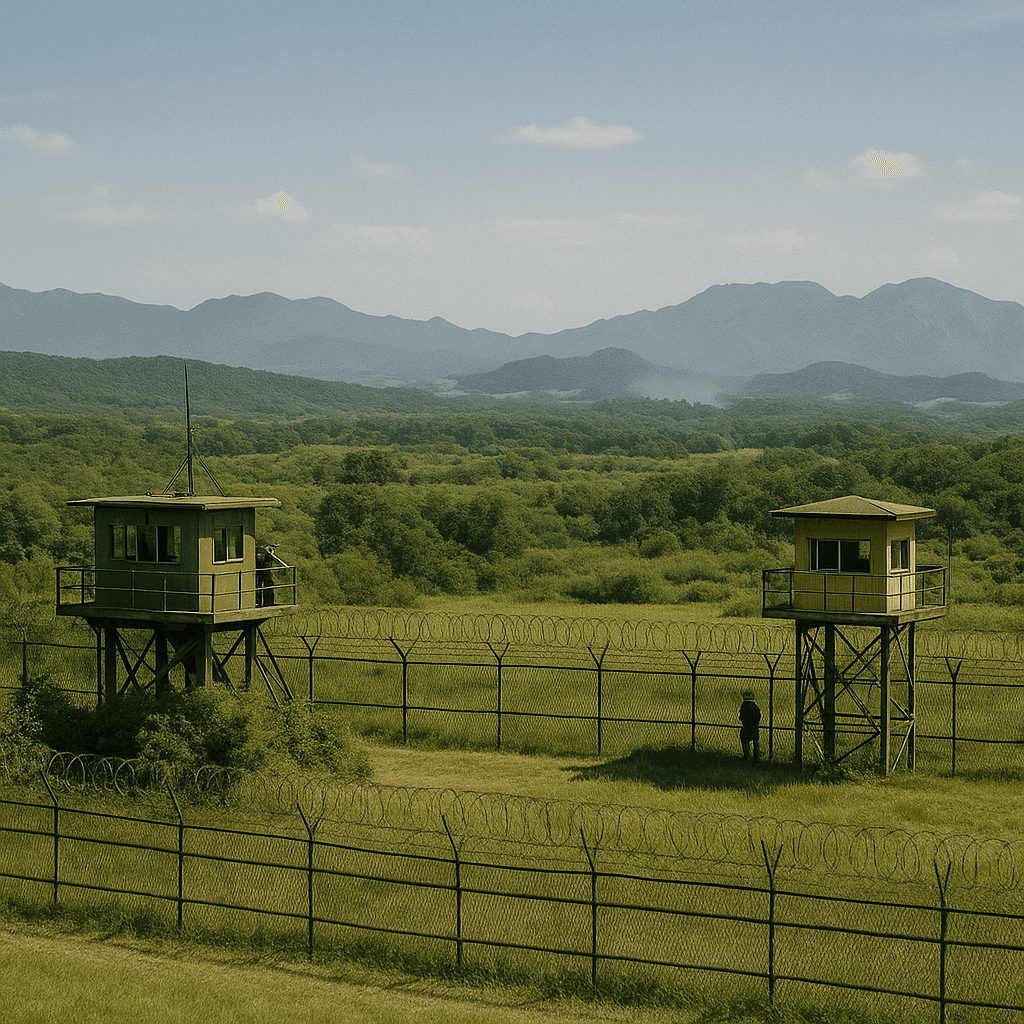
President Truman’s intervention in Korea established a precedent for American military involvement in conflicts under the banner of collective security. The Korean War was the first major armed conflict of the Cold War and signaled that the U.S. was willing to use force to support its global interests. It laid the groundwork for future interventions in Vietnam, the Middle East, and beyond.
The war also entrenched the division of the Korean Peninsula, leading to the heavily militarized border that exists to this day. Over 36,000 American soldiers died in the conflict, and the armistice signed in 1953 left Korea in a state of suspended war, a condition that remains unresolved. Truman’s swift and resolute response in June 1950 is now viewed as a cornerstone of post-WWII American foreign policy—an era when global leadership was no longer optional but expected.