On May 8, 1884, Harry S. Truman entered the world in the small town of Lamar, Missouri. Raised in a modest farming family, Truman would go on to lead the United States through some of its most pivotal and challenging moments. As the 33rd President of the United States, his legacy is marked by bold decisions, unwavering resolve, and a commitment to leadership during a time of global upheaval. From World War II to the dawn of the Cold War, Truman's presidency reshaped the world—and the office of the presidency itself.
From Missouri Roots to National Prominence
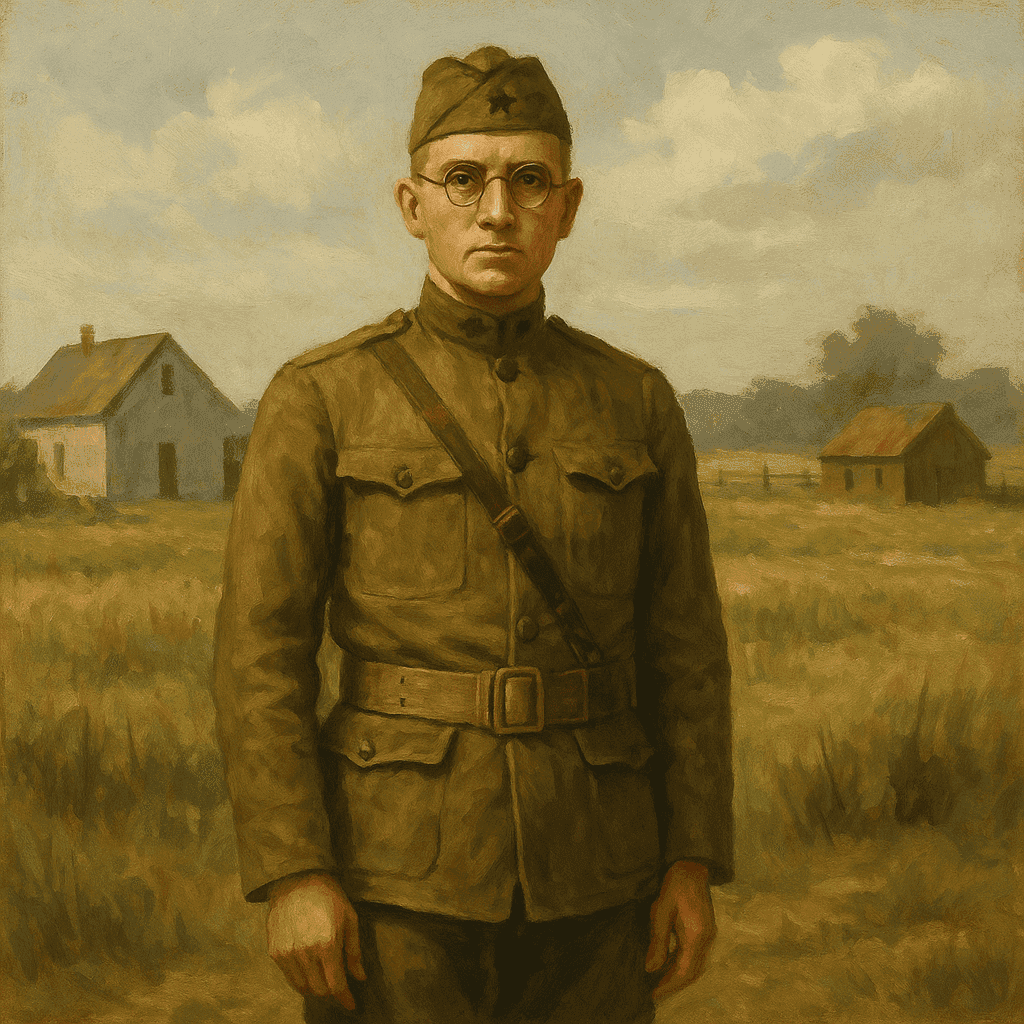
Truman's early life was defined by discipline, duty, and hard work. He worked various jobs, including as a farmer and a bank clerk, before serving with distinction in World War I as a captain in the Field Artillery. Upon returning home, Truman entered politics, aligning himself with the powerful Kansas City Democratic political machine. Though not an obvious star, he steadily built a reputation for honesty and competence.
President Truman, elected to the U.S. Senate in 1934, gained national attention for leading a committee investigating waste and corruption in wartime production, saving taxpayers billions. His efforts caught the eye of party leaders, and in 1944 he was chosen as Franklin D. Roosevelt’s running mate. When Roosevelt died just months into his fourth term, Truman suddenly found himself at the helm of a world at war.
A President at the Crossroads of History
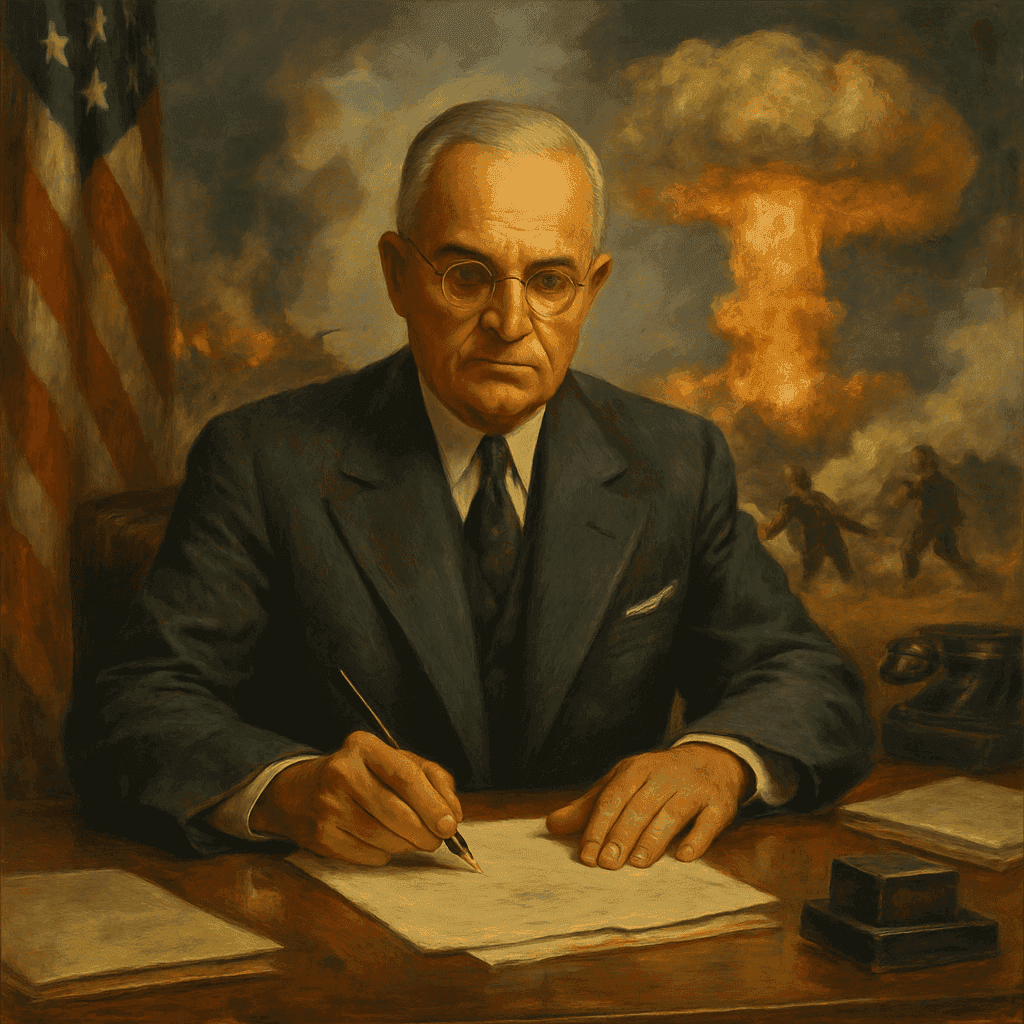
Thrust into the presidency in April 1945, Truman inherited the final stages of World War II. Within months, he made the momentous and controversial decision to authorize the use of atomic bombs on Hiroshima and Nagasaki—actions that brought the war in the Pacific to an end but ignited ethical debates that persist to this day. Truman’s presidency also oversaw the establishment of the United Nations and the Marshall Plan, which helped rebuild war-torn Europe and curb the spread of communism.
As the Cold War intensified, Truman took firm stands to contain Soviet influence, implementing the Truman Doctrine to support countries resisting authoritarian regimes. He also desegregated the armed forces and recognized the new state of Israel—decisions that reflected both his progressive instincts and the complex pressures of the postwar world.
A Legacy of Principle and Plain Speaking

Truman left office in 1953 with mixed public approval but has since seen his historical reputation rise considerably. His no-nonsense style, personal integrity, and willingness to make difficult decisions have earned him praise across the political spectrum. The phrase often attributed to him—"The buck stops here"—has come to symbolize decisive leadership.
Today, historians view Truman as a transformative figure who shaped the modern presidency. From managing the transition from war to peace, to laying the foundation of America’s Cold War strategy, his decisions echo through decades of domestic and foreign policy. His life story—from humble beginnings to world leadership—remains a powerful reminder of how grit, principle, and courage can chart the course of history.