On April 15, 1912, the RMS Titanic, deemed "unsinkable," tragically sank after striking an iceberg during its maiden voyage from Southampton to New York City. The disaster resulted in the loss of over 1,500 lives, making it one of the deadliest maritime tragedies in history and sparking sweeping reforms in maritime safety protocols.
The Pride of an Era
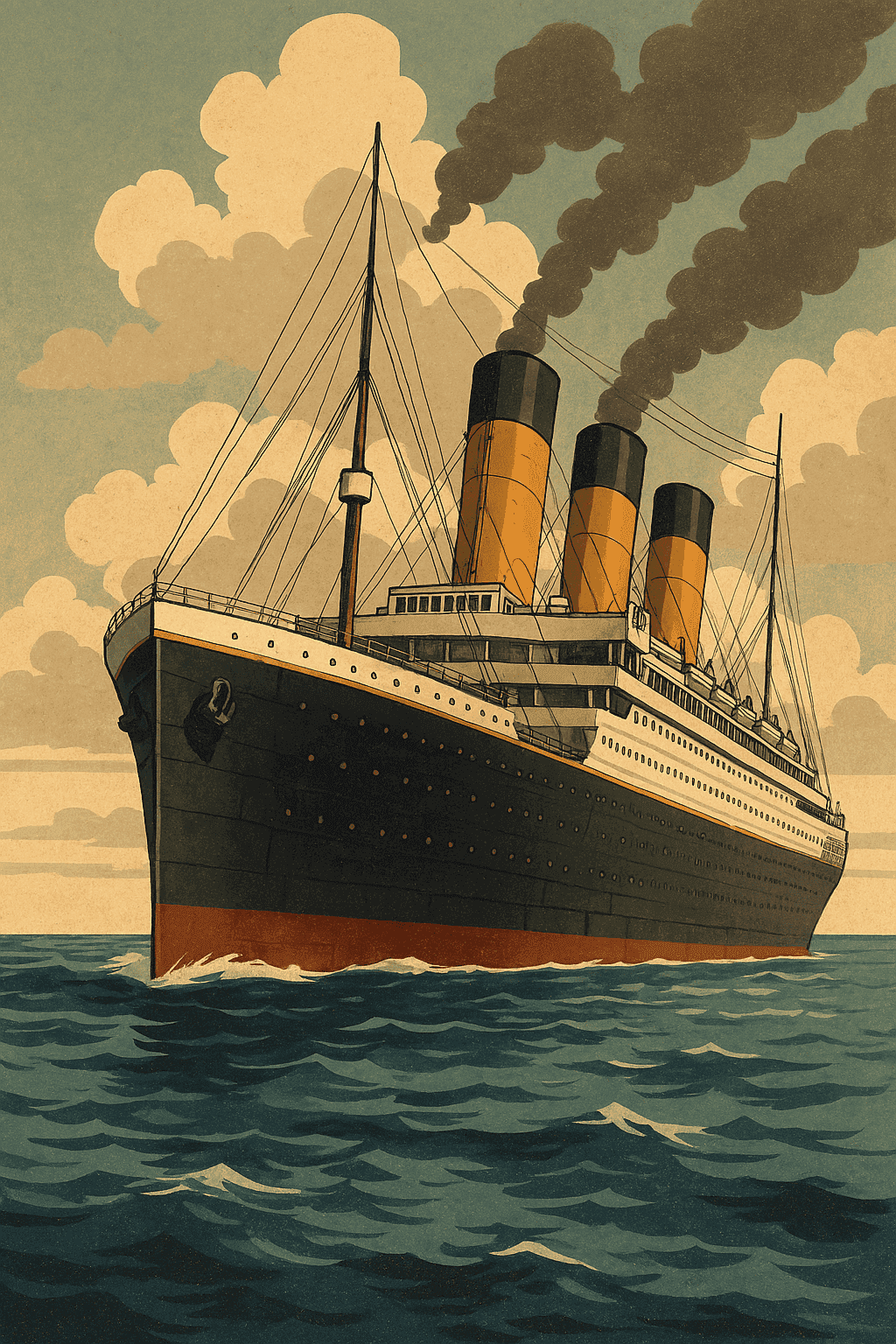
The Titanic was the largest and most luxurious passenger liner of its time, built by the White Star Line to offer unmatched comfort and speed. Measuring over 880 feet long and featuring opulent amenities like a grand staircase, swimming pool, and lavish dining rooms, the ship was a symbol of early 20th-century technological optimism. With a double-bottomed hull and watertight compartments, many believed the Titanic was unsinkable—a sentiment echoed in advertisements and by its builders. Its maiden voyage attracted some of the wealthiest people of the time, alongside hundreds of immigrants seeking new lives in America.
A Night of Horror
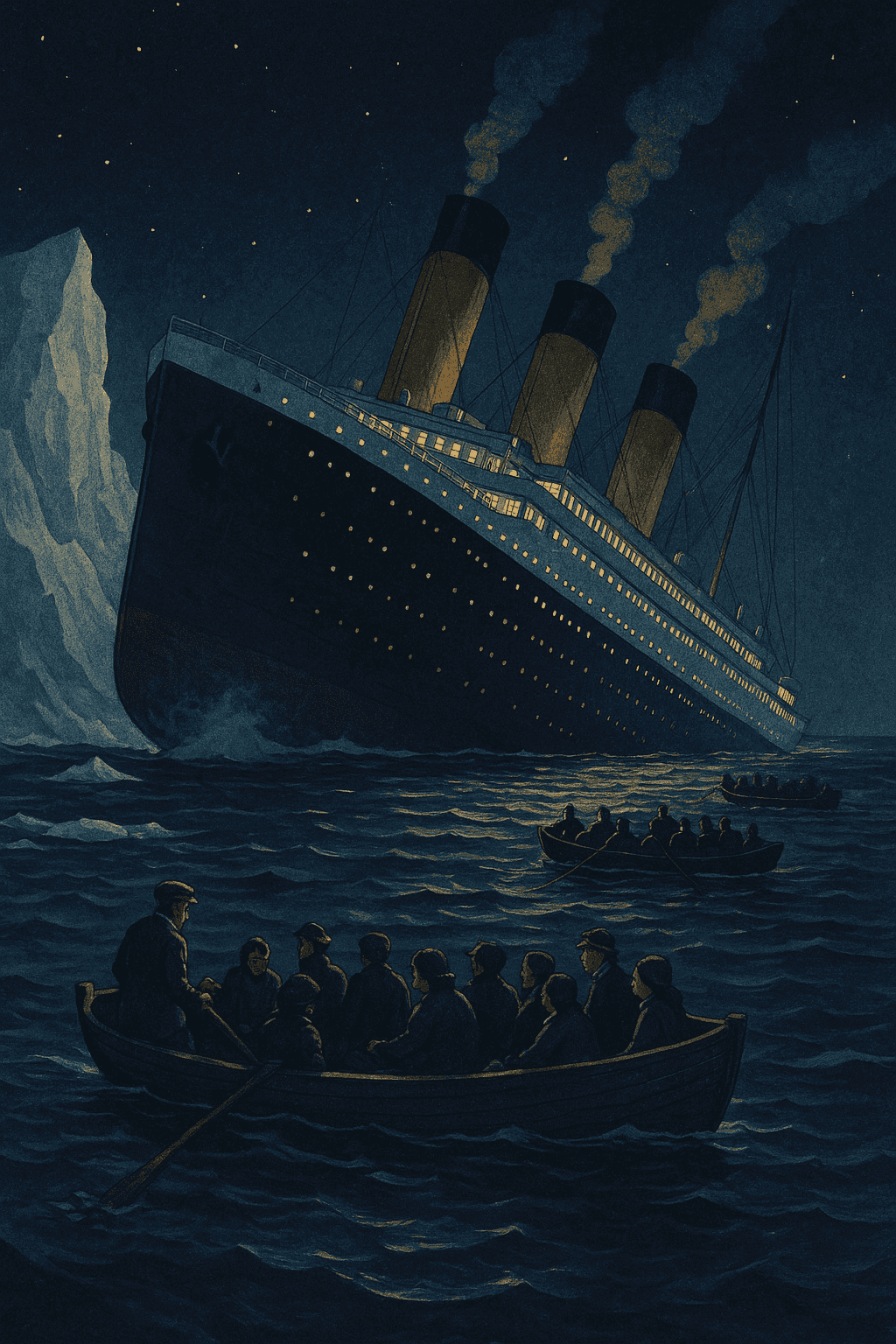
Just before midnight on April 14, 1912, the Titanic collided with an iceberg in the frigid North Atlantic. The impact tore a series of holes along the ship’s starboard side, allowing water to flood five of its watertight compartments—one too many for the vessel to remain afloat. In the chaos that followed, lifeboats were launched with fewer people than they could carry, and many passengers were stranded aboard. The ship broke apart and sank in the early hours of April 15. Of the more than 2,200 people on board, only about 700 survived, many rescued by the RMS Carpathia hours later.
Survivor accounts revealed scenes of bravery and heartbreak. Some passengers gave up their lifeboat seats for others, while many crew members stayed behind to help evacuate women and children. The ship’s band famously played music to calm those on board until the final moments. These human stories, full of tragedy and heroism, captured the world’s imagination and became an enduring part of Titanic’s legacy.
Aftermath and Lasting Legacy
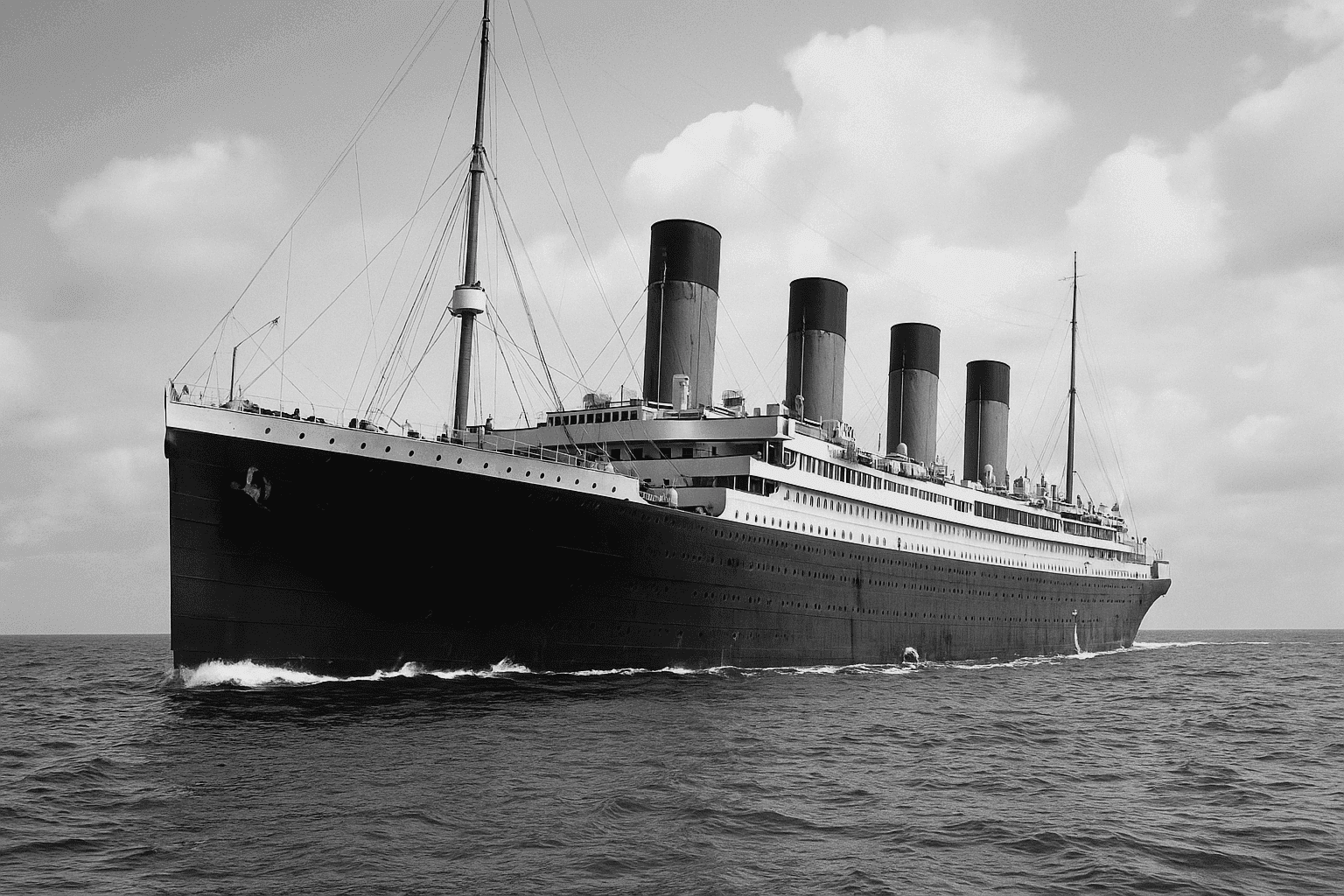
The sinking of the Titanic sent shockwaves around the world. Public outrage followed revelations of inadequate lifeboats and poor emergency preparedness. Investigations on both sides of the Atlantic led to sweeping changes in maritime law, including requirements for sufficient lifeboats for all passengers, improved emergency drills, and the creation of the International Ice Patrol to monitor iceberg dangers in the North Atlantic.
More than a century later, the Titanic continues to fascinate. The wreck, discovered in 1985 nearly 2.5 miles beneath the ocean’s surface, has provided invaluable insights into early 20th-century shipbuilding and passenger life. It has inspired countless books, films, and academic studies, becoming a symbol of human ambition, hubris, and resilience.
Memorials and museums around the world ensure the memory of those lost lives on, and the story of the Titanic endures as a powerful cautionary tale. From naval engineering to emergency planning, the lessons of the Titanic still influence modern safety standards and continue to shape how we think about technology and human error today.