Construction began on the Global Seed Vault on June 19, 2006, in the Arctic archipelago of Svalbard, Norway. Often referred to as the “Doomsday Vault,” this remote facility was designed to preserve the genetic diversity of the world’s crops—securing the foundation of global food supply against threats like war, natural disasters, climate change, and human error.
A Fortress for the Future
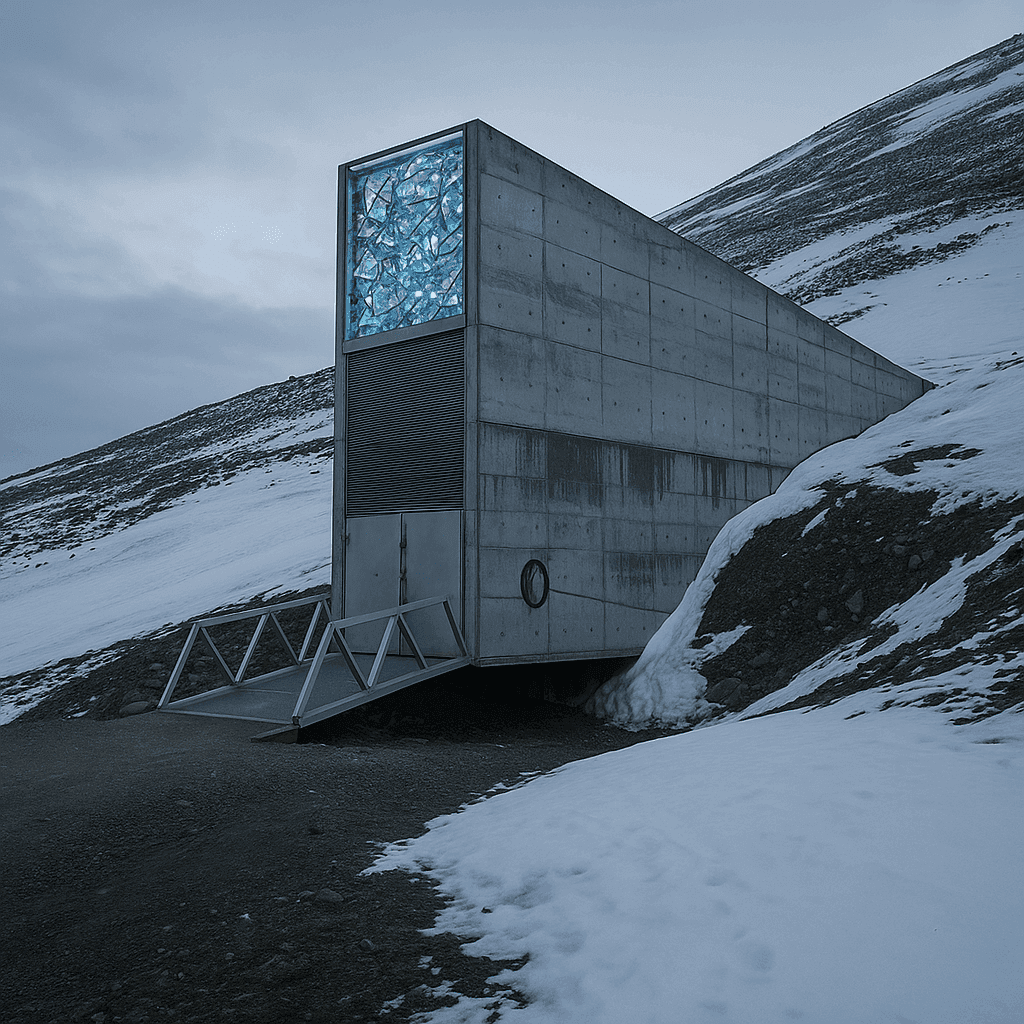
The vault was carved into the side of a mountain on the island of Spitsbergen, selected for its geologic stability and cold climate. The natural permafrost offers a self-sustaining freezer, crucial in the event of power failure. Its reinforced concrete structure, airlocks, and blast-proof doors provide multiple layers of protection against physical and environmental threats.
With a maximum capacity of 4.5 million seed samples, the vault serves as a global insurance policy for agricultural biodiversity. Each sample is a sealed package of hope, holding the genetic traits that could help crops adapt to evolving climates and diseases. The seeds are stored at -18°C and are duplicated from seed banks around the world.
Safeguarding Global Biodiversity
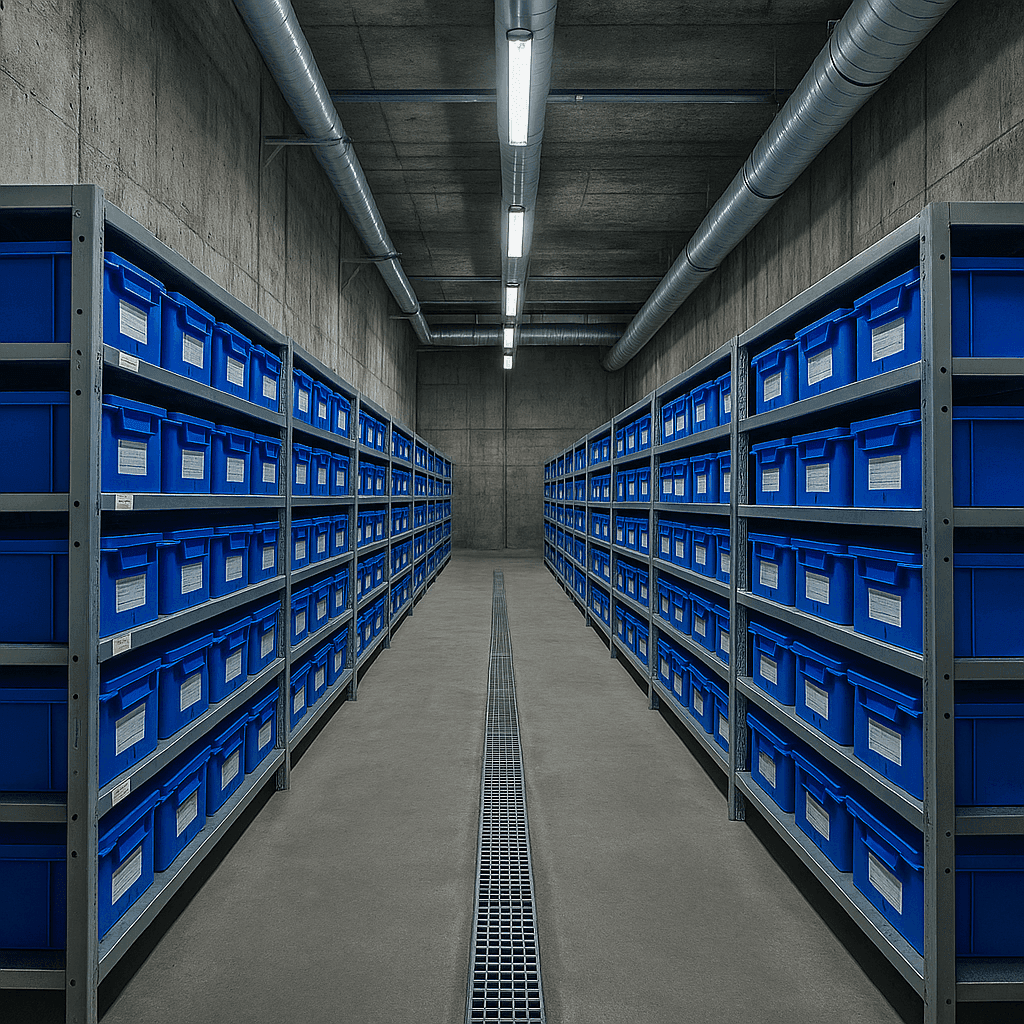
Crop diversity is fundamental to agricultural resilience. Yet, thousands of plant varieties have vanished in the last century due to industrialized farming and reliance on a narrow set of crops. When local seed banks fail—whether due to war, neglect, or disaster—the Global Seed Vault ensures that this irreplaceable biodiversity is not permanently lost.
An example of its importance came when Syria’s seed bank in Aleppo was destroyed during the civil war. Scientists were able to retrieve their backup seeds from Svalbard to reestablish their collection. This demonstrated not just the vault’s practicality, but its urgent relevance in today’s unstable world.
A Symbol of Global Cooperation
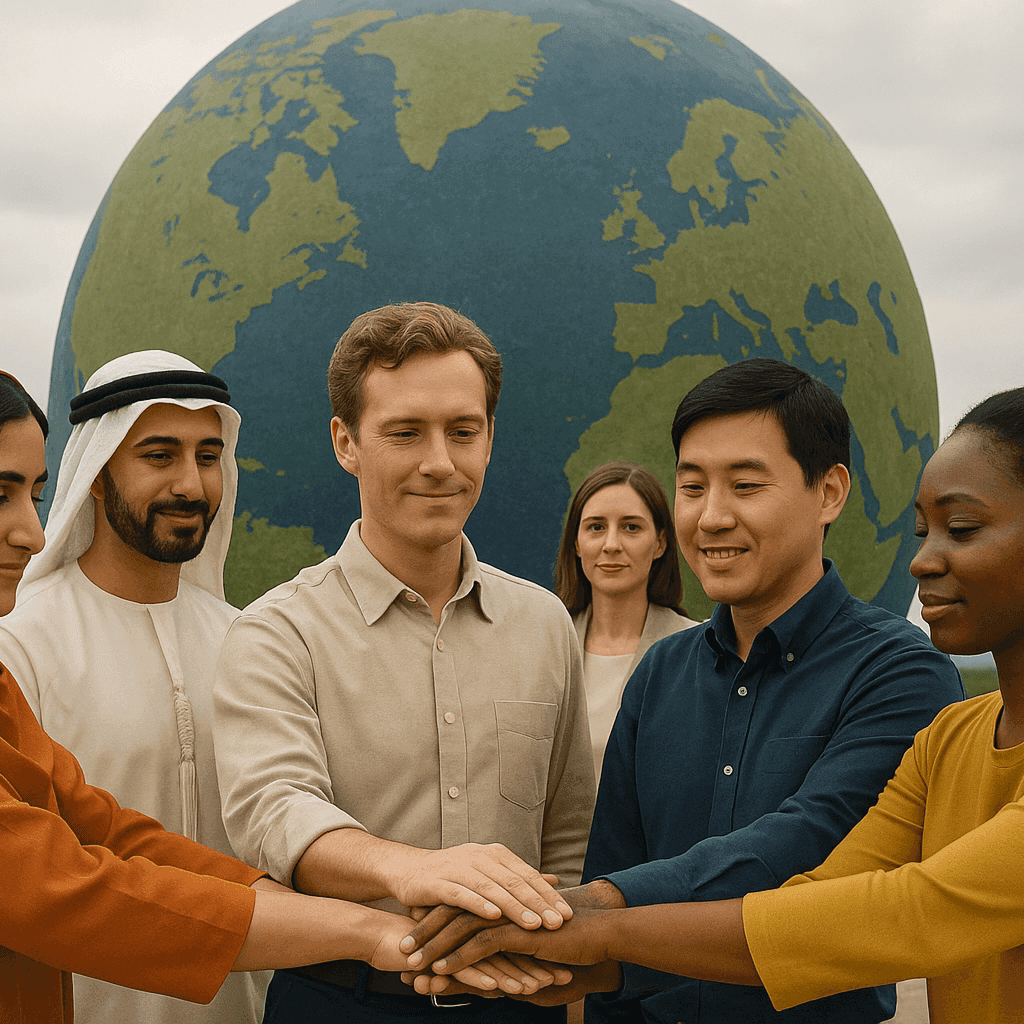
The Global Seed Vault is one of the few places where nations set aside politics for the common good. Nearly every country has contributed seeds, from rice in Asia to maize in Latin America, reinforcing the notion that food security is a shared human responsibility.
Rather than a static archive, the vault is a dynamic resource. Countries can withdraw and deposit seeds as needed, making it a living part of agricultural preservation efforts. As climate change, conflict, and population growth strain global food systems, the Seed Vault remains a quiet but profound reminder of what humanity can achieve together.