On June 18, 1812, the United States formally declared war on Great Britain, launching what would become a pivotal conflict in early American history. Known as the War of 1812, the decision reflected mounting frustrations over British maritime practices, interference with American trade, and territorial tensions on the North American frontier. The war would test the strength of the fledgling American republic and redefine its role on the global stage.

Maritime Tensions and National Honor
The primary grievances leading to the war centered on the British Royal Navy’s policy of impressment, which involved forcibly conscripting American sailors into British service. Additionally, British restrictions on American trade with France—Britain's enemy during the Napoleonic Wars—angered American merchants and political leaders alike. These affronts were perceived as violations of national sovereignty and personal liberty, rallying calls for a defense of American honor.
Western and southern political factions, led by the “War Hawks” in Congress, also pushed for war, hoping to expand U.S. territory into British Canada and Spanish-held Florida.
A Young Nation at War
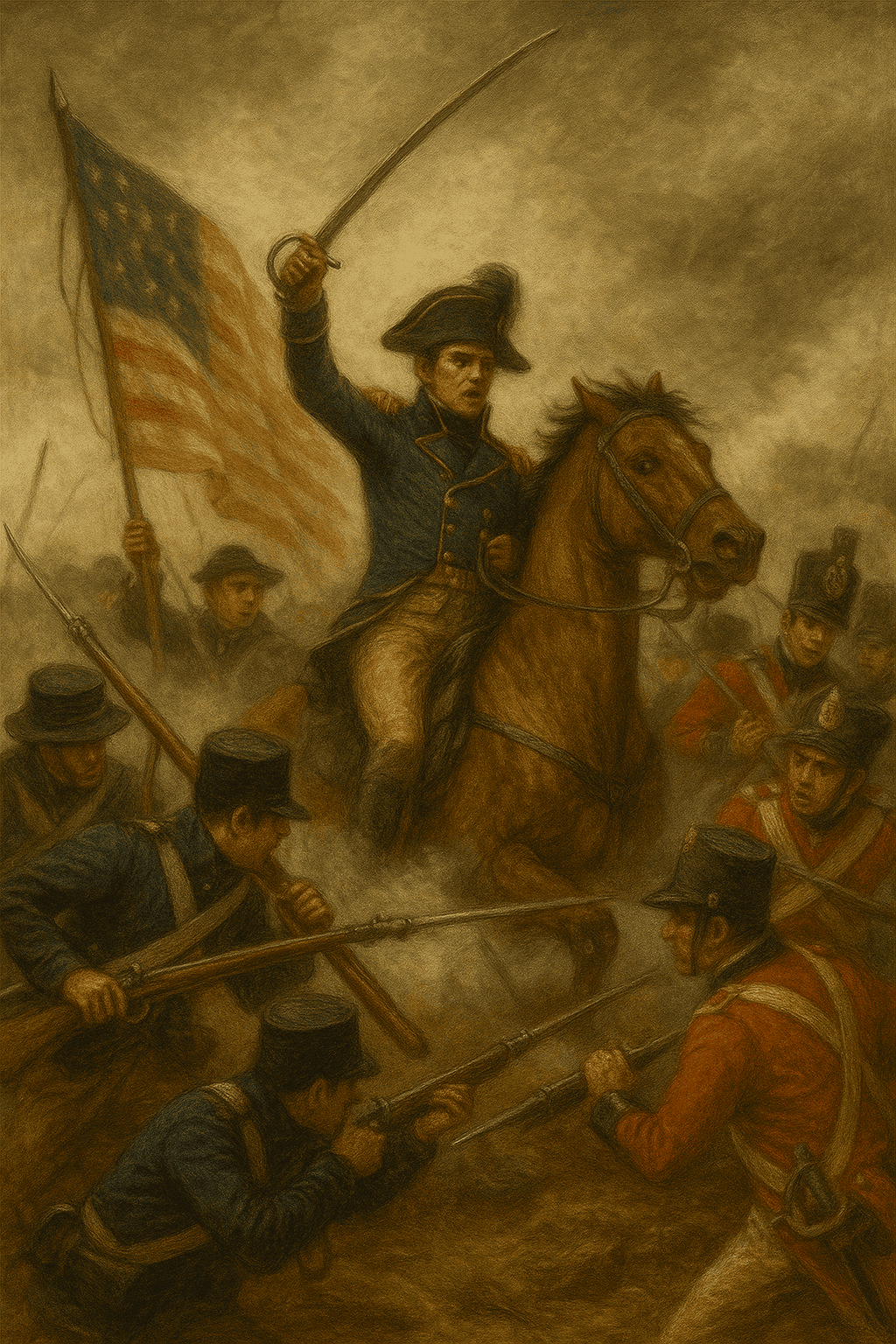
The War of 1812 exposed the limitations of the United States’ military readiness. Initial campaigns against Canada met with failure, and British forces burned Washington, D.C., in 1814. However, American resilience prevailed in key battles, including the defense of Fort McHenry—immortalized in “The Star-Spangled Banner”—and the decisive victory at the Battle of New Orleans, led by General Andrew Jackson.
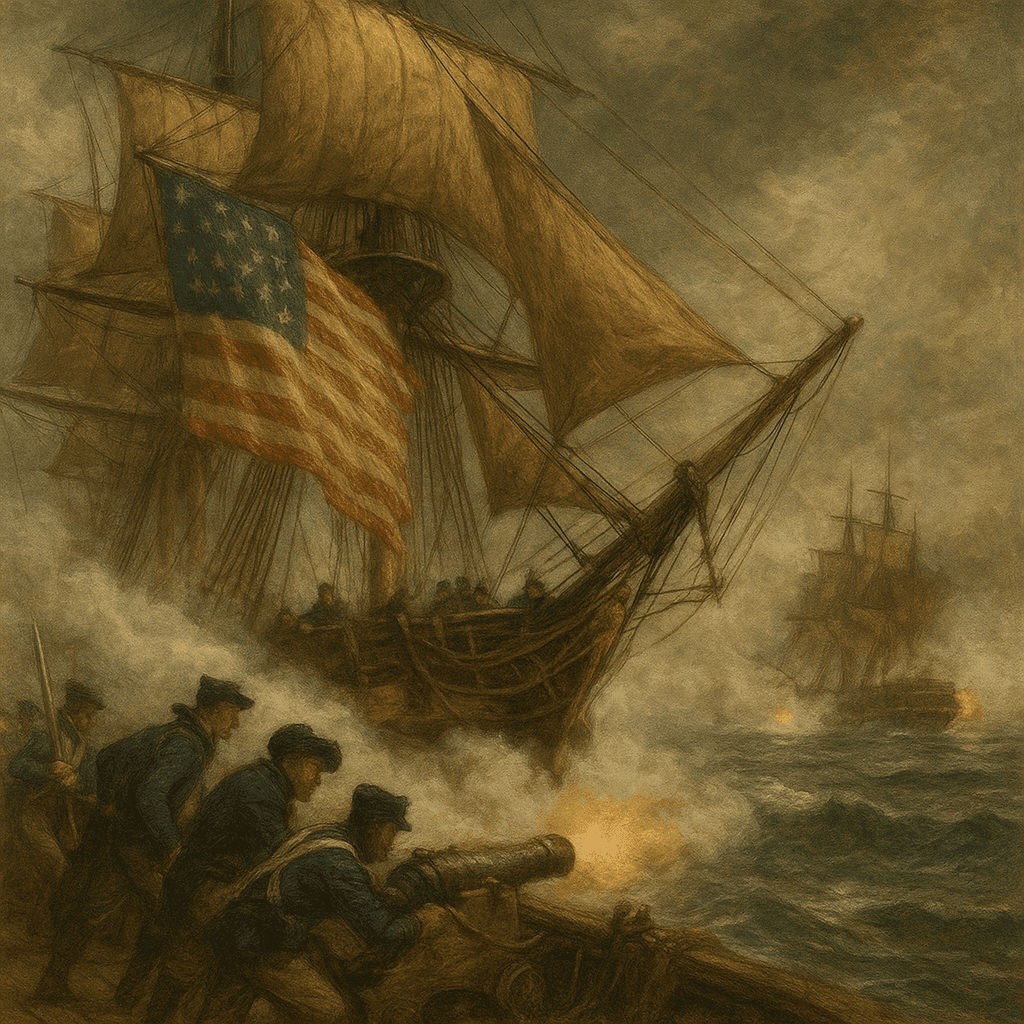
The conflict also solidified the reputation of the U.S. Navy, with notable ship victories such as those of the USS Constitution.
Legacy of the War
The Treaty of Ghent, signed in December 1814 and ratified in 1815, ended the war without territorial changes. Yet, the conflict had lasting consequences. It boosted American nationalism, diminished Native American resistance in the Northwest Territory, and encouraged economic self-reliance through industrial development.
Most importantly, the War of 1812 fostered a sense of unity and identity, helping to define the United States as a sovereign and determined nation, capable of standing up to global powers and charting its own course.