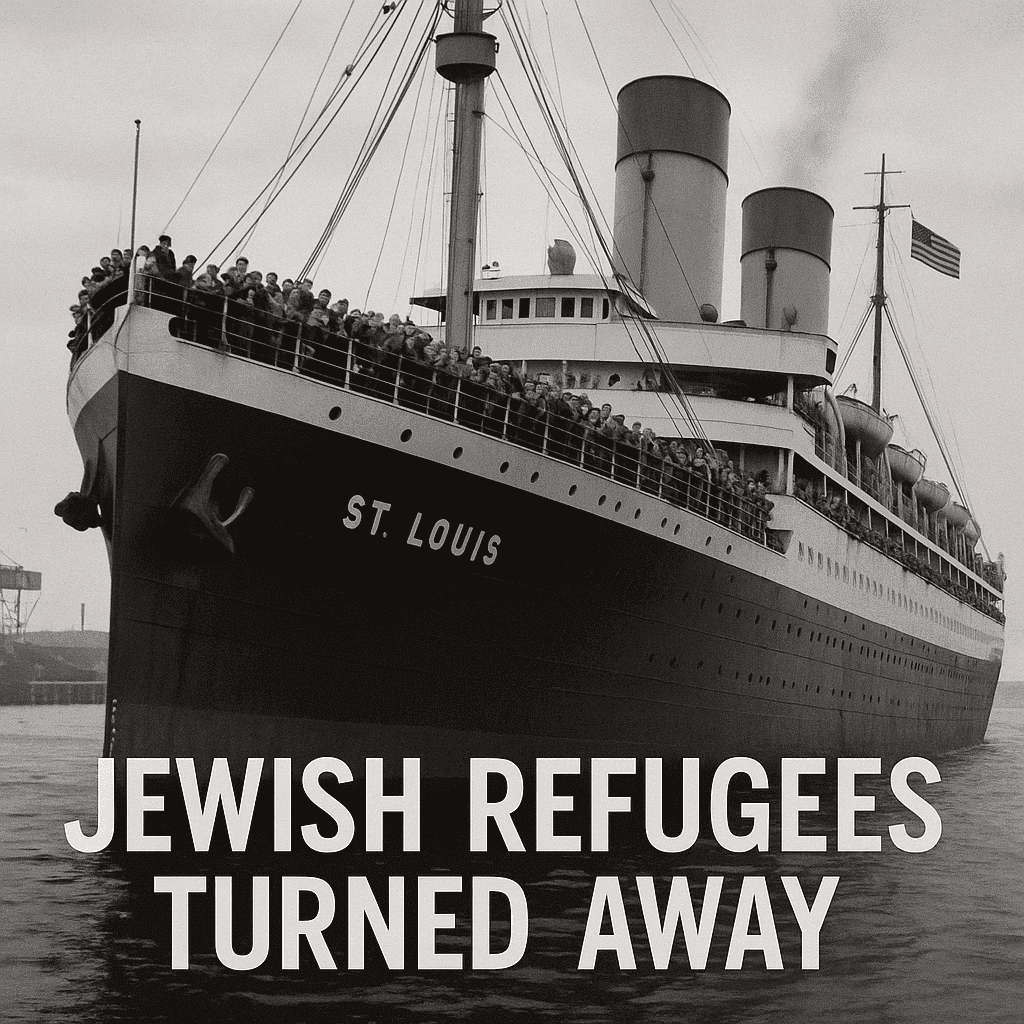
On May 27, 1939, the German ocean liner SS St. Louis, carrying 937 Jewish refugees escaping Nazi persecution, was denied entry to Havana, Cuba, despite the passengers holding landing certificates they believed were valid. The ship’s arrival and subsequent rejection marked the beginning of a heartbreaking journey that would see the vessel turned away not only from Cuba, but also from the United States and Canada.
The failure of these nations to offer safe harbor to desperate refugees has become one of the most haunting and sobering episodes in Holocaust history—a symbol of global inaction in the face of rising fascism and human suffering.
A Voyage of Desperation and Hope
The passengers aboard the St. Louis were primarily German Jews fleeing increasing persecution under Adolf Hitler’s regime. They had obtained what they believed to be valid Cuban entry permits and boarded the ship in Hamburg with hopes of beginning new lives far from the dangers of Nazi Germany.
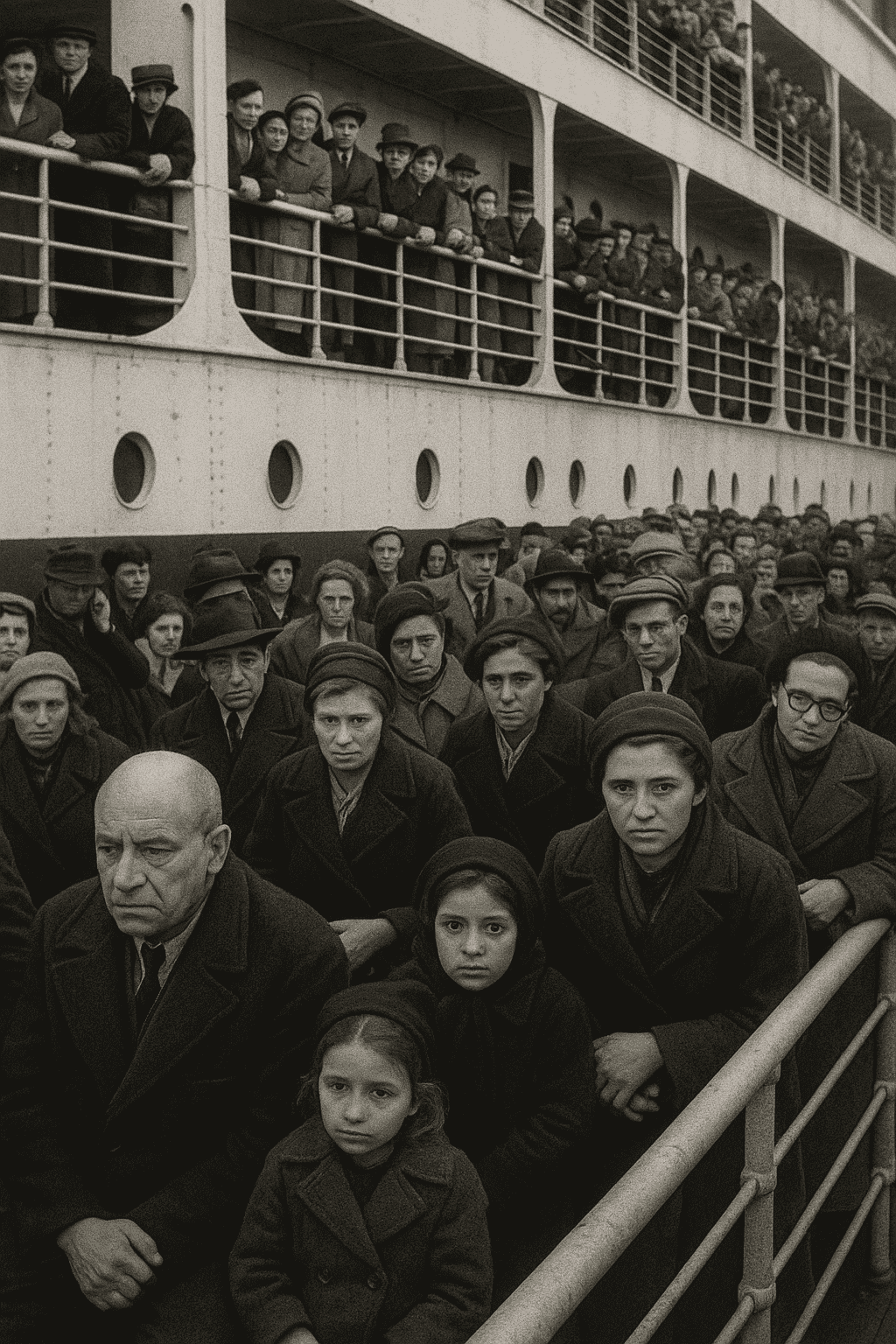
However, upon arrival in Havana on May 27, political pressure and a sudden change in Cuban immigration policy rendered the permits invalid. Only 28 passengers were allowed to disembark. The rest—over 900 individuals—remained stranded aboard the ship just miles from safety.
Turned Away by the West
In the following days, as the St. Louis waited off the Cuban coast, the ship's captain, Gustav Schröder, pleaded with authorities in the United States and Canada to accept the refugees. Despite widespread awareness of their plight, both governments refused entry, citing strict immigration quotas, economic concerns, and growing anti-Semitic sentiment.
With no nation willing to offer refuge, the St. Louis was forced to return to Europe in June 1939. Although some countries—including the United Kingdom, France, Belgium, and the Netherlands—agreed to take in the passengers, many of those who were resettled in continental Europe would later fall into Nazi hands after the outbreak of World War II.
It is estimated that over 250 of the ship’s passengers were ultimately murdered during the Holocaust.
A Legacy of Remorse and Reflection
The voyage of the SS St. Louis has since become a powerful symbol of the international community's failure to confront the refugee crisis that preceded the Holocaust. It is a painful reminder that apathy, xenophobia, and bureaucracy can have devastating human consequences.
In 2018, nearly 80 years after the incident, Canadian Prime Minister Justin Trudeau issued a formal apology for Canada’s refusal to admit the St. Louis’s passengers, acknowledging the nation's part in one of history's gravest moral failures.
Never Again: Lessons from the St. Louis
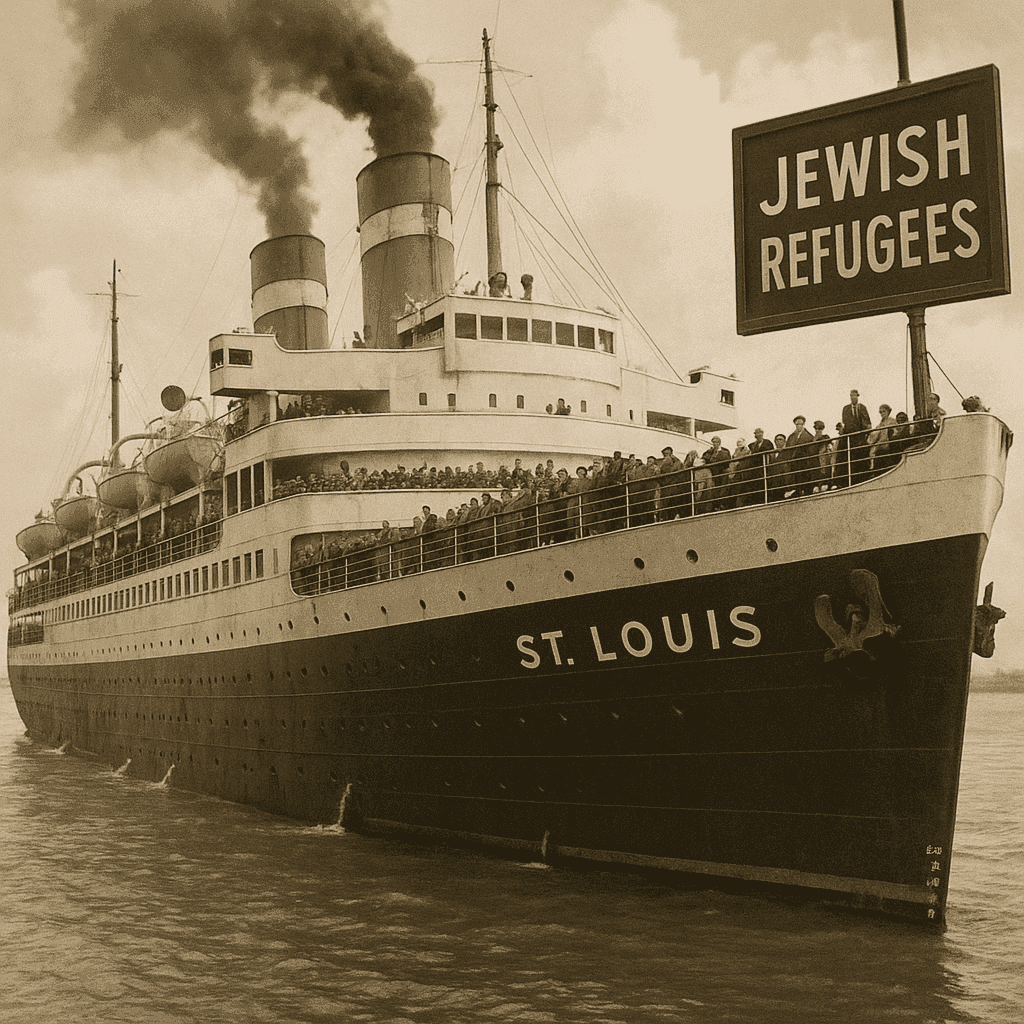
The story of the St. Louis, and its turning away on May 27, 1939, continues to resonate today as the world grapples with refugee crises and humanitarian emergencies. It serves as a call to remember the human faces behind immigration policies and the importance of moral courage in the face of injustice.
The legacy of the St. Louis underscores the need for compassion, accountability, and vigilance—so that the world may never again close its doors to those fleeing persecution and violence.