On April 21, 2016, the world lost Prince, a legendary musician, innovator, and megawatt star, at the age of 57. Known for his eclectic work, flamboyant stage presence, and wide vocal range, Prince was a towering figure in music, blending rock, funk, R&B, and pop to create a sound that was all his own. His passing left a void in the music world, but his legacy endures through his timeless music and the countless artists he influenced.
A Musical Visionary Who Redefined Pop Culture
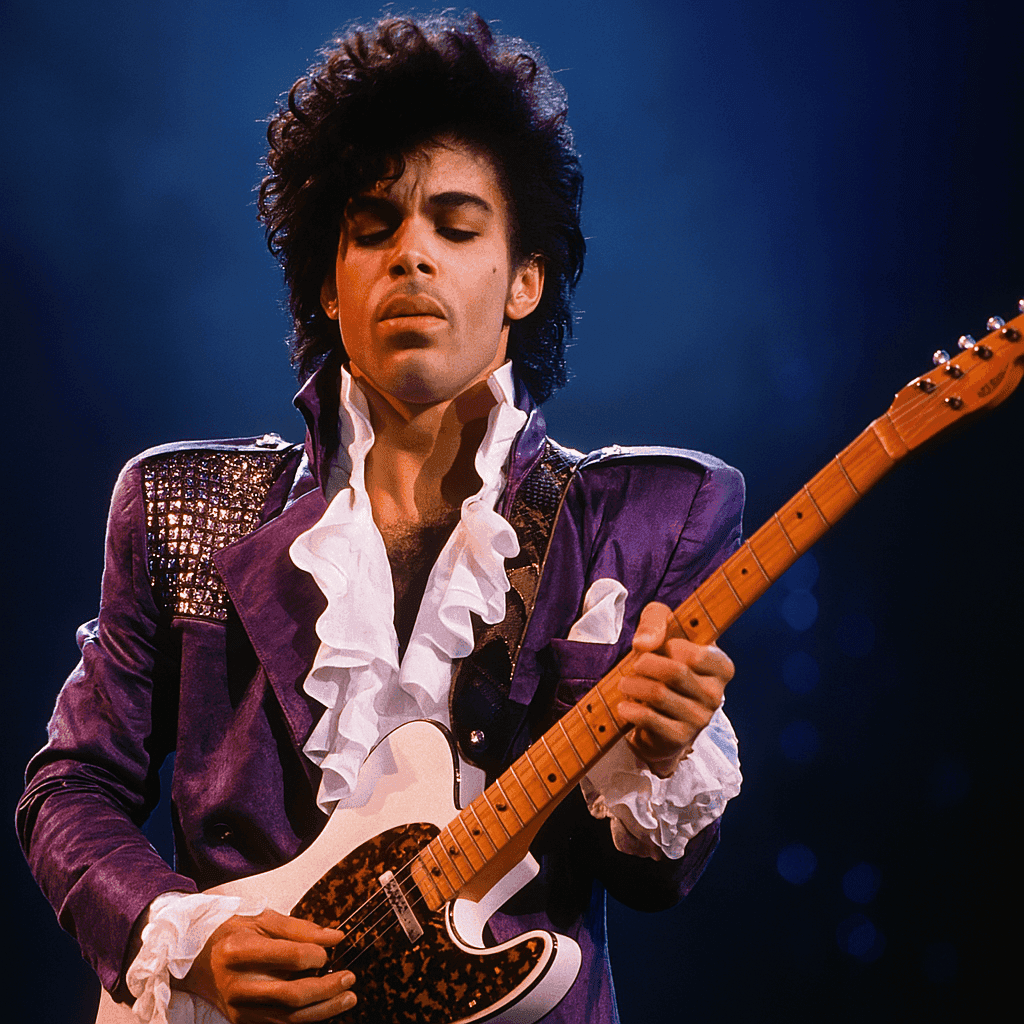
From the moment he burst onto the scene in the late 1970s, Prince Rogers Nelson defied categorization. His 1984 album Purple Rain catapulted him into superstardom, showcasing his unmatched talent as a multi-instrumentalist, singer, songwriter, and producer. Hits like “When Doves Cry,” “Kiss,” and “1999” not only dominated charts but also redefined what pop music could be. He broke barriers around genre, race, and gender expression, creating space for future generations of artists to push boundaries.
Prince wasn’t just a chart-topper—he was an innovator in every sense. During a bitter legal battle with his record label, he famously changed his name to an unpronounceable symbol, challenging industry norms and fighting for artistic control. He wrote and produced music at a breakneck pace, often playing every instrument on his records. His Minneapolis-based Paisley Park Studios became a hub for creativity and independence, inspiring artists to take charge of their own music and image.
A Profound Cultural and Social Force
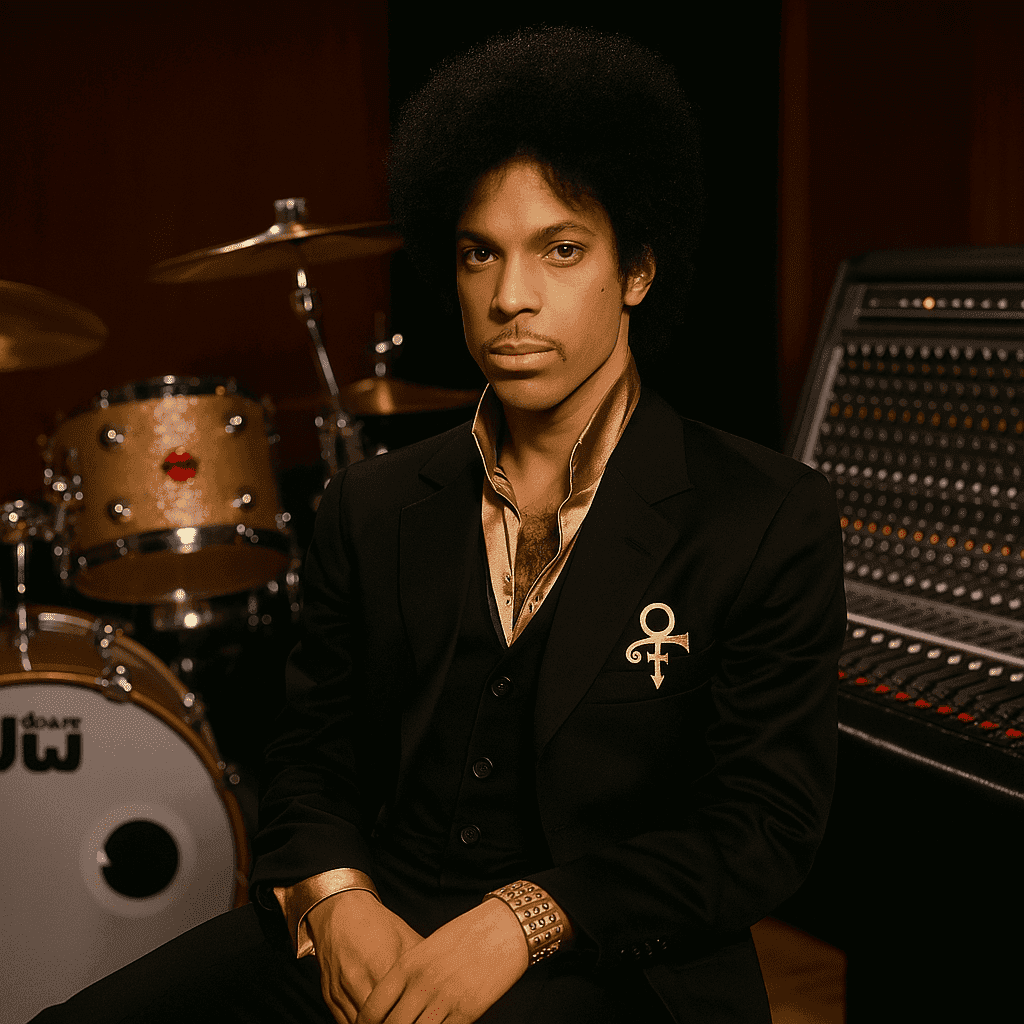
Beyond the music, Prince was a cultural icon whose impact rippled far outside the studio. He challenged conventional norms with his androgynous style, elaborate costumes, and fearless self-expression, becoming a beacon of individuality and nonconformity. His stage presence—electrifying and unpredictable—was matched by his commitment to issues like racial justice, artistic freedom, and privacy. He kept his charitable work largely private, quietly donating millions to schools, technology programs, and social causes.
Prince was also a mentor and collaborator. He helped launch and support the careers of many, including Sheila E., The Time, Vanity 6, and Apollonia. His influence can be heard in artists from Beyoncé to Bruno Mars, from The Weeknd to Janelle Monáe. His approach to songwriting and performance transformed the creative landscape, showing artists they could be both commercially successful and radically original.
A Lasting Legacy of Sound and Spirit
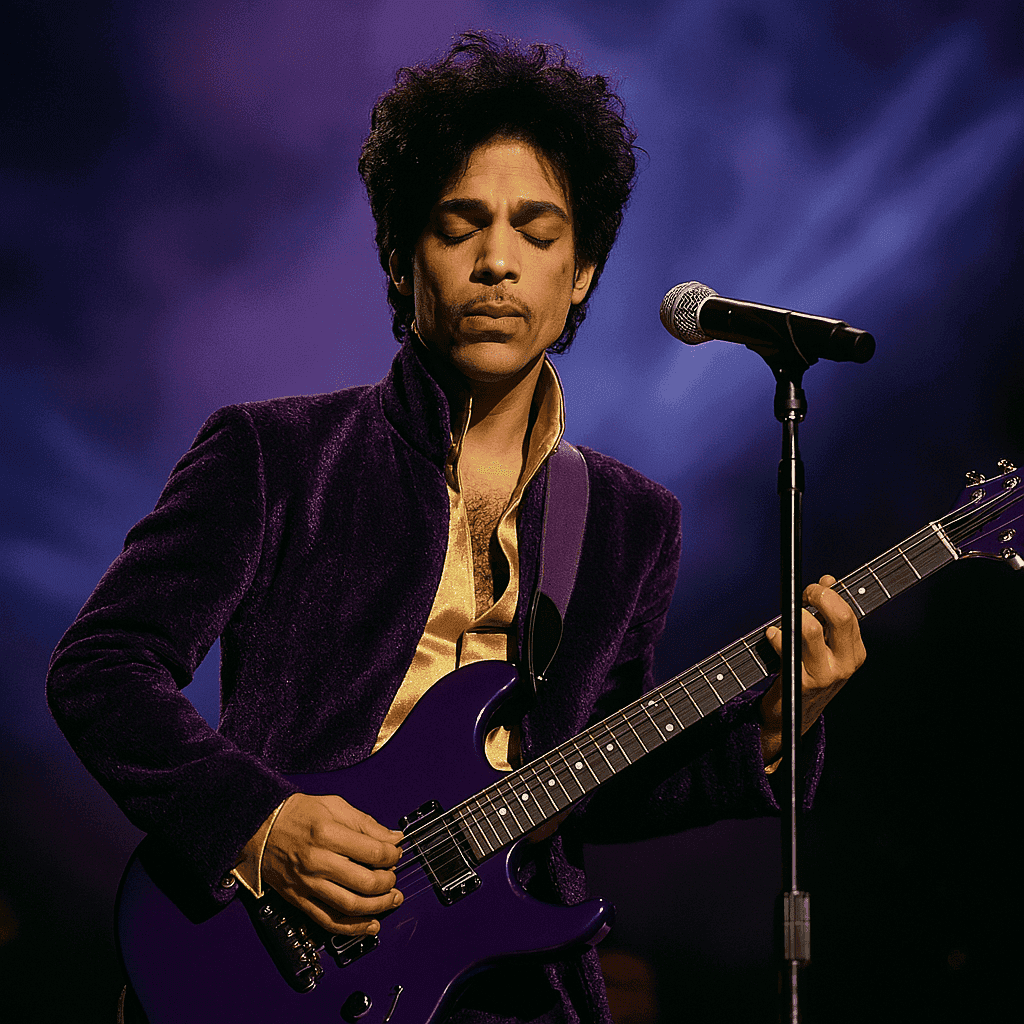
The announcement of Prince’s death—caused by an accidental overdose of fentanyl—sent shockwaves around the globe. Fans gathered in cities like Minneapolis, Los Angeles, and New York for impromptu dance parties and candlelight vigils. Landmarks were bathed in purple light. Even President Barack Obama issued a heartfelt tribute, calling him “one of the most gifted and prolific musicians of our time.”
Nearly a decade later, Prince’s music continues to inspire and resonate. His vault of unreleased material still promises future releases, while retrospectives and documentaries keep his story alive for new audiences. Music schools study his compositions, museums exhibit his costumes, and streaming platforms see his hits played by millions annually.
His death sparked renewed discussions about the opioid epidemic and the importance of artists having control over their health, estates, and legacies. In the years since Prince has become a symbol not only of creative genius but also of the fragility behind the fame. His Paisley Park estate is now a museum, attracting fans from around the world and serving as a pilgrimage site for those who want to honor his life and music.
Though Prince is gone, his essence endures—in the beat of a drum machine, the swirl of a guitar solo, the flash of purple lights onstage. He was more than a performer. He was a movement. And on April 21, we remember not just his death but the vibrant, defiant, unforgettable life he lived.