On May 2, 2011, a decade-long global manhunt came to a dramatic conclusion when U.S. Navy SEALs located and killed Osama bin Laden in Abbottabad, Pakistan. As the mastermind behind the September 11, 2001, attacks and the face of al-Qaeda terrorism, bin Laden had long symbolized a looming threat to the Western world. His death marked a pivotal moment in the United States' War on Terror, offering a sense of justice to survivors and victims’ families while also igniting global debate about covert operations, sovereignty, and the evolving face of international terrorism.
Operation Neptune Spear
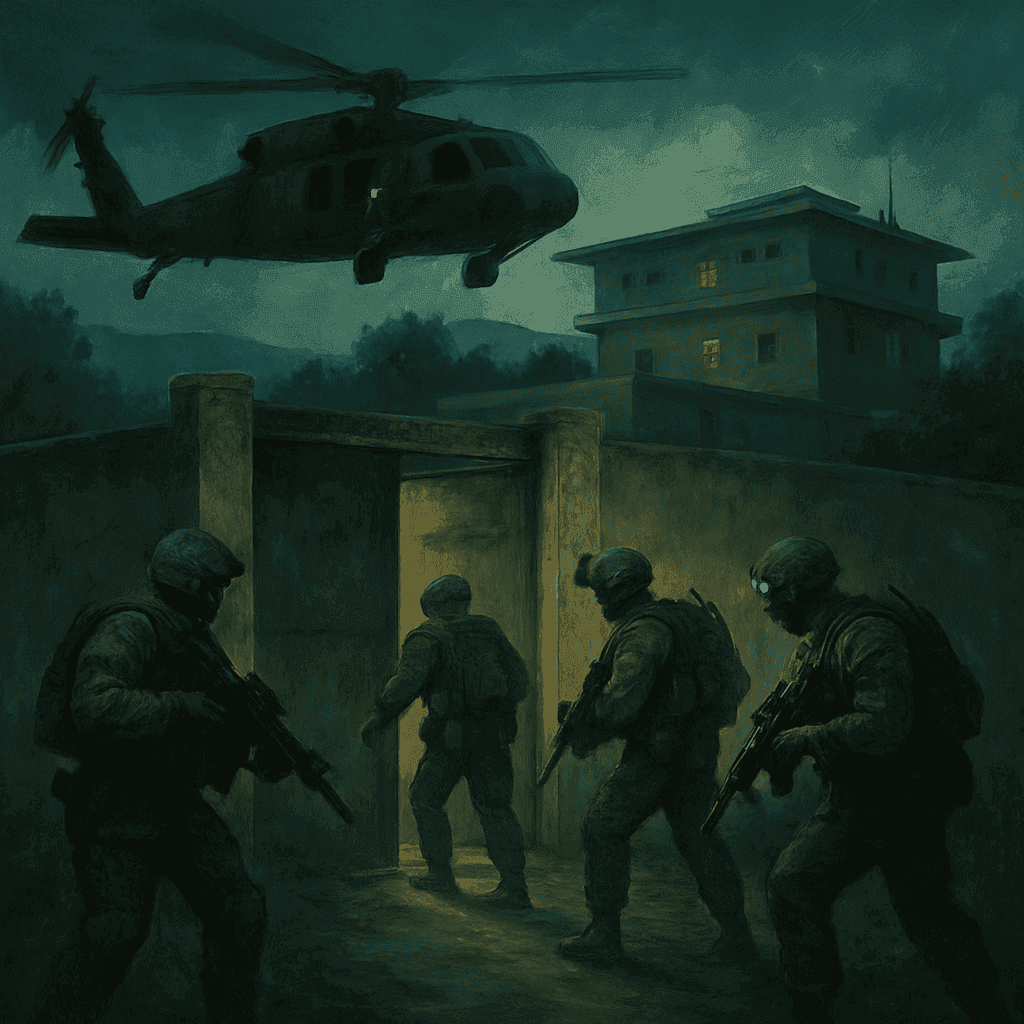
The mission to capture or kill bin Laden—code-named Operation Neptune Spear—was executed by SEAL Team Six, officially known as the United States Naval Special Warfare Development Group. After years of intelligence gathering, the CIA tracked a trusted courier to a fortified compound in Abbottabad, less than a mile from a Pakistani military academy. The operation was authorized by President Barack Obama and conducted without notifying the Pakistani government, a move that underscored deep-rooted mistrust between the two nations.
In the early hours of May 2, helicopters carrying elite Navy SEALs flew from Afghanistan into Pakistani airspace, breaching the high-walled compound. After a 40-minute raid, bin Laden was found on the third floor and shot dead. His body was later buried at sea in accordance with Islamic tradition, but the secrecy surrounding this action sparked a wide range of conspiracy theories and public skepticism.
National and Global Response

News of bin Laden’s death spread quickly, prompting spontaneous gatherings and celebrations across the United States. Crowds formed outside the White House and at Ground Zero in New York City, where people chanted patriotic songs and held signs of remembrance. Many Americans viewed the event as long-awaited retribution and a form of closure for the trauma of 9/11. Political leaders from across the spectrum lauded the military’s precision and courage, with President Obama delivering a solemn address to the nation.
International reactions were more complex. While many allied nations praised the outcome, others—particularly in the Middle East and Pakistan—expressed concern over the violation of sovereign airspace and the implications of such unannounced military action. The operation strained U.S.–Pakistan relations, revealing fractures in diplomatic and intelligence cooperation that would persist for years to come.
The Legacy of a Decade
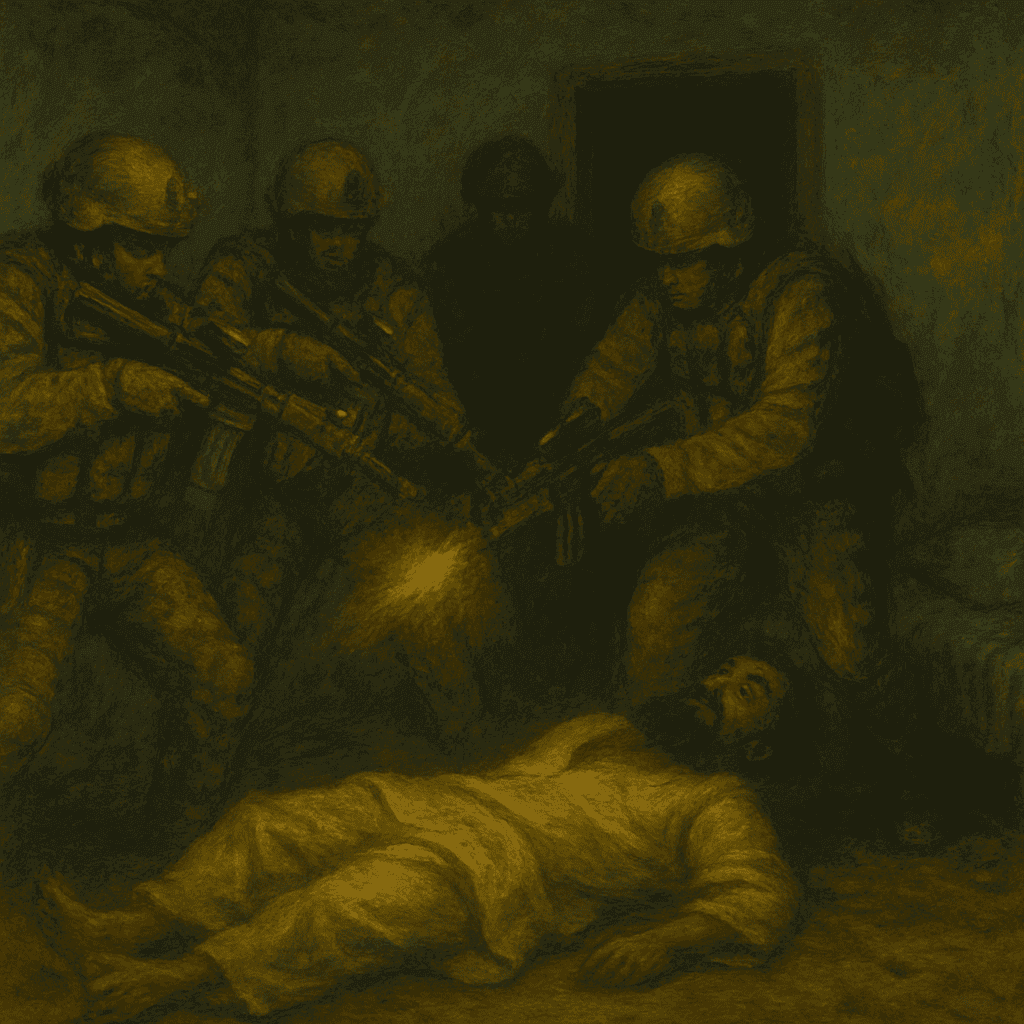
Bin Laden’s death did not end the threat of global terrorism, but it significantly altered the landscape. Al-Qaeda, though weakened, splintered into regional factions, and new threats like ISIS emerged to fill the vacuum. For the United States, the mission became a defining moment in modern military and intelligence strategy, demonstrating the effectiveness and moral complexity of targeted counterterrorism operations.
The event also shaped public expectations about transparency, accountability, and the ethical dimensions of war. It reinvigorated debates over surveillance, drone strikes, and the balance between security and civil liberties. In the years since, Operation Neptune Spear has been studied in military academies, dramatized in films, and scrutinized in policy discussions, ensuring its place in history books and the evolving dialogue about justice, warfare, and global leadership.