John Fitzgerald Kennedy was born in Brookline, Massachusetts, on May 29, 1917. As the 35th President of the United States, JFK symbolized a new era of American optimism and leadership. His eloquence, intellect, and vision for the future inspired a generation, and though his presidency was tragically cut short, his influence continues to shape American ideals and policies today.
A President for a New Generation
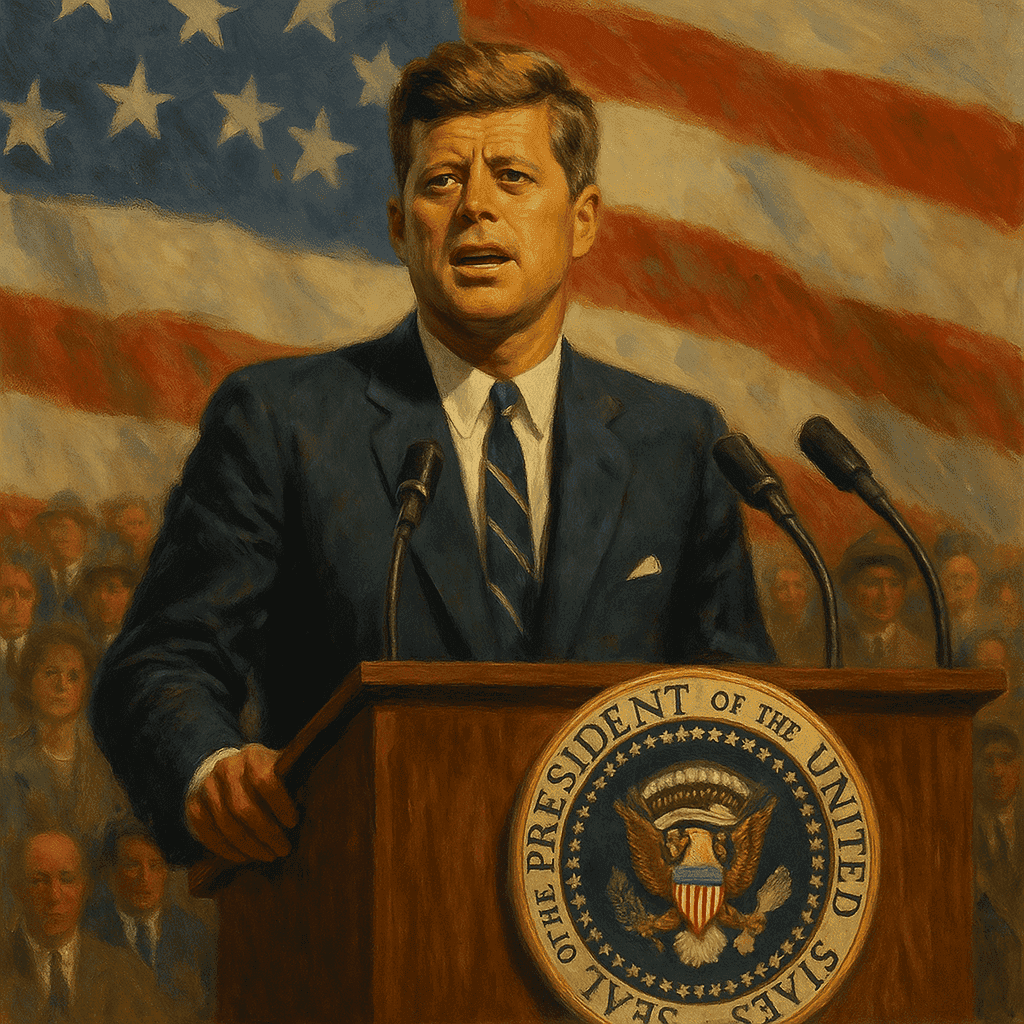
Kennedy came into office in 1961 as the youngest person ever elected to the U.S. presidency. His administration quickly became known as “Camelot,” a term that evoked youth, elegance, and a sense of idealism. Kennedy’s stirring inaugural address, in which he challenged Americans to “ask not what your country can do for you—ask what you can do for your country,” captured the imagination of a nation entering a new decade marked by change and turbulence.
He positioned his presidency at the intersection of Cold War urgency and progressive domestic reform. Kennedy confronted the escalating tensions with the Soviet Union, managing the Cuban Missile Crisis with a combination of restraint and resolve that helped avert nuclear catastrophe. At home, he advocated for civil rights and proposed sweeping economic and social policies aimed at reducing poverty and advancing equality.
Crisis, Courage, and Cold War Leadership

JFK’s foreign policy was defined by some of the most intense episodes of the Cold War. Following the failed Bay of Pigs invasion in 1961, Kennedy took responsibility and shifted strategies. The most perilous moment came in October 1962 during the Cuban Missile Crisis, when American reconnaissance discovered Soviet nuclear missiles in Cuba. For thirteen tense days, the world watched as Kennedy and his advisors navigated a potential path to nuclear war.
Through careful diplomacy and a naval blockade, Kennedy secured the withdrawal of Soviet missiles from Cuba in exchange for a U.S. promise not to invade the island and the quiet removal of American missiles from Turkey. His measured approach not only preserved peace but also elevated his stature on the world stage, reinforcing the importance of cool-headed diplomacy in times of extreme pressure.
Dreams Deferred, But Not Lost
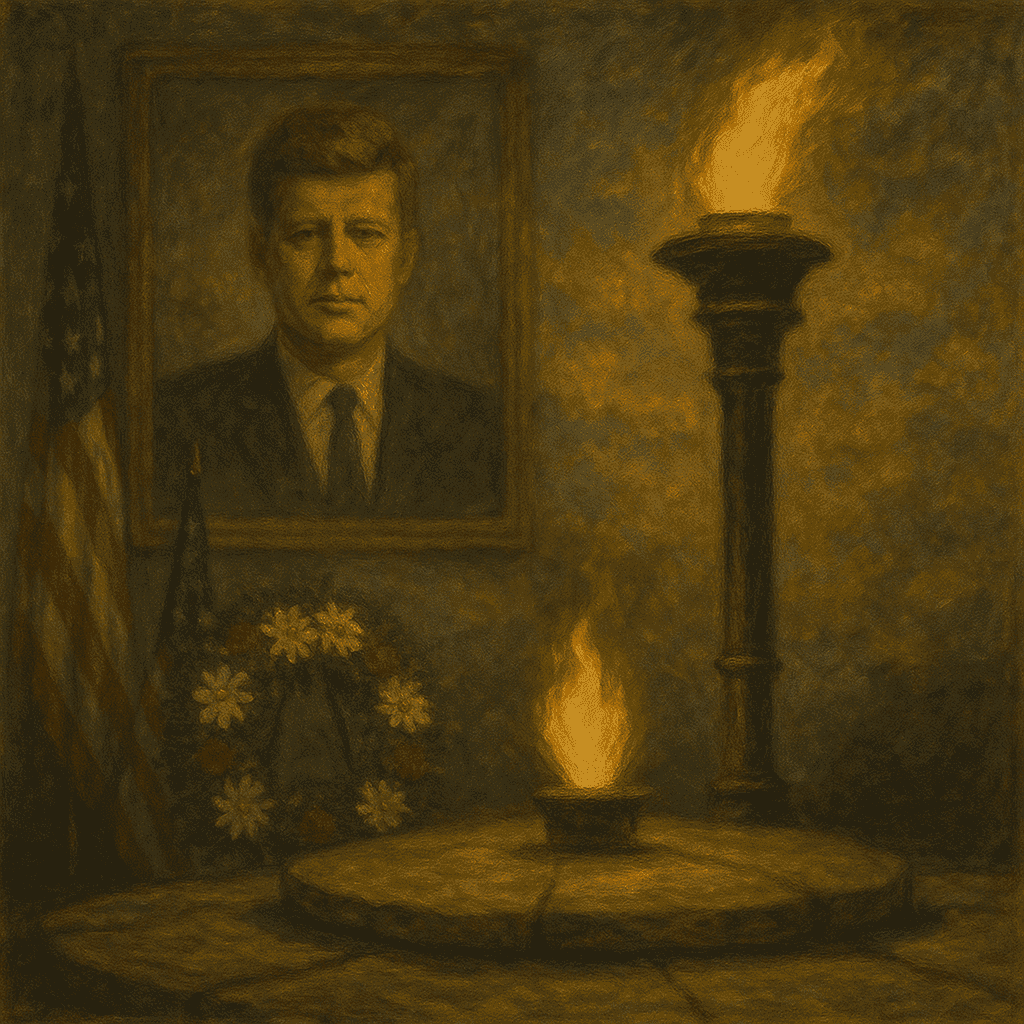
Kennedy’s presidency was tragically ended on November 22, 1963, when he was assassinated in Dallas, Texas. The nation mourned the loss of a young leader who had symbolized hope and renewal. His death marked the end of the brief but transformative Camelot era, and his legacy became the subject of both reverence and myth-making in American culture.
In the years since, Kennedy’s vision has endured through programs like the Peace Corps, which he created, and through his commitment to space exploration, which laid the groundwork for the Apollo moon landings. His emphasis on public service, civil rights, and international cooperation remains influential, with each new generation revisiting his words and ideals for inspiration.