On June 15, 1215, King John of England placed his seal on the Magna Carta at Runnymede, under pressure from rebel barons. Though originally intended to settle a power struggle between the monarchy and the nobility, the Magna Carta would come to represent something far greater: the idea that no one—not even a king—is above the law. This principle would echo across centuries, shaping the evolution of constitutional governance and individual rights.
Crisis and Concession

King John’s rule had become deeply unpopular due to military failures, steep taxes, and autocratic governance. His strained relationship with the nobility and the Church led to widespread unrest. In 1215, a group of powerful barons rebelled, seizing London and forcing the king into negotiations to avoid civil war.
The result was the Magna Carta—a document that sought to limit the king’s arbitrary power. While its 63 clauses largely addressed feudal grievances, it introduced the revolutionary idea that legal rights could not be ignored, even by the monarchy. It was the first time a king had been compelled to publicly accept legal limits on his authority.
From Agreement to Icon

Though Pope Innocent III annulled the original charter just weeks after it was sealed, the ideas it represented endured. The country descended into civil war, but later reissues of the Magna Carta under different monarchs gradually solidified its symbolic power in English law and politics.
By the 17th century, figures such as Sir Edward Coke were citing the Magna Carta in arguments against royal overreach. Key legal reforms, including the Petition of Right and the English Bill of Rights, were built on its foundation, helping shift power from the crown to Parliament.
Global Influence and Modern Relevance
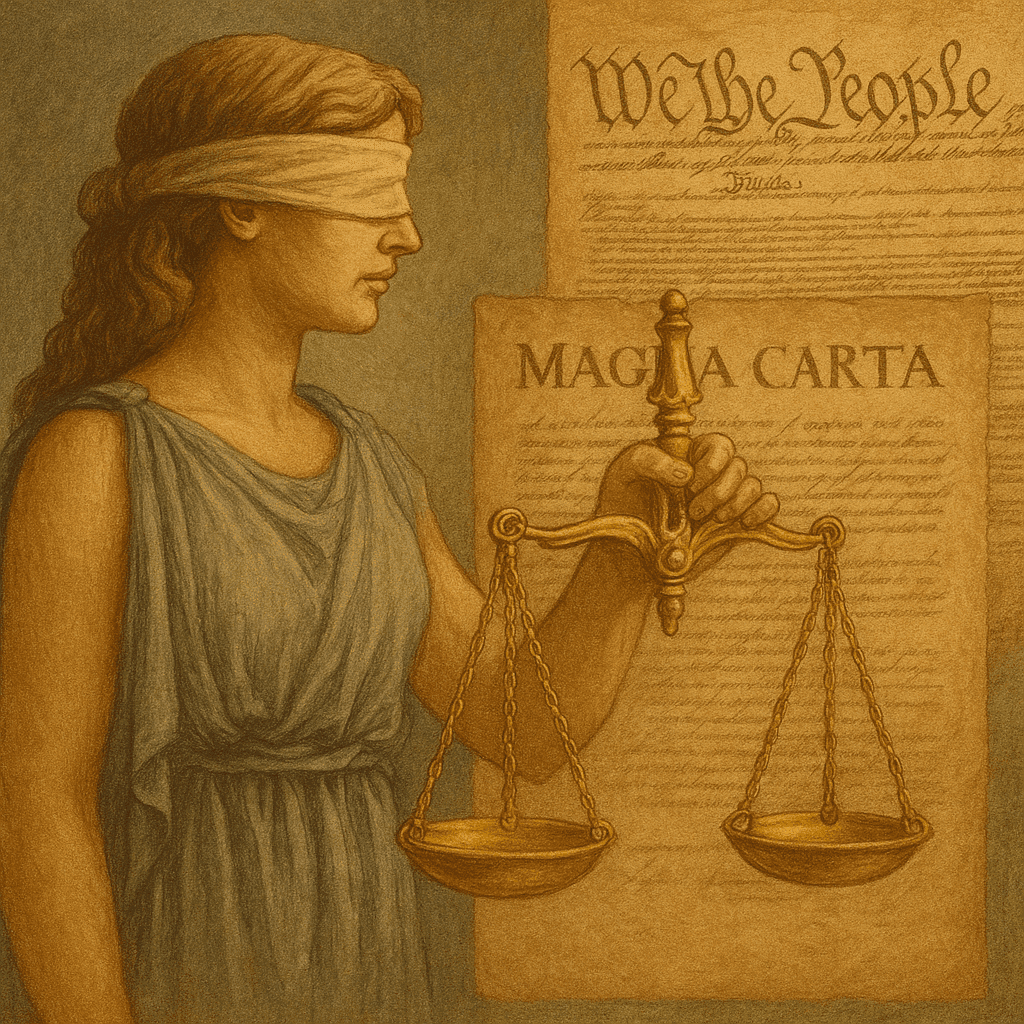
The Magna Carta’s legacy crossed the Atlantic with English colonists. Its influence is unmistakable in foundational American documents like the Declaration of Independence and the U.S. Constitution, especially in the guarantees of due process and limitations on government.
Today, the Magna Carta is regarded not just as an English artifact but as a global symbol of liberty. It continues to inspire legal systems and human rights movements around the world, reminding citizens and leaders alike that true power lies in justice under the law.