When the deep, resonant tones of Big Ben first echoed through London on May 31, 1859, few could have predicted the cultural and historical weight the bell would come to carry. Installed in the newly constructed Elizabeth Tower (then simply called the clock tower), the bell’s sound quickly became synonymous with British identity and resilience. For more than a century and a half, Big Ben has chimed through world wars, coronations, and national celebrations, firmly establishing itself as more than just a timekeeper—it is a symbol of endurance and order.
Engineering Marvel in Victorian Britain
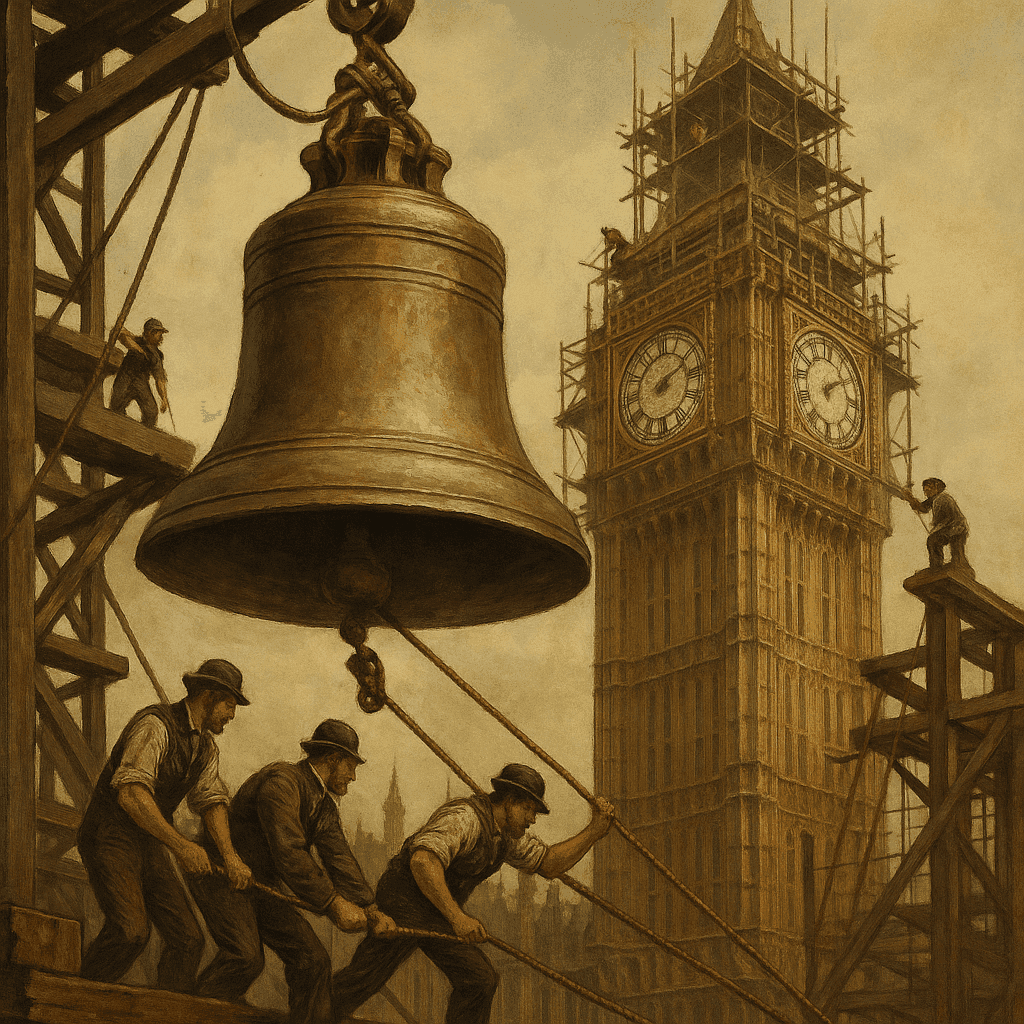
The installation of Big Ben was a feat of precision and innovation during the height of the Victorian era. Designed by clockmaker Edward John Dent and completed by his stepson Frederick Dent, the clock mechanism was paired with a 13.5-ton bell cast by George Mears of the Whitechapel Bell Foundry. After an earlier bell cracked during testing, the current Big Ben was installed with reinforced support and fine-tuned striking mechanics to ensure longevity and clarity in its tone. Its accuracy and engineering sophistication reflected the British Empire's technological ambitions.
The tower housing Big Ben, part of Charles Barry and Augustus Pugin’s design for the new Palace of Westminster, stood as an architectural symbol of the United Kingdom’s growing global influence. As part of the capital’s skyline, the tower quickly became one of London’s most photographed and admired structures. Each of the four clock dials measures seven meters in diameter, and their reliability helped instill confidence in the workings of government and time itself.
A Sound That Echoed Through History
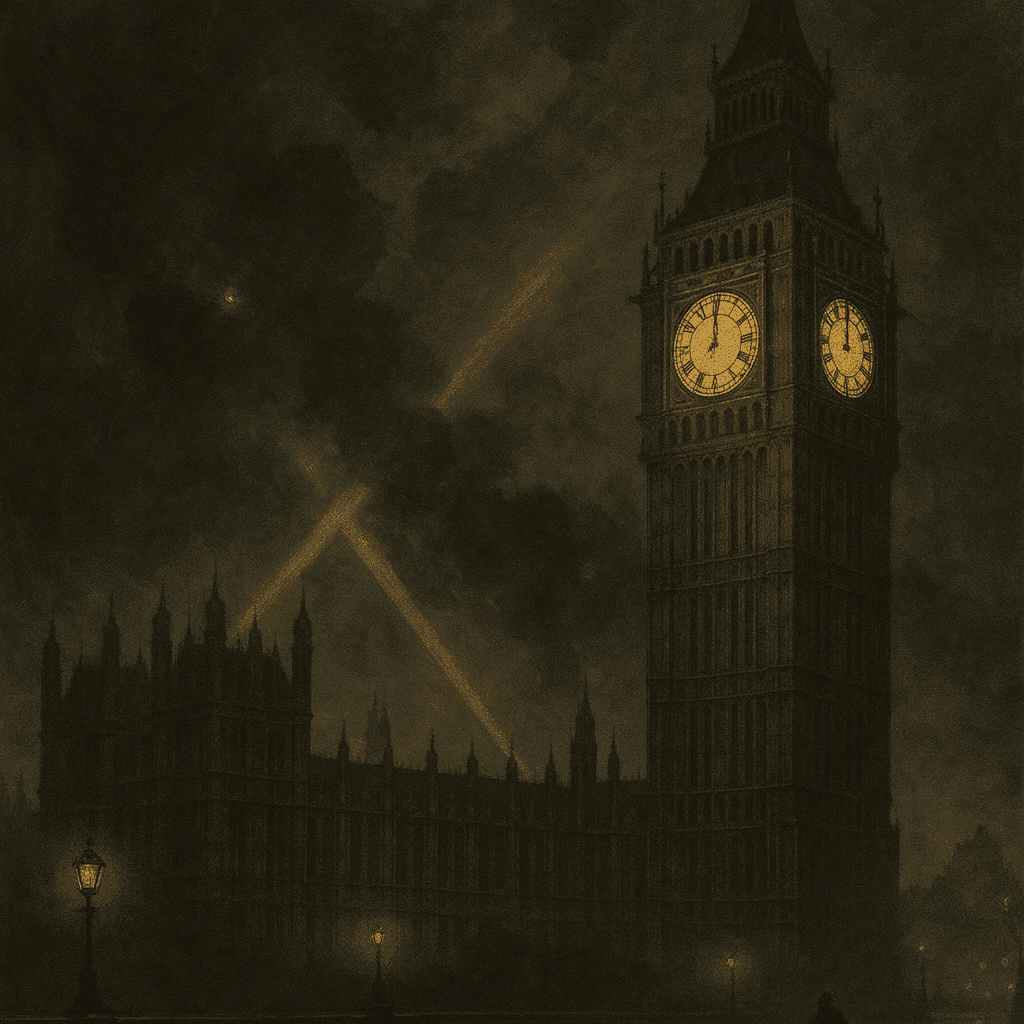
From its very first chime, Big Ben’s sound became a part of daily life in London. The bell rang every hour with striking regularity, and the quarter-hour chimes were added using four smaller bells. The unique melody, known as the Westminster Quarters, was adapted from a Handel composition and became an instantly recognizable auditory landmark. Over time, the chimes were broadcast on BBC Radio, particularly during World War II, when they became a morale-boosting symbol of continuity amid chaos.
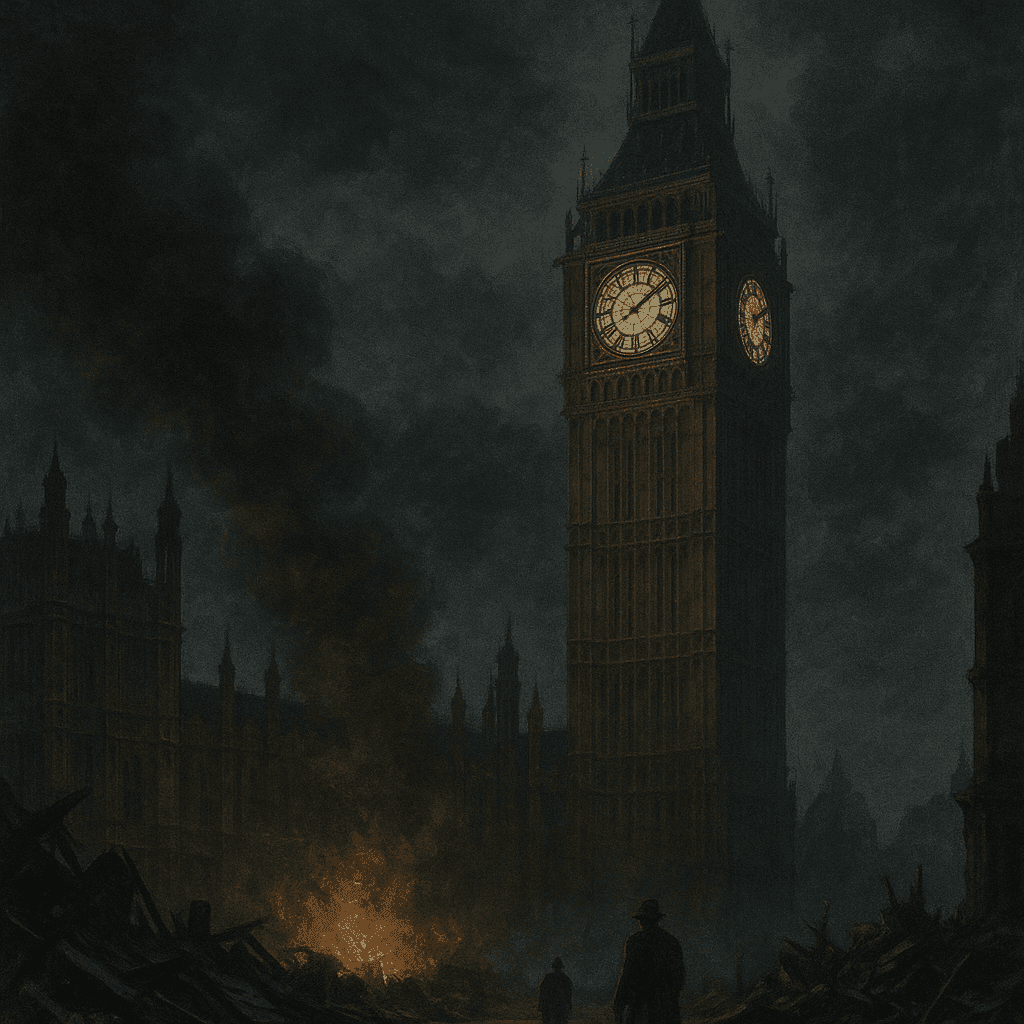
Even in times of adversity, the bell rarely fell silent. During the Blitz in 1940, while much of the Palace of Westminster was damaged by bombing, Big Ben continued to mark the hours, offering a reassuring sense of stability. Its unwavering presence was not just practical—it was emotional. Citizens of London, and even listeners abroad, found comfort in the familiar peal that reminded them that life, government, and time carried on.
Legacy Beyond the Clock Tower
Today, Big Ben is much more than a bell—it is a global icon. Officially renamed the Elizabeth Tower in 2012 in honor of Queen Elizabeth II’s Diamond Jubilee, it remains one of the most visited and photographed landmarks in the United Kingdom. Its image is used on everything from postage stamps to movie backdrops, symbolizing both Britain’s past and its enduring parliamentary democracy.
As the world grows increasingly digital and fast-paced, the chimes of Big Ben continue to offer a moment of pause—a timeless reminder of order and tradition. Though it has undergone restorations and periods of silence for maintenance, the bell's cultural weight has never diminished. Big Ben’s first chime in 1859 was not just the beginning of a clock—it was the birth of an enduring symbol of British identity and the ceaseless passage of time.