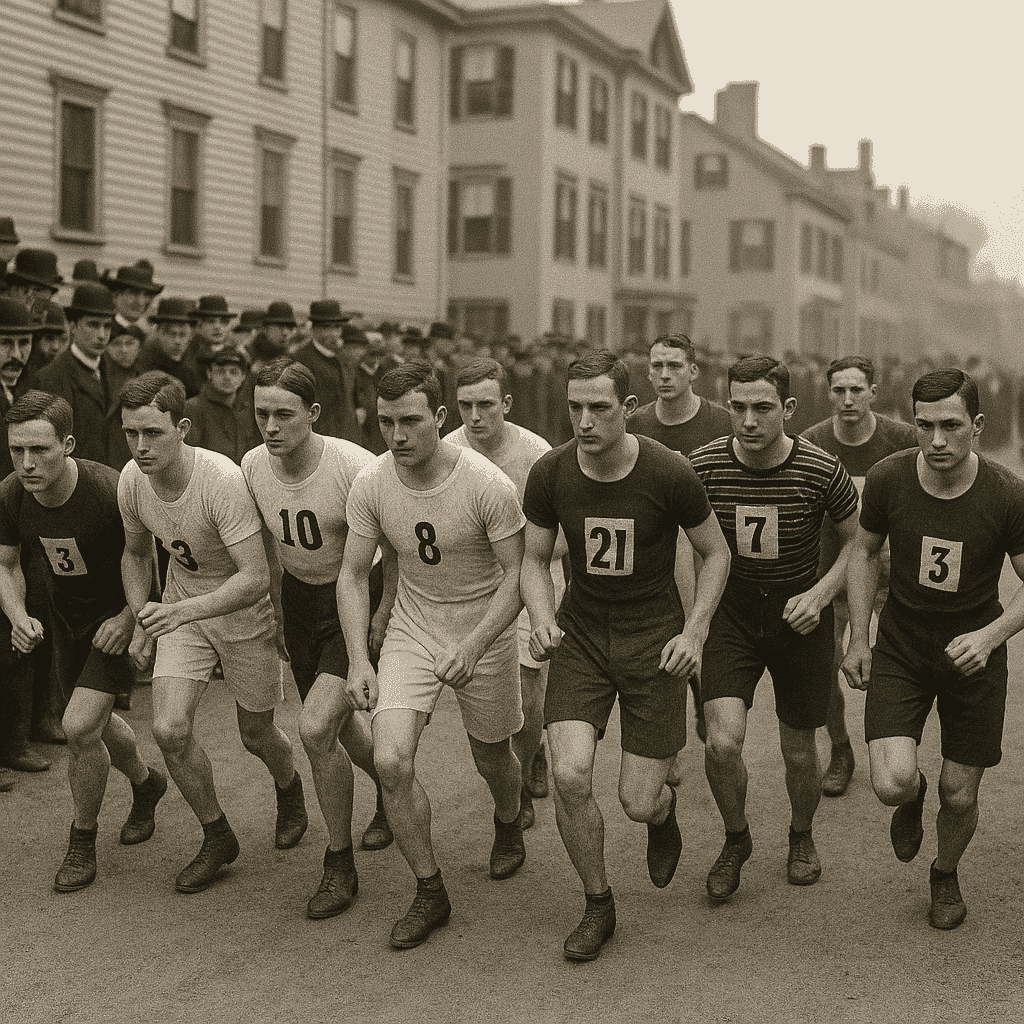
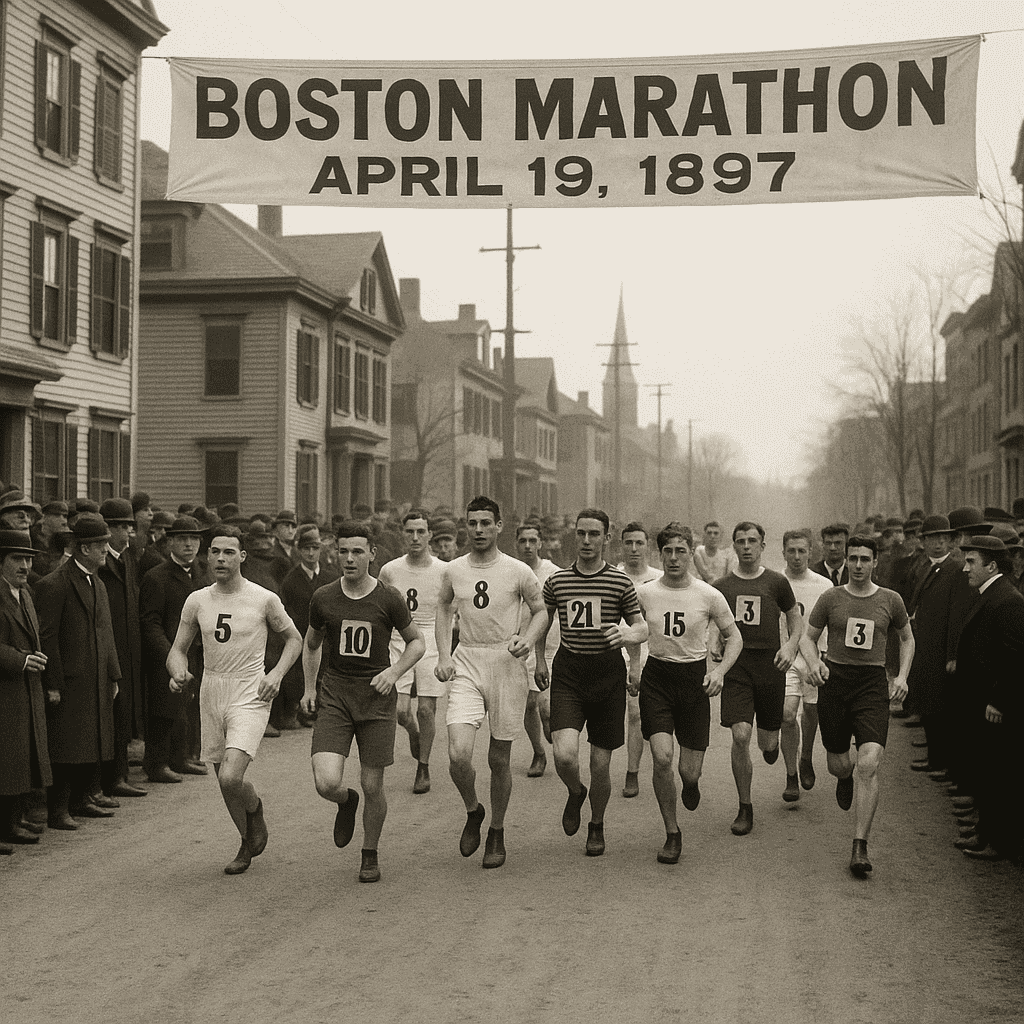
On April 19, 1897, the streets of Massachusetts witnessed the birth of what would become the world’s oldest annual marathon. Inspired by the success of the marathon at the inaugural modern Olympic Games in Athens in 1896, the Boston Marathon began with just 15 runners. Organized by the Boston Athletic Association (BAA), the event marked the beginning of a long-standing tradition in endurance sports—one that has grown to symbolize perseverance, resilience, and global unity.
A Humble Start with Historic Roots
The first Boston Marathon followed a 24.5-mile route from Ashland to Boston, slightly shorter than today’s official marathon distance of 26.2 miles, which was standardized in 1921. The idea for the race was sparked by John Graham, a BAA member and manager of the U.S. Olympic team, who sought to bring the spirit of Olympic competition to American soil. The inaugural winner was John J. McDermott of New York, who completed the course in 2 hours, 55 minutes, and 10 seconds—setting the precedent for the challenge and prestige that would define the Boston Marathon for generations.
Growth of a Global Tradition
What began as a regional race with a small field has since evolved into an internationally renowned event that attracts tens of thousands of runners from around the world. The Boston Marathon is now one of the six World Marathon Majors, drawing elite athletes, dedicated amateurs, and first-time runners alike. Its strict qualifying standards have made it a coveted goal for competitive runners, while its storied course, with landmarks like Heartbreak Hill, adds to its mystique.
The marathon has also been a platform for breaking barriers. In 1966, Roberta “Bobbi” Gibb became the first woman to run the race unofficially, followed by Kathrine Switzer in 1967, who famously registered under her initials to bypass gender restrictions and completed the race despite attempts to remove her from the course. These milestones helped pave the way for gender equality in endurance sports.
A Celebration of Community and Spirit
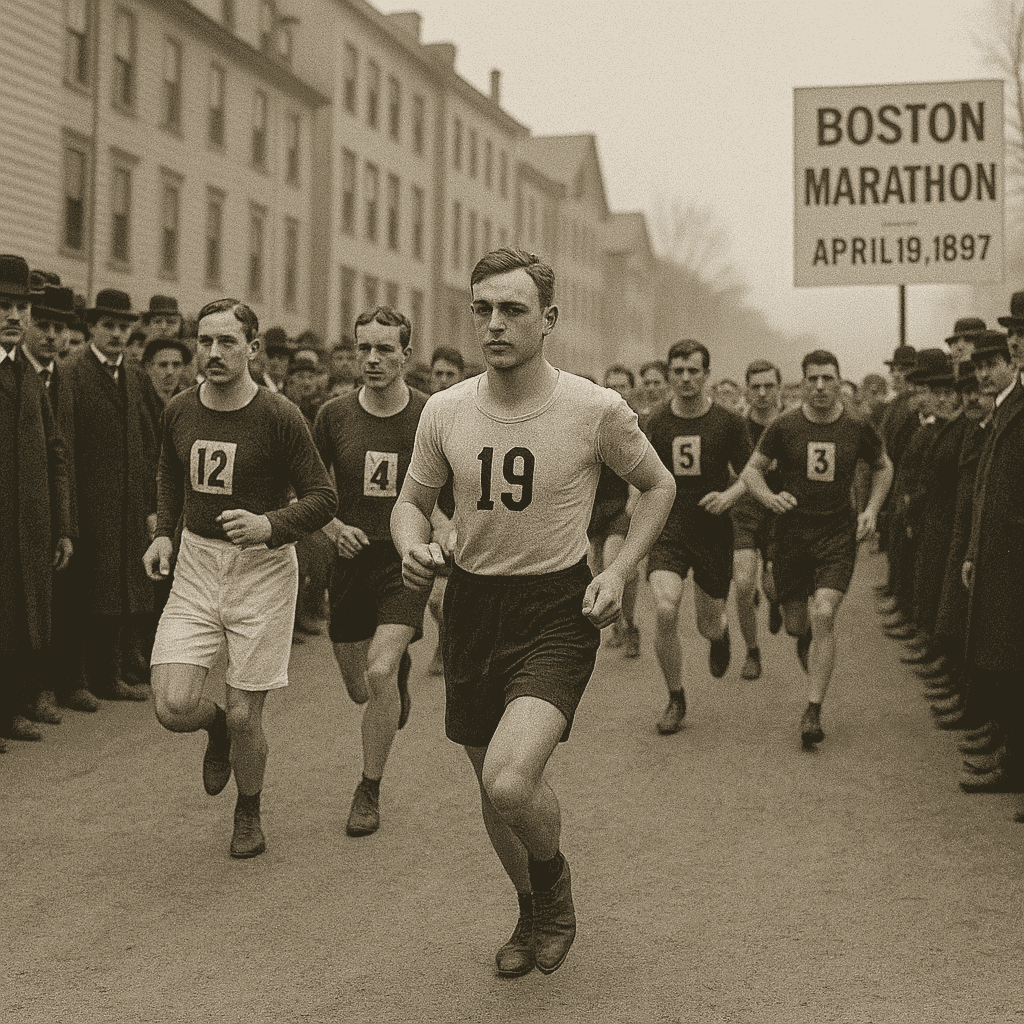
The Boston Marathon is more than just a race—it’s a celebration of the human spirit and the power of community. Each year, it brings together people of all backgrounds, united by a shared goal and a mutual respect for determination and effort. Spectators line the course from Hopkinton to Boylston Street, cheering on runners and creating an atmosphere of camaraderie and support that defines the event.
Following the tragic events of the 2013 bombing, the marathon has also come to symbolize resilience and solidarity. “Boston Strong” became a rallying cry not only for the city but for people around the world who saw in the race a reflection of strength in the face of adversity. The marathon has continued every year since, standing as a testament to the unwavering spirit of the running community and the city itself.
An Enduring Symbol of Perseverance